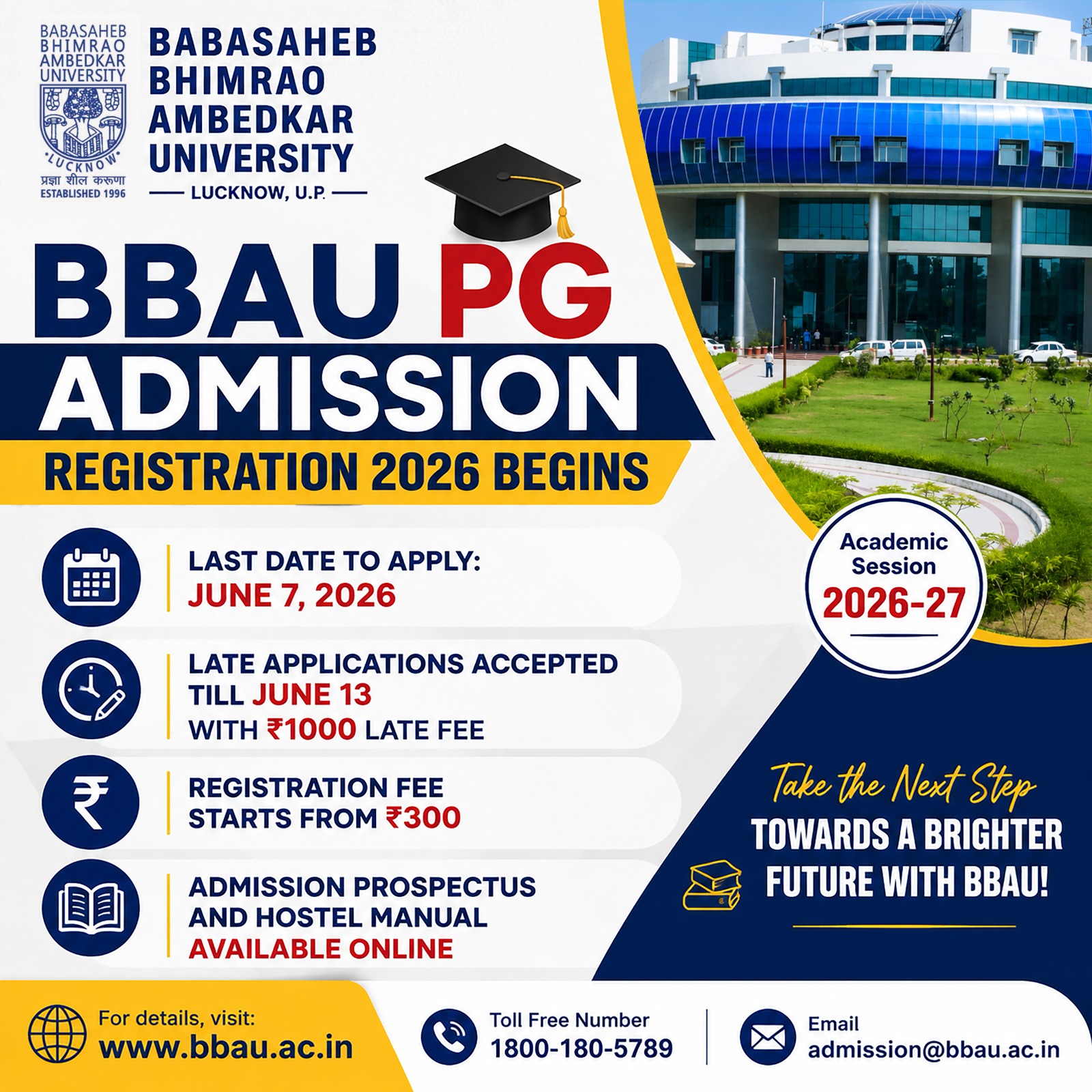
Campus Times | LucknowAccording to the official notification issued by the university, candidates seeking admission to various PG courses can now complete their registration through the university’s official website. The Admission Prospectus and Hostel Manual have also been uploaded online to help students understand the admission process, eligibility criteria, fee structure, and hostel facilities.The registration fee for General, OBC, and EWS category candidates has been fixed at Rs. 500, while applicants belonging to SC, ST, and PwD categories will have to pay Rs. 300.The university has announced June 7, 2026, as the last date for submission of applications without late fee. However, students will still be able to register till June 13, 2026, by paying a late fee of Rs. 1000.Officials have advised students to carefully read all guidelines before filling out the application form to avoid errors during the admission process.Candidates can access complete admission details, updates, and guidelines on the official website of Babasaheb Bhimrao Ambedkar University. For assistance, applicants may also contact the university helpline number 1800-180-5789 or email at admission@bbau.ac.in.Key Highlights:BBAU PG Admission Registration 2026 beginsLast date to apply: June 7, 2026Late applications accepted till June 13 with Rs. 1000 feeRegistration fee starts from Rs. 300Admission Prospectus and Hostel Manual available online

Ashish Tripathi
ashish14tripathi@gmail.comA senior media and government communication professional with over 17 years of experience, the author specializes in strategic storytelling, public engagement, and reputation management. With a strong journalism background at leading media houses including Hindustan, Amar Ujala, iNext, and ETV Bharat, the author brings newsroom discipline and editorial clarity to every communication initiative. Transitioning into public sector communication, the author served as IEC Lead for Swachh Bharat Mission (Urban), spearheading high-impact campaigns, stakeholder outreach, and perception management at scale. Currently working across media strategy, PR, policy communication, and digital content, the author supports governments, institutions, and brands in building credibility, influencing narratives, and delivering measurable communication outcomes.
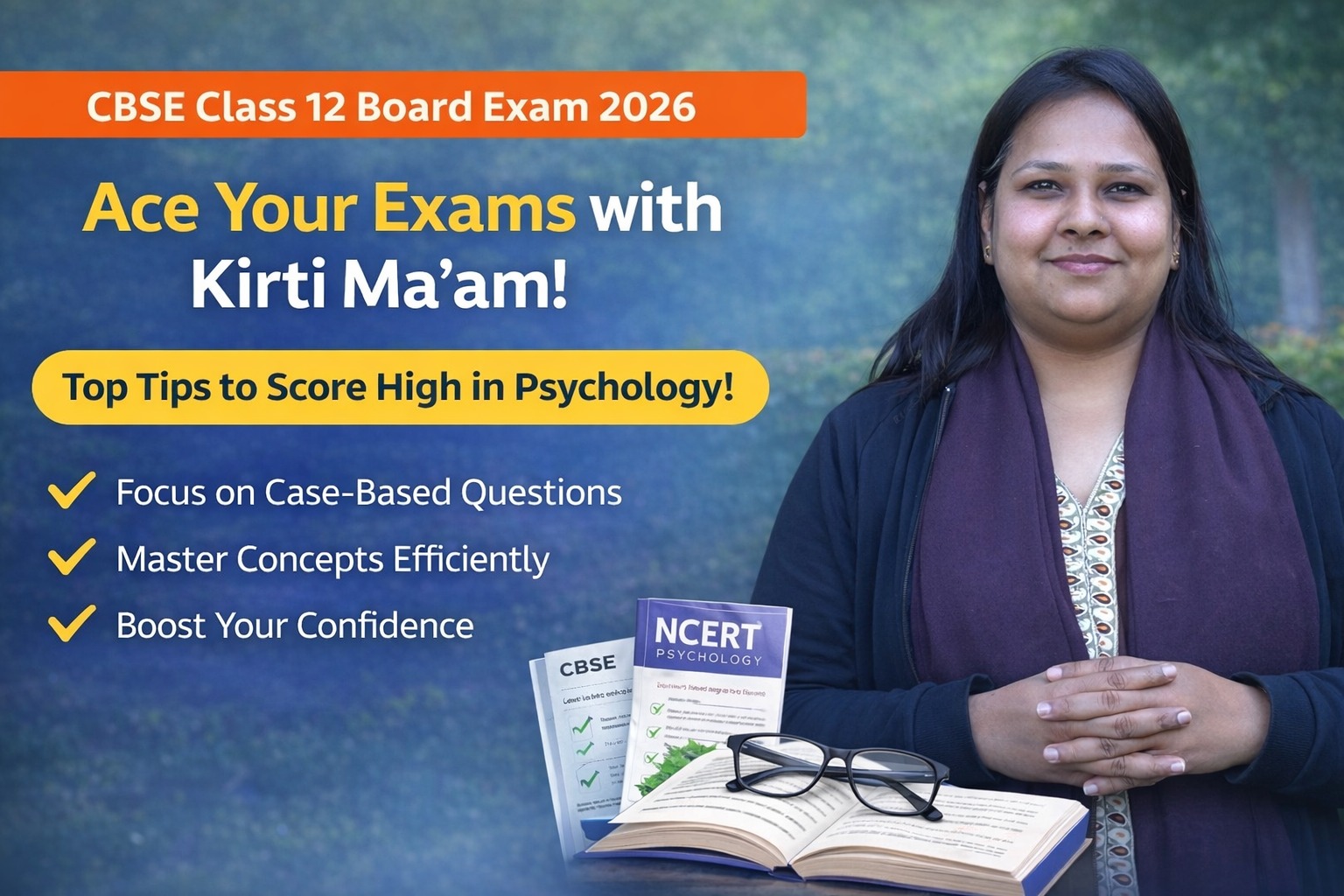
Campus Times|LucknowWith the countdown to the CBSE Class 12 Board Exams 2026 officially underway, Psychology students are entering the crucial revision phase, where expert guidance is helping them fine-tune their strategy for maximum scores. Ms. Kirti Pandey, PGT Psychology at Lucknow Public School, (C.P. Foundation), South City, emphasized that mastering case-based questions, maintaining structured answer writing, and ensuring conceptual clarity are the keys to excelling in the board examination.Psychology, the scientific study of human behaviour and mental processes, is considered a scoring subject when students follow a strategic preparation plan and present answers systematically.Case Studies Carry High WeightageAccording to Ms. Pandey, case-based questions now hold significant weightage in the CBSE Class 12 Psychology paper.“Students often understand concepts but lose marks due to poor presentation. They must clearly identify what is given and what is asked in the case,” she said.She advised students to:Read the case carefully before answering.Identify key psychological concepts.Mention symptoms in disorder-related cases.State the therapy and its techniques when treatment is discussed.Write concise, well-structured answers with clear introductions and conclusions.Replace stress with ConfidenceMs. Pandey recommended:Studying one difficult and one easy chapter together.Making flowcharts and short notes for revision.Practising short-answer questions regularly.Following the latest NCERT textbook and solving official CBSE sample papers.Emphasising mental well-being, she encouraged students to manage exam stress through proper sleep, relaxation exercises, and a positive mindset.Her final message: “Stay confident, revise consistently, and focus on case-based understanding. With the right strategy, Psychology can be a high-scoring subject.”With board exams nearing, students are adopting these expert strategies to aim for excellent results in CBSE Class 12 Psychology 2026.
Campus Times | LucknowUnder the UP Budget 2026, the state government has proposed a historic ₹77,622 crore allocation for basic education, marking one of the largest-ever investments in primary schooling in Uttar Pradesh.₹77,622 Crore Allocation to Transform Primary EducationThe massive financial commitment aims to upgrade infrastructure in council-run schools, enhance academic standards, and ensure holistic development for millions of students across the state.According to education department officials, the allocation will focus on:Modernizing classrooms and learning spacesStrengthening teaching quality and training3Expanding digital and smart learning facilitiesImproving basic amenities in rural and underprivileged areasGovernment schools, especially in rural Uttar Pradesh, serve as the backbone of the education system. Officials believe this funding will inject fresh momentum into the primary education framework and bridge the urban-rural education gap.₹650 Crore for Free Uniforms, Bags, Shoes & StationeryOne of the most impactful announcements in the budget is the proposal of ₹650 crore to provide free uniforms, school bags, shoes, socks, and stationery to students from Classes 1 to 8 studying in council schools.The initiative is aimed at:Reducing the financial burden on familiesEnsuring dignity and equality among studentsPreventing dropouts due to economic hardshipEncouraging higher enrollment and attendanceFor thousands of families grappling with rising living costs, this scheme offers tangible relief. By removing basic financial barriers, the government seeks to ensure that no child’s education is compromised due to lack of resources.A Budget Beyond NumbersBeyond figures and fiscal allocations, the UP Budget 2026 sends a strong social message — that every child, regardless of socio-economic background, deserves access to quality education with dignity.Calling the budget a “commitment to the future of Uttar Pradesh,” Minister Sandeep Singh emphasized that investment in basic education is an investment in the state’s long-term development.With this unprecedented allocation, Uttar Pradesh has positioned foundational education at the center of its growth strategy —
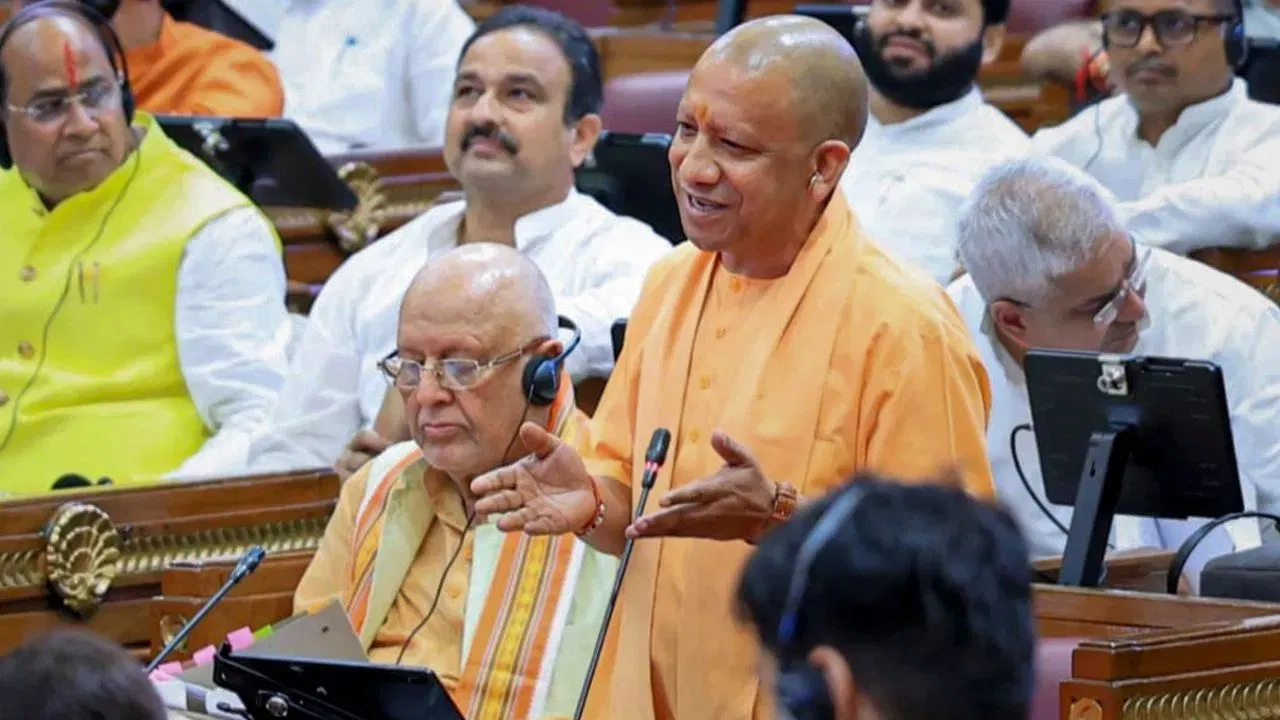
Campus Times | LucknowIn a major push to promote tourism and create new career opportunities, the Uttar Pradesh government has launched the Chief Minister Tourism Fellowship Programme. The initiative not only aims to strengthen the state’s tourism sector but also provides young graduates a chance to earn while contributing to meaningful research and development.Under the scheme, selected fellows will receive ₹40,000 per month for one year, with the possibility of extension for another year. The fellowship is open to graduates up to 40 years of age.To apply, candidates must have completed graduation with at least 60% marks from a recognized university. Preference will be given to those with qualifications in Tourism and Travel Management, MBA in Hospitality, Archaeology, MPhil, PhD, BBA, MA, or related fields.The core objective of the fellowship is to engage researchers in monitoring tourism projects and contributing to the holistic development of heritage, ecological, and cultural destinations across Uttar Pradesh. Officials believe this initiative will not only boost tourism growth but also empower youth with practical field exposure and financial support.With attractive financial assistance and real-world experience, the Tourism Fellowship is being seen as a golden opportunity for young professionals eager to shape the future of Uttar Pradesh’s tourism landscape.
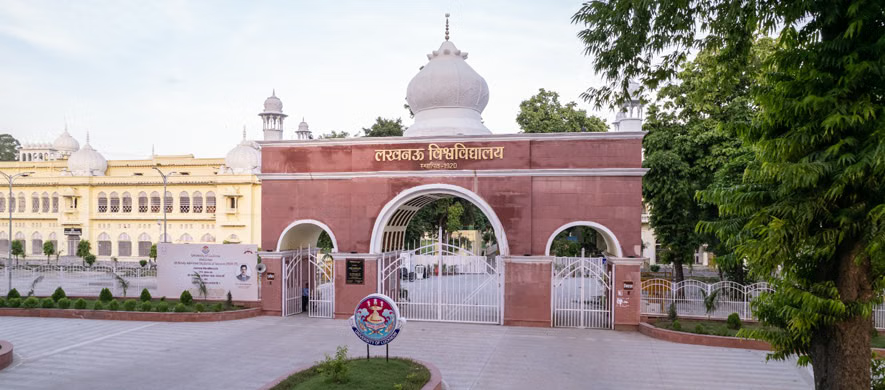
Campus Times|LucknowIn a major reform aimed at improving transparency and equal opportunities in higher education, Lucknow University has announced that government and aided colleges can now join its centralized admission process without paying any fee. The decision was taken by Vice-Chancellor Prof. J.P. Saini during a meeting with college principals on Tuesday. Colleges have been given 10 days to complete the formalities.Centralized Admission Free for Govt and Aided CollegesEarlier, colleges were required to pay ₹50,000 per course to be part of the centralized admission system. While private institutions participated actively, several government and aided colleges opted out due to financial constraints, resulting in vacant seats as students shifted to private colleges after Lucknow University seats were filled.With the fee now waived, students who fail to secure admission at Lucknow University will have equal opportunities to enroll in affiliated government and aided colleges through the same centralized process.Research Boost: Departments to Get Centre StatusIn another important announcement, the Vice-Chancellor said that eligible college departments will be granted recognition as research centers. This move is aimed at promoting academic research, strengthening postgraduate studies, and enhancing the overall research ecosystem under Lucknow University.Proposal to Convert Girls’ Colleges into Co-Ed Expressing concern over declining student enrollment in girls’ colleges, Prof. Saini proposed converting some of them into co-educational institutions. The step is being considered to increase admissions, optimize infrastructure, and ensure better academic sustainability.Six-Monthly Meetings to Improve University-College TiesTo improve communication and coordination, the Vice-Chancellor announced that meetings with principals will now be held every six months. Emphasizing collaborative growth, he stated that the university’s progress depends on the well-being and satisfaction of its affiliated colleges.NAAC and NIRF Ranking Preparation WorkshopsTo enhance institutional rankings, Lucknow University’s ranking cell will organize joint workshops to assist colleges in preparing for NAAC accreditation and NIRF ranking. The
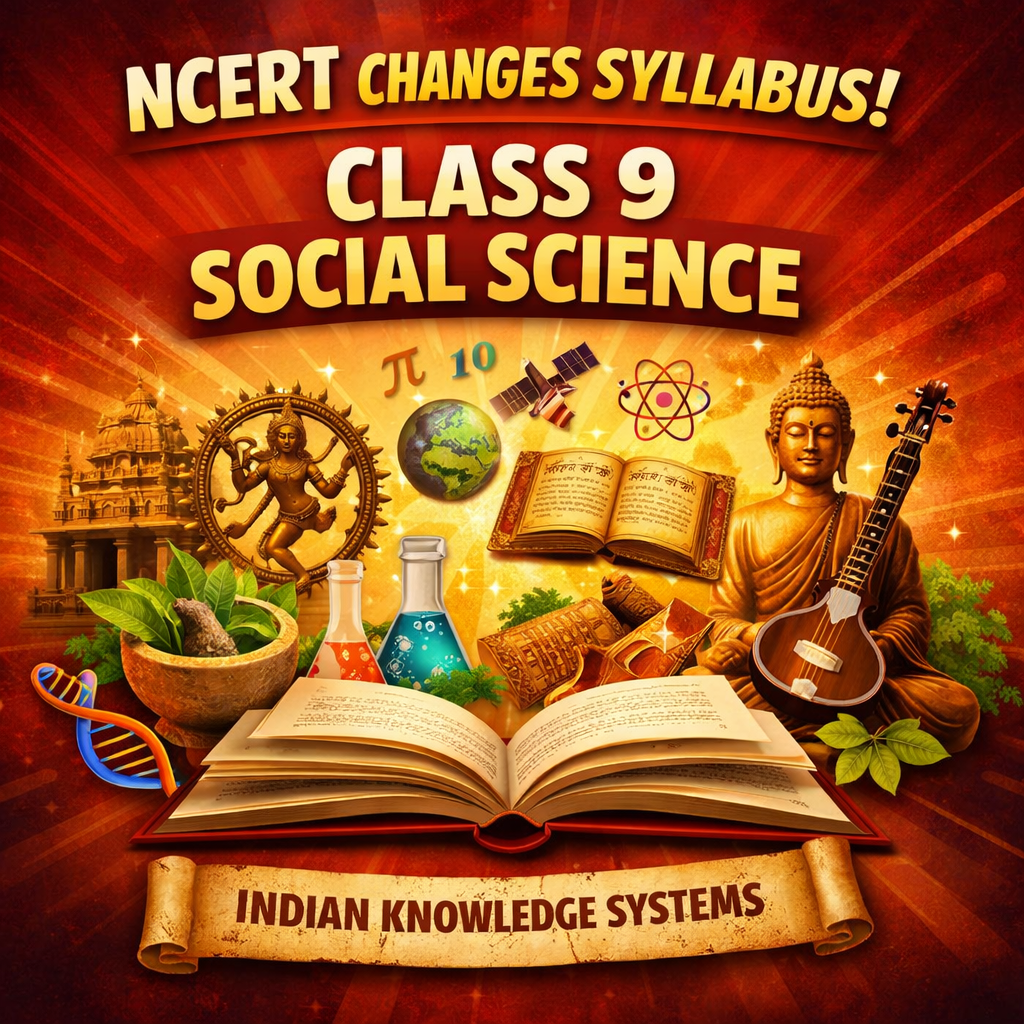
Campus Times |Lucknow The National Council of Educational Research and Training (NCERT) is set to release revised Class 9 Social Science textbooks in March, placing a strong emphasis on India’s indigenous intellectual and cultural contributions, according to the draft syllabus issued by the council.As per the draft, the new textbooks will be designed around Indian Knowledge Systems (IKS) and will promote inquiry-driven learning rather than rote memorisation. The curriculum aims to present concepts through perspectives that are culturally rooted and closely connected to students lived realities.The revised syllabus marks a shift from a largely event-driven and chronological approach followed in previous editions. Instead, it prioritises a deeper understanding of core concepts, encouraging critical thinking and conceptual clarity among students.NCERT stated that the changes align with the objectives of the National Education Policy (NEP) 2020 and the National Curriculum Framework for School Education (NCF-SE) 2023, both of which advocate competency-based education and contextual learning.Educators believe the updated textbooks will help students engage more meaningfully with social science by integrating India’s philosophical, scientific, and cultural traditions into classroom learning.The new Class 9 books are expected to be introduced in schools across the country in the upcoming academic session.What’s New for Class 9 StudentsUnder the revised NCERT syllabus, Class 9 students will explore India’s contributions across a wide range of disciplines, including mathematics, philosophy, science and technology, medicine, architecture, agriculture, literature, and art.The curriculum places special focus on Indian philosophy, Ayurveda, yoga, horticulture, and the traditional use of herbs and spices. Students will also study etymology and the 22 shrutis of Indian classical music, analysing how these knowledge systems influenced the evolution of Indian society and history.The updated content aims to help students understand India’s intellectual traditions not just as historical facts, but as living systems that have shaped everyday life and cultural
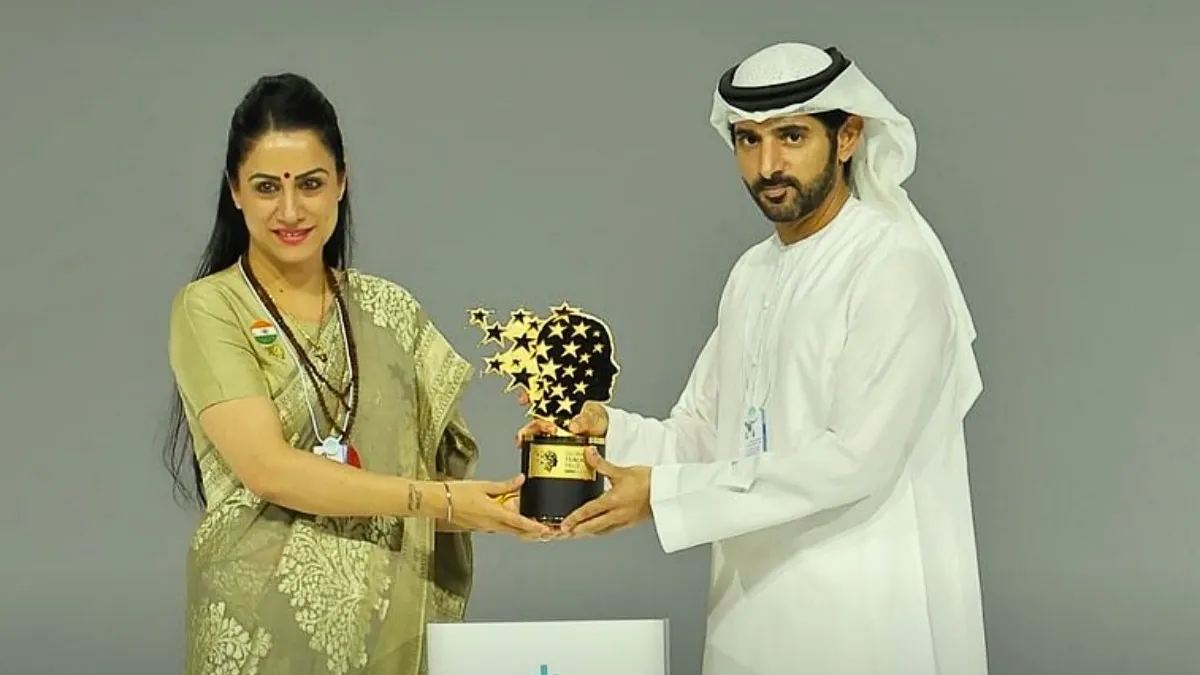
Campus Times| Lucknow Indian artist and social reformer Rouble Nagi has won the $1 million GEMS Education Global Teacher Prize 2026. She received the award at the World Government Summit in Dubai, United Arab Emirates, for her remarkable contribution to education and social change. Often referred to as the “Nobel Prize of Teaching,” the award recognizes Nagi’s two-decade-long efforts to transform India’s urban slums into vibrant, open-air classrooms through art-based learning. The prize was presented by Sheikh Hamdan bin Mohammed bin Rashid Al Maktoum, Crown Prince of Dubai, along with Sunny Varkey, Founder of the Varkey Foundation, in collaboration with UNESCO. Rouble Nagi was selected from over 5,000 nominations across 139 countries, bringing global pride to India.Mumbai-based artist, muralist, and social reformer Rouble Nagi has won the prestigious $1 million Global Teacher Prize 2026 at the World Government Summit in Dubai. The award recognises her two decades of work in transforming India’s urban slums and underserved communities into vibrant learning spaces through art-based education.From Art to Social ChangeBorn in Jammu & Kashmir and trained at the Slade School of Fine Art in London, Nagi first gained recognition for her sculptures and murals. She later redefined the idea of a classroom by founding the Rouble Nagi Art Foundation (RNAF), using art as a tool to bring education directly to children living in poverty.Misaal Mumbai InitiativeThrough RNAF’s flagship initiative “Misaal Mumbai,” Nagi has painted and repaired over 1.55 lakh houses in slums and villages across India. Her work has helped integrate more than one million children into the formal education system and establish over 800 learning centres in more than 100 underserved communities and villages.Living Walls of LearningNagi was honoured for her innovative concept “Living Walls of Learning,” where abandoned and broken walls are transformed into interactive educational murals. These murals teach
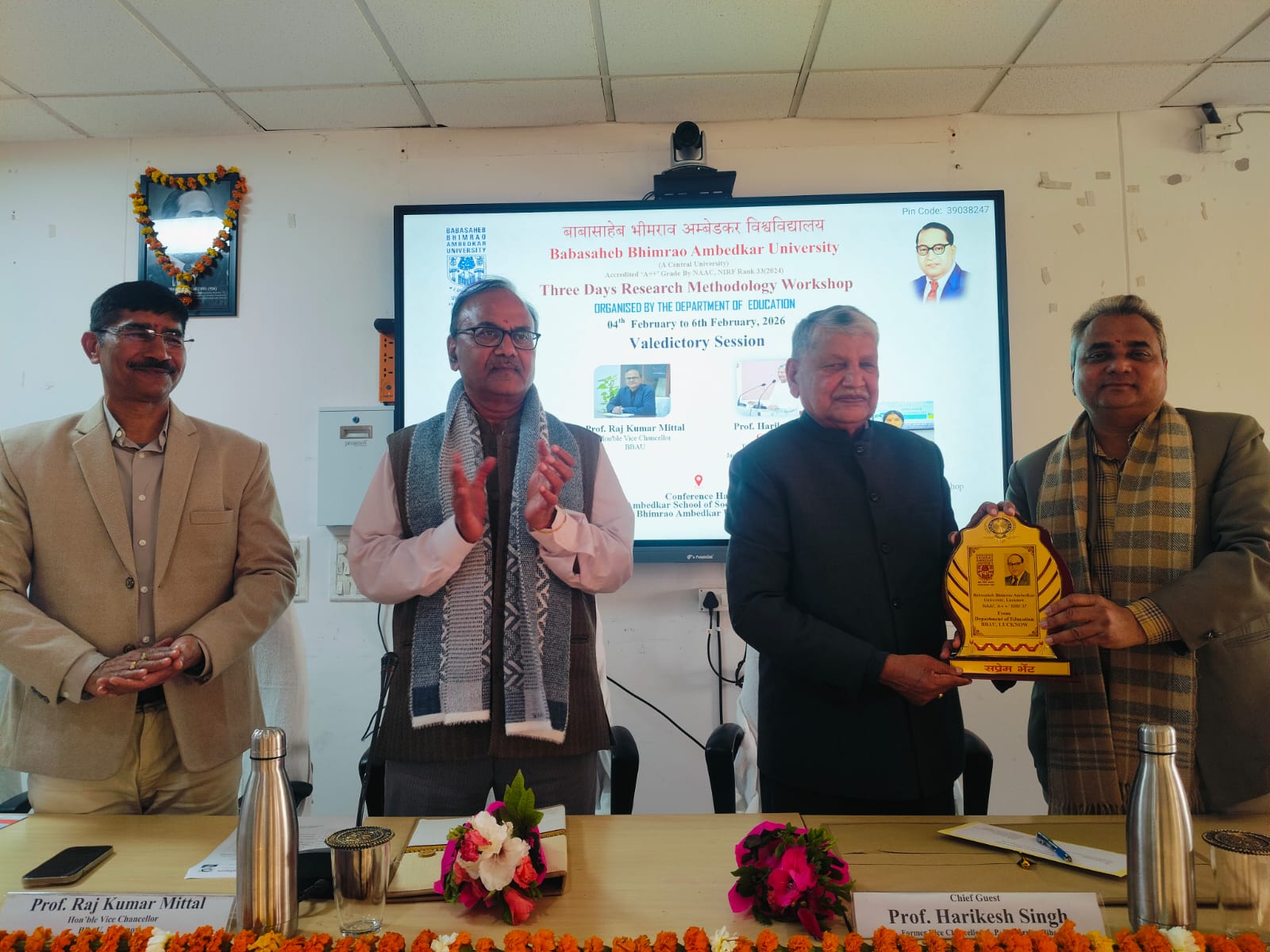
Campus Times | Lucknow A three-day Research Methodology Workshop organized by the Department of Education, Babasaheb Bhimrao Ambedkar University (BBAU), concluded with a valedictory session held on campus. The closing ceremony was chaired by the Vice-Chancellor of the University, Prof. Raj Kumar Mittal. Former Vice-Chancellor of Jai Prakash Narayan University, Chapra (Bihar), Prof. Harikesh Singh, attended the programme as the Chief Guest. Prof. Raj Sharan Shahi, Head and Dean of the Department of Education, BBAU, along with Prof. Harishankar Singh and Program Convener Dr. Sangeeta Chauhan, were present on the dais during the valedictory session. The program began with the ceremonial lighting of the lamp and floral tributes to Babasaheb Bhimrao Ambedkar, followed by the rendition of the University Kulgeet. The organizing committee felicitated the guests with bouquets, mementos, and shawls.Workshop Objectives HighlightedWelcoming the gathering, Prof. Raj Sharan Shahi outlined the objectives and structure of the workshop. This was followed by a detailed report presented by Program Convener Dr. Sangeeta Chauhan, who summarized the academic sessions and learning outcomes of the three-day program.Youth as the Pillars of a Developed IndiaAddressing the gathering, Vice-Chancellor Prof. Raj Kumar Mittal emphasized that the responsibility of building a developed India lies largely with the youth. He stated that education is the most powerful medium through which young people can bring positive change in society. Stressing collaboration between universities and youth, he said such synergy is essential for contributions to economic growth, policy-making, and national development.Vice-Chance Prof. Mittal also highlighted the growing role of women in all sectors, calling it a matter of national pride. He noted that continuous progress in research has enabled India to emerge as an exporter of products ranging from agriculture to defense equipment. Underscoring the importance of research, he urged students to make effective use of government initiatives aimed at
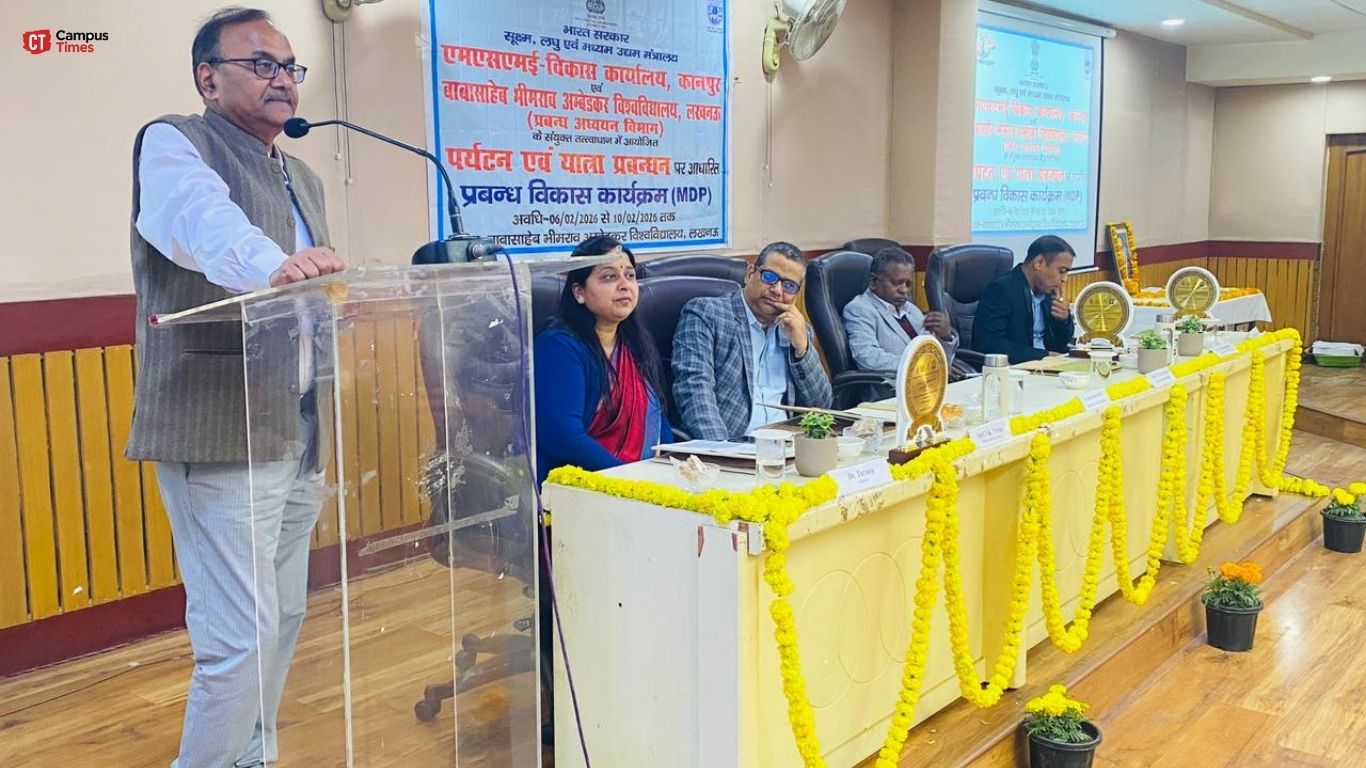
Campus Times | Lucknow The program was chaired by the Vice-Chancellor of the University, Prof. Raj Kumar Mittal, while Mr. V. K. Verma, Director, MSME–Development Office, Kanpur, graced the occasion as the Chief Guest. Other dignitaries present on the dais included Dean of Academic Affairs Prof. S. Victor Babu, MSME Assistant Director Mr. Neeraj Kumar, and Program Coordinator Dr. Taruna. The event commenced with the traditional lighting of the ceremonial lamp and floral tributes to the portrait of Babasaheb Dr. Bhimrao Ambedkar, followed by the rendition of the University Kulgeet. As a mark of appreciation, the organizing committee presented saplings to the guests and faculty members. Program Coordinator Dr. Taruna welcomed the dignitaries and participants and briefed them about the objectives and structure of the program.Youth Must Become Job Creators: Vice-ChancellorAddressing the gathering, Vice-Chancellor Prof. Raj Kumar Mittal emphasized that today’s youth must focus on becoming job creators rather than job seekers to realize the vision of Developed India–2047. He highlighted the crucial role of educational institutions in nurturing innovation, entrepreneurship, and self-reliance from an early stage.Prof. Mittal stated that the tourism sector offers immense scope for entrepreneurship, where young people can establish successful startups with innovative ideas and a modern outlook. He added that government initiatives such as the Chief Minister Youth Scheme, MSME, Startup India, and Vocal for Local are providing strong support to aspiring entrepreneurs. With proper guidance, infrastructure, and determination, youth can effectively utilize these schemes to contribute to the nation’s economic growth.MSME Key to Youth Empowerment and EmploymentChief Guest Mr. V. K. Verma, Director, MSME–Development Office, Kanpur, highlighted the objectives and functions of the MSME sector, describing it as a powerful instrument for youth empowerment and self-employment. He said MSME promotes micro, small, and medium enterprises, encourages innovation, ensures optimal utilization of local resources, and
Campus Times | LucknowThe Central Board of Secondary Education (CBSE) has officially announced that the Central Teacher Eligibility Test (CTET) February 2026 session will now be conducted over two days — February 7 and 8 — instead of a single day, to accommodate a surge in registrations and ensure smoother conduct of the exam.According to the revised schedule, Paper II will be held in the morning shift (9:30 am – 12:00 pm) on both days, followed by Paper I in the afternoon shift (2:30 pm – 5:00 pm).The CTET—an essential eligibility test for aspiring teachers across India—will take place in over 140 cities nationwide, with strict guidelines in place to maintain exam integrity. Registered candidates should reach their assigned centres well before reporting time as late entry will not be permitted. Total 25,30,436 on record have been registered.CTET 2026 examination offered total 20 Indian Languages with core question paper in English and Hindi.For related updates check official website https://ctet.nic.in/How To Download CTET Admit Card 2026Step 1: Visit the official website at ctet.nic.in.Step 2: Click on the CTET Admit Card 2026 link available on the homepageStep 3: Enter your application number, date of birth, and security pin.Step 4: The CTET admit card will appear on the screen; check all details carefully.Step 5: Download the admit card and take a printout for the examination dayEligibility:Paper I (Classes I‑V): Senior Secondary with 50% + 2‑year D.El.Ed / 4‑year B.El.Ed / Graduation + B.Ed.Paper II (Classes VI‑VIII): Graduation with 50% + 2‑year D.El.Ed / B.Ed / B.Sc-B.Ed or BA-B.Ed.Relaxation applies for reserved categories.Exam Pattern:Duration: 2½ hours, MCQs only, 150 questions, 1 mark each, no negative marking.Paper I: Child Development & Pedagogy, Languages I & II, Maths, Environmental Studies.Paper II: Child Development & Pedagogy, Languages I & II, and either Maths & Science or Social Studies.Qualifying Marks: 60% for general category.Candidates must check the official CBSE portal

Campus Times |Lucknow The Ghaziabad Incident That Shocked the Nation According to initial reports, three real sisters aged approximately 12, 14, and 16 allegedly died by suicide after being deeply influenced by a dangerous online “death challenge” game reportedly known as the Korean Love Game. The girls were said to be heavily addicted to the task-based game, spending most of their time playing it and gradually distancing themselves from school and daily routines.Reports suggest that such games often involve interaction with anonymous strangers who slowly gain emotional control over children. The game allegedly assigns step-by-step challenges, eventually leading to extreme and life-threatening tasks. Investigators also revealed that the sisters left behind an 18-page suicide note expressing their emotional attachment to the game, highlighting the alarming psychological grip such digital platforms can create.A Growing Pattern of Online Death ChallengesThis is not the first time such cases have surfaced. Earlier, globally reported online challenge games like the Blue Whale Challenge gained notoriety for allegedly encouraging participants to harm themselves through progressively dangerous tasks. Experts warn that these games operate by exploiting teenage emotional vulnerability. Children are initially attracted through themes of friendship, attention, or emotional connection. Gradually, manipulation, fear, and threats are used to control their behaviour.Are Online Games Rewiring Teen Minds?Research highlighted in the book iGen by renowned psychologist Jean M. Twenge indicates a sharp rise in depression and suicidal tendencies among teenagers since the early 2010s. The report links these behavioural changes significantly to excessive screen time, social media exposure, and online gaming addiction. With smartphones becoming common among teenagers, the risk of digital dependency is increasing rapidly, making parental supervision more critical than ever.Warning Signs Parents Must Never Ignore Speaking to Campus Times, psychology expert Dr. Lalima, Assistant Professor in the Department of Education at BBAU Lucknow, explained that
Campus Times |Lucknow According to the notification, the online application process started on February 4, 2026, and interested candidates can apply until February 24, 2026. Aspirants are advised to complete the application process well before the closing date.As per the eligibility criteria, the minimum age required is 21 years, while the maximum age limit is 32 years, calculated as on August 1, 2026.Candidates are advised to carefully check the complete details regarding eligibility, exam pattern, selection process, and application procedure available on the official UPSC website before applying.Important DatesOnline Apply Start Date: 04 February 2026Online Apply Last Date: 24 February 2026Last Date for Fee Payment: 24 February 2026Pre Exam Date: 24 May 2026Admit Card: Before ExamResult Date: Will Be Updated Here SoonCandidates are advised to confirm from the UPSC official website-https://upsc.gov.in/.Application FeeGeneral, OBC, EWS: ₹ 100SC / ST: ₹ 0PH Candidates: ₹ 0All Female Category: ₹ 0Payment Mode (Online): You can make the payment using the following methods: Debit Card/Credit Card/Internet Banking/IMPS/Cash Card / Mobile WalletUPSC Civil Services IAS/IFS Notification 2026: Age Limit as on 01 August 2026Minimum Age: 21 Years.Maximum Age: 32 Years.Must have been born not earlier than 2nd august, 1994 and not later than 1st august, 2005Age Relaxation Extra as per notification of UPSC Examination 2026 Student are suggested that read official notification....click here
1.webp)
Campus Times|LucknowExciting news for young aspirants aiming to join the Uttar Pradesh Police as constables the Yogi government has officially announced the schedule for the Direct Recruitment-2025 written exam for Civil Police Constable and equivalent positions. According to a notification from the Uttar Pradesh Police Recruitment and Promotion Board (UPPBPB) on Tuesday, the exams will take place on June 8 (Monday), June 9 (Tuesday), and June 10 (Wednesday).The test will be conducted in two shifts each day over the three-day period. Through this recruitment drive, a total of 32,679 vacancies will be filled. Additional information regarding exam centers, admit cards, and instructions will be made available on the official UPPBPB website.Yogi government’s decision for candidatesIn a major relief for aspirants, the Yogi Adityanath government has granted a one-time relaxation of three years in the maximum age limit, following a government order issued on January 5, 2026. This move, in line with Rule 3 of the Uttar Pradesh Public Service (Relaxation in Age Limit) Rules, 1992, allows candidates previously excluded due to age to participate.Vacanies related information:Exam Dates: June 8–10, 2026 (two shifts per day)Mode: Offline (Paper-Based Test)Total Vacancies: 32,679Reservation: 20% of posts reserved for womenOfficial Updates: Admit cards and exam centre details will be released on the UPPRPB website Visit Link: https://uppbpb.gov.in/Candidate Guidance:Regularly check the official UPPRPB website for updates.Download admit cards and confirm exam centres in advance.Practice the syllabus and previous year papers.Focus on time management and preparation strategy.Maintain physical and mental fitness for competitive edge.Youth ExcitementThis recruitment drive has sparked enthusiasm and hope among young aspirants. Millions of candidates are preparing for the exam. Experts say that with proper planning and focused preparation, candidates can succeed and fulfill their dream of joining the Uttar Pradesh Police.
Campus Times| Lucknow According to the notification, the online application process began on January 31, 2026, and eligible candidates can submit their applications until March 2, 2026 through the official RRB website. Candidates are advised to complete the application process well before the deadline to avoid last-minute issues.As per the eligibility criteria, applicants must be at least 18 years old, while the maximum age limit is 33 years, calculated as on January 1, 2026. The recruitment will be conducted for Group-D posts across different railway zones, offering candidates a chance to secure a government job in the Indian Railways.Interested candidates can check detailed information regarding eligibility, selection process, application steps, and zone-wise vacancies on the official website. The direct links to the notification and application form isImportant DatesNotification Date : 30 January 2026Online Apply Start Date : 31 January 2026Online Apply Last Date : 02 March 2026Last Date For Fee Payment : 04 March 2026Correction Date : 05 - 14 March 2026Exam Date : Notify LaterAdmit Card : Before ExamResult Date : Will Be Updated Here SoonCandidates are advised to confirm from the RRB official website- https://indianrailways.gov.in/. Application FeeFor General, OBC: ₹ 500/-For SC/ ST/ EBC / Female / Transgender : ₹ 250/-Refund Amount (On Appearing For CBT)For General, OBC : ₹ 400/-For SC/ ST/ EBC / Female / Transgender : ₹ 250/-Payment Mode (Online): You can make the payment using the following methods:Debit Card/Credit Card/Internet Banking/IMPS/Cash Card / Mobile WalletRRB Group-D Notification 2026 : Age Limits As On 01 January 2026Minimum Age : 18 Years Maximum Age : 33 Years RRB provides age relaxation for the Group D Various Posts in Level 1 position as per their regulations.Students are advice to Check RRB official website ...Click Here
Campus Times | LucknowThe Central Board of Secondary Education (CBSE) has released the admit cards for the Class 10 and 12 board exams 2026. These hall tickets are available on the official CBSE portal. Regular students cannot download the admit cards themselves. Schools must log in to the Pariksha Sangam portal with their credentials, download the admit cards, and distribute them to students.The board exams for both classes will begin on 17 February 2026. Students are advised to stay in touch with their schools and collect their admit cards as soon as possible. No student will be allowed entry into the exam centre without a valid admit card.Direct link to download admit cardSteps to Download Admit Card For Class 10 And 12Step 1: Visit the official website - cbse.gov.inStep 2: Click on the Pariksha sangam portalStep 3: Scroll down to Admit Card, Centre Material for Main Exam 2026 linkStep 4: Click on the Class 10/ Class 12 admit card linkStep 5: Log in with the user ID and passwordStep 6: The admit cards will be displayedCBSE Admit Card 2026: Key Points for Schools & StudentsSchools must download CBSE Class 10 and 12 admit cards from the official Pariksha Sangam portal using their login credentials. Principals must verify all details, sign the admit cards, and affix the school seal before distributing them to students. Ensuring every student receives the correct hall ticket is the school’s responsibility.Exam Dates of Class 10 – 17 Feb to 11 Mar 2026, Class 12 – 17 Feb to 10 Apr 2026. Students must carry a printed admit card to the exam centre, arrive on time, and follow all instructions. No entry without the admit card.
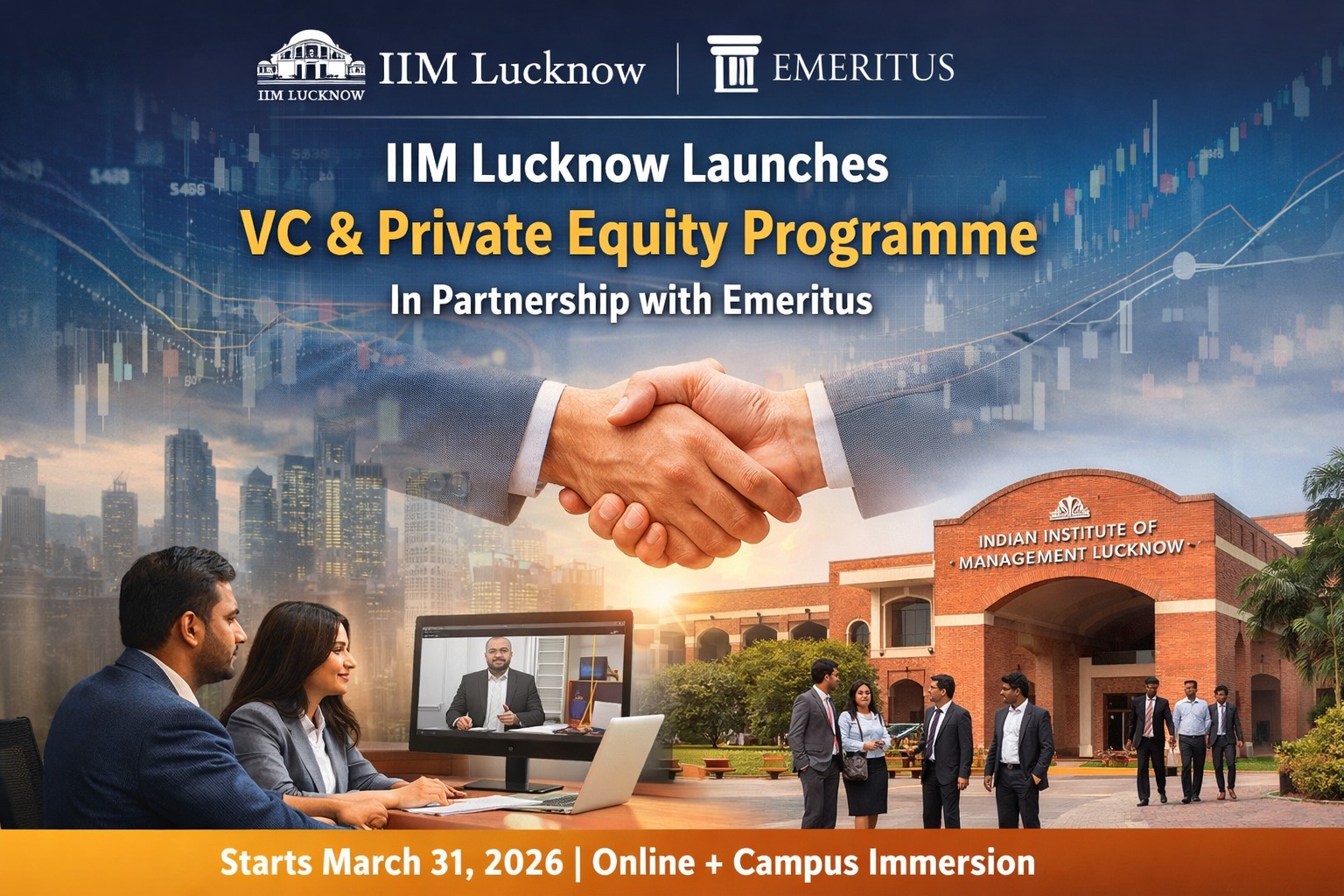
Campus Times | LucknowThe Indian Institute of Management (IIM) Lucknow has announced the launch of a Venture Capital and Private Equity (VCPE) programme in collaboration with Emeritus, aimed at working professionals looking to build expertise in investment and fund management.The nine-month programme will be conducted primarily in online mode, with a three-day on-campus immersion at IIM Lucknow to provide participants with hands-on exposure, peer interaction and leadership development opportunities.According to the institute, the programme’s curriculum has been designed to address the growing demand for skilled professionals in the VC and private equity sector in India. It covers critical areas such as market evaluation, deal origination, valuation methods, portfolio management and exit strategies. The learning approach combines classroom instruction with practical workshops and a supervised capstone project, enabling participants to gain both conceptual clarity and real-world application skills.Programme DetailsThe programme will commence on March 31, 2026. Applicants must have a minimum of two years of professional experience. The course fee is ₹3,20,000 plus GST.Key Features of the ProgrammeStructured VCPE Curriculum: Ten comprehensive modules covering venture capital, private equity, fund formation, due diligence, artificial intelligence in investments and impact investing.Applied Learning Approach: Practical sessions on valuation techniques, deal structuring, capital raising and negotiation processes.Capstone Project: A group-based fund simulation that allows participants to apply learning to real investment scenarios.Campus Immersion: A three-day residential module at IIM Lucknow focused on leadership skills, networking and peer learning.Faculty and Industry Experts: Teaching by IIM Lucknow faculty along with seasoned professionals from the investment industry.Programme Certification: Successful participants will receive a certificate of completion from IIM Lucknow, with an option to obtain Executive Alumni status.The initiative reflects IIM Lucknow’s continued focus on executive education and industry-aligned programmes, catering to professionals seeking to advance their careers in the fast-evolving investment and finance ecosystem.About VCPEVenture Capital (VC) funds
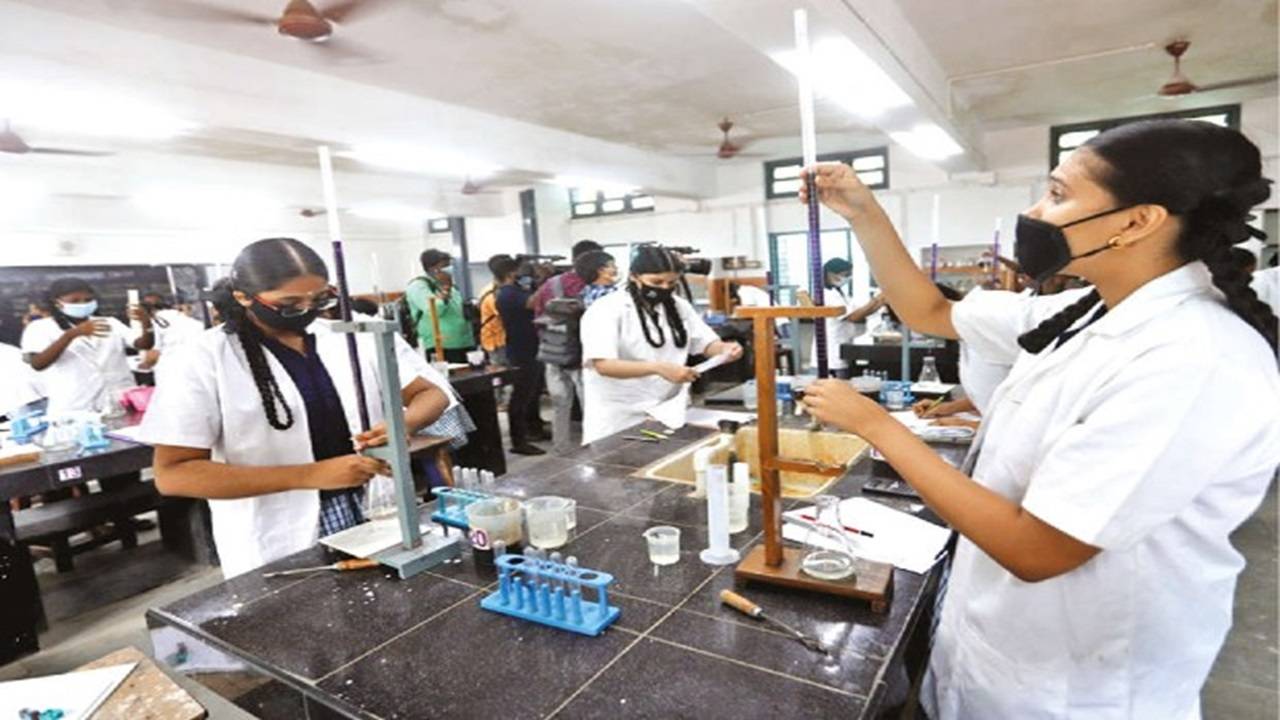
Campus Times | LucknowThe Uttar Pradesh Madhyamik Shiksha Parishad (UPMSP) has given major relief to Intermediate students. According to an official notice issued by Board Secretary Bhagwati Singh, the last date for the first phase of practical examinations has been extended.As per the earlier schedule, the practical exams were to be conducted from 24 January to 1 February 2026. However, since practical exams were still pending in several schools, the board has extended the deadline in the interest of students. Now, the practical examinations will be held till 4 February 2026.The board has issued strict instructions that all practical exams must be completed by 4 February. Students who missed their practical exams earlier get this last chance. Students are advised to contact their schools immediately.The UPMSP will conduct Class 10th and 12th exams from 18 February to 12 March 2026. Exams will be held in two shifts: morning 8:30 AM to 11:45 AM and afternoon 2:00 PM to 5:15 PM. Practical exams will take place from 21 January to 5 February 2026. for the detail information check the official website https://examregistration.upmsp.edu.in
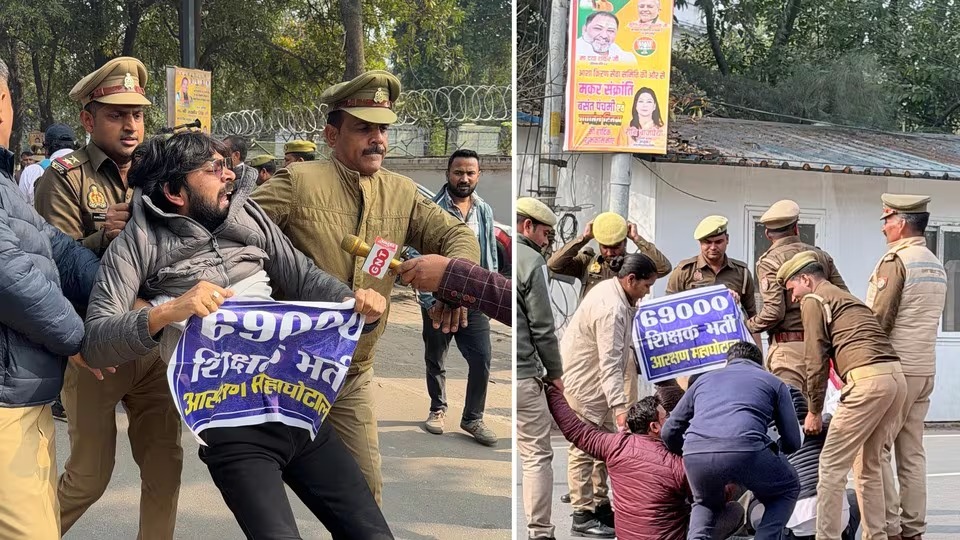
Campus Times|LucknowProtesters alleged that when they reached near Deputy Chief Minister Keshav Maurya’s residence, police stopped them and forcefully made them board buses. They also claimed that banners and posters brought for the protest were torn. According to the protesters, these actions were taken to prevent them from continuing their demonstration.A protest by candidates of the 69,000 teacher recruitment in Lucknow turned tense on Tuesday after police blocked their march, leading to pushing, arguments, and the forcible removal of protesters onto buses.Candidates alleged discrimination in the handling of the 69,000 teacher recruitment case, claiming that backward and Dalit applicants have been waiting for justice for nearly 10 months. Through posters and graphics, protesters argued that while a Supreme Court decision benefiting 15 per cent upper-caste candidates was delivered in a single day, no progress has been made for the remaining 85 per cent from reservation categories. They also pointed out that a UGC-related matter was resolved within a day, whereas the teacher recruitment issue continues to remain pending.“We’ll Keep Coming Every Day, Police Can’t Block Us for Long”Amarendra, who joined the protest, said they would continue coming every day and would approach MLAs, leaders, and ministers one by one. “Let’s see how long the police can stop us. We will keep fighting for our rights for as long as we live,” he said. Questioning leaders who claim to represent backward communities, he added that if they were truly standing for these communities, students from backward castes would not be facing police action
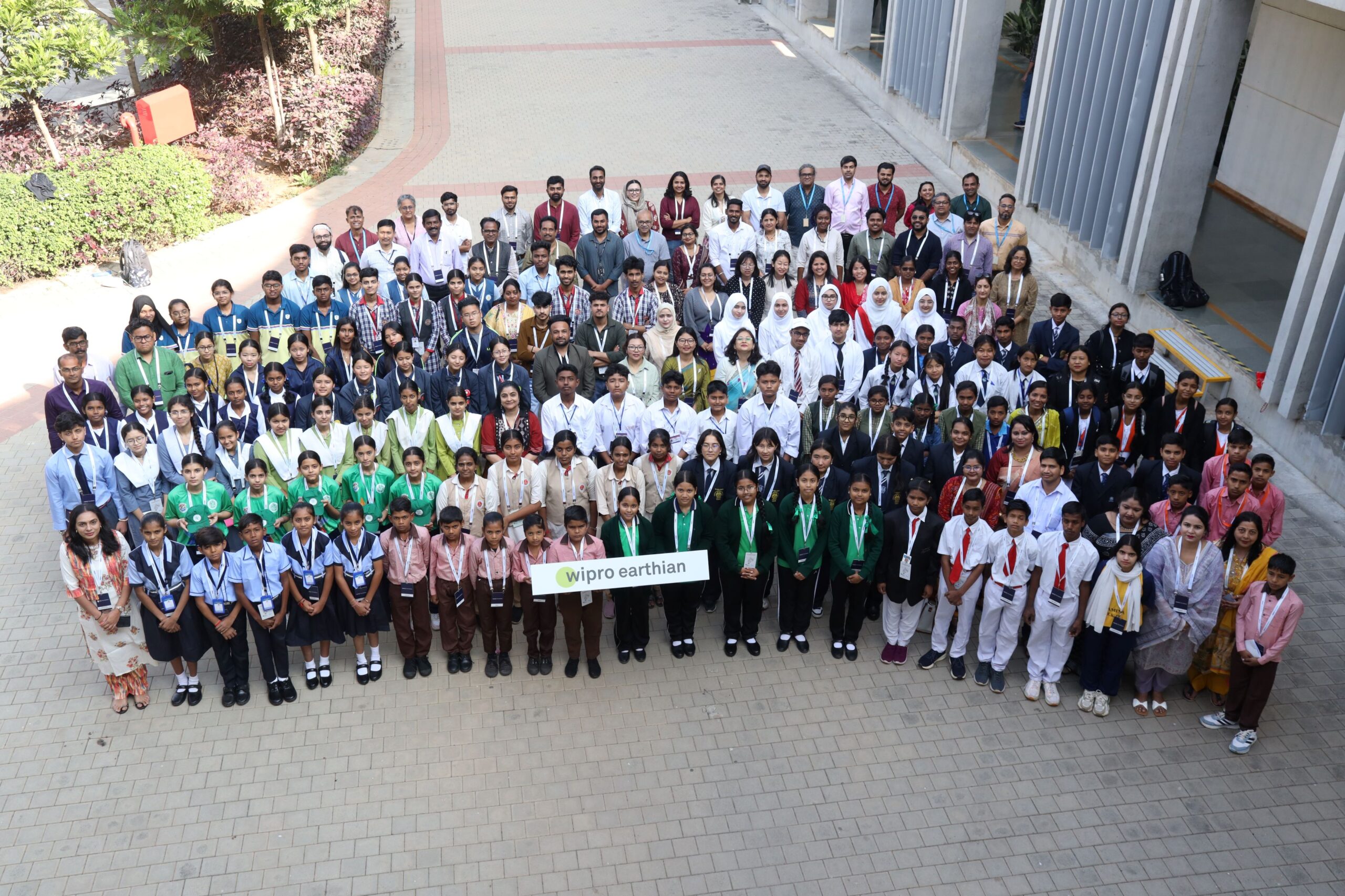
Campus Times | LucknowUttar Pradesh has earned national recognition in the field of environmental learning as three schools from the state won the prestigious Wipro Earthian Awards for their outstanding work in sustainability education.The award-winning schools are PM Shri Kendriya Vidyalaya, Gomtinagar (Lucknow), Upper Primary School, Gokulpur (Aligarh), and Prathmik Vidyalaya, Vidarpur (Fatehpur Sikri, Agra). These schools were selected for their innovative, student-led projects focusing on themes such as biodiversity conservation, waste management, and sustainable use of natural resources.About Wipro EarthianWipro Earthian is one of India’s largest and most respected sustainability education programmes. It aims to integrate environmental awareness into mainstream education through hands-on, activity-based learning. Students engage in fieldwork, research, documentation, and reflective writing to address real-world ecological challenges.The Earthian AwardsThe programme culminates each year in the Wipro Earthian Awards, where outstanding projects from schools and colleges across India are evaluated by an independent jury and recognised for their depth, originality, and impact.Support Beyond AwardsBeyond recognition, Wipro Earthian strengthens sustainability education through teacher training, partnerships with non-governmental organisations, and a Sustainability Educator Network, enabling schools to build long-term environmental learning practices.Significance of the AchievementThe success of these Uttar Pradesh schools reflects the growing emphasis on sustainability in education and highlights the role of young learners in shaping an environmentally responsible and sustainable future.

Campus Times|LucknowAMU Admissions 2026, Registration for undergraduate, postgraduate, diploma, and professional programmes at Aligarh Muslim University (AMU) begins today, February 1. Eligible candidates can submit their applications online through the official portal, amucontrollerexams.com.For the 2026–27 academic session, the application fee for AMU entrance examinations ranges from ₹750 to ₹1,050, depending on the course selected. According to university authorities, several entrance tests will be conducted in the traditional pen-and-paper mode.As per the official schedule, AMU will hold the BA (Hons) entrance examinations on April 12 and April 19, offering aspirants a key opportunity to secure admission to one of India’s premier central universities.AMU Admission 2026: Steps to registerStep 1: Visit the official website — amucontrollerexams.comStep 2: Select the admission tab given on the home page and click on the registration link.Step 3: Log in by entering your email and password.Step 4: Fill out the application form and submit the important documents.Step 5: Pay the required fee.Step 6: Download the application form and payment receipt for future reference. Candidates are required to fill out only one application form for multiple courses.AMU Exam ScheduleAMU has announced the schedule for its entrance examinations for the academic year 2026-27. The entrance exam for BTech, BArch, and BBA programmes will be held on April 19. Exams for senior secondary courses (science, humanities, commerce), engineering diploma, and the bridge course are scheduled for April 26.Entrance tests for MBA programmes, along with MPH, MSW, and BEd, will take place on June 7. A large number of candidates are expected to appear across all courses.
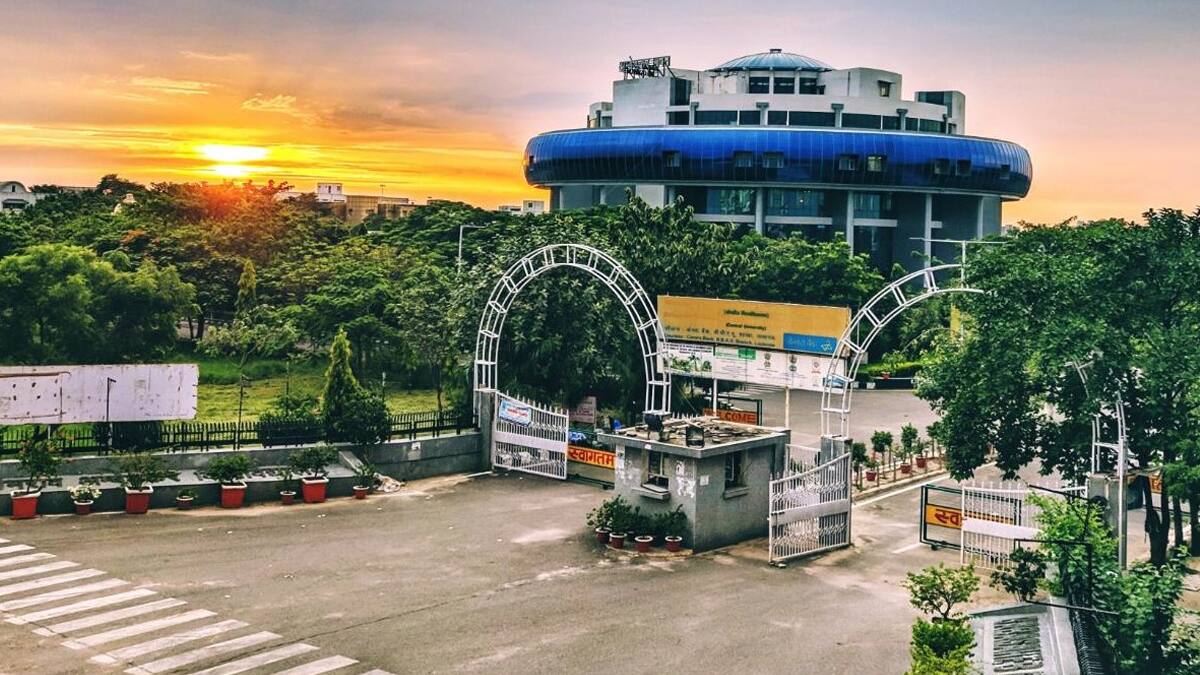
Campus Times | LucknowLucknow: Babasaheb Bhimrao Ambedkar University (BBAU) has partnered with the University of South Wales, Cardiff (UK), opening new opportunities for students to pursue dual degrees and participate in joint research and academic projects. The collaboration marks an important step towards strengthening international academic ties and expanding global exposure for BBAU students.The university has also approved its participation in the proposed Jean Monnet EU–India Network (JMEUIN). BBAU Dean of Academic Affairs Prof. S. Victor Babu said the proposal was presented by Prof. Christian Kunnert of the University of South Wales and aims to promote interdisciplinary research, academic mobility, curriculum innovation, and policy-oriented academic dialogue.BBAU spokesperson Rachna Gangwar said the collaboration will significantly strengthen academic research and enhance the university’s global academic presence. She noted that such partnerships play a crucial role in preparing students for global challenges while also raising the university’s academic profile on the international stage.
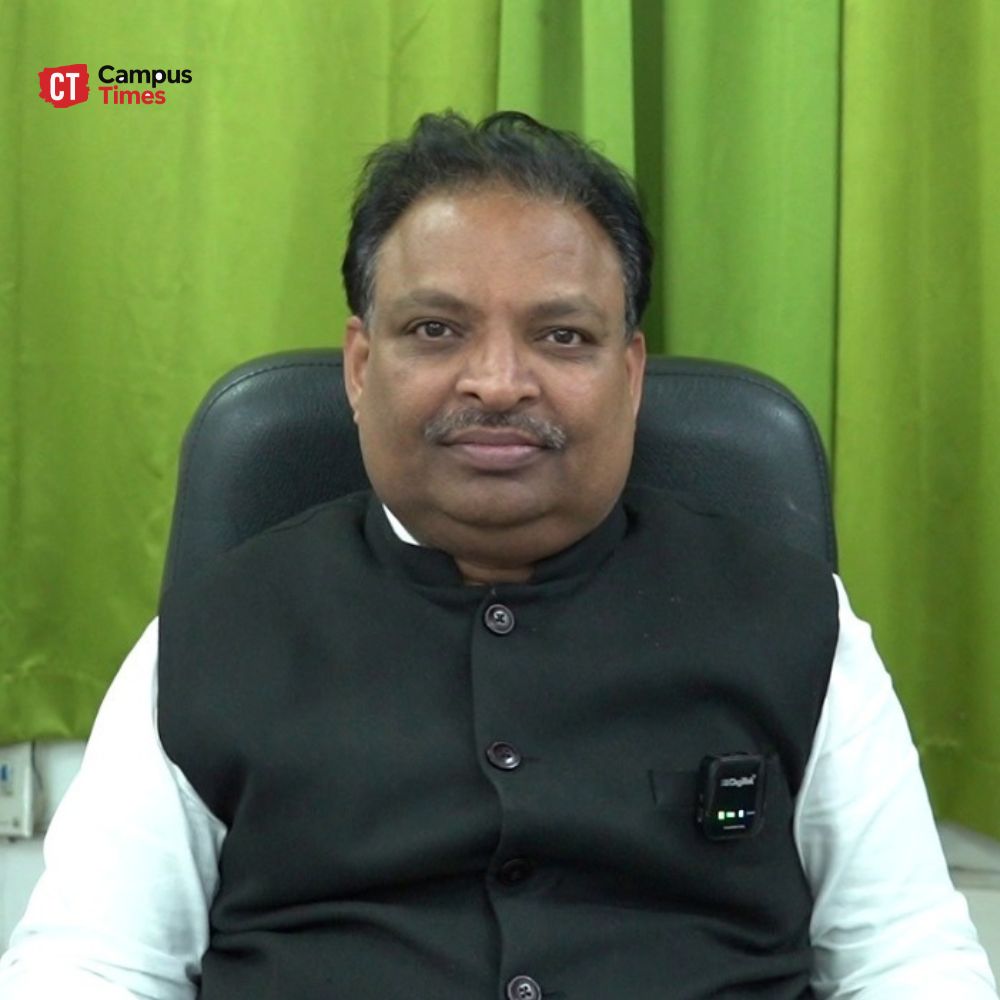
Campus Times | LucknowProfessor Govind Ji Pandey, Head of the Department at Babasaheb Bhimrao Ambedkar University (BBAU), Lucknow, has shared a nuanced and balanced perspective on the proposed UGC Caste Discrimination Bill, describing it as a legislation rooted in justice and equality, but one that requires certain refinements to address concerns of all sections of students.Speaking on the issue, Prof. Pandey said that laws and guidelines aimed at preventing caste-based discrimination have existed for a long time and their intent has always been positive. However, he pointed out that some provisions in the current UGC guidelines may lead to one-sided outcomes, which could create anxiety among students from the general category.He stressed that general category students should not be viewed as offenders by default and must be given the right to file complaints against false or malicious allegations. “If such safeguards are not ensured, the system may become imbalanced and could result in unnecessary distress for students,” he noted.Referring to the University Grants Commission (UGC) guidelines, Prof. Pandey said that while the spirit behind the guidelines is commendable, certain gaps need to be addressed to ensure that concerns of the general category are adequately resolved. According to him, Indian universities must remain spaces where education and free thinking continue to flourish without fear or prejudice.He also recalled that after the Rohith Vemula case, the Supreme Court of India had issued guidelines to protect students belonging to Scheduled Castes and Scheduled Tribes. In the current framework, these protections have been extended to include Other Backward Classes (OBCs) and Economically Weaker Sections (EWS) as well.However, Prof. Pandey raised an important question: if all major social categories are covered under the guidelines, who remains outside their ambit? “Are we to assume that a very small group of students is responsible for discrimination against
.webp)
Campus Times | LucknowToday, the national-level Bharat BoudhIKS Examination 2026 was successfully conducted at 10 examination centres located in various higher education institutions across the city of Lucknow. The examination was jointly organized by the University of Delhi and Vidya Bharati Higher Education Institute. The responsibility of coordination in Lucknow was handled by Vidya Bharati Higher Education Institute, Eastern Uttar Pradesh.Bharat BoudhIKS Examination Promoting Indian Knowledge TraditionsThe objective of the Bharat BoudhIKS Examination is to develop intellectual understanding among students towards the Indian Knowledge Tradition and to integrate Indian philosophy, culture, science, art, and social thought with the modern education system. Undergraduate, postgraduate, and research students from various universities and colleges of Lucknow participated enthusiastically in the examination. More than 2,000 students appeared for the exam, reflecting its wide acceptance and academic importance.Bharat BoudhIKS Examination Pattren & FeeThe examination was conducted in offline mode with a duration of two hours. The question paper was divided into two sections: the first section consisted of multiple-choice questions, while the second section included one descriptive question to be answered within a prescribed word limit. The syllabus was based on themes related to the Indian Knowledge Tradition, covering diverse dimensions of philosophy, history, science, society, art, and culture. The registration fee for each candidate was fixed at ₹100. Visit bharatboudhiks.comAcademic Leaders and Institutions Collaborate for Successful Bharat BoudhIKS Examination The examination in Lucknow was organized at prominent higher education institutions including Dayanand Bakhtawar Degree College, Bakhtawar; Navya Kanya Mahavidyalaya, Rajendra Nagar; The English and Foreign Languages University; Faculty of Law, University of Lucknow; M.L.K. P.G. College, Balrampur; Khwaja Moinuddin Chishti Language University; Aryaka Group of Colleges; Dr. Ram Manohar Lohia P.G. College, Hardoi; Pt. Deen Dayal Upadhyay P.G. College, Rajaji Puram; and centres affiliated with Netaji Subhash Chandra Bose.The examination was conducted smoothly under
Campus Times | LucknowThe decision was taken by the NTA in response to requests from students across the country. Many candidates were unable to complete their applications on time due to technical glitches and other unforeseen issues. The extension has come as a major relief, especially for students whose payments failed or remained pending till January 31 for various reasons.Important information should be noted New Last Date to Apply: February 4, 2026 (up to 11:50 PM)Last Date for Fee Payment: February 7, 2026 (up to 11:50 PM)Correction Window (Edit Application Details): February 9 to February 11, 2026Tentative Examination Dates: Between May 11 and May 31, 2026Mode of Examination and Test Centres as per the official notificationThe CUET UG 2026 examination will be conducted in Computer-Based Test (CBT) mode, meaning candidates will have to take the exam on a computer. The test will be held across various cities in India as well as in 15 international cities abroad.How to Apply for CUET UG 2026Visit the Official Website: Go to the official CUET website at cuet.nta.nic.in.Click on Registration Link: On the homepage, click on ‘Registration for CUET (UG) 2026Complete Registration: Enter your name, mobile number, email ID, and address to register yourself.Log In and Fill Details: Use the registration ID to log in and fill in your academic details and select the preferred universities.Pay the Application Fee: Pay the examination fee using a credit card, debit card, or net banking.Download Confirmation Page: After submission, make sure to download and save the confirmation page for future reference.A Golden Opportunity for AdmissionThrough CUET UG, students can secure admission to top central universities in the country such as Delhi University (DU), Jawaharlal Nehru University (JNU), and Banaras Hindu University (BHU), along with several state, private, and deemed universities.
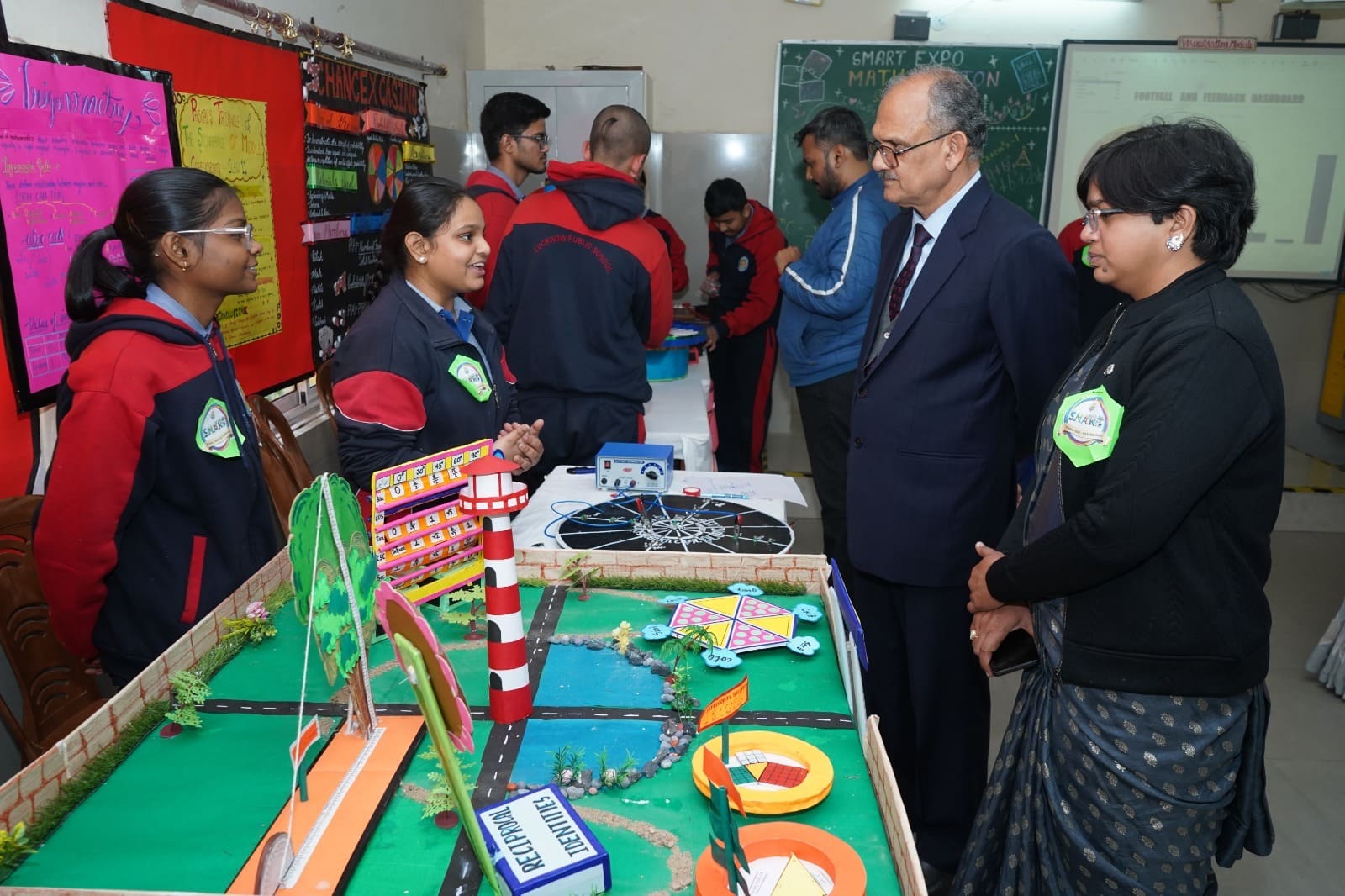
Campus Times | LucknowThe exhibition successfully bridged classroom learning with real-world application, offering students a vibrant platform to present complex academic concepts through hands-on models, artistic expression, and technological innovation. Parents, educators, and visitors witnessed a dynamic blend of academic rigor and creative brilliance across the campus.A Campus Transformed into a Hub of InnovationThe Sector D campus of Lucknow Public School was transformed into a lively gallery of ideas and imagination. Students across all age groups presented an impressive range of projects in science, mathematics, and fine arts, turning the school premises into an interactive learning space filled with color, intellect, and curiosity.From conceptual models to working prototypes, the exhibition highlighted students’ problem-solving abilities and forward-thinking approach, reinforcing the school’s focus on holistic education.Chief Guest Appreciates Student IngenuityThe event was graced by Ajay Pant, member of the Lucknow Public School Management Committee and former Deputy Commissioner of the Kendriya Vidyalaya Sangathan.During an extensive walkthrough of the exhibition, Mr. Pant interacted closely with students, engaging them with insightful questions about their models and concepts. He praised their innovative thinking and artistic presentation, emphasizing the importance of experiential platforms in nurturing critical thinking and intellectual curiosity among students.Art, Mathematics, and Science in Perfect HarmonyThe exhibition was divided into thoughtfully curated sections:Art Wing: Featured handmade paintings, fine art pieces, fabric designs, and ceramic work, reflecting creativity and craftsmanship.Mathematics Zone: Students simplified complex theories through interactive games, puzzles, and models, making mathematics engaging and accessible.Science Wing: Showcased advanced projects on sustainable development, including smart city models, rainwater harvesting systems, Bluetooth-controlled robots, holograms, and functional blood testing units.Interactive Displays Capture Audience AttentionYoung learners added a unique charm to the exhibition by explaining their artwork through poetic recitations. Interactive installations such as the Magic Tap, invisible ink experiments, and optical illusion setups using mirrors and
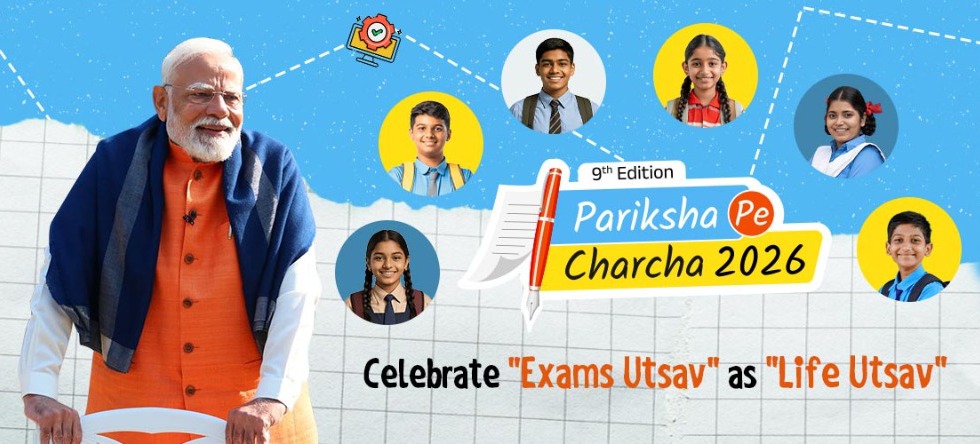
Campus Times|LucknowThis year marks the ninth edition of Pariksha Pe Charcha. According to official data, more than 4.5 crore students have registered for the programme so far, while over 28 lakh teachers have also signed up to participate.A key highlight of Pariksha Pe Charcha 2026 is its new format. For the first time, the Prime Minister will not address participants from a single venue. Instead, he will interact with students from multiple locations across the country, giving the programme a broader national reach. In previous years, the event was traditionally held at the Talkatora Stadium in New Delhi.The Ministry of Education shared details of the revamped format on social media platform X, stating that the new approach aims to transform the interaction into a truly nationwide experience. The ministry noted that when students from across the country directly share their concerns with the Prime Minister and receive guidance, it helps boost their confidence and enables them to view examinations as a natural part of life rather than a source of fear.Students from Class 6 onwards, along with teachers and parents, are eligible to participate in the programme.The live broadcast of Pariksha Pe Charcha 2026 will be aired on DD National, DD News, DD India, and several leading private television channels. The programme will also be streamed live on All India Radio, and the official websites of the PMO, Ministry of Education, Doordarshan and MyGov. In addition, viewers can watch the interaction on YouTube (MoE), Facebook Live, and Swayam Prabha channels.
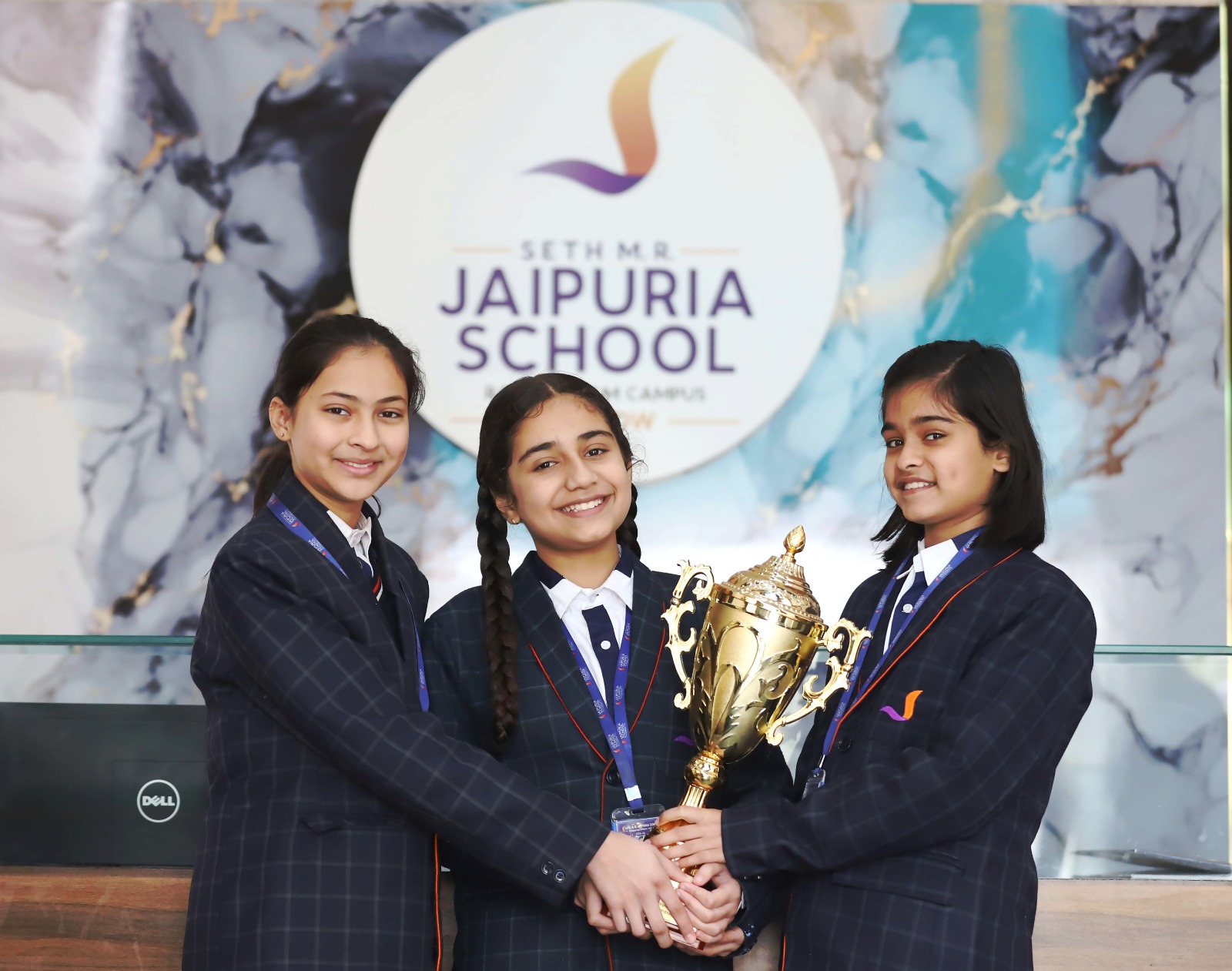
Campus Times | LucknowThe story of the Jaipuria Group began in 1945, marking the foundation of a timeless legacy built on values, vision, and social responsibility. From its early days, the group emerged as a benchmark for innovation, efficient management, and philanthropy, with diversified interests spanning textiles, power, and education. This strong foundation laid the groundwork for what would later become one of India’s most respected educational networks.Establishing Strong Educational RootsThe 1990s marked a defining phase in the Jaipuria Group’s journey with its formal expansion into school education. Seth M.R. Jaipuria School emerged as a pioneer in delivering high-quality, value-driven education at a national level. Beginning its academic journey in Lucknow in 1992, the Jaipuria Schools network has since expanded rapidly.Today, the network proudly encompasses 60+ schools, 55,000+ students, 110,000+ happy parents, and a thriving community of 20,000+ alumni across the country—reflecting the deep trust families place in the Jaipuria education system.Recognition That Speaks VolumesThe Jaipuria Schools’ unwavering commitment to excellence has earned national and international recognition:Ranked No.1 in Uttar Pradesh (Education World, 2023)First Indian school to be featured by GGSC, University of California, BerkeleyIndia’s Best School Chain (ScooNews, 2023)These accolades are a testament not only to academic achievement, but also to a sustained focus on innovation, quality, and student-centric learning.Rajajipuram Campus: Education with PurposeAt Seth M.R. Jaipuria School, Rajajipuram, education goes far beyond textbooks and examinations. The school believes that the formative years spent in classrooms play a crucial role in shaping character, competence, and worldview. With this belief comes a deep sense of responsibility—to nurture not just academically accomplished learners, but ethical, confident, and responsible global citizens.Driven by innovation, creativity, and entrepreneurship, the school encourages students to think beyond the ordinary, question fearlessly, and strive for excellence. A holistic curriculum, enriched with experiential learning and strong value systems,
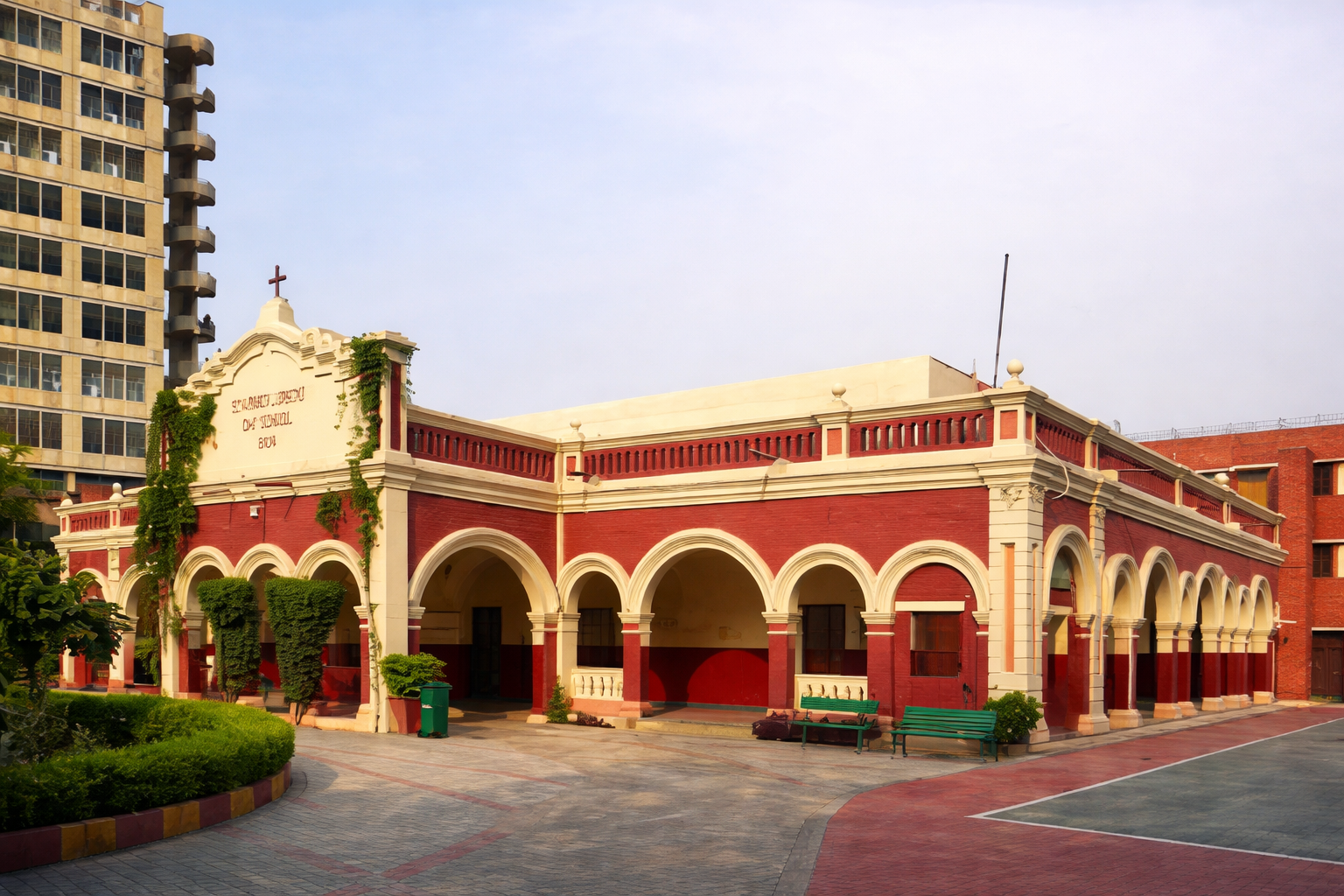
Campus Times|LucknowThe school is recognised by the Secondary Education Department of Uttar Pradesh (Anglo-Indian Board) and is affiliated to the Indian Certificate of Secondary Education (ICSE) and Indian School Certificate (ISC), New Delhi. With more than 100 years of service in the field of education, the institution has played a significant role in shaping generations of young women in the region.Mary Ward: The Vision Behind Loreto EducationTo understand the spirit of St. Agnes’ Loreto Day School, one must look back to Mary Ward, the foundress of the Institute of the Blessed Virgin Mary. Born in 1585 in England during a period of religious persecution, Mary Ward firmly believed in the importance of educating women. Her conviction that “women in time to come will do much” became the foundation of Loreto education worldwide.Despite facing opposition, suppression of her institute, and even imprisonment, Mary Ward remained steadfast in her mission. Her ideals of integrity, justice, freedom, and faith continue to guide Loreto institutions across the globe.From Europe to India: The Loreto JourneyThe Loreto mission reached Ireland in the early 19th century through Frances Ball, later known as Mother Teresa Ball, who established the first Loreto house there in 1821. Loreto education arrived in India in 1841 when Mother Teresa Ball sent a group of young sisters under the leadership of Delphine Hart to Calcutta, marking the beginning of Loreto’s presence in North India.Foundation of St. Agnes’ Loreto Day SchoolLoreto Convent, Lucknow, was established in 1872. The need to educate children from less affluent Anglo-Indian families led to the founding of St. Agnes’ Loreto Day School. The school was established by its first Principal, Sr. Claire Miller, and named after Saint Agnes. It was formally opened on 4 October 1904 in a rented building near Baradari.The present school building, designed by architect Labanti,
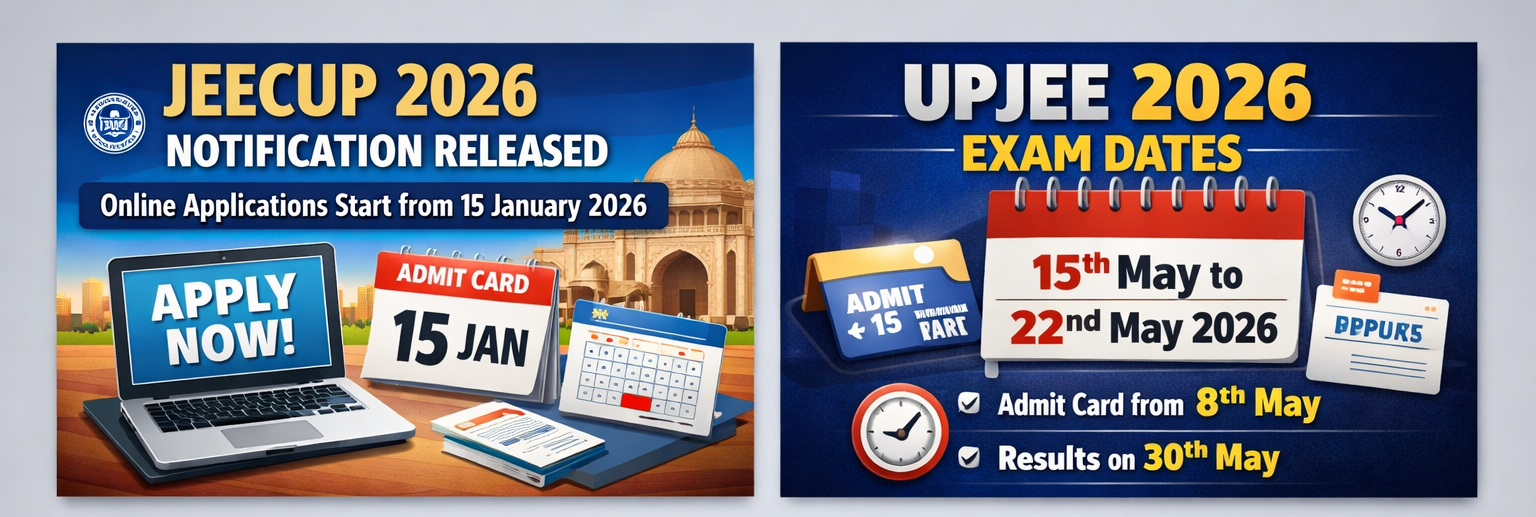
Campus Times| LucknowAs per the JEECUP (UPJEE) 2026 notification, the online application process will begin on 15 January 2026. Eligible candidates can submit their application forms till 30 April 2026. The last date to pay the application fee is also 30 April.For students who make mistakes while filling the form, the council has opened a correction window from 26 April to 30 April 2026, during which details in the application can be edited.Exam ScheduleThe JEECUP 2026 examination will be conducted between 15 May and 22 May 2026. Admit cards will be available for download from 08 May 2026. The results are expected to be declared on 30 May 2026.The counselling process for admission will begin from 31 July 2026.Application Fee₹300 for General, OBC, and EWS category candidates₹200 for SC and ST category candidates(Bank charges will be applicable separately. The fee can be paid online through Debit Card, Credit Card, Internet Banking, IMPS, or Mobile Wallets.)Age EligibilityCandidates must be at least 14 years old as on 01 July 2026. There is no upper age limit for appearing in the examination. Applicants should be born on or before 01 July 2012 to be eligible.JEECUP is a state-level entrance exam conducted for admission to various diploma-level technical and non-technical courses. Students are advised to read the complete notification carefully and regularly check the official JEECUP website for updates related to eligibility, syllabus, exam pattern, and counselling details.
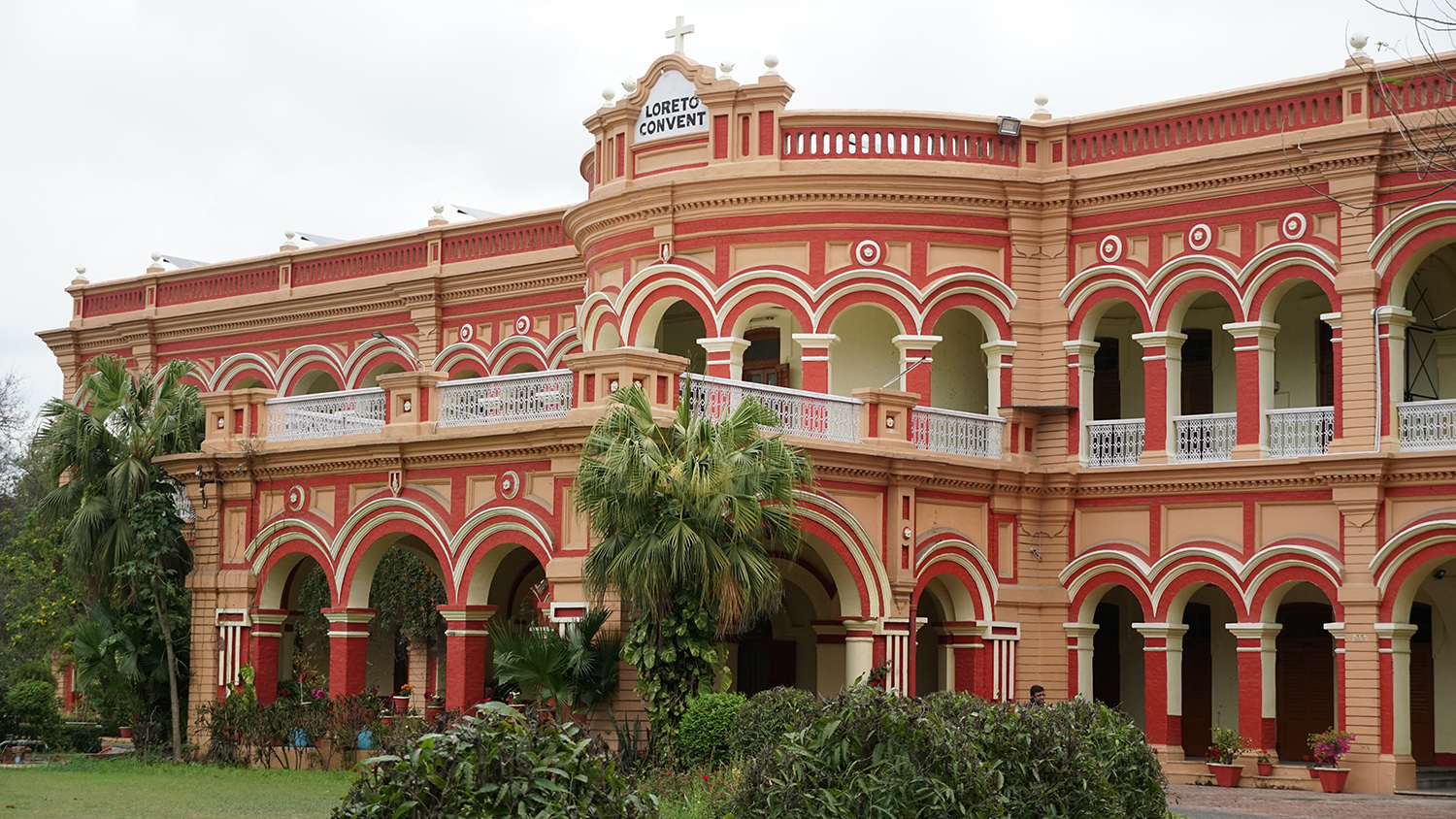
Campus Times | LucknowDuring the 18th century, the Institute expanded across Europe and England. In 1821, Frances Teresa Ball introduced the Order to Ireland and named the first foundation Loreto—a name that has since been carried by Loreto institutions worldwide.The Loreto Sisters arrived in India in 1841, establishing schools across eastern and northern India, including the institution in Lucknow.Purpose and Educational PhilosophyThe primary mission of the Loreto Order is the education of the girl child, welcoming students of all denominations, castes, and communities.The school aims to provide sound moral education while nurturing each student’s intellectual, social, emotional, physical, and spiritual growth.Education at Loreto goes beyond academics. The school seeks to instil a culture of sincerity, thoughtful reflection, and responsible action—preparing students to engage meaningfully with society.The Loreto Educational VisionLoreto Education is committed to: Offering holistic education that encourages truth-seeking and social justice Empowering students to realise their full potential and use their talents responsiblyPromoting academic excellence alongside moral, emotional, and physical developmentDeveloping a sense of integrity, justice, discipline, and respect for lawful authorityForming young women who are sensitive to the needs of the underprivilegedCore Values and Social CommitmentIntegrity, justice, freedom, and love are central to the educational process at Loreto. Parents who choose this school are expected to share and support these values and to be prepared to live by them. A special focus of the institution is its commitment to the most deprived sections of society, enabling them to find their place with dignity and confidence.Inspired by Mary WardThe school draws continuous inspiration from Mary Ward, whose belief in the power of women’s education continues to guide the Loreto mission today. While the education of Catholic girls remains the primary purpose of the Order, the school remains open to students of all faiths, fostering inclusivity and mutual respect.Distinctive School
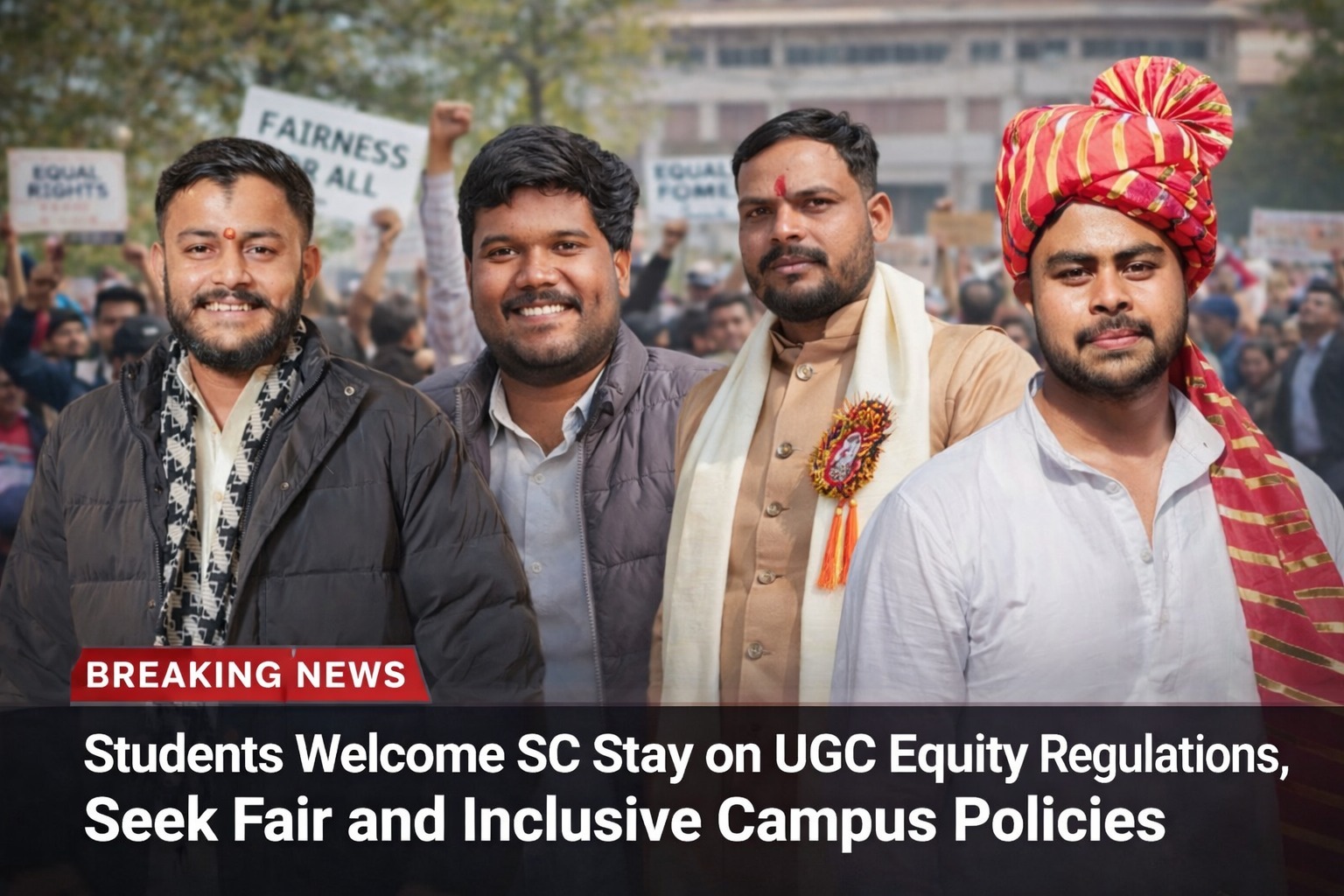
Campus Times | LucknowAt Lucknow University, student leaders and active campus voices expressed relief, stating that while addressing discrimination is necessary, regulations must be clear, balanced, and uniformly applicable to avoid creating new fault lines within educational institutions.Student leader Aryan Mishra said that any equity framework should treat students from all communities equally. He added that concerns regarding the regulations had been raised earlier with senior leadership and noted that the court’s intervention has revived hope for meaningful and positive reform. “Universities should be spaces of learning and unity, not division,” he said.Aman Dubey, a PhD scholar in the Department of Political Science, echoed similar views, emphasising that campuses must uphold dignity and equality for every student. While speaking out against discrimination is essential, he said policies should strengthen social harmony on campus rather than intensify differences.Student leader Jatin Shukla also welcomed the stay, saying it reflected a sensitive approach towards students’ concerns. He noted that decisions impacting higher education should prioritise fair opportunities and student welfare without disadvantaging any particular group.Adding a political perspective aligned with student sentiment, BJP member Anurag Tiwari said the Supreme Court’s order was welcome and expressed hope that necessary amendments would be made to the equity bill. He stressed that the changes should ensure the protection of all sections of society and promote inclusive development, rather than favouring any one group.Students further pointed out that ongoing protests and uncertainty around the regulations could disrupt the academic environment. Many called for a consultative approach, involving students, teachers, and education experts, before any revised regulations are finalised.During the hearing, the Supreme Court sought a response from the government and suggested a deeper review of the contentious provisions. For students, the stay is being viewed not merely as a legal pause, but as a chance to build

New Delhi:A Bench headed by the Chief Justice of India (CJI) issued notices to the University Grants Commission (UGC) and the Central Government, seeking their response within 15 days. The court noted that if it did not intervene at this stage, the regulations could create social divisions and result in dangerous outcomes.During the hearing, the CJI remarked that certain terms used in the UGC Regulations 2026 give an impression that the provisions are open to interpretation and misuse. The Bench emphasized that regulatory frameworks governing higher education must be clear, balanced, and free from ambiguity to prevent arbitrary application.Taking note of the concerns raised, the Supreme Court ordered a temporary suspension of the regulations until further consideration. The matter will be taken up for detailed hearing after the responses are filed by the UGC and the government.The stay has brought immediate relief to petitioners who had challenged the regulations, arguing that they could have far-reaching implications for academic freedom and institutional autonomy. Further proceedings in the case are expected once the court examines the justifications submitted by the authorities.The case will be heard next after the completion of the notice period.
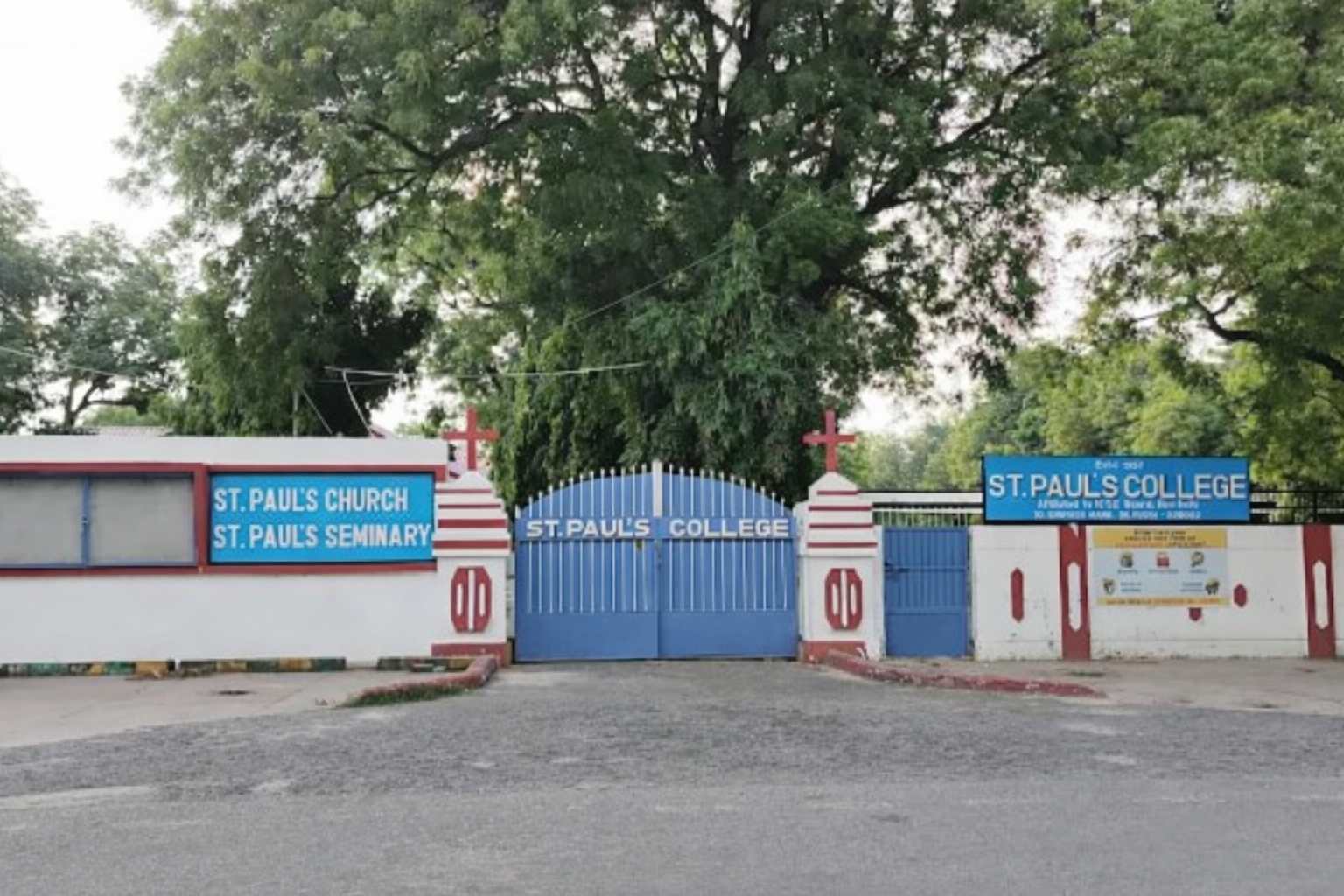
Campus Times | LucknowThe institution was founded with the aim of providing modern education, particularly to Catholic students, while preserving their religion, language and culture. At the same time, the college remains open to students from all communities, regardless of religion or caste.The campus has facilities such as science laboratories, computer labs, spacious classrooms and a well-stocked library. Along with academics, the college places strong emphasis on character formation and discipline. School authorities say students are encouraged to follow high moral standards, polite conduct and ethical values as part of their daily learning.Religious instruction is provided to Catholic students, while others attend moral education classes designed to promote shared human values. The focus, according to the college, is on balanced development, combining academic learning with social and moral awareness.St. Paul’s College is affiliated with the Council for the Indian School Certificate Examinations and prepares students for ICSE (Class X) and ISC (Class XII) examinations.Outside the classroom, equal importance is given to sports and physical training. The college has large playgrounds and facilities for games such as hockey, football, cricket, volleyball, basketball, badminton and athletics. Teachers and staff say these activities help students develop teamwork, discipline and confidence, preparing them to become responsible citizens.Institute SnapshotEstablished: 1957Management: The Catholic Diocese of LucknowAffiliation: CISCE, New DelhiLocation: 10, Subhash Marg, Cantt, Lucknow, (U.P.)Contact: 05222-975137, 9415444829Email: stpaulslko@rediffmail.comWebsite: https://stpaulcollege.edu.in/
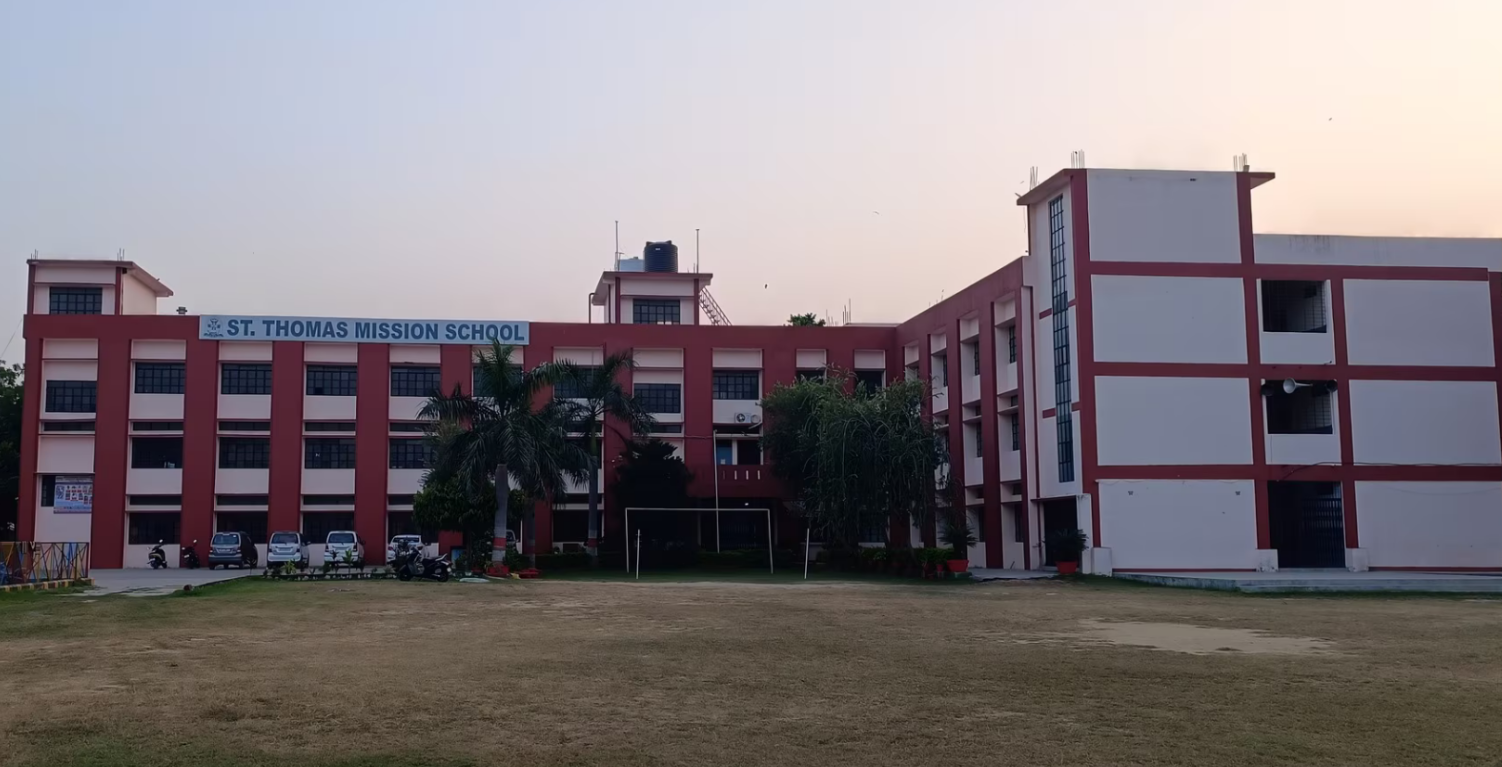
Campus Times | LucknowChristian tradition in India traces its origins to St. Thomas, one of the twelve Apostles of Jesus Christ, who is believed to have arrived on the Indian subcontinent in 52 AD. Over centuries, the Church established by him has continued to follow the core principles of Christian faith while remaining closely connected to Indian culture and social life. The Orthodox Church, in particular, has maintained continuity in faith, ethics, and traditions, while adapting to changing times.Social and Educational Role of the Orthodox ChurchAlongside religious activities, the Orthodox Church in India has been actively involved in social service. Its work in education and healthcare has played a visible role in many regions. Schools and medical institutions run by the Church focus on service-oriented values, community welfare, and inclusive development.Background of St. Thomas Mission High SchoolSt. Thomas Mission High School is named after St. Thomas the Apostle and is managed by the Mar. Gregorios Orthodox Syrian Church Society under the Delhi Diocese. The school functions as part of the Indian Orthodox Church’s educational initiatives and serves students from different backgrounds while retaining its Christian minority status.Recognition and AffiliationThe institution, bearing School Code UP-264, is a Christian minority school managed by the Delhi Diocesan Council (Registered) of the Indian Orthodox Church. It is officially recognized by the Directorate of Education, Government of Uttar Pradesh, and is affiliated with the Council for the Indian School Certificate Examinations (CISCE), offering ICSE and ISC examinations for Classes X and XII.Location and Campus SettingSt. Thomas Mission School is located in Sector-H, Jankipuram, a centrally placed residential area of Lucknow. The location makes it accessible for parents and guardians from nearby localities. The campus is spread across a spacious area with academic buildings, playgrounds, and greenery along the boundary, contributing to a calm learning environment.Infrastructure

Campus Times|LucknowCareer experts say this shift is already visible in hiring patterns and salary structures. Professionals who understand AI basics and can apply them responsibly are finding themselves better placed than those who avoid the technology. Rather than replacing jobs outright, AI is changing job roles—and those who adapt early are gaining an edge.At the workplace level, AI is now being used for data analysis, planning, communication, and operational support. Managers and team leaders are also turning to AI-driven systems to track performance and improve coordination. This has made AI knowledge relevant not just for technical roles, but for professionals across management, administration, media, education, and services.According to industry observers, personal growth and organisational progress now go hand in hand with responsible AI use. However, they also point out that effective use of AI depends on understanding its limits, risks, and ethical concerns.Key AI Skills Becoming ImportantProfessionals looking to stay relevant are being advised to focus on a few core areas:Basic understanding of AI: Knowing how AI systems work, including machine learning concepts, helps users interpret results instead of blindly trusting them.Awareness and responsibility: Ethical use, respect for privacy, and knowledge of government guidelines are becoming essential in daily AI use.Data security and privacy: With increasing concerns around misuse of personal data, understanding data protection practices is critical.Data literacy: AI works on data, and professionals need to know how to read, question, and correctly use it. Clear instructions or prompts also improve results.Leadership and decision-making: For those in senior roles, AI is emerging as a support system for planning, forecasting, and managing change.Transparency and ethics: Understanding how AI decisions are made helps avoid errors and unexplained outcomes.Bias control: Identifying bias in AI-generated outputs is necessary to ensure fairness and accuracy.Regulatory awareness: Keeping track of changing AI laws and standards helps
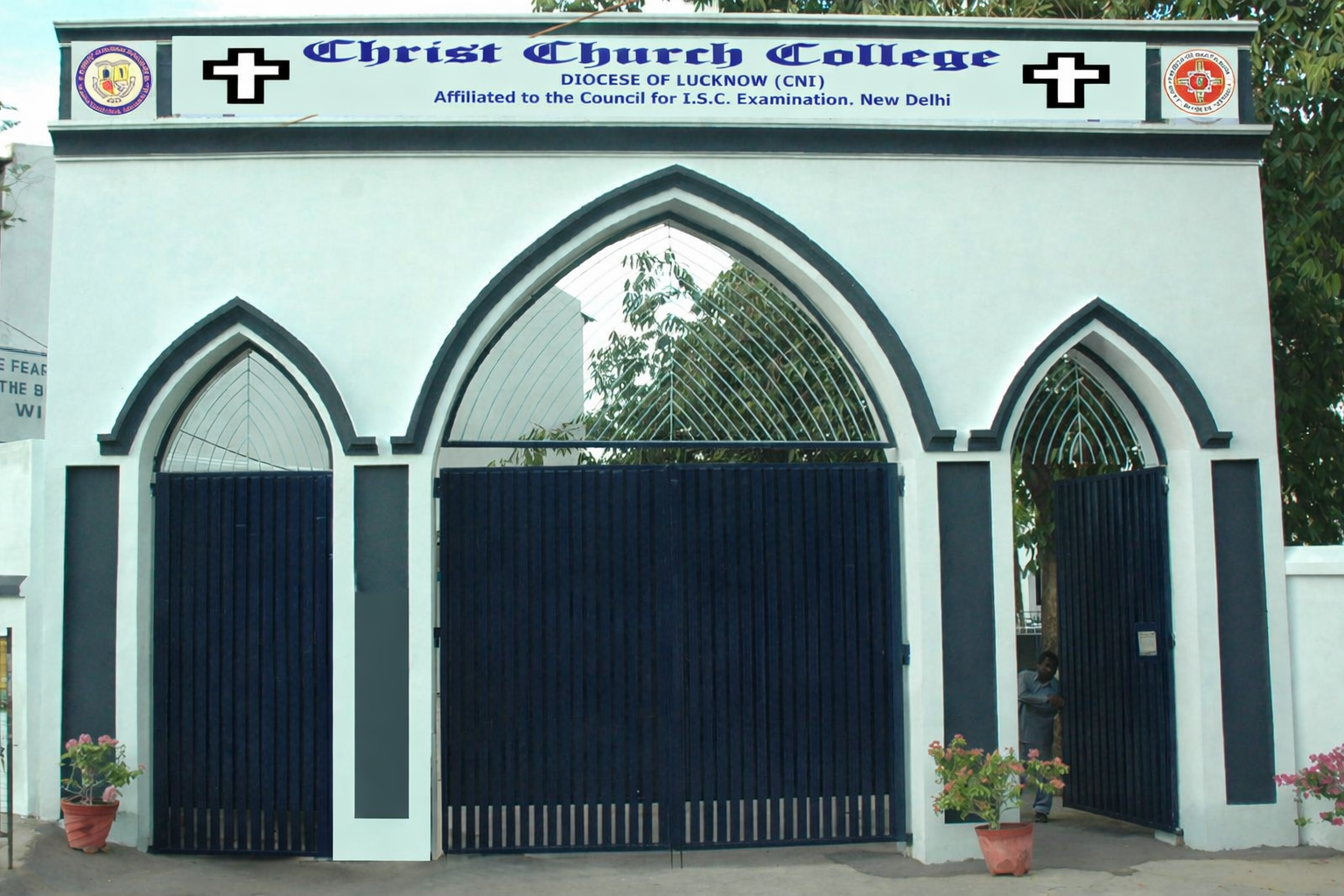
Campus Times|Lucknow Christ Church College, one of Lucknow’s long-standing educational institutions, began its journey in a modest setting nearly one and a half centuries ago. The institution started in 1878 as a small Anglo-Indian school with only two students. It was founded by Mr. H. McConoghey at Cantonment Road, Lucknow, at a time when formal education facilities in the area were limited.Institutional Registration and Management ControlThe school was formally registered as the Christ Church McConoghey School Society, Lucknow under the Societies Registration Act XXI of 1860. Administrative control was placed under the Diocese of Lucknow, Church of North India (C.N.I.), with its head office located at 25, M.G. Road, Allahabad. Over the years, this framework helped the institution maintain continuity in management and academic direction.A Phase of Structural and Academic DevelopmentA major turning point came on 31 January 1939, when the foundation stone of the college at its present location was laid by Lady Haig. For many years after that, the school functioned only up to Class VIII, catering mainly to local families. The academic structure expanded gradually, and by 1967, the institution was upgraded to an Intermediate College, allowing students to pursue higher secondary education on campus.Infrastructure development gathered pace in the 1960s. A new building was added in 1960 and was inaugurated by the Lord Bishop of Lucknow. This phase marked the beginning of systematic growth. Science education received special attention with the establishment of Physics, Chemistry, and Biology laboratories, which improved classroom learning and practical exposure for students.Infrastructure Development and Academic AffiliationFurther construction took place during the tenure of Mr. J. M. Ledlie, who served as Principal during a period of steady expansion. In 1972, a Principal’s Residence was built within the college premises. The Din Dayal Auditorium and the Administrative Block were also constructed during this

Campus Times/Lucknow: Many students find the path to a successful legal career difficult because of limited exposure to practical training. To address this gap, several institutions across India now focus on internships, moot courts, legal aid clinics, and research-based learning along with regular classroom teaching.According to the NIRF Ranking 2025, the following institutions are counted among the country’s top law colleges:National Law School of India University (NLSIU), BengaluruNational Law University (NLU), DelhiNALSAR University of Law, HyderabadThe West Bengal National University of Juridical Sciences (WBNUJS), KolkataGujarat National Law University (GNLU), GandhinagarIndian Institute of Technology Kharagpur (IIT Kharagpur)Symbiosis Law School Pune, PuneJamia Millia Islamia, New DelhiAligarh Muslim University, AligarhSiksha O Anusandhan (SOA), BhubaneswarStudents studying in these institutions report better exposure to court procedures, legal drafting, and case analysis through structured training programs. Faculty members, many of whom have courtroom or policy-level experience, play a key role in guiding students beyond theory.Admission to these colleges is competitive, but for students serious about law, they offer an environment where academic learning is closely linked with real-world legal practice.
Campus Times/Lucknow: The University Grants Commission (UGC) has notified the UGC (Promotion of Equity in Higher Educational Institutions) Regulations, 2026, aiming to prevent caste-based discrimination and promote equality across Indian universities and colleges.Under the new rules, all higher education institutions must establish an Equal Opportunity Centre (EOC) and an Equity Committee on campus. These bodies will address complaints related to discrimination and ensure inclusive access to education. The committees must include representation from SC, ST, OBC, women, and persons with disabilities, ensuring inclusive decision-making.For the first time, Other Backward Classes (OBCs) have been explicitly included within the legal definition of caste-based discrimination, alongside Scheduled Castes and Scheduled Tribes. The regulations also broaden the definition of discrimination to include both direct and indirect unfair treatment based on caste, religion, gender, birthplace, or disability.Institutions are required to submit six-monthly and annual compliance reports to the UGC. Non-compliance may invite strict penalties, including exclusion from UGC schemes, suspension of degree or online programmes, or withdrawal of UGC recognition.The move has triggered mixed reactions. While social justice groups have welcomed the regulations as a strong step toward equality, some organisations representing general category students have raised concerns over possible misuse, lack of safeguards against false complaints, and potential impact on institutional autonomy.According to official data, complaints related to caste-based discrimination in higher education have risen by over 118% in the last five years, a trend cited by UGC as the key justification for the new regulations.Experts say that if implemented with fair procedures, transparency, and safeguards for all stakeholders, the UGC Equity Regulations 2026 could mark a significant step toward building inclusive, discrimination-free campuses across India.
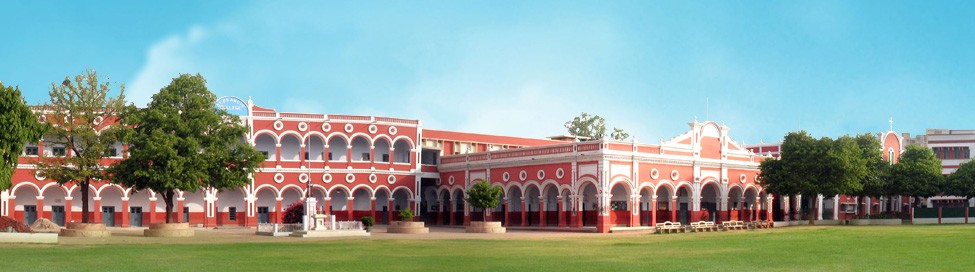
Campus Times/Lucknow: St. Francis’ College founded with the vision of imparting modern education primarily to Catholic students while preserving their religion, language, script, and culture, St. Francis’ College has, over time, evolved into an institution that welcomes students from all religions, castes, and communities. This inclusive philosophy has enabled the college to mirror the pluralistic spirit of Indian society while remaining firmly rooted in its founding values.A Campus That Nurtures Learning and Well-beingThe college enjoys a strategic location in Hazratganj, making it easily accessible for parents and guardians across the city. Spread across a spacious and well-maintained campus, the institution is known for its artistic and imposing buildings, expansive playgrounds, and mature trees lining the boundaries—creating a serene environment conducive to both learning and good health.Academically and infrastructurally, St. Francis’ College is equipped with modern science laboratories, spacious classrooms, a well-stocked library, and a fully equipped computer lab, ensuring students are exposed to contemporary learning resources. Physical education and sports form an integral part of campus life, supported by a gymnasium with wooden flooring, indoor badminton and table-tennis courts, basketball and volleyball courts, extensive playgrounds for football, hockey, cricket, athletics, and a well-maintained swimming pool.Education Beyond the ClassroomThe institution strongly believes that education is not limited to academic achievement alone. The college aims to provide value-based, wholesome education that nurtures intellectual excellence while shaping the moral, social, and emotional development of students. Teachers and administrators focus on instilling discipline, integrity, social responsibility, and citizenship—qualities that remain with students long after they leave the campus.From Humble Beginnings to a Trusted LegacyThe journey of St. Francis’ College began humbly on 26 April 1885, when Rev. Fr. Norbert, O.F.M. Cap., then Parish Priest of St. Joseph’s Church, Hazratganj, took under his care two destitute children—Isaac and Charles Claudius—and began teaching them personally. What
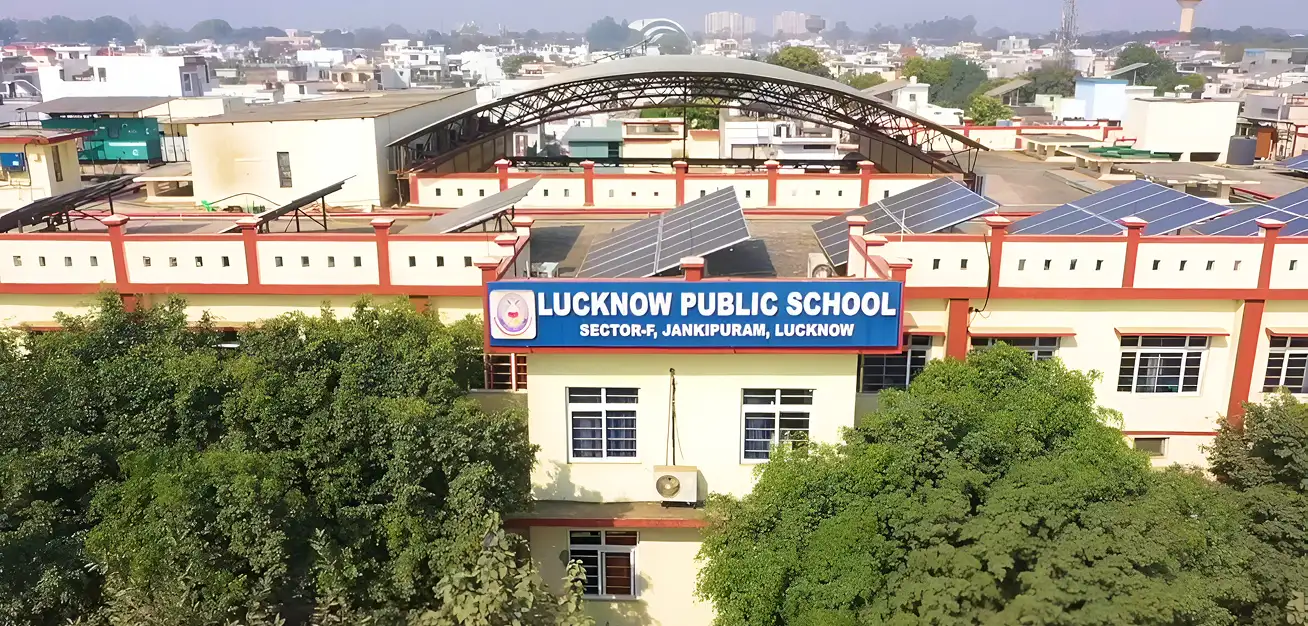
Campus Times | LucknowLucknow Public School (C.P. Singh Foundation) began its journey in 1988, at a time when private school education in the city was still limited to a few pockets. Starting from a single campus, the institution has grown steadily over the years into a network of 10 branches across Uttar Pradesh by 2023. The growth of LPS has been gradual and need-based. From the beginning, the focus remained on providing value-based education with an emphasis on discipline, empathy, and academic consistency. Over the decades, the school expanded not only in physical presence but also in reach, serving students from different social and economic backgrounds.The Man Behind the IdeaThe foundation of Lucknow Public School was laid by Late Shri C.P. Singh, whose approach to education was shaped by discipline and public service rather than commercial ambition. Those who worked with him recall that his intention was never limited to opening a school building, but to create an institution that could shape responsible citizens.His belief was clear and often repeated:“A disciplined child never fails in life.”This thought guided the functioning of the school from its early years.Education Beyond the ClassroomAt LPS, academics were always important, but they were not treated as the only measure of success. Daily routines such as morning assemblies, dress code, punctuality, and classroom conduct were designed to instil a sense of responsibility and respect.Teachers and former students note that values like humility, service, and self-discipline were treated as part of everyday learning, not as separate lessons. Discipline, in this sense, became habitual rather than enforced.Expansion Driven by Need, Not InvestmentThe second campus of Lucknow Public School was opened in 1997 at Ashiana, Sector-I. According to school records and staff accounts, resources were limited at the time. The decision to open another branch was taken mainly to
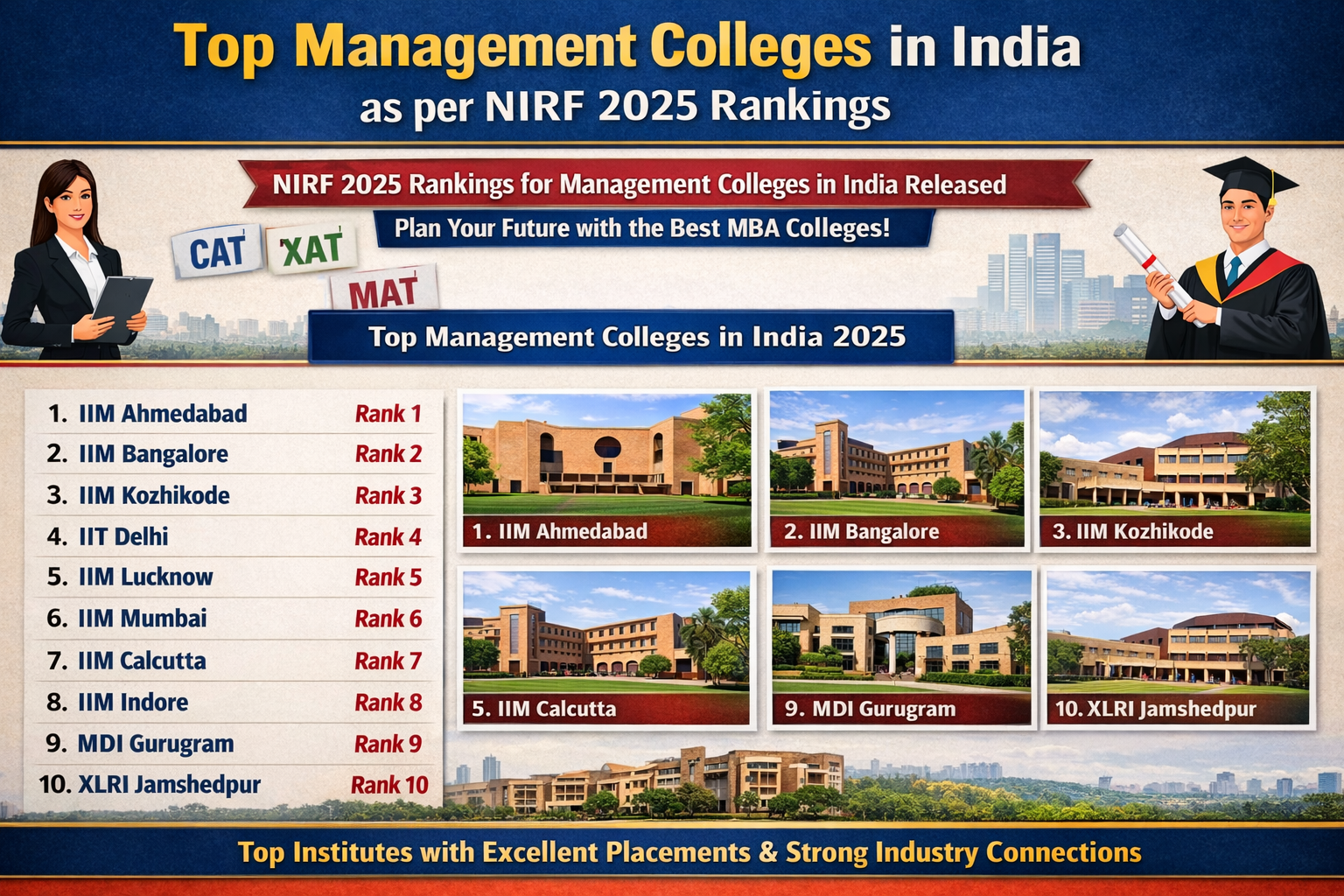
Campus Times/Lucknow: For students aspiring to build a successful career in the management field, choosing the right college is one of the most crucial decisions. To support this choice, the National Institutional Ranking Framework (NIRF) has released its 2025 rankings, offering clear guidance on the best MBA and management institutions in the country.These rankings help students compare institutions on key parameters such as academic excellence, placements, industry exposure, and overall reputation. Admission to top management colleges generally requires candidates to appear for national-level entrance exams like CAT, XAT, and MAT.With the release of NIRF Ranking 2025, students can now plan their preparation and career paths more strategically. By qualifying in these entrance exams and selecting the right institution, aspirants can significantly improve their chances of building a strong and successful future in management. Below is the list of the top management colleges in India as per NIRF 2025 rankings:Indian Institute of Management Ahmedabad (IIM Ahmedabad) – Rank 1Indian Institute of Management Bangalore (IIM Bangalore) – Rank 2Indian Institute of Management Kozhikode (IIM Kozhikode) – Rank 3Indian Institute of Technology Delhi (IIT Delhi – Management Programs) – Rank 4Indian Institute of Management Lucknow (IIM Lucknow) – Rank 5Indian Institute of Management Mumbai (IIM Mumbai) – Rank 6Indian Institute of Management Calcutta (IIM Calcutta) – Rank 7Indian Institute of Management Indore (IIM Indore) – Rank 8Management Development Institute Gurugram (MDI Gurugram) – Rank 9XLRI Jamshedpur (XLRI Jamshedpur) – Rank 10Symbiosis Institute of Business Management (SIBM) – Rank 11All the institutions listed above are known for:Excellent placement recordsStrong industry connectionsExperienced faculty and rigorous curriculumLeadership and skill development opportunitiesGraduating from these top-ranked management colleges not only enhances your academic credentials but also opens doors to high-paying job opportunities and long-term career growth in leading organizations.The NIRF 2025 Management Rankings serve as a reliable benchmark for
Campus Times/Lucknow : These guidelines are especially crucial for students appearing in Science and Social Science subjects. The instructions have been issued for the CBSE Class 10 board examinations to be held in 2026. Students can access the detailed guidelines on the official CBSE website. The Class 10 board examinations will be conducted from 17 February 2026 to 10 March 2026.Important Changes Introduced to Improve EvaluationTo enhance the quality of evaluation, CBSE has divided the question papers into sections.• The Science question paper has been divided into three sections.• The Social Science question paper has been divided into four sections, namely History, Geography, Political Science, and Economics.• As per the issued instructions, students must write their answers strictly in the respective sections. Writing answers in the wrong section or mixing answers between sections will not be permitted.Caution Required While Writing AnswersStudents are advised to exercise special caution while writing their answers. Any answer written in an incorrect section or mixed with another section will not be evaluated. Furthermore, during the re-evaluation process after the declaration of results, answers written in the wrong section will not be considered under any circumstances.Schools Directed to Conduct Answer-Writing PracticeAccording to the guidelines, school administrations are also required to remain alert. Schools must conduct workshops or provide other forms of training to help students practice answer writing as per the new instructions. This initiative aims to ensure a smoother examination process and improved evaluation standards.
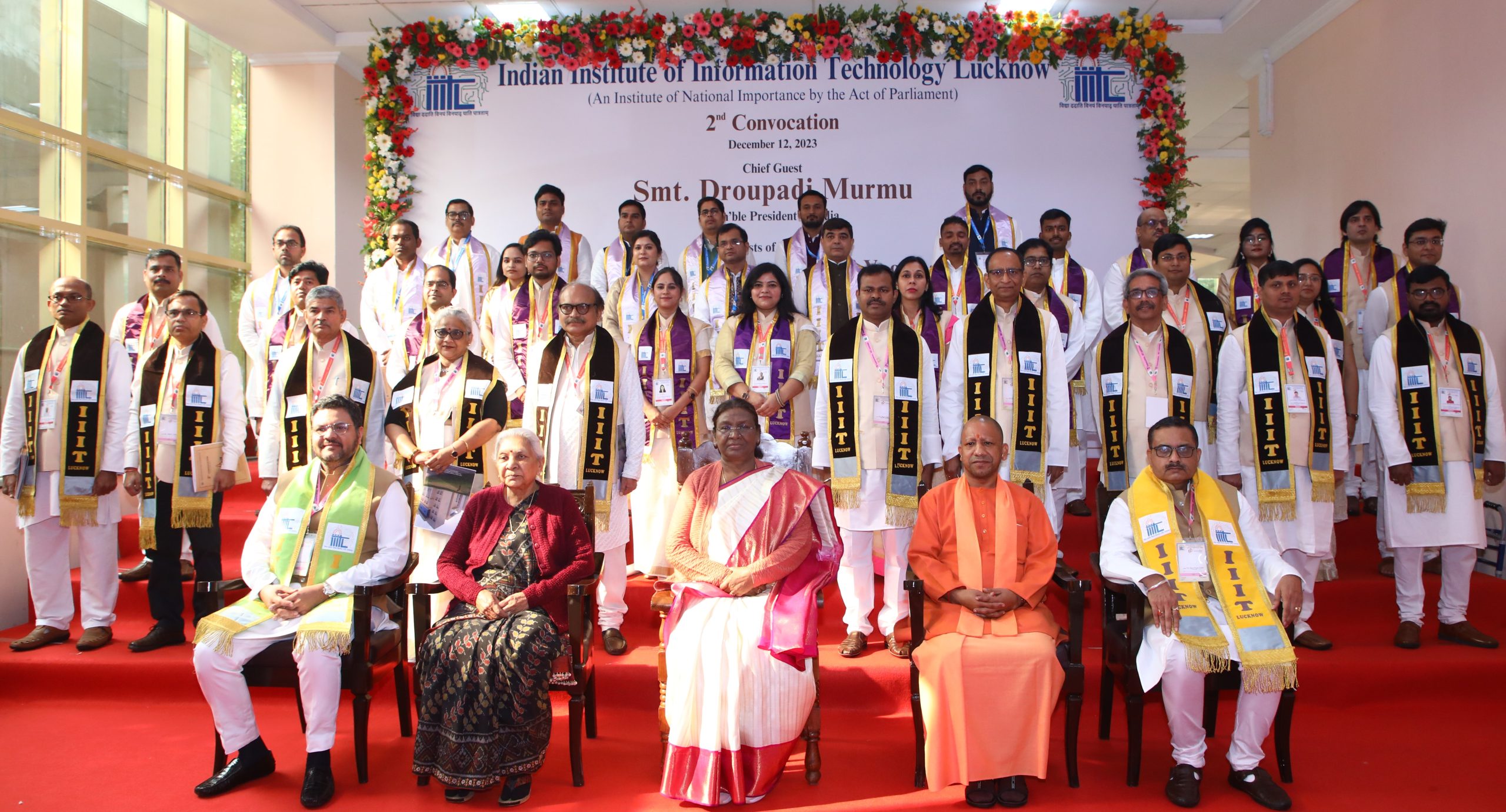
Lucknow | The Indian Institute of Information Technology, Lucknow (IIIT Lucknow) has steadily emerged as a promising centre for advanced learning and innovation in the field of Information Technology. Established as one of the 20 Indian Institutes of Information Technology (IIITs) set up by the Government of India under the Public–Private Partnership (PPP) model, the institute reflects a forward-looking approach to technical education aligned with national development goals.IIIT Lucknow began its academic journey in the 2015–16 session, admitting its first batch of 50 B.Tech students in Information Technology. Since then, the institute has focused on creating an academic environment that nurtures technical competence, innovation, and a strong sense of responsibility toward society and the nation. Admissions Through National-Level CompetitionAdmissions to IIIT Lucknow are conducted through centralized counselling based on JEE (Main) ranks, ensuring a transparent and merit-based selection process. The institute provides its students with comprehensive academic and non-academic facilities designed to support holistic growth and professional excellence. A Strong Public–Private Partnership ModelThe institute is being developed with financial and strategic support from the Ministry of Human Resource Development (now Ministry of Education), Government of India, the Government of Uttar Pradesh, and U.P. Electronics Corporation Limited as the industry partner. This collaborative framework enables IIIT Lucknow to maintain a strong connection with industry needs while upholding academic rigor. Vision for a World-Class IT InstitutionIIIT Lucknow envisions itself as a world-class “Apex Centre of Excellence” in Information Technology, contributing to India’s technological strength in a rapidly evolving digital landscape. The institute draws inspiration from India’s rich intellectual traditions while actively working toward the creation of knowledge-based resources in regional languages, reinforcing inclusive and sustainable technological growth. Permanent Campus in a High-Tech EcosystemThe permanent campus of IIIT Lucknow is being developed on 50 acres of land at Chak Ganjaria, in the Gomti Nagar Extension area of
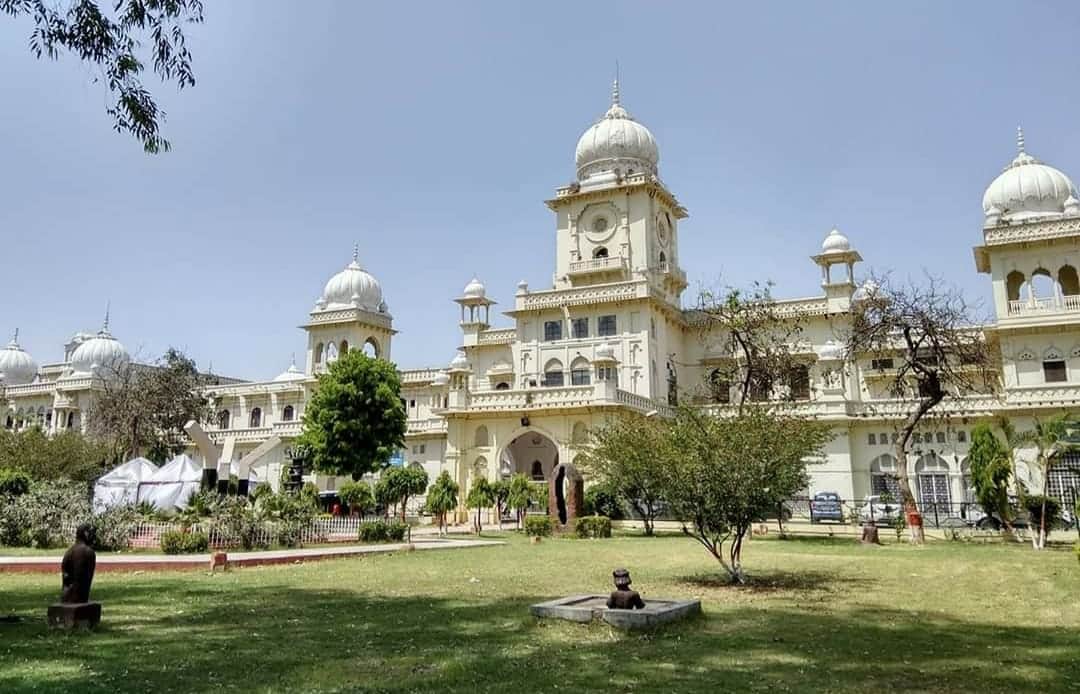
Lucknow | The University of Lucknow, one of India’s most historic and prestigious public universities, stands today as a powerful symbol of academic tradition, intellectual leadership, and inclusive education. Established in 1920, the university’s journey is deeply intertwined with the educational, cultural, and social evolution of northern India. The Vision That Sparked a UniversityThe idea of establishing a university in Lucknow was first proposed by Raja Sir Mohammad Ali Mohammad Khan of Mahmudabad, who articulated his vision through an influential article in The Pioneer. His appeal found strong support when Sir Harcourt Butler, then Lieutenant-Governor of the United Provinces, took keen interest in advancing higher education. Known for his progressive outlook, Sir Harcourt Butler played a decisive role in transforming the idea into reality.The first formal step came on November 10, 1919, when a General Committee of educationists and public figures convened at Government House, Lucknow, under Sir Harcourt Butler’s chairmanship. The blueprint for the new university was discussed and shaped during this historic meeting. Birth of a Teaching and Residential UniversityIt was resolved that the University of Lucknow would be a Unitary, Teaching, and Residential University, inspired by the recommendations of the Calcutta University Mission (1919). Faculties in Arts (including Oriental Studies), Science, Medicine, Law, and later Commerce, were envisioned from the outset—reflecting a holistic academic approach. Between late 1919 and early 1920, several sub-committees worked intensively to finalize academic and administrative structures. Their recommendations were approved in January 1920, with generous financial support announced by the Rajas of Mahmudabad and Jahangirabad, each contributing ₹1 lakh, marking one of the earliest philanthropic endorsements of the university. Legislative Foundation and Formal EstablishmentA draft bill for the university was prepared by C.F. de la Fosse, then Director of Public Instruction, and introduced in the Legislative Council in August 1920. After deliberations and amendments—including the inclusion
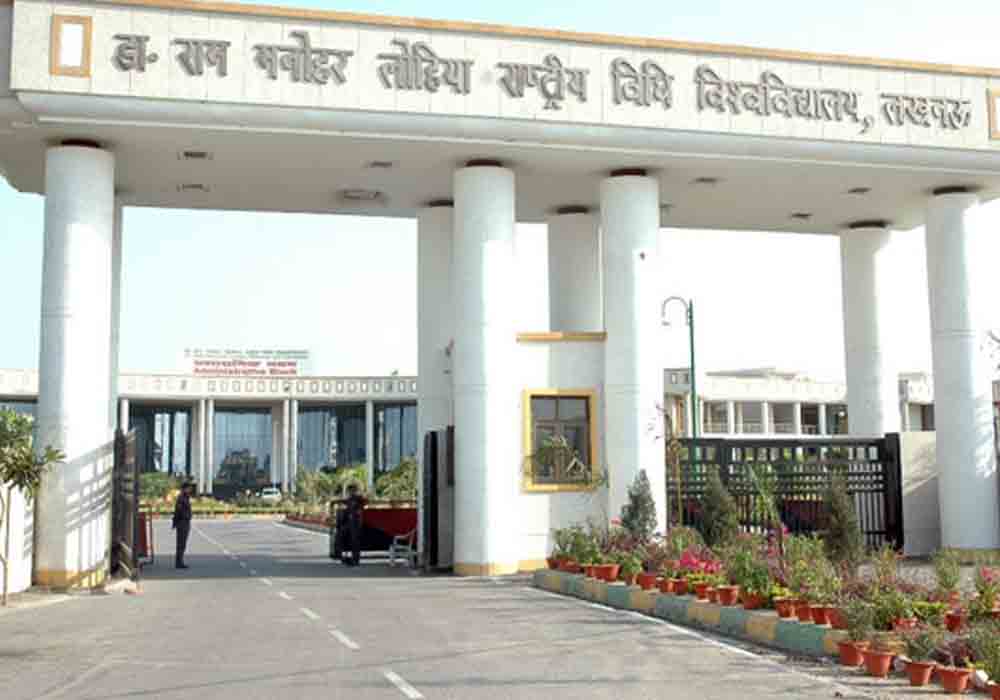
Lucknow | The transformation of law into one of the most sought-after career choices in India began in 1987 with the establishment of the National Law School in Bengaluru. That moment marked a turning point in legal education, introducing the idea of national law universities as centres of excellence, innovation, and professional training. Carrying forward this progressive vision, Dr. Ram Manohar Lohiya National Law University (RMLNLU), Lucknow, was established to meet the evolving challenges of the legal profession in the 21st century. Foundation and VisionDr. Ram Manohar Lohiya National Law University was established by the Government of Uttar Pradesh through U.P. Act No. 28 of 2005 and formally came into existence on 4 January 2006. Initially incorporated as Dr. Ram Manohar Lohiya National Law Institute, Uttar Pradesh, the institution was later granted university status through an amendment in November 2006, giving it a comprehensive national character in line with other premier National Law Universities of India.The university was founded with a clear mission—to strengthen professional legal education, promote research and scholarship, and produce socially responsible legal professionals equipped to handle the complexities of a globalized legal system. Commitment to Excellence in Legal EducationSupported by liberal grants from the Uttar Pradesh Government, RMLNLU is committed to providing state-of-the-art infrastructure and an intellectually stimulating environment for teaching, research, and training in law and legal processes. The university emphasizes not only academic excellence but also the development of professional skills required for advocacy, judiciary, legal services, legislation, and law reforms.Recognizing the increasing complexity of law in the age of globalization and multinational engagement, the university focuses on preparing students to meet contemporary legal challenges through a rigorous and reform-oriented academic framework. Objectives Rooted in Social ResponsibilityThe core objectives of Dr. Ram Manohar Lohiya National Law University include advancing and disseminating knowledge of law and legal processes,
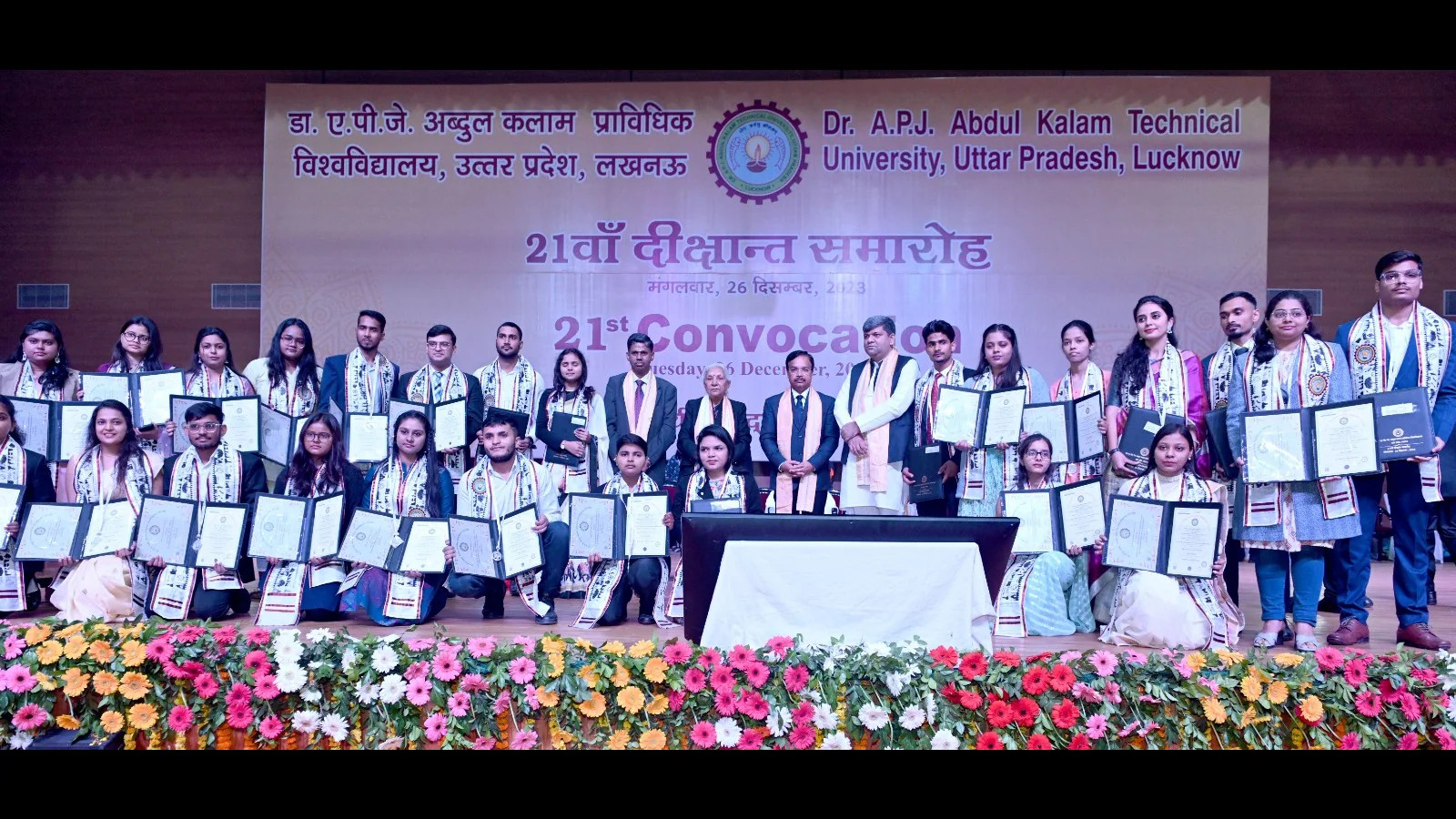
Lucknow | Standing at the heart of technical education in Uttar Pradesh, Dr. A.P.J. Abdul Kalam Technical University (AKTU) has grown into one of the largest and most influential technical universities in India. Established on 8 May 2000 by the Government of Uttar Pradesh, the university has played a pivotal role in shaping generations of engineers, technologists, managers, and researchers across the state.Originally known as Uttar Pradesh Technical University (UPTU), the institution was later renamed in honour of Dr. A.P.J. Abdul Kalam, the former President of India and an iconic scientist, reflecting the university’s commitment to innovation, excellence, and nation-building. A Comprehensive Mandate in Technical EducationAKTU was established under Uttar Pradesh Adhiniyam Sankhya 23 of 2000, later strengthened through legislative amendments. Under the University Act, “technical education” encompasses education, research, and training in engineering, technology, architecture, town planning, pharmacy, applied arts and crafts, along with other programmes notified by the Government of India in consultation with the All India Council for Technical Education (AICTE). A Vast Network of Affiliated InstitutionsAKTU is an affiliating university with jurisdiction across the entire state of Uttar Pradesh. At present, it affiliates 764 colleges and institutions, offering undergraduate, postgraduate, and doctoral programmes in B.Tech, M.Tech, MBA, MCA, B.Arch, B.Pharm, BHMCT, and PhD, among others. These institutions include both government and private colleges, making AKTU a unifying academic authority for technical education across the state. From just 49 affiliated colleges in the year 2000, the university has witnessed remarkable growth, now supporting around 4 lakh students enrolled in its various programmes—an indicator of its scale, reach, and relevance. One of the Largest Technical Universities in AsiaWith Uttar Pradesh being India’s largest state in terms of population and geographic spread, AKTU has emerged as one of the largest technical universities not only in India, but also in Asia. To ensure effective
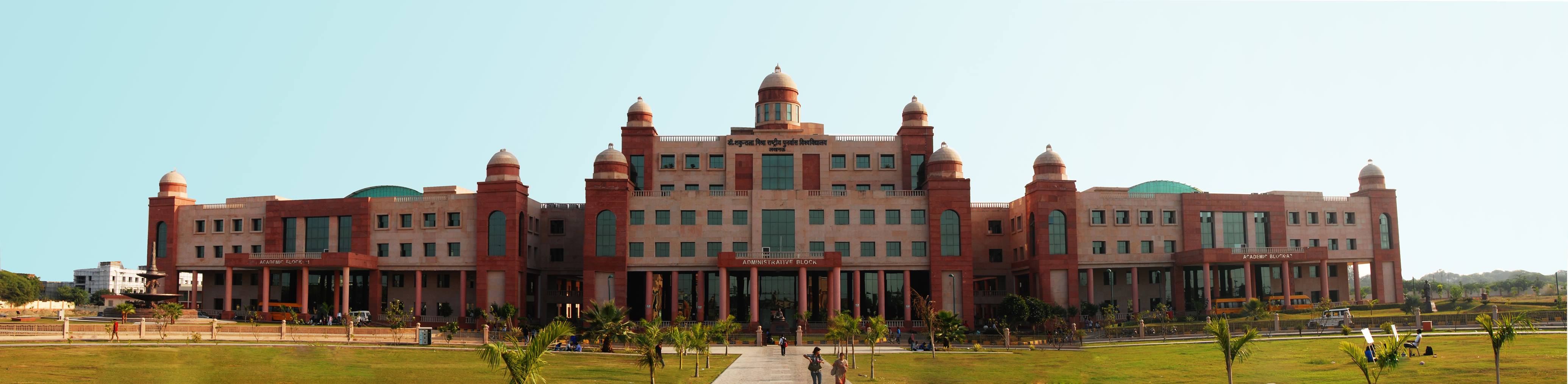
Lucknow | Established with a pioneering vision of inclusive education, Dr. Shakuntala Misra National Rehabilitation University (DSMNRU) stands as a landmark institution in India’s higher education landscape. Set up by the Divyangjan Sashaktikaran Vibhag, Government of Uttar Pradesh, the university came into existence through an Ordinance dated August 29, 2008, which was subsequently enacted as U.P. Act No. 1 of 2009 and later strengthened by U.P. Act No. 24 of 2011. A First-of-Its-Kind Inclusive UniversityDSMNRU is the first university in India specifically designed to provide accessible, quality higher education to differently-abled (Divyangjan) students in a completely barrier-free academic environment. What truly sets the university apart is its unique mandate—to serve the educational aspirations of challenged students while seamlessly integrating them into mainstream higher education. To fulfil this mission, the university provides a 50 percent horizontal reservation for differently-abled students across all academic programmes, over and above the existing reservation policy. This landmark provision reflects the university’s unwavering commitment to social equity, dignity, and empowerment. Infrastructure That Enables, Not RestrictsSpread across 131 acres in Lucknow, the state capital of Uttar Pradesh, the university campus is thoughtfully designed to ensure universal accessibility. The Wi-Fi-enabled, barrier-free campus features smart classrooms, modern audio-visual teaching aids, multimedia learning tools, and specialized computer laboratories equipped with JAWS (Job Access with Speech) to support visually challenged learners. The university library houses an extensive collection of national and international books, journals, and research material, making it a vital academic resource for students and faculty from diverse disciplines. Academic Excellence Rooted in Social ResponsibilityDSMNRU brings together academia and social responsibility under one umbrella, translating knowledge into action and ensuring that education reaches every section of society. The university promotes inter-disciplinary and multi-disciplinary learning, supported by a team of dedicated and experienced faculty members who create a vibrant, inclusive, and engaging classroom environment. Its curricula are
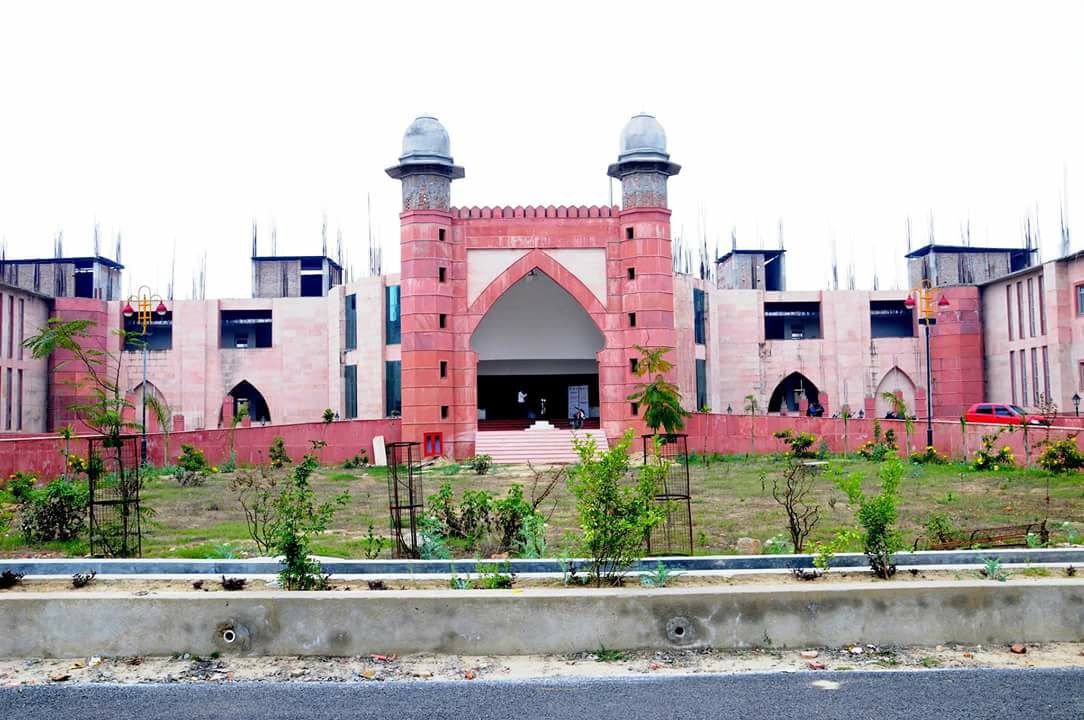
Lucknow | The institution began its journey on 1 October 2009 as Uttar Pradesh Urdu, Arabi-Farsi University. Over the years, it evolved both in name and vision—first being renamed Shri Kanshiramji Urdu, Arabi-Farsi University in 2011, and later rechristened in 2012 as Khwaja Moinuddin Chishti Urdu, Arabi-Farsi University, in honour of the revered Sufi saint Khwaja Moinuddin Chishti of Ajmer, globally known for his message of universal love, peace, and harmony. In February 2020, the Uttar Pradesh Cabinet approved its renaming as Khwaja Moinuddin Chishti Language University, further strengthening its identity as a language-focused institution. Inspired by a Message of UnityNaming the university after Khwaja Moinuddin Chishti—popularly known as Gharib Nawaz—was deeply symbolic. His philosophy of “Sulh-i-Kul” (peace with all) resonates with Lucknow’s own Ganga-Jamuni tehzeeb, making the city an ideal home for an institution committed to inclusivity, cultural dialogue, and human values. Academic Growth and Expanding HorizonsThe university began its first academic session in August 2013 with 413 students, offering undergraduate and postgraduate programmes in languages, humanities, social sciences, education, commerce, computer science, management, and journalism. Today, the student strength has grown to over 3,800, and the range of programmes has expanded significantly. Recognised under Sections 12B and 2(f) of the UGC, the university has gradually strengthened its academic credibility. While languages remain its core strength—Urdu, Arabic, Persian, Hindi, English, and Sanskrit—the university has also embraced multidisciplinary education in line with NEP 2020, promoting multilingualism, skill-based learning, and value-added courses across departments. Entry into Professional and Technical EducationResponding to student aspirations and employment trends, the university introduced AICTE-approved B.Tech programmes in Civil Engineering, Mechanical Engineering, Computer Science, Fashion Technology, and Computer Science with Artificial Intelligence and Machine Learning in 2019. Legal education has also gained momentum with the launch of LL.M, while preparations are underway to introduce LL.B. Alongside this, diploma programmes and vocational
Lucknow | In a significant boost to campus placements, Larsen & Toubro Limited (L&T) has opened recruitment for Graduate Commercial Trainee (GCT) positions through the Central Placement Cell (CPC) of Lucknow University. The opportunity is open to students of Lucknow University as well as its affiliated colleges, offering a strong career start with one of India’s leading multinational companies.The recruitment will be conducted for pan-India postings, providing selected candidates exposure to large-scale projects and professional work environments across the country. Roles and ResponsibilitiesCandidates selected for the Graduate Commercial Trainee role will be engaged in key operational and support functions, including:Finance and accounts operationsGST, TDS, and taxation-related activitiesSite administrationProcurement and material managementSupport in industrial relationsMIS reporting and internal coordination These responsibilities are designed to provide comprehensive training and hands-on industry experience. Eligibility CriteriaFinal-year full-time undergraduate students from the following disciplines are eligible to apply:B.Com, BBA, BBMB.Sc. (Mathematics, Computer Science, Statistics)BA (Material Management)Applicants must have secured a minimum of 60% marks in Class 10, Class 12, and graduation (up to 4th semester), with no active backlogs. Eligible candidates should be born between 1 July 2003 and 30 June 2008.Salary PackageSelected candidates will be offered a CTC of ₹3 lakh per annum, which may go up to ₹3.57 lakh per annum for project site-based postings. In addition to competitive compensation, L&T will provide structured training and long-term career growth opportunities. Application Deadline: TodayThe last date to apply is today, 23 January, and applications will be accepted until 11:30 PM. Students are advised not to wait until the last moment.Detailed information regarding the recruitment is available on the CPC section of Lucknow University’s official website – www.lkouniv.ac.in. Eligible candidates can submit their applications through the online form provided by the university.
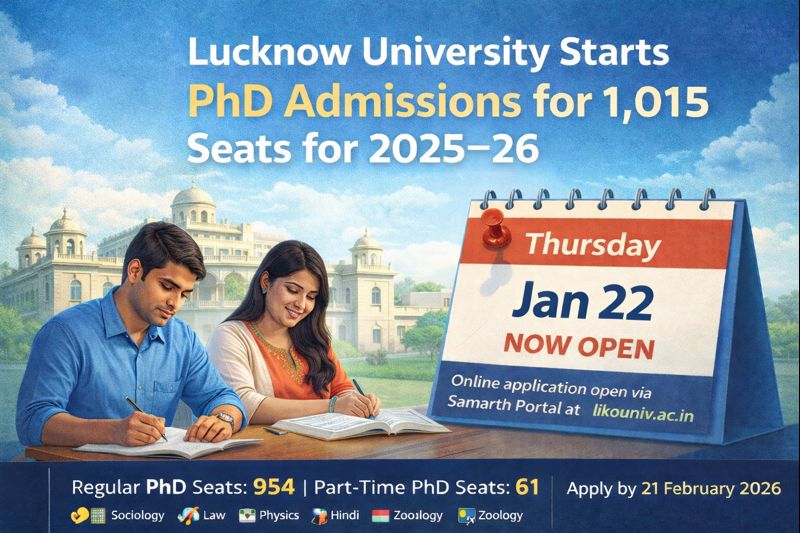
Lucknow | Lucknow University has formally commenced the PhD admission process today (Thursday) for the academic session 2025–26, opening doors for research aspirants across disciplines. A total of 1,015 PhD seats will be filled through this admission cycle, marking one of the university’s largest research intakes in recent years.According to university officials, 954 seats are available under the regular PhD programme, while 61 seats have been earmarked for part-time PhD candidates. The subject-wise seat distribution was released earlier this week, enabling candidates to make informed choices before applying. Applications Open via Samarth PortalEligible candidates can now submit their applications online through the Samarth Portal, accessible from the official website www.lkouniv.ac.in. The last date for submission is 21 February 2026.Applicants have been advised to carefully read the admission guidelines before filling out the form. University officials cautioned that any discrepancy, incorrect information, or unclear document upload may lead to rejection of the application. Application Fee StructureThe application fee has been fixed as follows:₹2,000 for candidates from General, OBC, and EWS categories₹1,000 for candidates belonging to SC, ST, and Divyang (PwD) categoriesPart-Time PhD Option for Working Professionals The part-time PhD programme is aimed at working professionals and candidates with existing job or personal commitments. While the duration is longer than the regular PhD programme, it allows candidates to pursue research alongside employment. Submission of a No Objection Certificate (NOC) from the employer is mandatory for part-time applicants.Seats Available Across Diverse DisciplinesPhD admissions are being offered across a wide range of subjects, including Hindi, Chemistry, Law, Sociology, Physics, Political Science, Zoology, English, Botany, Economics, Education, Sanskrit, and many other science, social science, and language disciplines, reflecting the university’s strong research base. University Emphasises TransparencyVice-Chancellor Prof. J.P. Saini stated that the admission schedule has been released in advance to ensure the process is completed smoothly, transparently, and within
.jpg)
Lucknow | The Institute of Engineering and Technology (IET), Lucknow, popularly known as the “Engineering College” of the city, continues to stand tall as one of the premier technical institutions affiliated with Dr. A. P. J. Abdul Kalam Technical University (AKTU). Established in 1984 by the Government of Uttar Pradesh, IET Lucknow has, over the past four decades, earned a reputation for academic rigor, quality infrastructure, and a vibrant campus life that nurtures both technical competence and leadership.Founded as a society-governed institute and fully financed by the Government of Uttar Pradesh, IET Lucknow is administered by the Executive Council of AKTU. The institute began its journey as the Faculty of Engineering and Technology under the University of Lucknow, marking the foundation of structured engineering education in the state capital. From Three Programs to a Comprehensive Engineering HubAt its inception, IET Lucknow offered B.Tech programmes in Computer Science and Engineering, Electrical Engineering, and Electronics & Communication Engineering. Within a year, the institute expanded its academic offerings with the introduction of Civil Engineering and Mechanical Engineering, responding to the growing demand for skilled engineers. Today, the institute operates from a sprawling 100-acre campus, developed by the Uttar Pradesh Rajkiya Nirman Nigam Limited (UPRNN). The campus houses well-planned academic and administrative blocks, separate hostels for boys and girls, and nearly 100 residential quarters for teaching and non-teaching staff. The Lucknow Development Authority (LDA) played a key role in developing essential infrastructure such as roads, power supply, drainage, and sewage systems, ensuring a fully functional and self-sustained campus. A Preferred Choice for Top Engineering AspirantsAdmission to IET Lucknow is highly competitive. Undergraduate students are selected through the Uttar Pradesh State Entrance Examination (UPSEE), currently conducted by AKTU. Each year, nearly 1.5 lakh students appear for the examination, competing for seats in more than 800 engineering colleges
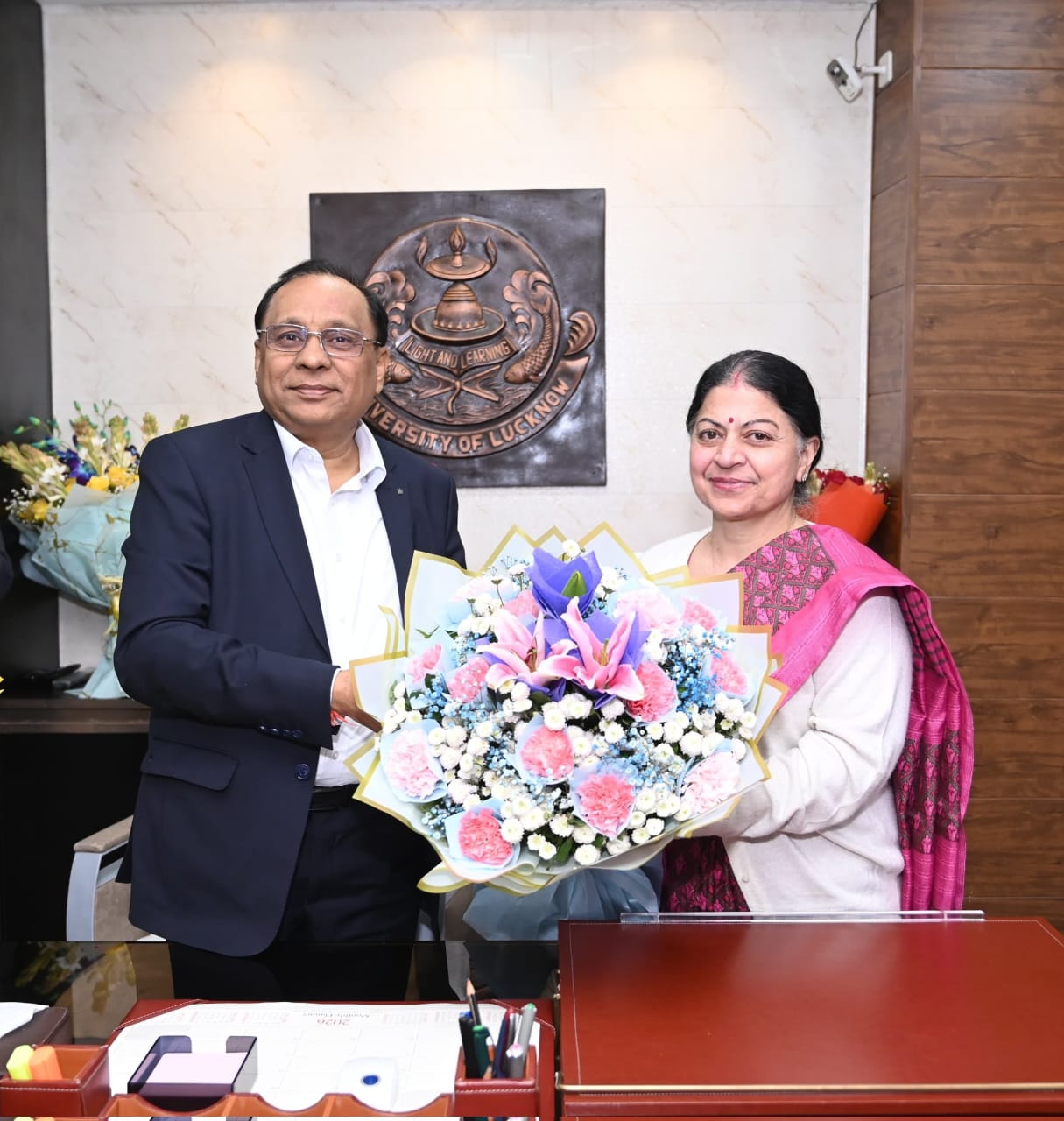
Lucknow | Lucknow University entered a new chapter of academic leadership with Professor Jay Prakash Saini assuming charge as its Vice-Chancellor on January 14, 2026. A seasoned academician and administrator, Prof. Saini brings with him more than 38 years of distinguished experience in higher education, research, and university governance. Known for his calm leadership and deep understanding of academic systems, Prof. Saini joins Lucknow University after serving in several prestigious roles across leading institutions in India. Before this appointment, he held the position of Vice-Chancellor at Madan Mohan Malaviya University of Technology (MMMUT), Gorakhpur, and Netaji Subhas University of Technology (NSUT), New Delhi. He also shouldered the additional charge of Vice-Chancellor, Delhi Technological University (DTU) for two years, reflecting the trust reposed in him by academic and administrative authorities. A Career Spanning Teaching, Research, and GovernanceProf. Saini’s academic journey is marked by both depth and diversity. He served as Director (HAG Scale) at the then Netaji Subhas Institute of Technology, New Delhi, Director of Dr. Ambedkar Institute of Technology for Divyangjan, Kanpur for two terms, and Principal of Madan Mohan Malaviya Engineering College, Gorakhpur. He also held additional charge as Principal of MKREC of Information Technology (now Government Engineering College), Azamgarh. Currently a Professor of Electronics and Communication Engineering at Bundelkhand Institute of Engineering and Technology (BIET), Jhansi, Prof. Saini has remained deeply connected to teaching despite holding top administrative positions. Strong Academic CredentialsProf. Saini completed his B.Tech in Electronics Engineering from KNIT Sultanpur in 1987, M.Tech in Electrical Engineering from IIT Kanpur in 1996, and earned his Ph.D. in Electronics Engineering in 2001 from KNIT Sultanpur/Dr. RML Avadh University (now Ayodhya). His academic grounding and research orientation have shaped his approach to leadership over the decades. Contributions to Examinations, Reforms, and National BodiesHe has played a key role in major examination reforms, serving
Lucknow | Founded by Er. Yogendra Sachan and Late Mrs. Rakhi Sachan, Creative Convent College began its journey with just 200 students and 15 dedicated teachers. From the outset, the founders envisioned an institution where academic achievement would go hand in hand with personal growth, confidence, and responsibility. That vision continues to guide the institution even today.Strong Foundations and Early RecognitionIn its early years, Creative Convent College earned recognition from the Uttar Pradesh Board, quickly building a reputation for discipline, structured learning, and academic rigor. The commitment of its teaching faculty and the clarity of its academic approach helped the school establish strong foundations, turning classrooms into spaces of curiosity, consistency, and purpose.A Transformational Step with CBSE AffiliationA defining milestone came in 2016, when Creative Convent College received CBSE affiliation from New Delhi. This achievement marked the beginning of a new chapter, aligning the institution with national academic standards and expanding opportunities for students. The CBSE curriculum introduced a broader, more dynamic learning framework, further strengthening the college’s focus on academic excellence and holistic education.Excellence as a Way of LifeConsistent academic performance has become a hallmark of Creative Convent College. Over the years, students have delivered 100 percent results across core subjects such as Mathematics, Chemistry, Accountancy, Hindi, Business Studies, Informatics Practices, and Computer Science. Scores above 95 percent have been a regular feature, reflecting disciplined preparation, effective pedagogy, and focused mentorship.At Creative Convent College, academic success is not treated as an occasional achievement, but as a carefully nurtured tradition built on hard work, guidance, and high expectations.Education Beyond the ClassroomWhile academics remain central, the institution firmly believes that education extends beyond textbooks and examinations. Emphasis is placed on personality development, critical thinking, creativity, and ethical values. Over the years, the college has strengthened its infrastructure, adopted modern teaching tools,
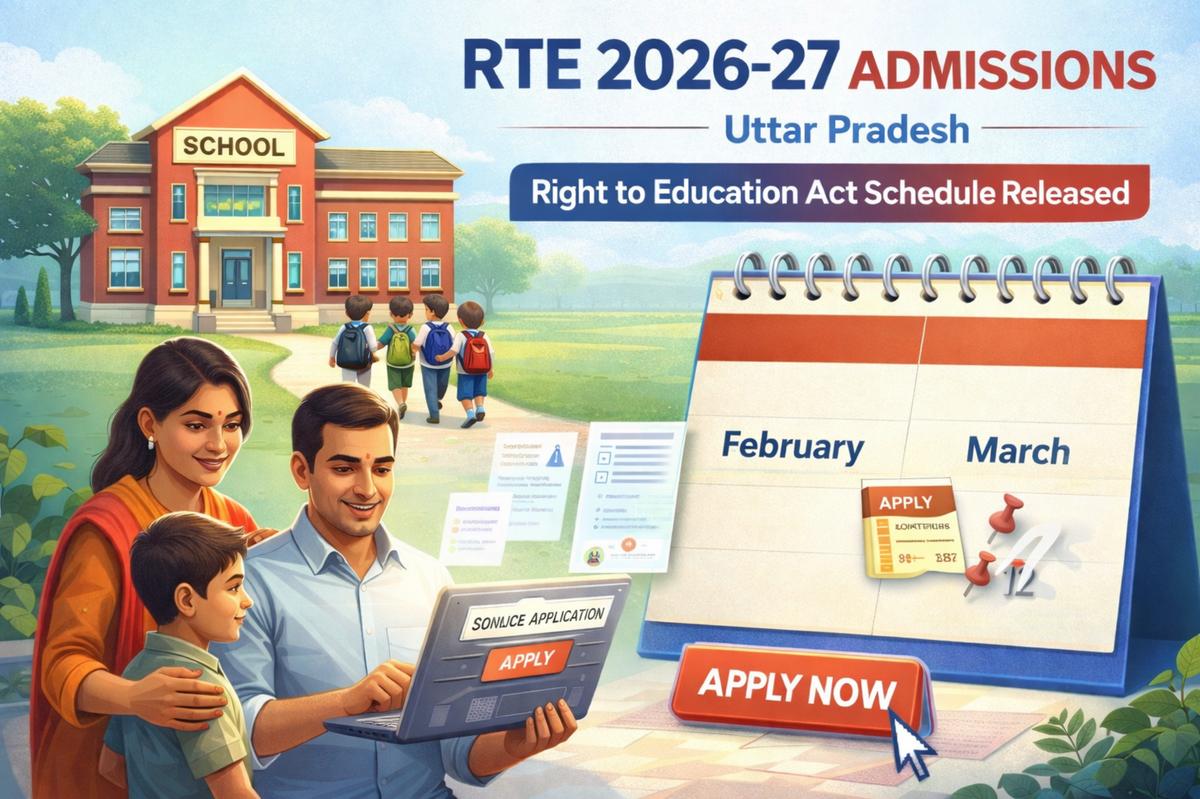
Lucknow | The Uttar Pradesh government has released the official schedule for admissions under the Right to Education (RTE) Act for the academic session 2026–27, bringing clarity and relief to thousands of parents seeking free and compulsory education for their children. The admission process will be conducted under Section 12(1)(c) of the RTE Act, 2009, which mandates 25 percent reservation for children from economically weaker and disadvantaged sections in recognized private unaided schools. According to the order issued by the Directorate of Basic Education, Uttar Pradesh, admissions will be carried out for entry-level classes—Nursery, LKG, UKG, and Class 1—through a transparent online application and lottery system.Three-Phase Online Admission ProcessThe admission process will be completed in three phases to ensure smooth implementation and maximum participation.Phase 1:Online applications: 2 February to 16 February 2026Lottery draw: 18 February 2026School admission confirmation: by 20 February 2026Phase 2:Online applications: 21 February to 7 March 2026Lottery draw: 9 March 2026School admission confirmation: by 11 March 2026Phase 3:Online applications: 12 March to 25 March 2026Lottery draw: 27 March 2026School admission confirmation: by 29 March 2026The entire process will be conducted online to ensure transparency and fairness, with admissions allotted through a computerized lottery system.Eligibility and Verification ProcessChildren belonging to economically weaker sections (EWS) and disadvantaged groups will be eligible for admission under the RTE quota. Parents will be required to upload necessary documents such as income certificate, residence proof, caste certificate (if applicable), and age proof during the online application process.District-level committees, including officials from the District Basic Education Office, Child Development Project Office, and local education authorities, will oversee verification and implementation to ensure compliance with RTE norms.Schools to Admit Students Without DelayRecognized private unaided schools are required to admit selected students strictly as per the allotment list. Schools failing to comply with the admission schedule
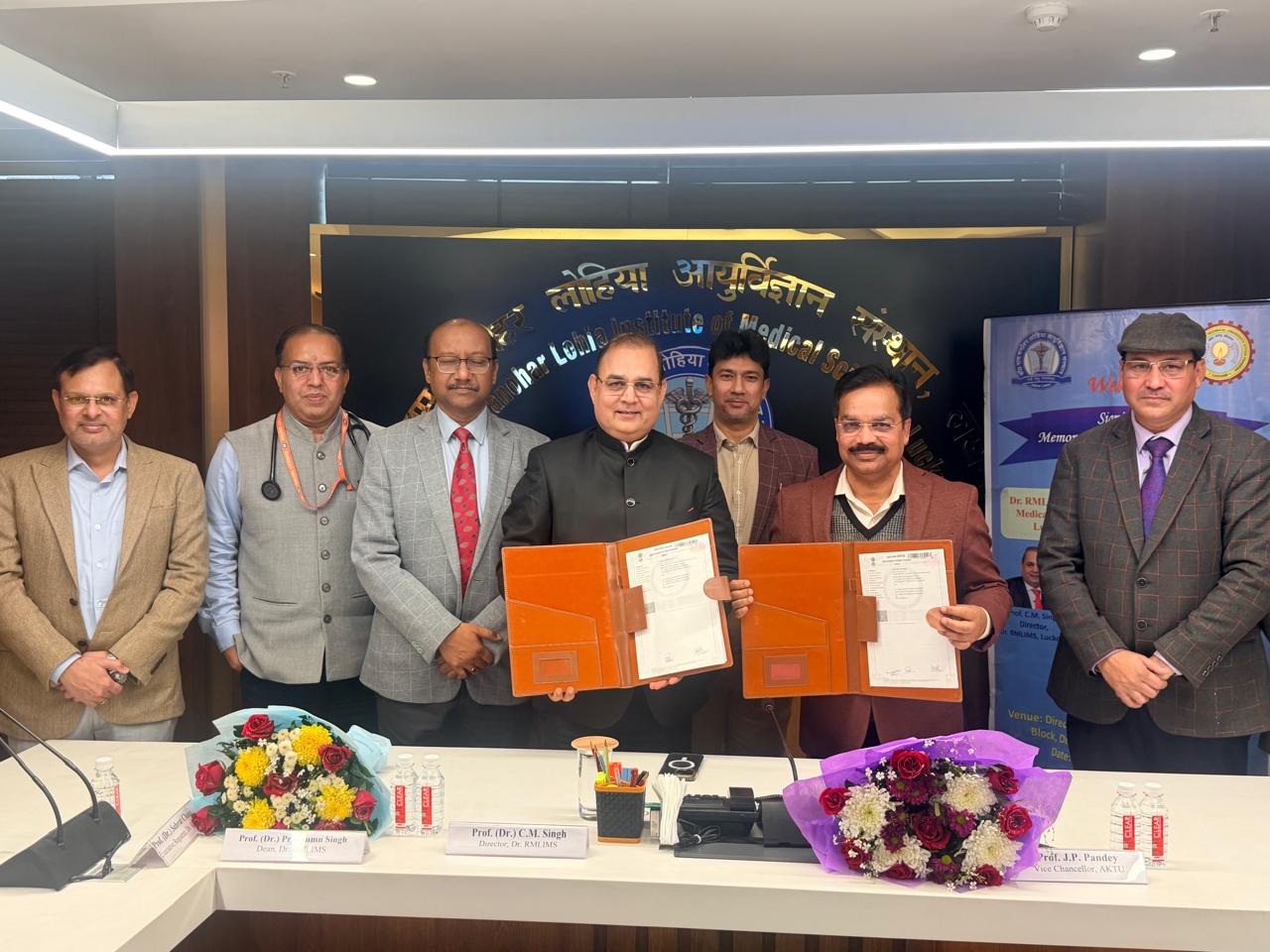
Lucknow | In a major step towards strengthening technology-driven healthcare in Uttar Pradesh, Dr. A.P.J. Abdul Kalam Technical University (AKTU), Lucknow, and Dr. Ram Manohar Lohia Institute of Medical Sciences (Dr. RMLIMS) have signed a Memorandum of Understanding (MoU) to collaborate in the field of medical research and innovation. The partnership aims to make medical treatment more efficient, accessible, and affordable through the use of emerging technologies.The MoU was signed on Tuesday by AKTU Vice-Chancellor Prof. J.P. Pandey and Dr. RMLIMS Director Dr. C.M. Singh. The agreement lays the foundation for long-term collaboration in research and development, with a shared focus on improving clinical outcomes and public health services.Technology to Simplify Medical PracticesUnder the collaboration, AKTU will extend technical support through advanced and emerging technologies such as Artificial Intelligence (AI), Machine Learning (ML), 3D Printing, and Nanotechnology. Experts from AKTU will work closely with medical professionals at Dr. RMLIMS to explore practical applications of these technologies, especially in the diagnosis and treatment of complex diseases. The initiative is expected to simplify medical procedures and enhance precision in healthcare delivery.Joint Research and Capacity BuildingThe MoU emphasizes the establishment of joint research and development initiatives between the two institutions. Collaborative research projects, technical seminars, workshops, and faculty development programmes (FDPs) will be organized regularly. These activities will help doctors, researchers, teachers, and students stay aligned with the latest technological advancements in the medical field.Focus on Public Health and Social ImpactBeyond academic collaboration, the partnership is driven by a larger social objective. By integrating technology with medical science, both institutions aim to contribute to the development of advanced healthcare solutions that serve society and the nation. The exchange of technical knowledge and expertise is expected to support innovation in public health and allied sectors.Long-Term Benefits for PatientsThe MoU is expected to deliver far-reaching
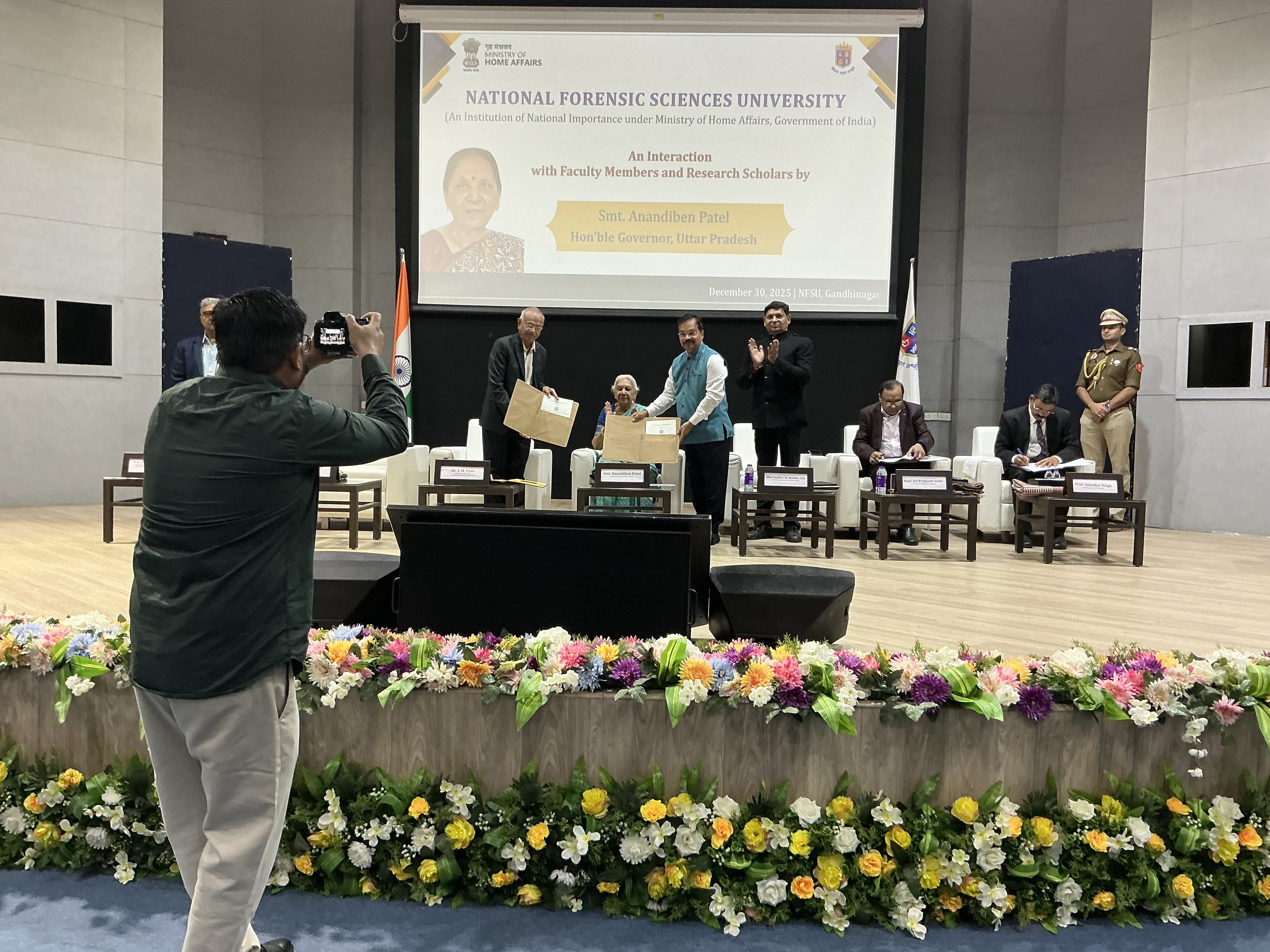
Gandhinagar | In a significant move towards advancing forensic education and research in India, Dr. A.P.J. Abdul Kalam Technical University (AKTU), Lucknow, and the National Forensic Sciences University (NFSU), Gandhinagar, signed a Memorandum of Understanding (MoU) on Tuesday in Gandhinagar. The MoU was signed by AKTU Vice-Chancellor Prof. J.P. Pandey in the august presence of Hon’ble Governor of Uttar Pradesh, Smt. Anandiben Patel. The partnership marks the beginning of a collaborative journey aimed at strengthening education, research, innovation, and entrepreneurship, with a special focus on forensic sciences and emerging technologies.Joint Research and Academic CollaborationUnder the MoU, both universities will work together on joint research projects, academic programs, and innovation-led initiatives. The collaboration will encourage knowledge exchange and capacity building in key forensic domains, including forensic biology and serology, forensic chemistry and toxicology, questioned document examination, and fingerprint analysis.Technology-Driven Support from AKTUAs part of the collaboration, AKTU will provide technical support through its expertise in emerging technologies such as Artificial Intelligence (AI), Machine Learning (ML), 3D Printing, and Nanotechnology. Subject experts from AKTU will assist NFSU in exploring practical applications of these technologies in forensic investigations, helping modernize forensic practices and enhance accuracy and efficiency.Focus on Innovation, Training, and EntrepreneurshipThe MoU also emphasizes organizing workshops, faculty development programmes (FDPs), and training sessions for teachers and students of both institutions. These initiatives aim to build skilled human resources equipped to meet the evolving challenges of forensic science and allied fields. Additionally, AKTU will extend support to NFSU in the areas of incubation and entrepreneurship, encouraging innovation-driven startups and research-based enterprises.Visit to National Defence UniversityDuring the visit, the AKTU team also toured the National Defence University, where they observed advanced laboratories and institutional initiatives. Discussions were held on future collaboration in innovation and research, reflecting a shared vision for interdisciplinary and nationally relevant
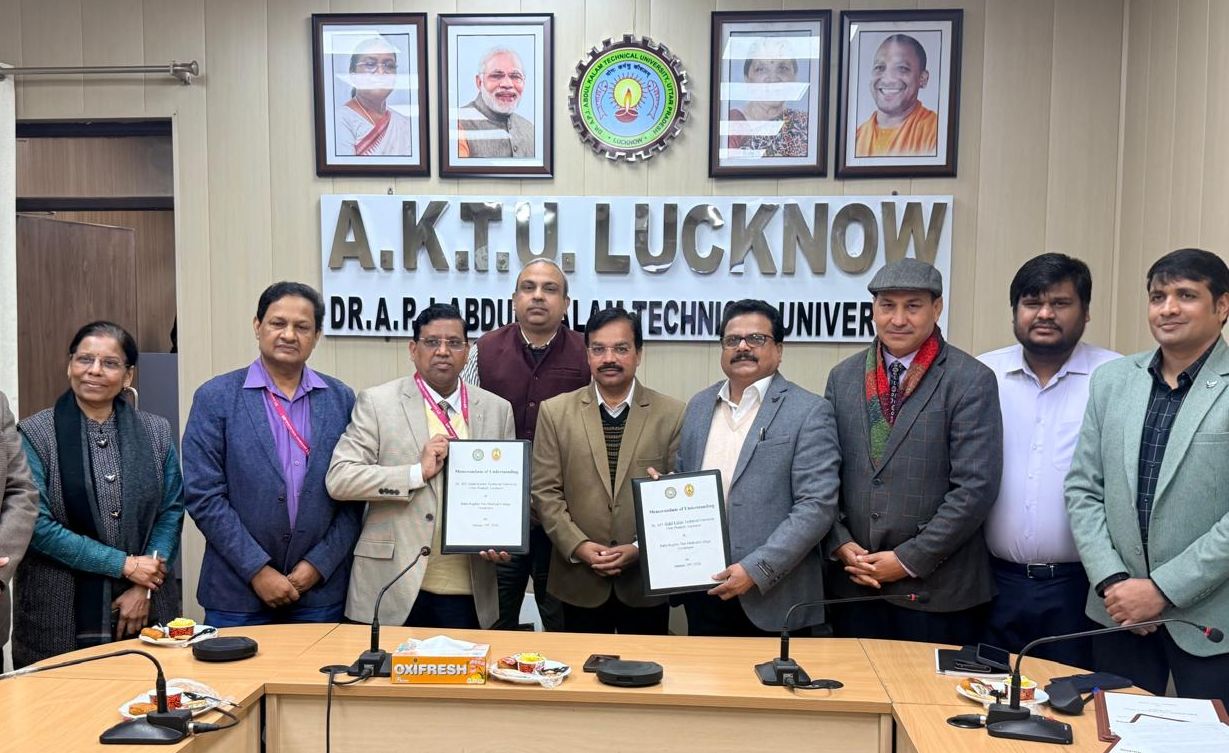
Lucknow : In a significant step towards strengthening healthcare through technology, Dr. A.P.J. Abdul Kalam Technical University (AKTU), Lucknow, and BRD Medical College, Gorakhpur, have signed a Memorandum of Understanding (MoU) to work together in the fields of medical research, innovation, and advanced healthcare practices. The collaboration aims to bridge the gap between medical science and modern technology, ultimately benefiting patients, students, and society at large.The MoU was formally signed by AKTU Vice-Chancellor Prof. J.P. Pandey and BRD Medical College Principal Dr. Ramkumar Jaiswal. The partnership marks the beginning of a long-term academic and technical collaboration focused on improving medical education, research outcomes, and healthcare delivery.Focus on Research, Training, and Skill DevelopmentUnder this agreement, both institutions will jointly undertake research and development initiatives in the medical field. Special emphasis will be laid on organizing technical seminars, workshops, faculty development programmes, and hands-on training sessions for students. These initiatives will help doctors, teachers, and students stay updated with emerging technologies and evolving healthcare practices.Artificial Intelligence to Support Medical ServicesOne of the most impactful aspects of the MoU is the planned use of Artificial Intelligence (AI) in healthcare services. Experts from AKTU will guide medical professionals and students at BRD Medical College on the practical application of AI in healthcare. From managing outpatient departments (OPD) to assisting in diagnostic procedures and medical investigations, AI-based solutions are expected to make healthcare services faster, more accurate, and patient-friendly.A Step Towards Better Public HealthThe collaboration also focuses on developing advanced technologies for public health and allied sectors. By combining technical expertise with clinical experience, the initiative aims to contribute to better healthcare outcomes and innovative solutions that can address real-world medical challenges. The ultimate goal is to ensure that technological advancements translate into tangible benefits for patients and the community.Dignitaries Present at the Signing CeremonySeveral senior