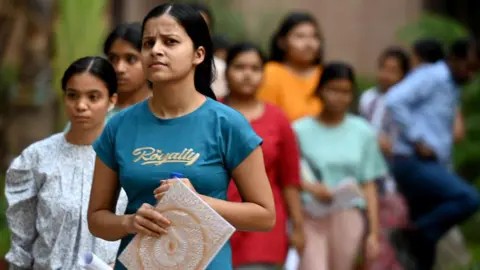
Campus Times | LucknowSerious questions have emerged over the security of student information after several websites were reportedly found selling databases linked to school students and competitive exam aspirants across India. Among the listings highlighted online, data of Uttar Pradesh Class 12 students was allegedly being offered for around ₹4,000.The databases are claimed to contain personal information such as students’ names, mobile numbers and, in some cases, parents’ details, raising concerns over how such sensitive data may have reached the public domain.Websites offer student records at fixed pricesAccording to allegations shared by entrepreneur Maheshwar Peri on X, websites including studentsdatabases.com, studentdataprovider.com and studentdatabaseindia.com are openly advertising student databases linked to various examinations and coaching categories.The reported listings suggest that Bengaluru CBSE 2025–26 student data is available for ₹999, while Tamil Nadu CBSE student records are priced at ₹1,499. Data related to pre-medical coaching aspirants is allegedly being sold for ₹1,999.Meanwhile, records of nearly two lakh Bihar students and Uttar Pradesh Class 12 students were reportedly listed for ₹4,000 each. A database containing details of more than four lakh Delhi Class 12 students was allegedly available for ₹5,000. Andhra Pradesh POLYCET 2026-related data was among the most expensive listings, reportedly priced at ₹4,999.NEET, JEE aspirants also reportedly targetedBeyond school-level records, the websites are said to offer access to databases linked to major entrance examinations, including NEET, JEE and XAT. Some portals allegedly claim to provide contact details of engineering and medical aspirants, making such information available through online transactions and messaging platforms such as WhatsApp.The allegations have sparked fears that student information could be exploited for aggressive marketing, spam campaigns or other forms of misuse.E-Commerce-style sale of personal informationOne of the most striking aspects of the claims is the manner in which the data is reportedly being sold. The websites allegedly
Spotlight
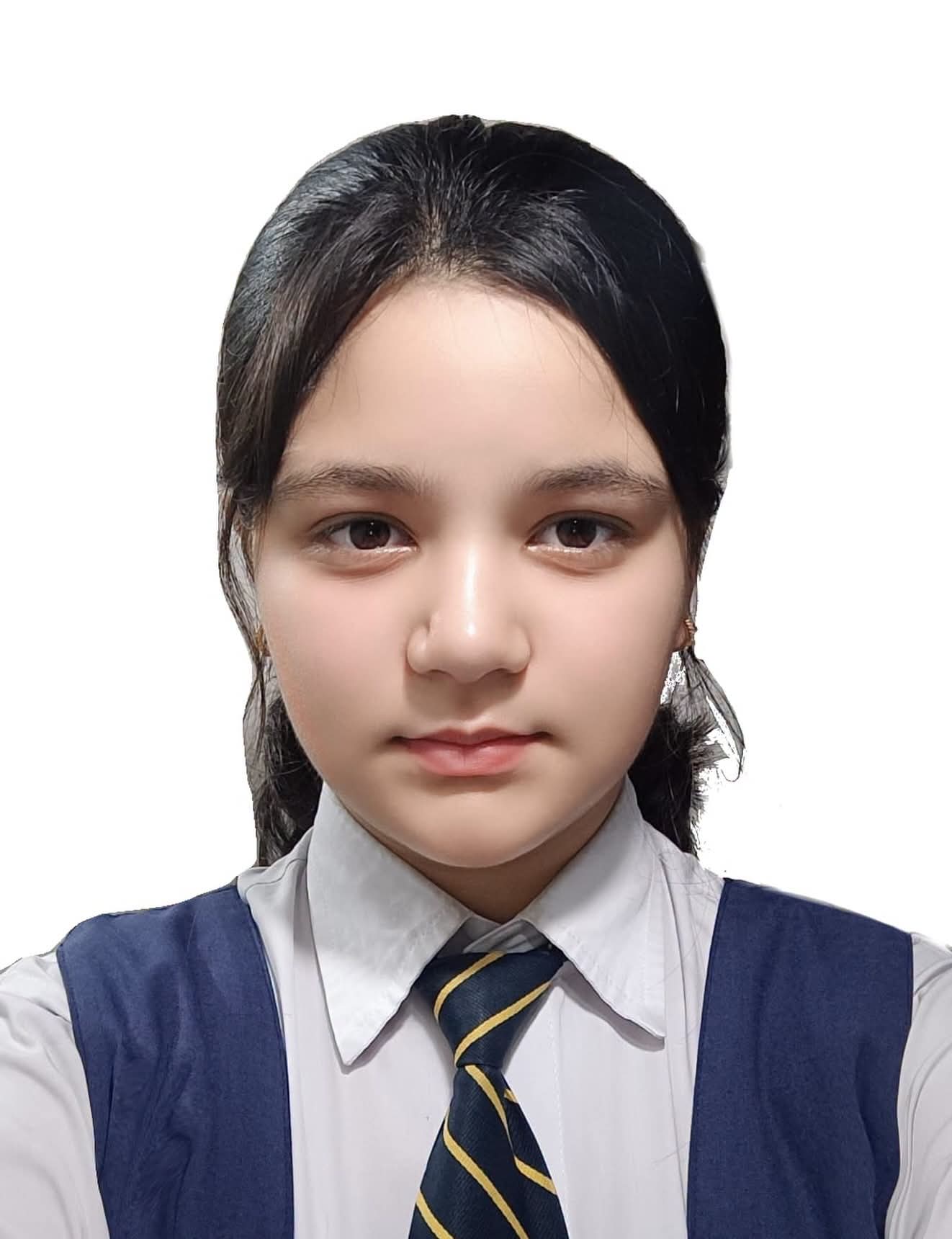
Campus Times | Lucknow In a remarkable achievement that has placed young Indian innovation on the global stage, Aaliya Fatima Rizavi, a Class 9 student of La Martiniere Girls’ College, Lucknow, has been selected among the winners of the prestigious Slingshot Challenge — an international environmental initiative launched by National Geographic in partnership with The Walt Disney Company.Introduced in 2022, the challenge encourages young people between the ages of 13 and 18 to develop practical and creative solutions to pressing environmental issues. This year, the competition received more than 2,300 submissions from over 5,000 participants across 100 countries, making Aaliya’s achievement a significant global accomplishment.Turning waste into storiesAaliya impressed the jury with an innovative idea rooted in sustainability, creativity, and community engagement. Her project proposed organising puppet-making workshops across northern India using discarded fabrics, scraps, and other waste materials.The initiative aims to promote upcycling while educating children and communities about waste reduction through storytelling and art.What made her concept stand out was its unique blend of environmental awareness and cultural expression. By transforming scrap materials into puppets and narratives, the project demonstrates how creativity can become a powerful tool for sustainable change.Global recognition for a young changemakerAs part of her achievement, Aaliya has received a prize of $1,000 and will travel to Washington, D.C. in October, where she will be felicitated alongside other young changemakers from around the world.Her accomplishment reflects the growing impact of youth-led environmental initiatives and highlights how young innovators are contributing meaningful ideas to address global environmental challenges.Inspiring young minds beyond the classroomThe Slingshot Challenge focuses on nurturing curiosity, critical thinking, and an “Explorer Mindset” among young participants. Through her project, Aaliya has emerged as an inspiring example of how local ideas can spark global conversations around sustainability and responsible living.Her achievement has brought pride to La
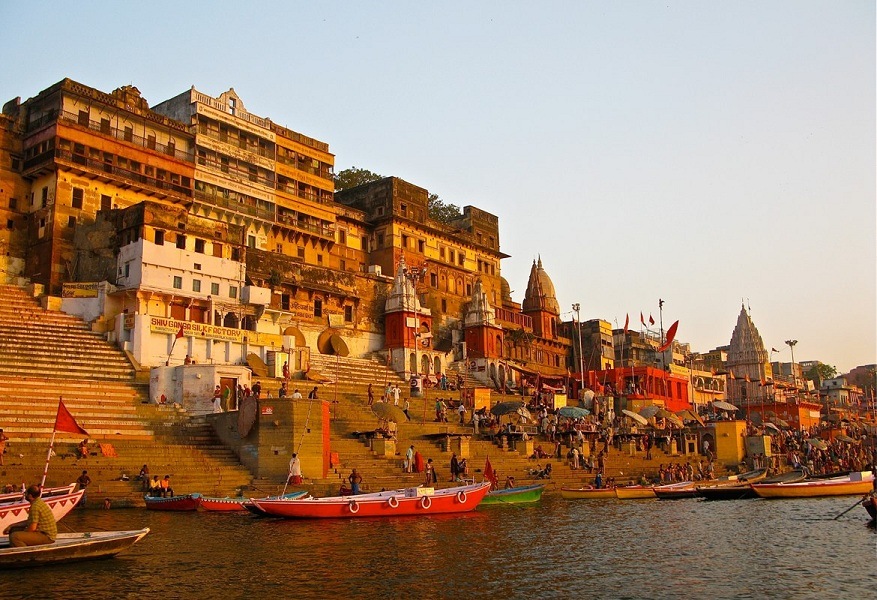
Campus Times | LucknowThe Uttar Pradesh government has announced free entry for schoolchildren and their families at museums and monuments managed by the State Archaeology Department during May and June 2026, as part of a wider initiative to promote domestic tourism, cultural engagement, and responsible resource use across the state.The decision was taken during a high-level review chaired by Tourism and Culture Minister Jaiveer Singh, who directed departments to align their functioning with Prime Minister Narendra Modi’s call for greater public participation in national interest initiatives.Alongside the tourism push, the minister instructed officials to significantly reduce fuel and electricity consumption in government operations. Departments have been advised to minimise the use of official vehicles, encourage carpooling among officers travelling on the same route, and prefer public transport and metro services wherever possible. Offices have also been asked to limit electricity consumption and reduce air-conditioner usage, while avoiding opening offices on holidays unless absolutely necessary.Heritage tourism and ‘Visit My State’ campaign to get major boostThe government is also planning an aggressive promotional campaign around Uttar Pradesh’s cultural and spiritual destinations under the “Visit My State” initiative. Cities and heritage circuits including Varanasi, Mathura, Prayagraj, Ayodhya, Bundelkhand, Chitrakoot, Agra, Naimisharanya, and Shakumbhari Devi Temple will be promoted through branding and outreach campaigns aimed at attracting more visitors during the summer season.Officials have also been asked to encourage destination weddings at tourism department properties and PPP-based hospitality units, tapping into Uttar Pradesh’s growing wedding tourism potential.To make travel more affordable for families, Tourism Department-run Rahi Tourist Bungalows and hotels will offer discounts ranging from 20 to 25 percent for family travellers with children during May and June.Cultural events, heritage walks and food experiences planned across stateThe state government is also preparing a large-scale calendar of cultural and heritage activities to improve visitor engagement.
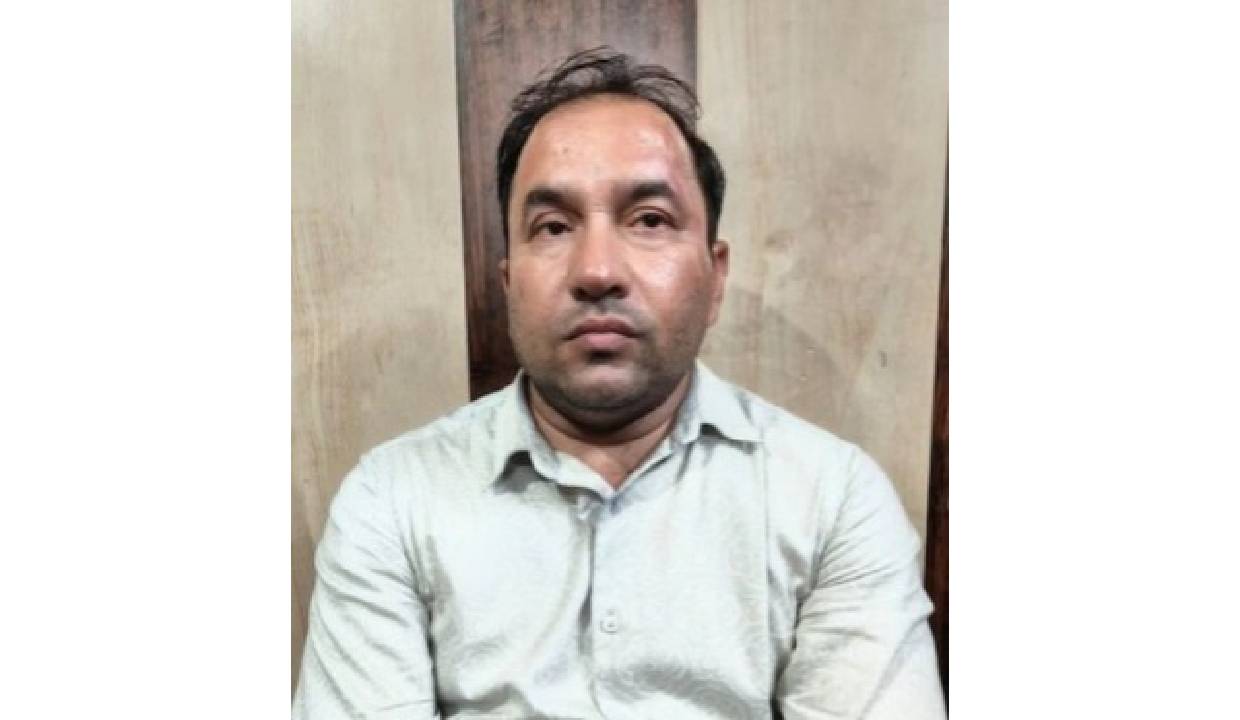
Campus Times | Lucknow The University of Lucknow has suspended an assistant professor from its Zoology Department following serious allegations of inappropriate conduct with a female student and an alleged attempt to provide a leaked examination paper.The action was taken during an emergency Executive Council meeting chaired by Vice Chancellor J P Saini after a disciplinary committee submitted its interim findings. According to university officials, the panel found prima facie evidence suggesting the professor violated the institution’s code of conduct and attempted to misuse his position for personal gain.Viral audio clips sparked controversyThe controversy erupted after audio recordings, allegedly featuring conversations between the professor and a BSc final-year student, surfaced on social media and quickly went viral. In one of the clips, the accused was reportedly heard addressing the student in an inappropriate manner while allegedly offering access to an examination question paper before the test.The recordings triggered widespread criticism and raised concerns over academic integrity and student safety within the university system.University issues charge sheetThe university administration has also served a formal charge sheet to the accused faculty member. He has been directed to submit a written explanation along with supporting evidence within 15 days. Officials stated that failure to respond satisfactorily could lead to further disciplinary action, including dismissal from service.The disciplinary committee reportedly observed that the alleged actions not only damaged the reputation of the university but also violated the dignity and trust associated with the teacher-student relationship.Police action and professor’s defenceThe accused professor was arrested on May 16 after an FIR was registered at Hasanganj police station on the complaint of the university’s controller of examinations.Before his arrest, the professor denied all allegations, claiming he was being targeted due to internal politics within the university. However, sources familiar with the Executive Council proceedings said he later acknowledged
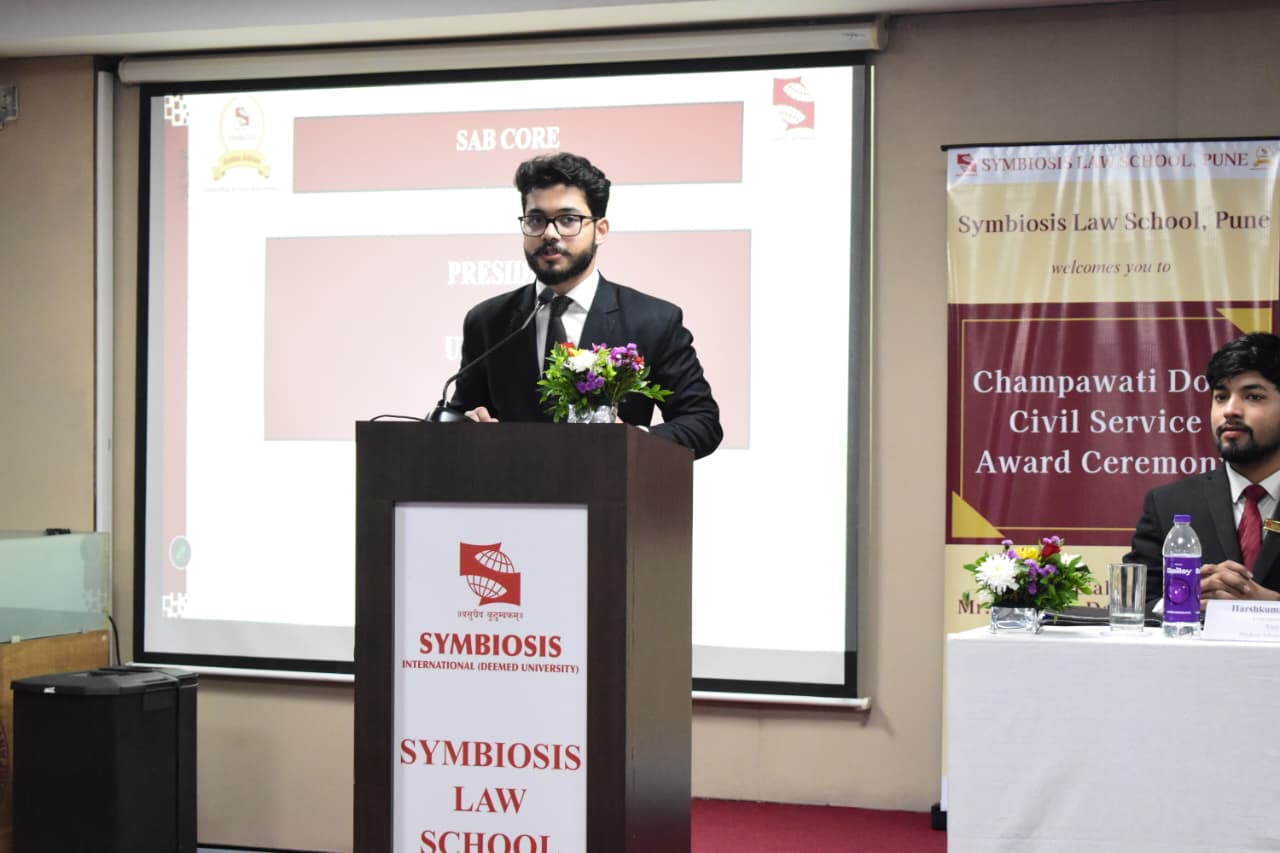
Campus Times | Lucknow Students from Lucknow have once again demonstrated their academic excellence and leadership prowess by securing prominent positions at the national level. In the recently held Student Council elections at Symbiosis Law School, Pune, students from the city achieved remarkable success.Urdhva Singh, a third-year BBA LL.B. (Hons.) student at the institute, has been elected as the President of the Student Council. A resident of Lucknow and an alumnus of La Martiniere College, Lucknow, Urdhva’s achievement highlights the growing influence of Lucknow students in premier educational institutions.Alongside him, Shashank Shekhar Singh and Aarav Baluja, also from Lucknow, have been elected as Vice Presidents. This accomplishment further strengthens the city’s strong and impactful presence within the institution.Urdhva Singh: A Strong Example of Leadership, Discipline, and CommitmentCurrently pursuing his third year in BBA LL.B. (Hons.) at Symbiosis Law School, Pune, Urdhva Singh’s election as Student Council President reflects his strong leadership skills, consistent engagement, and dedication to institutional responsibilities.Throughout his academic journey, he has actively balanced scholastic excellence with participation in co-curricular and community-driven initiatives. His approach to leadership reflects a blend of team coordination, sound decision-making, and organizational efficiency.The foundation of his leadership journey was laid during his school years. As a Senior Under Officer in the NCC (67 UP Battalion), he earned prestigious recognitions such as the “Best Commander” award. Additionally, his role as House Captain helped him develop key attributes like responsibility, leadership, and team management.Expressing his thoughts, Urdhva Singh said: “This responsibility is both an honor and a significant commitment for me. I will strive to ensure that the voices of students are effectively represented before the institution, and to foster a positive, inclusive, and progressive academic environment.”
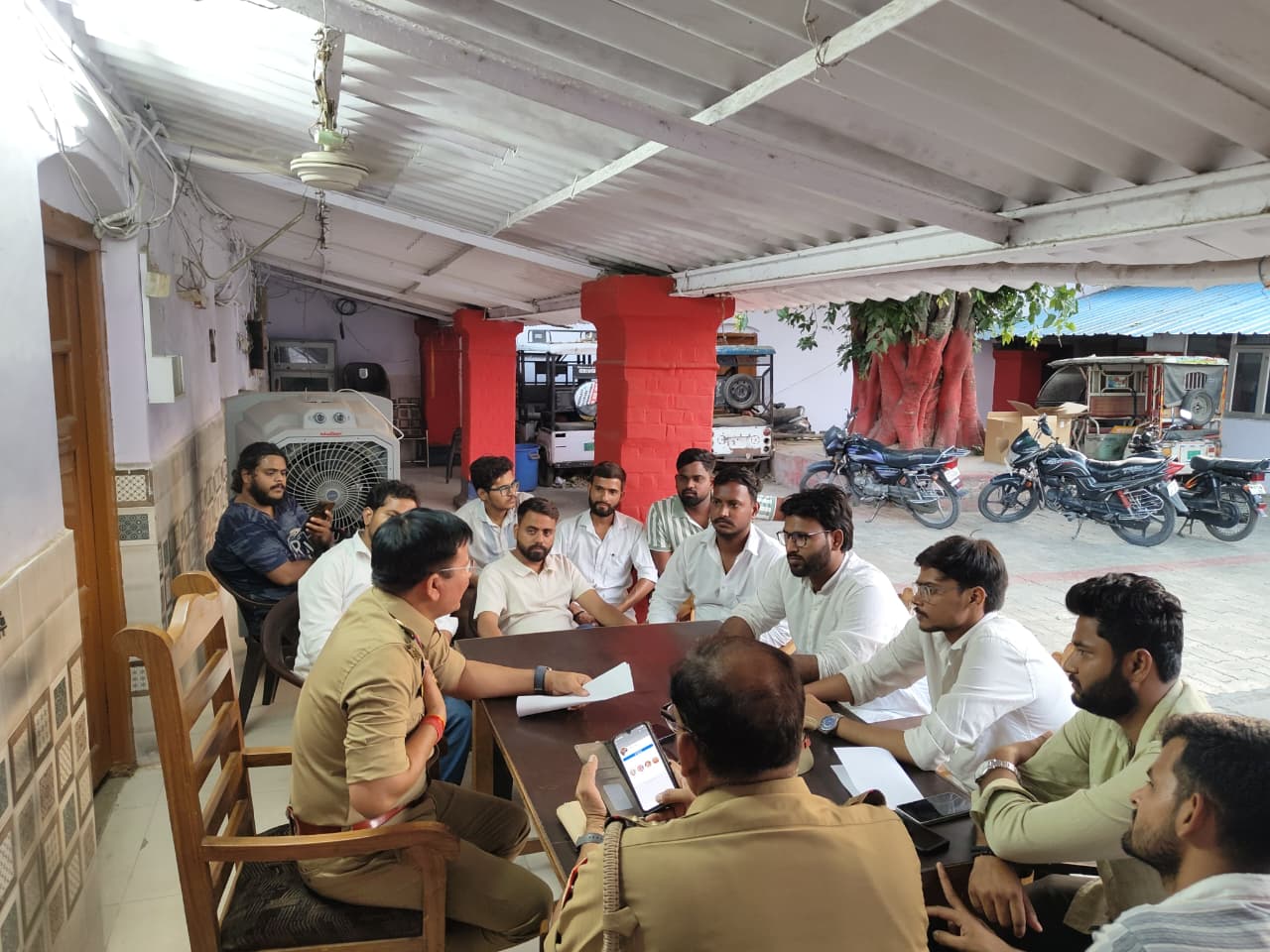
Campus Times | Lucknow Lucknow University (LU) has suspended five students for their alleged involvement in indiscipline during a protest against fee hike on April 28. The students are accused of blocking access to the Vice-Chancellor’s office, obstructing movement, and engaging in a scuffle with members of the proctorial board.The suspended students have been barred from entering the main campus until further notice. Those suspended include Rupendra Bahadur Singh (MA Composite History, first year), Harshit Shukla (LLB, second semester), Prasanna Shukla (MA AIH, first year), Shashi Prakash (MA Public Administration, first year), and Prem Prakash Yadav (MA Hindi, first year).According to the university administration, all five students have been directed to submit a written explanation within three days. Failure to respond within the stipulated time will lead to further disciplinary action.The suspension order was issued by Proctor Prof. Rakesh Dwivedi, citing violations of campus discipline and misconduct during the protest.Complaint Filed Against Proctor; Students Cite Photo Evidence, Call It “Planned Repression”In a parallel development, a formal complaint seeking registration of an FIR has been submitted at Hasanganj police station by student Prem Prakash Yadav against Proctor Prof. Rakesh Dwivedi. The complaint alleges physical assault, intimidation, and threats by the proctorial team during the April 28 protest against the fee hike.According to the complaint, students had gathered to initiate dialogue with the Vice-Chancellor, but instead of engagement, force was allegedly used. Students claim they were pushed, verbally abused, and threatened with consequences to their academic future.Prem Prakash Yadav said, “We were not even allowed to present our concerns. We were pushed, abused, and threatened… I was told my career would be destroyed.”Student groups also claim that photographic evidence exists documenting the incident, which they say contradicts the administration’s version and shows use of force against peaceful protesters.Echoing this, a student leader said,
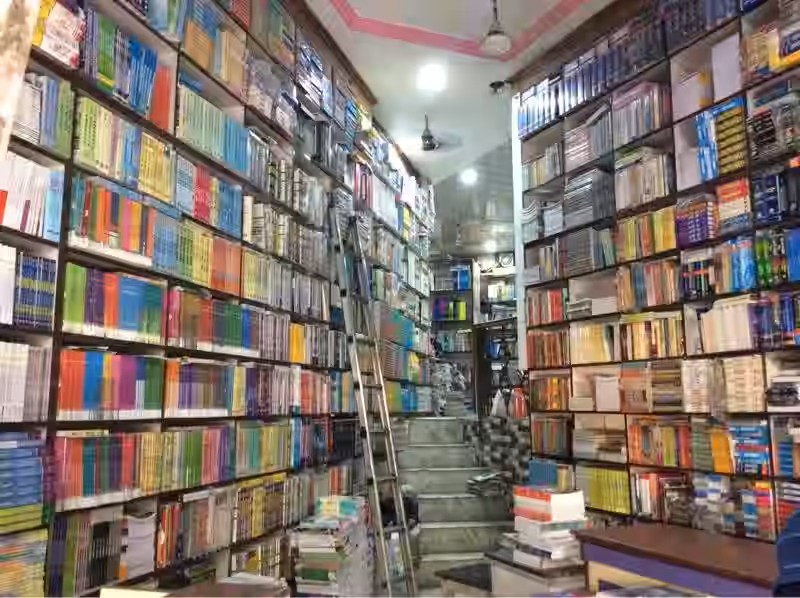
Campus Times | Lucknow The beginning of the new academic session has turned stressful for many Class 9 students and their families, as essential NCERT textbooks remain unavailable across several bookstores in the city. Key subjects such as Science (Exploration), Mathematics, and Social Science are reportedly out of stock, forcing parents and students to make repeated visits to shops without any clear assurance of availability.Booksellers have acknowledged the shortage but say they are unable to provide a timeline for restocking. As a result, families are facing uncertainty at a crucial time when classes have already commenced.Experts attribute the situation to delays in finalising the updated Class 9 syllabus. According to sources, the revised curriculum was approved shortly before the academic session began, leaving insufficient time for printing and distribution. Educationists have criticised the lack of planning, noting that such gaps place unnecessary pressure on students and create avoidable disruptions in learning.Social Science Textbook Yet to Be ReleasedAdding to the concerns, the first volume of the new Class 9 Social Science textbook has not yet been released. While some revised books were made available around April 10 and the first part of the Mathematics textbook was released only recently, Social Science continues to remain unavailable.Teachers are finding it difficult to proceed with the syllabus in the absence of official textbooks. A teacher from a Kendriya Vidyalaya stated that classes are being affected, increasing pressure to complete the curriculum on time.In some cases, schools are relying on digital alternatives. Students report that teachers have downloaded copies from the official website, but the lack of physical books remains a significant challenge for effective classroom learning.Online Price Surge Raises ConcernsAmid the shortage, another issue troubling parents is the sharp rise in prices of NCERT textbooks on online platforms. The Class 9 Science (Exploration) book, officially

Campus Times | LucknowA high-paying job offer reportedly touching ₹80 lakh has triggered curiosity—and concern—after it revealed an unusual clause: nearly half the package would only be paid under a “kidnapping situation.”The offer, linked to graduates from the Indian Institutes of Management (IIMs), has ignited debate over how global roles in high-risk regions are structured and compensated.What’s the catch?While the headline salary appears lucrative, reports suggest that around ₹40 lakh is tied to a contingency clause—activated only if the employee faces extreme situations such as kidnapping while working in certain international locations.This component is part of a broader “kidnap and ransom insurance” framework, often used by multinational firms operating in volatile or conflict-prone regions.Why such clauses existCompanies hiring for roles in sensitive geographies often include special risk allowances and insurance-backed payouts. These are designed to compensate employees for potential threats, including abduction, extortion, or political instability.However, such clauses are rarely highlighted in mainstream placement discussions—making this case stand out.Mixed reactions on campusThe revelation has sparked mixed reactions among students and experts. While some see it as a reflection of global exposure and high compensation, others question the ethical and safety implications of such roles.For many, it raises a deeper question: how much risk is too much, even for a high-paying job?This isn’t just about a big package—it’s about what lies beneath the numbers. As placement offers become more global, students are being pushed to weigh not just salary figures, but also the real-world risks attached to them.

Campus Times | LucknowIn a significant push into the short-form content space, JioStar has launched over 100 micro-drama shows under its ‘Tadka’ banner on JioHotstar. The large-scale rollout marks one of the biggest entries into India’s rapidly expanding bite-sized entertainment segment.The newly launched shows are designed for quick viewing, with episode durations ranging between 60 and 90 seconds. Presented in a vertical format, the content is tailored for mobile users, reflecting evolving consumption habits among younger audiences.The launch coincides with the ongoing Indian Premier League 2026, allowing the platform to tap into high digital traffic. With millions of viewers already streaming IPL matches, the company is leveraging the tournament’s reach to promote its new content offering.Industry observers note that the monetisation strategy is central to the initiative. The shows are available free of cost and supported by advertisements, with brands integrated into storylines. This approach highlights a growing trend of combining entertainment with direct advertising.The move comes amid rising competition in the micro-drama segment. Platforms such as MX Player and firms like Zee Entertainment Enterprises have already explored short-format storytelling, building an early user base.According to industry estimates, India’s micro-drama market, currently valued at around $300 million, is expected to grow substantially in the coming years. International markets, particularly China, have already seen strong growth in this segment.With this launch, JioStar is positioning itself to capture a share of the emerging market, betting on short, mobile-first content as the next phase of digital entertainment growth.
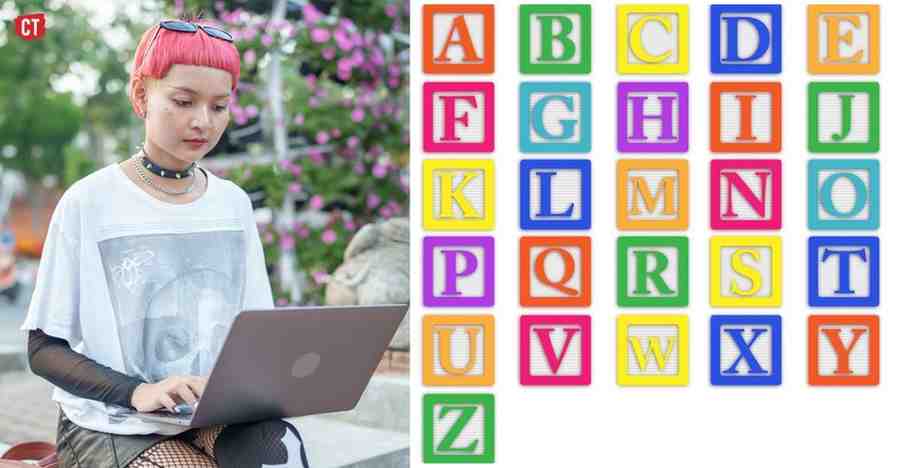
Campus Times | LucknowWhy do lessons once memorised in classrooms fade as we grow older? Experts in Cognitive Science say the answer lies in how the human brain develops, stores, and prioritises information over time.One of the primary reasons is Childhood Amnesia. In the early years, the brain—particularly the hippocampus, which plays a key role in memory formation—is still maturing. As a result, many memories formed during childhood fail to consolidate into long-term storage.Another factor is the nature of early learning itself. Much of school education in the initial years relies on memorisation rather than deep understanding. Without repeated use or meaningful engagement, such information tends to fade, a process explained by Memory Decay Theory.Experts also point to Neural Pruning—a natural process where the brain removes weaker or unused neural connections to improve efficiency. As individuals grow, the brain retains what is frequently used and discards what is not, leading to the gradual loss of early academic memories.The learning environment plays a crucial role as well. When knowledge is not linked to real-life application or emotional context, it is less likely to be retained. Rote learning, still prevalent in many systems, often limits long-term memory formation.Changing Memory PatternsRecent studies in developmental neuroscience have added fresh insights to this phenomenon. Researchers note that rapid brain growth in children, including the formation of new neurons, can interfere with previously stored memories. This ongoing brain plasticity makes early memories more fragile.At the same time, modern lifestyle changes are influencing how memory works. Increased screen time and reduced face-to-face interaction are affecting attention spans and deep learning abilities. Experts describe this shift as “cognitive offloading,” where reliance on digital devices reduces the need to store information internally.Research also highlights the importance of “retrieval practice”—actively recalling information multiple times—to strengthen long-term memory, as opposed to
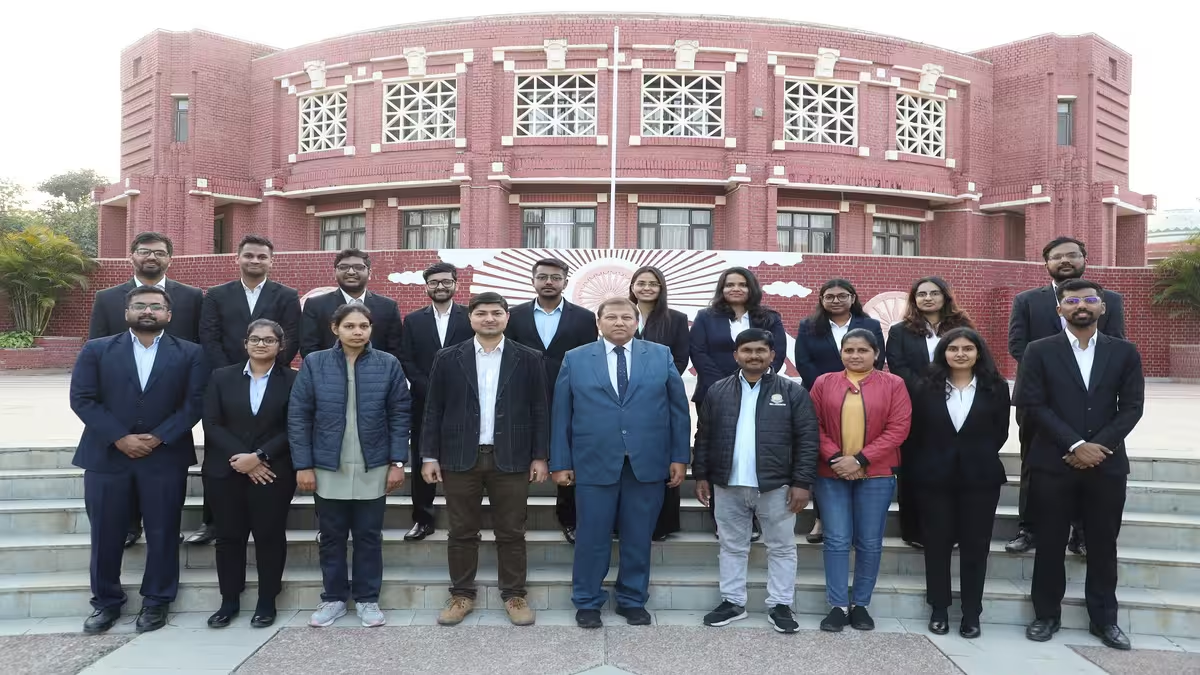
IIM Lucknow Placements 2026: Domestic Packages Outshine International Offers with ₹1 Crore Milestone
Campus Times |LucknowThe Indian Institute of Management Lucknow (IIML) has successfully concluded its 2026 final placement season for the 40th batch of the Post Graduate Programme (PGP) and the 21st batch of the Post Graduate Programme in Agribusiness Management (PGP-ABM). A total of 559 students received over 580 job offers, underlining strong industry demand for IIM Lucknow graduates.The highest domestic package offered this year stood at ₹1 crore per annum, surpassing the top international salary of ₹65 lakh per annum — a notable shift where domestic roles outpaced international offers in compensation. The average salary stood at ₹33.2 lakh per annum, while the median package was close to ₹32.9 lakh, reflecting balanced opportunities across roles.Top recruitersTop global recruiters, including Accenture, Amazon, McKinsey & Company, Boston Consulting Group, Deloitte, Goldman Sachs, Google, and Microsoft participated in the placement drive, offering roles across consulting, finance, general management, product management, operations, sales & marketing, and e-commerce sectors. This year’s placements were conducted in a hybrid format, with participation from over 200 domestic and international companies, including several first-time recruiters, reinforcing IIM Lucknow’s position as a premier destination for corporate talent. The Placement Chairpersons and institute leadership stated that the strong outcomes reflect the students’ adaptability, analytical rigor, and the institute’s industry-aligned curriculum.
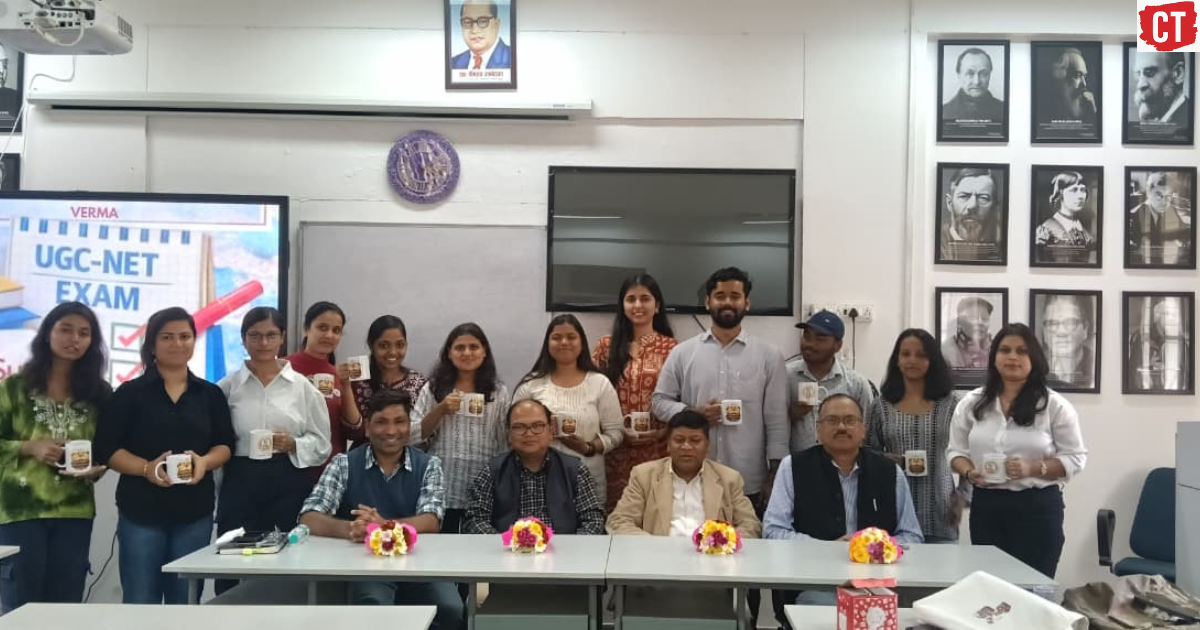
Campus Times | LucknowBabasaheb Bhimrao Ambedkar University organized a felicitation ceremony titled Gyan Sadhna se Safalta Tak to honour students who qualified the UGC-NET examination DEC.2025.This event Held under the guidance of Hon’ble Vice-Chancellor Prof. Raj Kumar Mittal; the event celebrated the academic excellence and dedication of students who brought pride to the university. The achievers—Gaurav Mishra, Khushi, Adeeba Nisar, Vandana, Disha Verma, Tanu Mishra, Nikita, Shaumya Sharma, Shambhavi, Dikshit, Shreya, and Janhvi Verma—were felicitated with bouquets and certificates of appreciation.Addressing the gathering, faculty members described the achievement as a testament to perseverance, discipline, and focused preparation. They emphasized that such success reflects both the students’ hard work and the department’s academic mentorship. The department reaffirmed its commitment to nurturing research-oriented and socially responsible scholars.The ceremony was graced by the esteemed presence of Hon’ble Vice-Chancellor Prof. Raj Kumar Mittal, along with senior faculty members including Prof. B.B. Malik (Head, Department of Sociology), Prof. B.N. Dubey, Prof. Shura Darapuri, Dr. Brajesh Kumar, and Dr. Ajay Kumar. The programme concluded with a vote of thanks, leaving behind a message that consistent effort and guided learning pave the way from Gyan Sadhna (dedicated pursuit of knowledge) to Safalta (success)
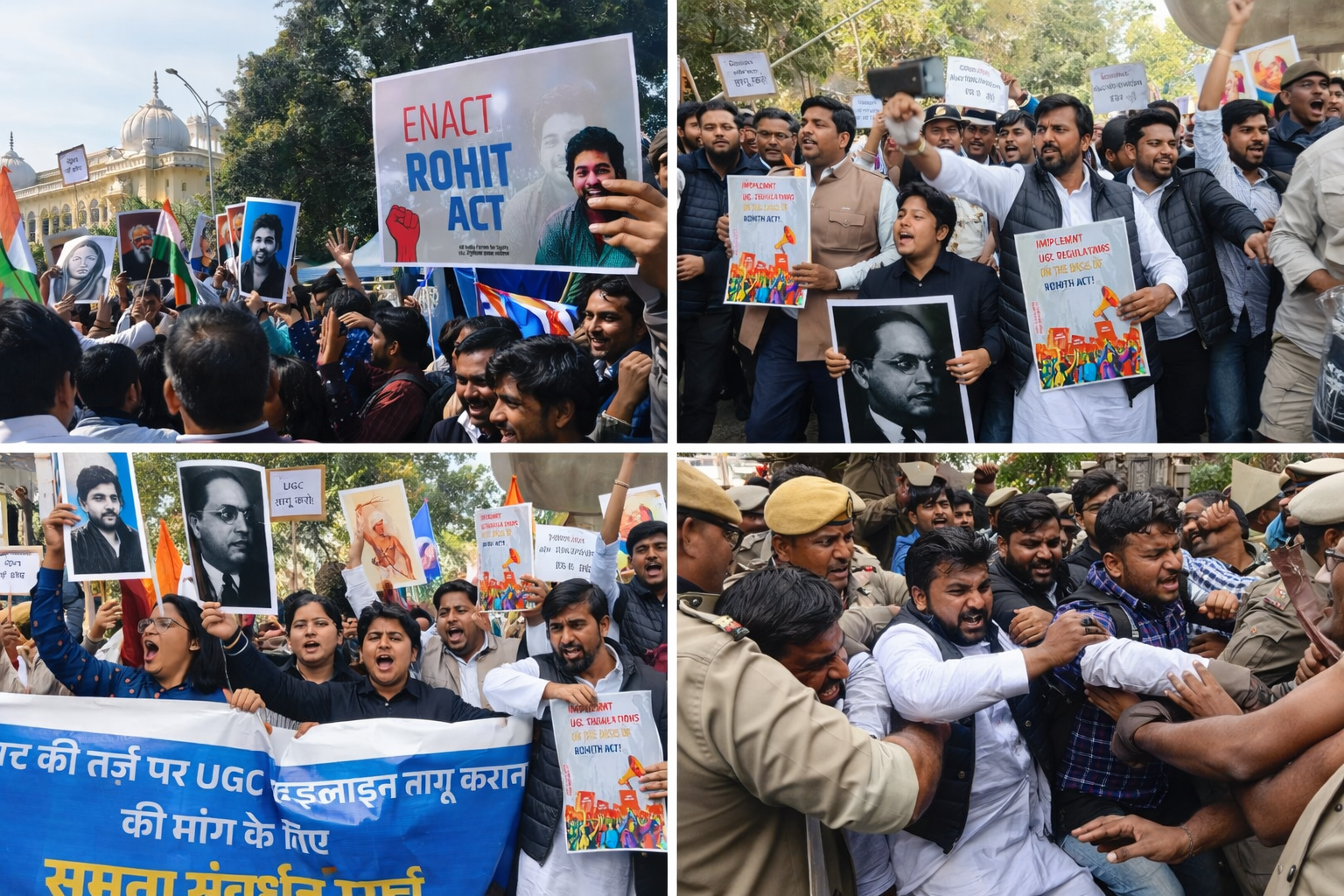
Campus Times | LucknowThe march was organized with clear and structured demands for stronger equity mechanisms in higher education. Students sought legal recognition of caste-based discrimination as an institutional offence, the establishment of independent anti-discrimination bodies, the formation of a State Higher Education Social Justice Commission, time-bound grievance redressal systems, and protection for complainants.Citing a 118% rise in discrimination complaints over the past five years, students argued that existing mechanisms are inadequate. Despite prior notice of a peaceful protest, the event witnessed heavy police deployment, barricading, and detentions. Even then, students maintained that their movement remained peaceful and focused on making universities more just, accountable, and inclusive.Several student organizations, including AISA, NSUI, SCS, BASF, SFI, BAPSA, Yuva, and the Ambedkarite Students’ Association, extended their solidarity to the march.Student unions collectively stated that discrimination in higher education is not confined to any one group but is a shared concern of the entire student community.Speaking to the media, student leaders saidMahendra Yadav, National Vice-President of SCS, stated that caste-based discrimination is a structural problem that requires legal recognition and external oversight.Shubham Kharwar, General Secretary of NSUI Uttar Pradesh, said that it is unjust to stop students from raising constitutional demands through force, adding that institutional accountability cannot be suppressed.Varun Azad of BASF remarked that dragging student leaders away reflects intolerance toward democratic dissent.Harshvardhan, Joint Secretary of AISA Uttar Pradesh, said that the sharp rise in discrimination complaints underscores the urgent need for an independent and enforceable equality mechanism.
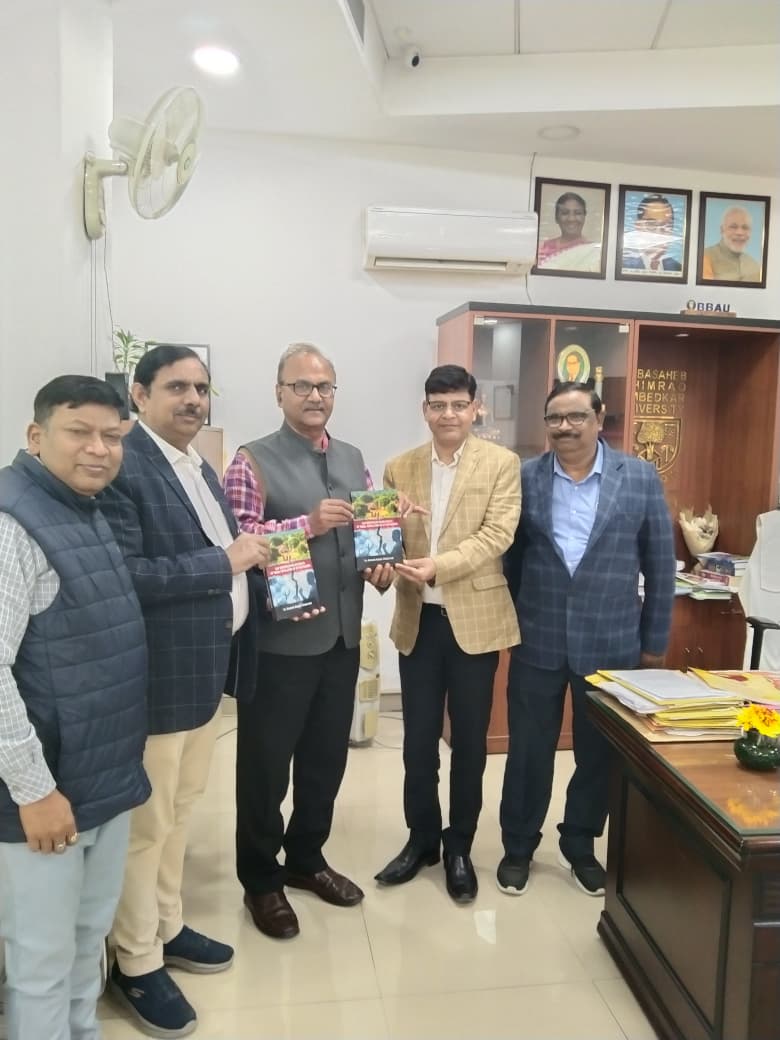
Campus Times| LucknowThe book presents the findings of a contemporary research project funded by the Ministry of Tribal Affairs, Government of India, and the Uttar Pradesh Scheduled Castes and Scheduled Tribes Research and Training Institute, Lucknow. Recognized by International JournalAdding to the university’s pride, the research findings have been approved by the globally reputed Journal of Racial and Ethnic Health Disparities, published by Springer Nature. The journal is widely recognized for publishing critical studies related to health disparities among indigenous, tribal, and ethnic communities worldwide. University officials termed this international recognition as a milestone, reflecting the growing global relevance of research conducted at BBAU.Tribal Health Challenges in Uttar PradeshDr. Chaturvedi’s book provides a detailed analysis of the health conditions of tribal communities in Uttar Pradesh. It highlights the stark disparities between tribal and non-tribal populations across several health indicators. The research points out that limited access to healthcare facilities, lack of infrastructure, and geographical isolation remain major barriers affecting the overall well-being of tribal communities in the state.Solutions to Bridge the Health GapBeyond identifying the gaps, the book also suggests practical and implementable solutions. Key recommendations include1. Establishment of mobile medical units in remote tribal areas2. Appointment of community-based health volunteers or health mitras3. Setting up Jan Aushadhi Kendra in tribal-dominated regionsAccording to the research, these measures can significantly improve healthcare accessibility and quality, helping bridge the existing health gap.Pride for the University The university administration described the publication as a proud moment for BBAU and expressed confidence that the research would contribute meaningfully to policymaking and improving the health status of tribal communities in Uttar Pradesh.With increasing focus on tribal welfare and public health reforms, this research-based book is expected to play an important role in shaping future interventions aimed at reducing health disparities in the state
.jpeg)
Campus Times|LucknowOn February 11, Babasaheb Bhimrao Ambedkar University (BBAU) hosted a special lecture titled “BBAU Moving Towards Sustainable Development” under its Eminent Lecture Series. The program was presided over by Vice-Chancellor Prof. Raj Kumar Mittal, with Prof. Naveen Kumar Arora, Chairperson of the SDG Committee, as the chief speaker. Prof. Sunita Mishra and Prof. Shilpi Verma, Chairperson of the Eminent Lecture Series Committee, were also present on stage.VC on Education and SDGsVice-Chancellor Prof. Raj Kumar Mittal emphasized that education is a key driver of social and economic development. He highlighted the university’s efforts to integrate Sustainable Development Goals (SDGs) into its curriculum to prepare students as leaders capable of driving positive societal change. Referring to NEP 2020, he stressed that universities must focus on practical knowledge and skill development, not merely degree awarding.Prof. Mittal said achieving the vision of a “Developed India 2047” requires quadrupling the economy, supported by equitable systems, livelihoods, industrialization, entrepreneurship, and environmental protection. He encouraged researchers to undertake socially and economically relevant projects and urged teachers and students to participate actively in SDG initiatives. The Vice-Chancellor also announced that students excelling in SDG-related activities will be honored on April 14, the University Foundation Day.Prof. Arora on SDGs and University InitiativesChief speaker Prof. Naveen Kumar Arora, Chairperson of BBAU’s SDG Committee, delivered a lecture on the evolution and global framework of Sustainable Development Goals (SDGs). Tracing their journey from the 1972 Stockholm Conference to the Rio Earth Summit, Millennium Development Goals, Rio+20 Summit, and formal adoption, he highlighted the 17 goals, 169 targets, and 247 indicators, emphasizing the principle of “leaving no one behind.”He stressed BBAU’s role in achieving SDGs through teaching, research, innovation, youth awareness, interdisciplinary collaboration, and evidence-based evaluation. Sustainable development, he noted, rests on three pillars: economic growth, social equality, and environmental protection. Each
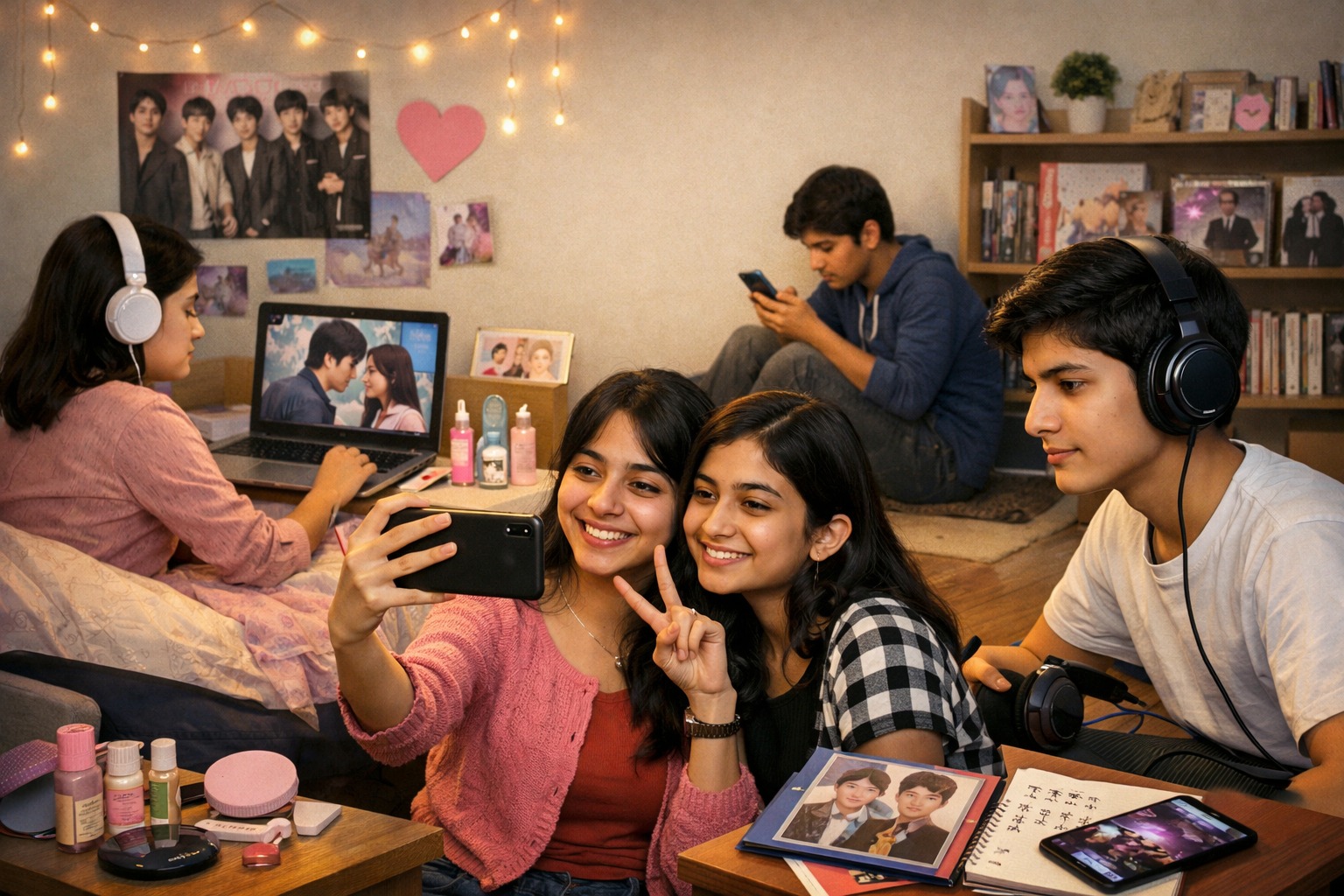
Campus Times|LucknowWelcome to the era of Hallyu, where a handful of Korean words are universally recognised and the line between admiration and obsession is increasingly blurred. K-pop schooled the world in razor-sharp choreography, K-dramas trained it to weep on schedule, and K-beauty convinced it that visible pores are a personal flaw. What passes as a playful embrace of Korean culture, however, often comes with fine print—subtle, seductive, and rarely questioned.In recent years, Korean pop culture, known as the “K-wave”, has made a profound impact on teenagers in India. From K-dramas and K-pop music to fashion trends and language learning, teens are increasingly integrating elements of Korean culture into their daily lives.Why Teens Are Drawn to Korean CultureIdentity and Self-Expression: Many adolescents use K-pop and K-drama fandoms to explore their personalities, experiment with fashion, and connect with like-minded peers.Digital Immersion: Social media platforms like Instagram, YouTube, and short-video apps provide endless access to Korean content, allowing teens to engage with communities that share similar interests.Escapism and Entertainment: Immersive storylines, relatable characters, and visually appealing music videos offer a form of emotional escape from academic pressure or daily stress.The Role of Online Games and MediaAlongside music and shows, Korean-themed online games and interactive content are gaining popularity among school-going students. These digital experiences often encourage teamwork, creativity, and social interaction but can sometimes lead to excessive screen time if not balanced with offline activities.Experts Advise BalancePsychologists and educators caution that while cultural engagement can be enriching, too much immersion—especially in gaming or social media—can increase stress, isolation, or emotional dependency. Parents are encouraged to set healthy boundaries, communicate openly, and support their teens in balancing online and offline life.Real-Life ImplicationsThe influence of Korean culture has reached a point where it shapes daily routines, fashion choices, and even social interactions of Indian teens.
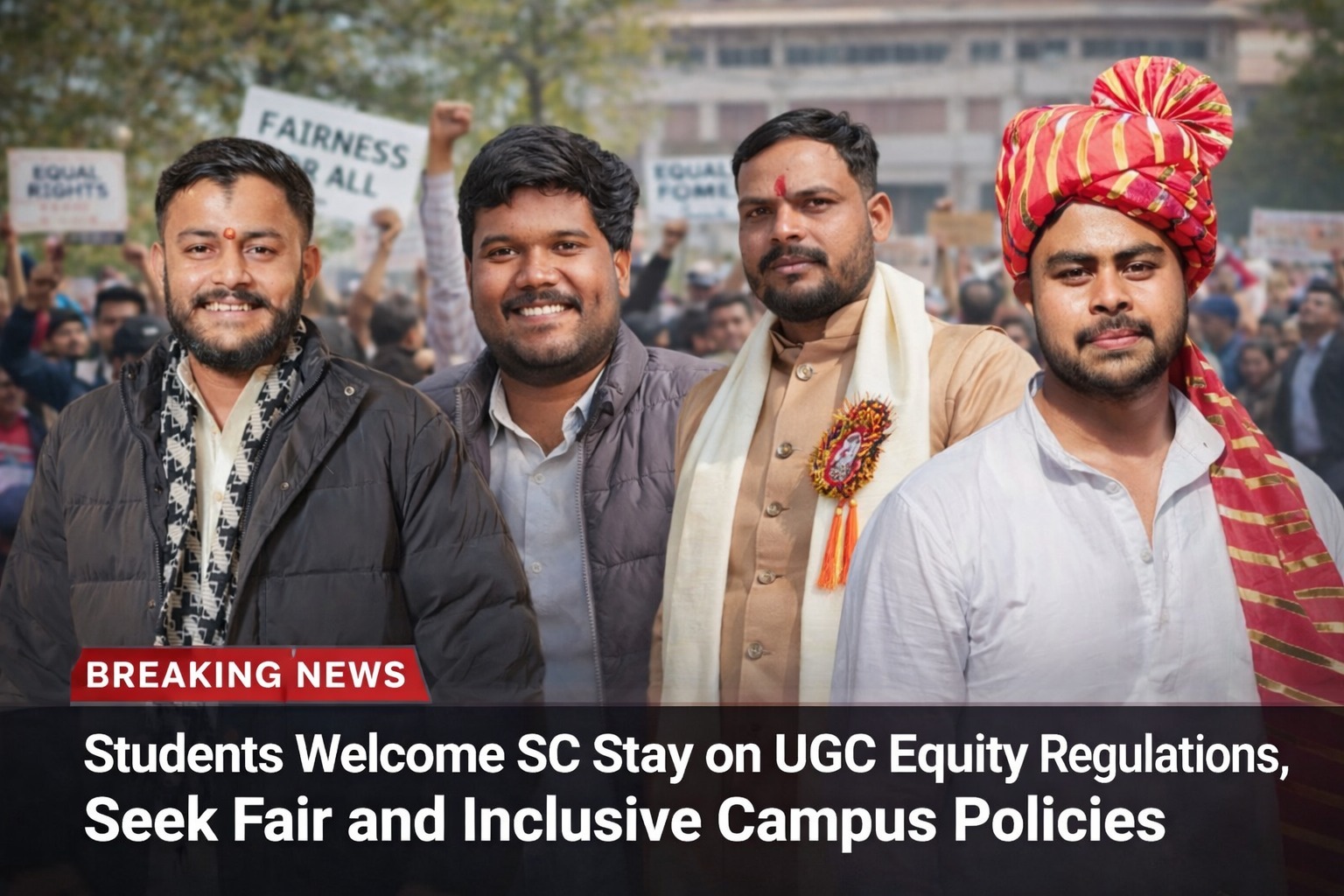
Campus Times | LucknowAt Lucknow University, student leaders and active campus voices expressed relief, stating that while addressing discrimination is necessary, regulations must be clear, balanced, and uniformly applicable to avoid creating new fault lines within educational institutions.Student leader Aryan Mishra said that any equity framework should treat students from all communities equally. He added that concerns regarding the regulations had been raised earlier with senior leadership and noted that the court’s intervention has revived hope for meaningful and positive reform. “Universities should be spaces of learning and unity, not division,” he said.Aman Dubey, a PhD scholar in the Department of Political Science, echoed similar views, emphasising that campuses must uphold dignity and equality for every student. While speaking out against discrimination is essential, he said policies should strengthen social harmony on campus rather than intensify differences.Student leader Jatin Shukla also welcomed the stay, saying it reflected a sensitive approach towards students’ concerns. He noted that decisions impacting higher education should prioritise fair opportunities and student welfare without disadvantaging any particular group.Adding a political perspective aligned with student sentiment, BJP member Anurag Tiwari said the Supreme Court’s order was welcome and expressed hope that necessary amendments would be made to the equity bill. He stressed that the changes should ensure the protection of all sections of society and promote inclusive development, rather than favouring any one group.Students further pointed out that ongoing protests and uncertainty around the regulations could disrupt the academic environment. Many called for a consultative approach, involving students, teachers, and education experts, before any revised regulations are finalised.During the hearing, the Supreme Court sought a response from the government and suggested a deeper review of the contentious provisions. For students, the stay is being viewed not merely as a legal pause, but as a chance to build

New Delhi:A Bench headed by the Chief Justice of India (CJI) issued notices to the University Grants Commission (UGC) and the Central Government, seeking their response within 15 days. The court noted that if it did not intervene at this stage, the regulations could create social divisions and result in dangerous outcomes.During the hearing, the CJI remarked that certain terms used in the UGC Regulations 2026 give an impression that the provisions are open to interpretation and misuse. The Bench emphasized that regulatory frameworks governing higher education must be clear, balanced, and free from ambiguity to prevent arbitrary application.Taking note of the concerns raised, the Supreme Court ordered a temporary suspension of the regulations until further consideration. The matter will be taken up for detailed hearing after the responses are filed by the UGC and the government.The stay has brought immediate relief to petitioners who had challenged the regulations, arguing that they could have far-reaching implications for academic freedom and institutional autonomy. Further proceedings in the case are expected once the court examines the justifications submitted by the authorities.The case will be heard next after the completion of the notice period.
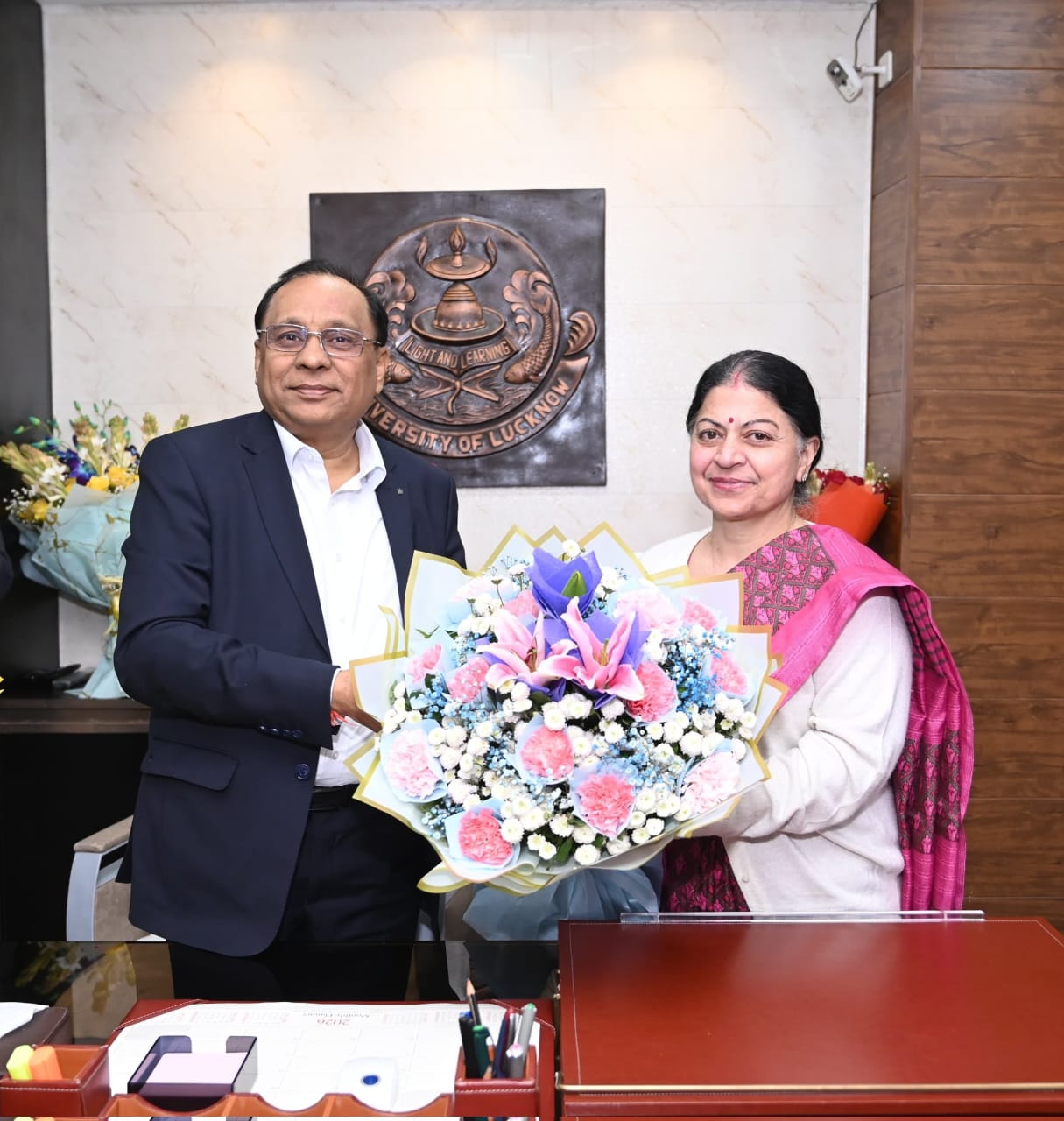
Lucknow | Lucknow University entered a new chapter of academic leadership with Professor Jay Prakash Saini assuming charge as its Vice-Chancellor on January 14, 2026. A seasoned academician and administrator, Prof. Saini brings with him more than 38 years of distinguished experience in higher education, research, and university governance. Known for his calm leadership and deep understanding of academic systems, Prof. Saini joins Lucknow University after serving in several prestigious roles across leading institutions in India. Before this appointment, he held the position of Vice-Chancellor at Madan Mohan Malaviya University of Technology (MMMUT), Gorakhpur, and Netaji Subhas University of Technology (NSUT), New Delhi. He also shouldered the additional charge of Vice-Chancellor, Delhi Technological University (DTU) for two years, reflecting the trust reposed in him by academic and administrative authorities. A Career Spanning Teaching, Research, and GovernanceProf. Saini’s academic journey is marked by both depth and diversity. He served as Director (HAG Scale) at the then Netaji Subhas Institute of Technology, New Delhi, Director of Dr. Ambedkar Institute of Technology for Divyangjan, Kanpur for two terms, and Principal of Madan Mohan Malaviya Engineering College, Gorakhpur. He also held additional charge as Principal of MKREC of Information Technology (now Government Engineering College), Azamgarh. Currently a Professor of Electronics and Communication Engineering at Bundelkhand Institute of Engineering and Technology (BIET), Jhansi, Prof. Saini has remained deeply connected to teaching despite holding top administrative positions. Strong Academic CredentialsProf. Saini completed his B.Tech in Electronics Engineering from KNIT Sultanpur in 1987, M.Tech in Electrical Engineering from IIT Kanpur in 1996, and earned his Ph.D. in Electronics Engineering in 2001 from KNIT Sultanpur/Dr. RML Avadh University (now Ayodhya). His academic grounding and research orientation have shaped his approach to leadership over the decades. Contributions to Examinations, Reforms, and National BodiesHe has played a key role in major examination reforms, serving