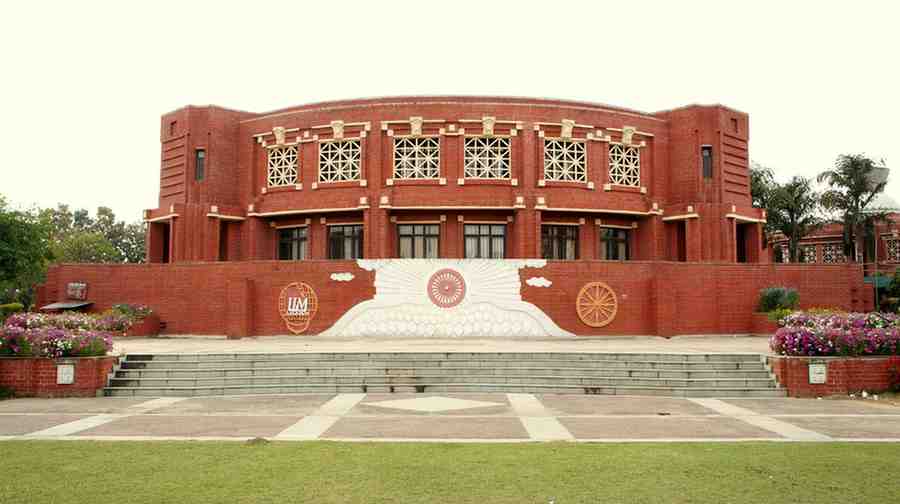
Campus Times | LucknowLocated in the culturally rich and rapidly developing city of Lucknow, IIM Lucknow stands as a centre of excellence in management education. Established in 1984, has grown into one of India’s most prestigious management institutions. The institute combines academic rigor with a dynamic learning environment, fostering innovation, leadership, and ethical values among its students. With a strong emphasis on research and industry engagement, it continues to contribute significantly to the evolving business landscape.Academic Programmes and AdmissionsIIM Lucknow offers a wide range of programmes for students, working professionals, and researchers, including PGP, PGP-ABM, IPMX (Executive MBA), FPM, and WMP, along with executive education programmes. Admissions are conducted through national-level examinations such as CAT and GMAT, followed by a rigorous selection process.Focus on Leadership and InnovationThe institute is committed to developing management systems that serve business, industry, and society. It promotes ethical leadership, critical thinking, and a global perspective, enabling students to address complex real-world challenges effectively.Infrastructure and Campus LifeSpread across a fully residential campus, IIM Lucknow provides modern infrastructure including:Fully residential campusSmart classrooms with modern teaching facilitiesAdvanced IT infrastructureComprehensive digital libraryWell-equipped research centresSports and recreational facilitiesHealthcare and wellness supportEnvironment promoting academic excellence and holistic developmentPlacements and Career OpportunitiesThe institute has a strong placement record with participation from leading national and international organizations. Students are offered diverse roles across consulting, finance, marketing, operations, and technology sectors, reflecting the institute’s strong industry interface.Achievements and StrengthsIIM Lucknow is widely recognized for its research contributions, global collaborations, and executive education initiatives. Its key strengths include highly experienced faculty, an industry-relevant curriculum, and a robust global alumni network.Fees and Financial SupportThe annual fee ranges approximately between ₹10–12 lakhs depending on the programme. Scholarships and financial assistance are available to support meritorious and deserving students.Director’s VisionThe institute remains focused on nurturing leaders with integrity,
Universities

Campus Times | Lucknow Uttar Pradesh has emerged as a significant force in India’s research and innovation ecosystem. The state is home to premier institutions driving scientific breakthroughs, technological advancements, and high-impact academic research. From IITs to central universities and specialized research academies, Uttar Pradesh continues to strengthen its role in knowledge creation and innovation.Here is a list of Uttar Pradesh’s top research institutions that excel in academic output, patents, publications, and innovation:Indian Institute of Technology Kanpur – NIRF Rank: 6One of India’s leading engineering institutions, IIT Kanpur is globally recognized for cutting-edge research in science, technology, and interdisciplinary innovation.Academy of Scientific and Innovative Research – NIRF Rank: 9A premier research-focused institution, AcSIR is known for advanced scientific research, doctoral programs, and strong collaboration with national laboratories across India.Banaras Hindu University – NIRF Rank: 16A historic central university with a strong multidisciplinary research culture, BHU contributes significantly across science, medicine, humanities, agriculture, and social sciences.Indian Institute of Technology (Banaras Hindu University) Varanasi – NIRF Rank: 22IIT (BHU) blends legacy with modern research excellence, particularly in engineering, materials science, and emerging technologies.Aligarh Muslim University – NIRF Rank: 28AMU maintains a strong research presence across sciences, social sciences, law, medicine, and professional studies, supported by extensive academic infrastructure.Amity University – NIRF Rank: 38A leading private university with growing research credentials, Amity focuses on industry-linked research, innovation, biotechnology, and global academic collaborations.These institutions, located in Kanpur, Ghaziabad, Varanasi, Aligarh, and Gautam Budh Nagar, highlight Uttar Pradesh’s expanding footprint in research-driven education. With a blend of legacy institutions and modern research centres, the state continues to contribute meaningfully to India’s scientific growth and knowledge economy.
Campus Times |LucknowUttar Pradesh has established itself as a key destination for management education in India. The state hosts premier institutions that combine academic rigor, industry exposure, research excellence, and strong placement records. From IIMs and IITs to leading private schools and central universities, Uttar Pradesh offers a dynamic ecosystem for aspiring management professionals.Here is a list of Uttar Pradesh’s top management institutions as per the NIRF Rankings: Indian Institute of Management Lucknow – NIRF Rank: 5One of India’s premier IIMs, IIM Lucknow is globally recognized for excellence in management education, leadership development, and research-driven programs.Indian Institute of Technology Kanpur – NIRF Rank: 27IIT Kanpur’s management programs integrate technology with business education, fostering innovation and analytical expertise.Institute of Management Technology, Ghaziabad – NIRF Rank: 30IMT Ghaziabad is a leading private B-school known for its strong corporate linkages, global exposure, and industry-oriented curriculum.Jaipuria Institute of Management, Noida – NIRF Rank: 41Jaipuria Noida emphasizes experiential learning, entrepreneurship, and professional skill development.Amity University – NIRF Rank: 49Amity’s management programs offer global collaborations, modern infrastructure, and diverse specializations in business studies.Banaras Hindu University – NIRF Rank: 60BHU’s management faculty blends academic tradition with contemporary business education and research.Birla Institute of Management Technology, Greater Noida – NIRF Rank: 61BIMTECH is known for its focus on sustainability, innovation, and strong industry integration.Jaipuria Institute of Management, Lucknow – NIRF Rank: 67The Lucknow campus of Jaipuria continues to build a reputation for quality management education and corporate engagement.Aligarh Muslim University – NIRF Rank: 69AMU offers comprehensive management programs supported by experienced faculty and research initiatives.Babasaheb Bhimrao Ambedkar University – NIRF Rank: 79BBAU provides management education with a focus on inclusivity, research, and academic development.Madan Mohan Malaviya University of Technology – NIRF Rank: 83MMMUT integrates technical and management education, preparing students for leadership roles in industry.University of Lucknow – NIRF
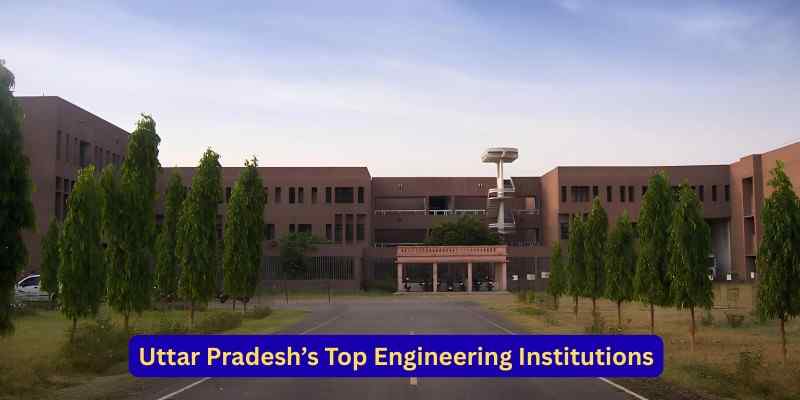
Campus times |Lucknow Uttar Pradesh continues to strengthen its position as a leading centre for technical education in India. The state is home to some of the country’s most prestigious engineering institutions, known for academic excellence, cutting-edge research, and strong industry connections. From IITs to National Institutes of Technology and specialized petroleum institutes, Uttar Pradesh plays a crucial role in shaping India’s engineering talent.Here is a list of Uttar Pradesh’s top engineering institutions that stand out in the NIRF Engineering Rankings-1. Indian Institute of Technology Kanpur – NIRF Rank: 4One of India’s premier engineering institutes, IIT Kanpur is globally recognized for advanced research, innovation, and excellence in science and technology education.2. Indian Institute of Technology (Banaras Hindu University) Varanasi – NIRF Rank: 10IIT (BHU) combines historic legacy with modern engineering education, excelling in core engineering disciplines and interdisciplinary research.3. Aligarh Muslim University – NIRF Rank: 34AMU’s Faculty of Engineering and Technology is known for strong academic foundations, research contributions, and quality technical education.4. Amity University – NIRF Rank: 37A leading private institution, Amity offers modern engineering programs supported by global collaborations and state-of-the-art infrastructure.5. Madan Mohan Malaviya University of Technology – NIRF Rank: 60Focused on engineering and applied sciences, MMMUT emphasizes innovation, practical training, and industry-oriented learning.6. Motilal Nehru National Institute of Technology – NIRF Rank: 62MNNIT Prayagraj is a prestigious NIT known for quality technical education, research output, and strong placement records.7. Rajiv Gandhi Institute of Petroleum Technology – NIRF Rank: 78RGIPT specializes in petroleum engineering and energy studies, contributing significantly to India’s oil, gas, and energy sectors.These institutions, spread across Kanpur, Varanasi, Aligarh, Gautam Budh Nagar, Gorakhpur, Prayagraj, and Amethi, reflect the depth and diversity of engineering education in Uttar Pradesh. With strong academic traditions and modern research capabilities, the state continues to produce skilled engineers and innovators for the nation and beyond.
.jpg)
Campus Times |LucknowUttar Pradesh continues to strengthen its position in legal education, with several universities earning recognition in the NIRF Law Rankings. These institutions are known for academic rigor, research in constitutional and contemporary law, moot court culture, and strong foundations in justice and public policy. Together, they are shaping the next generation of legal professionals, scholars, and judicial aspirants.Here is a list of Uttar Pradesh’s leading law institutions:1. Aligarh Muslim University – NIRF Rank: 9 AMU stands among the top law institutions in India, offering strong academic programs supported by experienced faculty and a rich intellectual legacy.2. Babasaheb Bhimrao Ambedkar University – NIRF Rank: 12 BBAU Lucknow is recognized for its focus on social justice, constitutional studies, and inclusive legal education.3. Dr. Ram Manohar Lahiya National Law University, Lucknow – NIRF Rank: 21 RMLNLU is a premier National Law University known for its academic excellence, competitive moot culture, and strong placement record.4. University of Lucknow – NIRF Rank: 29 One of the oldest universities in the state, LU has a long-standing reputation in legal studies and continues to produce distinguished legal professionals.5. Galgotias University – NIRF Rank: 36 Galgotias offers modern legal education with practical exposure, industry interaction, and a focus on emerging areas of law.These institutions, spread across Aligarh, Lucknow, and Gautam Budh Nagar, reflect the diversity and strength of legal education in Uttar Pradesh. With a blend of legacy institutions and modern law universities, the state continues to contribute significantly to India’s judicial and legal framework.

Campus Times |LucknowUttar Pradesh has firmly established itself as a major hub for higher education in India. The state is home to universities that blend historic legacy, cutting-edge research, and modern learning facilities. From central universities with rich traditions to innovative private institutions and premier medical and technical universities, Uttar Pradesh offers a dynamic and diverse academic landscape.Here is a list of Uttar Pradesh’s top universities that excel in academics, research, and campus life:1. Banaras Hindu University – NIRF Rank: 6 One of India’s oldest and most prestigious universities, BHU offers a wide range of programs in arts, science, engineering, medicine, and social sciences.2. Aligarh Muslim University – NIRF Rank: 10 A historic central university known for its strong academic programs, research excellence, and rich cultural heritage.3. Amity University – NIRF Rank: 22 A leading private university offering professional courses, global collaborations, and state-of-the-art infrastructure.4. Babasaheb Bhimrao Ambedkar University – NIRF Rank: 37 Recognized for excellence in social sciences, law, and humanities, BBAU serves as a growing centre for research and innovation.5. King George’s Medical University – NIRF Rank: 50 A premier medical university in India, KGMU is renowned for medical education, advanced research, and quality healthcare services.6. Shiv Nadar University – NIRF Rank: 57 A modern, research-driven university offering interdisciplinary programs in engineering, science, management, and liberal arts.7. Madan Mohan Malaviya University of Technology – NIRF Rank: 68 Focused on engineering and technology, MMMUT emphasizes innovation, technical expertise, and industry-oriented research.8. Sharda University – NIRF Rank: 87 A private institution offering diverse programs in engineering, management, law, and health sciences with modern campus facilities.9. University of Lucknow – NIRF Rank: 98 One of the oldest universities in Uttar Pradesh, LU excels in humanities, science, commerce, and legal studies.These universities, spread across Varanasi, Aligarh, Lucknow, Noida, Greater Noida, and Gorakhpur,
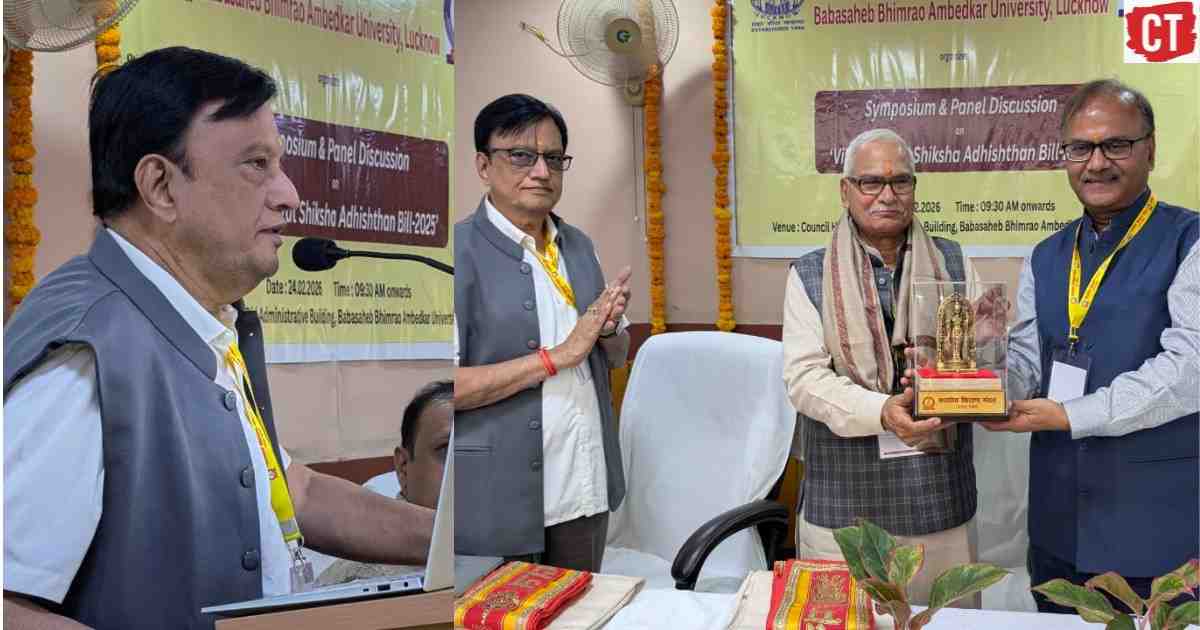
Campus Times | Lucknow A high-level symposium and panel discussion on the Viksit Bharat Shiksha Adhisthan Bill–2025 was organized at Babasaheb Bhimrao Ambedkar University (BBAU) in collaboration with Bharatiya Shikshan Mandal, Awadh Prant. The event focused on key higher education reforms aligned with the National Education Policy (NEP) 2020 and the vision of Developed India–2047.Speakers emphasized that the proposed Bill seeks to create a unified, transparent, and technology-driven regulatory system, strengthen institutional autonomy, enhance research and employability, and promote multidisciplinary, student-centric education.Dignitaries saidShri Swant Ranjan Ji stressed the importance of knowledge, values, and character-building in shaping responsible citizens for a developed India.Prof. Raj Kumar Mittal highlighted that education must foster innovation, discipline, leadership, and holistic growth beyond degrees.Prof. J.P. Saini underlined the need for administrative reforms, quality standards, and practical implementation under NEP 2020.Dr. S.S. Mantha described the Bill as a major structural reform aimed at improving transparency, autonomy, global competitiveness, and enrollment in higher education.The programme was presided over by Vice-Chancellor BBAU Prof. Raj Kumar Mittal, while Shri Swant Ranjan Ji, Akhil Bharatiya Pracharak Pramukh of RSS, attended as Chief Guest. Prominent speakers included Prof. J.P. Saini, Vice-Chancellor of University of Lucknow, and Dr. S.S. Mantha, Chancellor of Ramdeobaba University and former Chairman of All India Council for Technical Education.The event concluded with technical sessions and discussions analyzing the Bill’s provisions and its long-term impact on India’s higher education landscape.
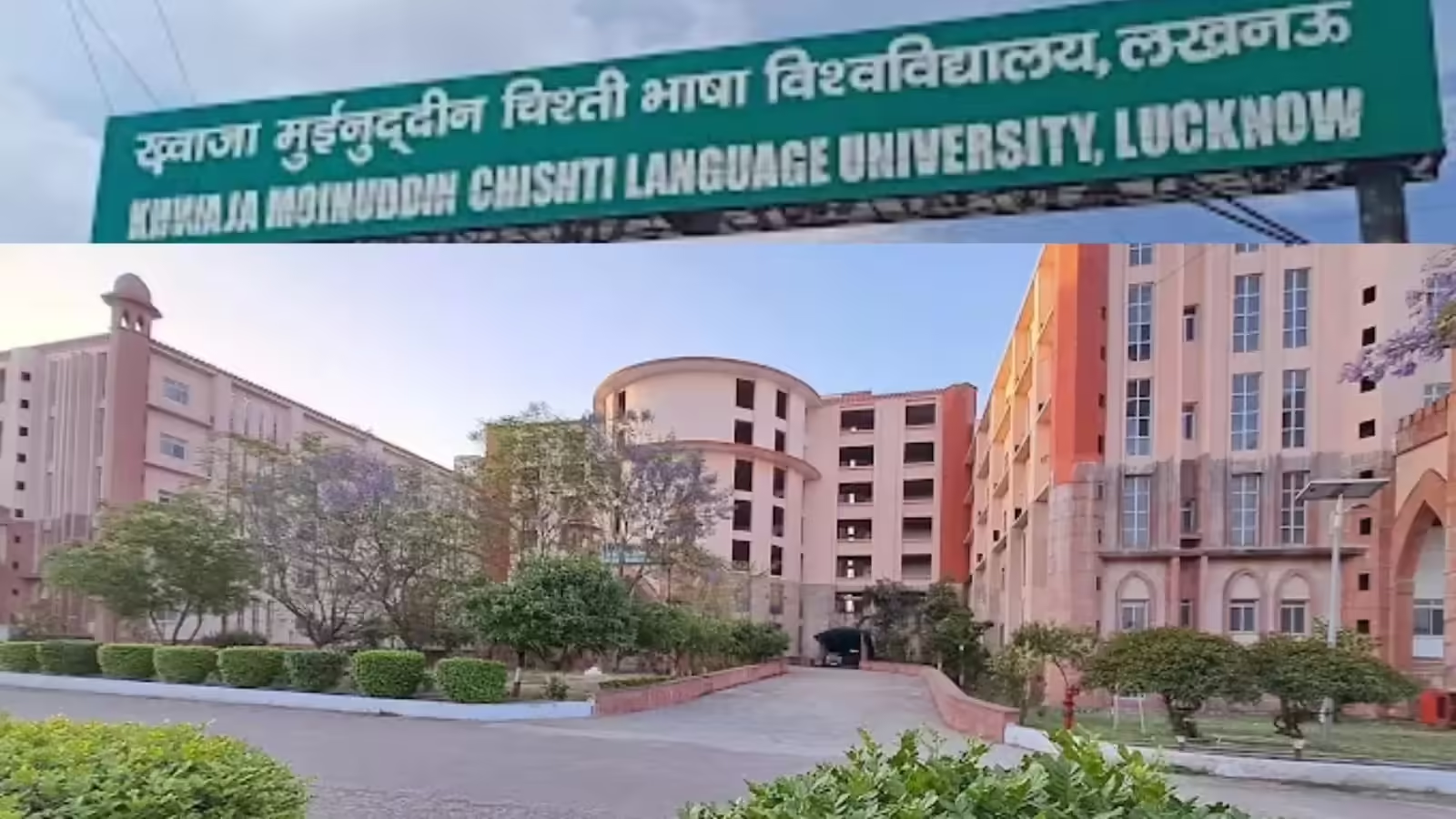
Campus Times| LucknowKhwaja Moinuddin Chishti Language University (KMC Language University) has officially approved 15 new academic programmes for the 2026–27 admission session, along with finalized seat intake and per-semester fee structure. The decision was cleared in the latest meetings of the Executive Council and Finance Committee. Currently offering around 65 courses, the university is now expanding its academic portfolio to include new programmes in humanities, sciences, engineering, and technology. Vice-Chancellor Prof. Ajay Taneja confirmed that all 15 newly introduced courses will commence from the upcoming academic session. Admissions will be granted strictly on a merit basis.KMC Language University Seats & Fee Structure 2026–27Here is the approved seat intake and per-semester fee structure for the new coursesArts & Humanities ProgrammesMA (Sanskrit) – 30 seats – ₹19,450 per semesterMA (Sociology) – 30 seats – ₹19,450 per semesterBA (Vocal Music) – 30 seats – ₹15,500 per semesterBA (Psychology) – 30 seats – ₹15,500 per semesterPhysical EducationBPES – 30 seats – ₹15,500 per semesterHome ScienceBSc (Home Science) – 30 seats – ₹12,750 per semesterMSc (Home Science) – 20 seats – ₹16,750 per semesterScience & BiotechnologyMSc (Zoology) – 20 seats – ₹64,200 per semesterMSc (Biotechnology) – 20 seats – ₹64,200 per semesterMSc (Microbiology) – 20 seats – ₹64,200 per semesterEngineering & TechnologyBTech (Cyber Security) – 60 seats – ₹87,650 per semesterMTech (Civil Engineering) – 18 seats – ₹89,850 per semesterMTech (Biotechnology) – 18 seats – ₹89,850 per semesterMTech (Structural Engineering) – 18 seats – ₹89,850 per semesterThe university administration has begun preparations for the new admission cycle. A detailed course brochure will soon be available on the official website, and the online application process is expected to begin after Holi 2026.
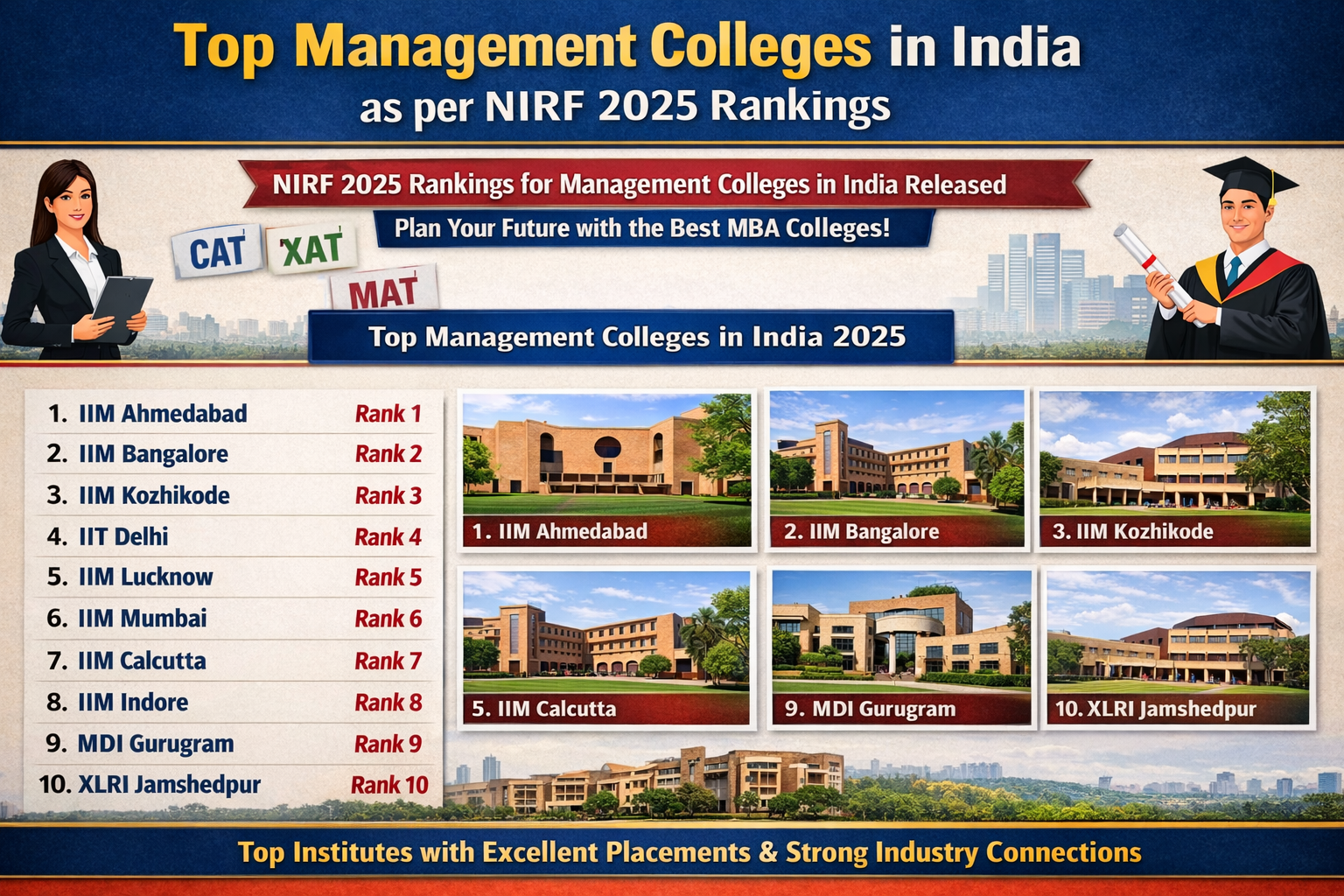
Campus Times/Lucknow: For students aspiring to build a successful career in the management field, choosing the right college is one of the most crucial decisions. To support this choice, the National Institutional Ranking Framework (NIRF) has released its 2025 rankings, offering clear guidance on the best MBA and management institutions in the country.These rankings help students compare institutions on key parameters such as academic excellence, placements, industry exposure, and overall reputation. Admission to top management colleges generally requires candidates to appear for national-level entrance exams like CAT, XAT, and MAT.With the release of NIRF Ranking 2025, students can now plan their preparation and career paths more strategically. By qualifying in these entrance exams and selecting the right institution, aspirants can significantly improve their chances of building a strong and successful future in management. Below is the list of the top management colleges in India as per NIRF 2025 rankings:Indian Institute of Management Ahmedabad (IIM Ahmedabad) – Rank 1Indian Institute of Management Bangalore (IIM Bangalore) – Rank 2Indian Institute of Management Kozhikode (IIM Kozhikode) – Rank 3Indian Institute of Technology Delhi (IIT Delhi – Management Programs) – Rank 4Indian Institute of Management Lucknow (IIM Lucknow) – Rank 5Indian Institute of Management Mumbai (IIM Mumbai) – Rank 6Indian Institute of Management Calcutta (IIM Calcutta) – Rank 7Indian Institute of Management Indore (IIM Indore) – Rank 8Management Development Institute Gurugram (MDI Gurugram) – Rank 9XLRI Jamshedpur (XLRI Jamshedpur) – Rank 10Symbiosis Institute of Business Management (SIBM) – Rank 11All the institutions listed above are known for:Excellent placement recordsStrong industry connectionsExperienced faculty and rigorous curriculumLeadership and skill development opportunitiesGraduating from these top-ranked management colleges not only enhances your academic credentials but also opens doors to high-paying job opportunities and long-term career growth in leading organizations.The NIRF 2025 Management Rankings serve as a reliable benchmark for
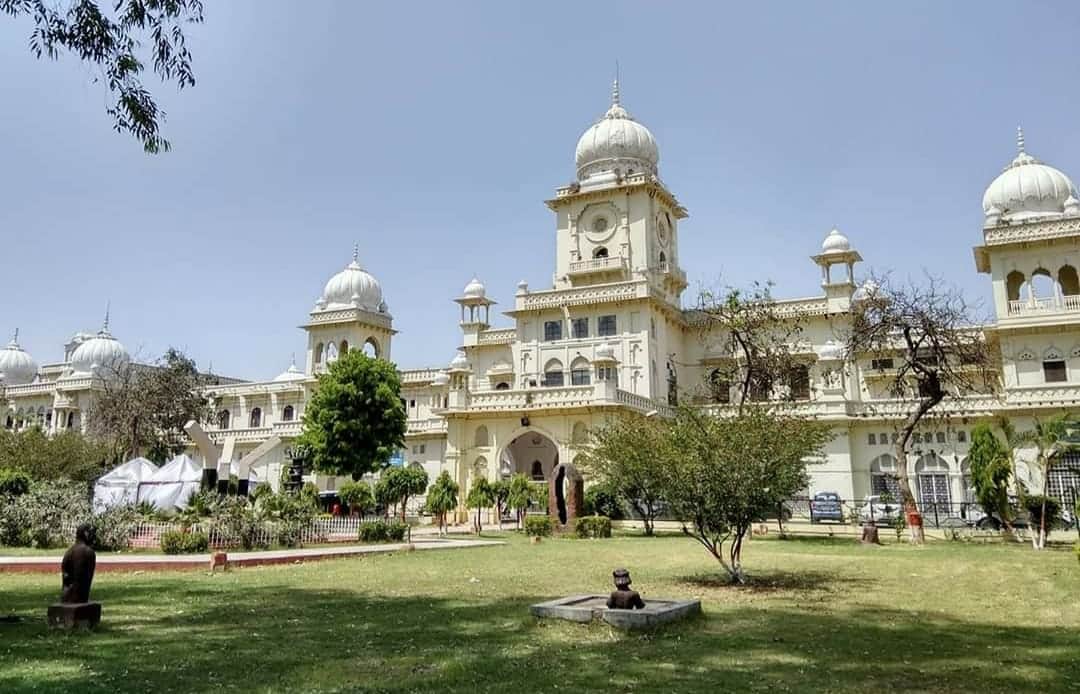
Lucknow | The University of Lucknow, one of India’s most historic and prestigious public universities, stands today as a powerful symbol of academic tradition, intellectual leadership, and inclusive education. Established in 1920, the university’s journey is deeply intertwined with the educational, cultural, and social evolution of northern India. The Vision That Sparked a UniversityThe idea of establishing a university in Lucknow was first proposed by Raja Sir Mohammad Ali Mohammad Khan of Mahmudabad, who articulated his vision through an influential article in The Pioneer. His appeal found strong support when Sir Harcourt Butler, then Lieutenant-Governor of the United Provinces, took keen interest in advancing higher education. Known for his progressive outlook, Sir Harcourt Butler played a decisive role in transforming the idea into reality.The first formal step came on November 10, 1919, when a General Committee of educationists and public figures convened at Government House, Lucknow, under Sir Harcourt Butler’s chairmanship. The blueprint for the new university was discussed and shaped during this historic meeting. Birth of a Teaching and Residential UniversityIt was resolved that the University of Lucknow would be a Unitary, Teaching, and Residential University, inspired by the recommendations of the Calcutta University Mission (1919). Faculties in Arts (including Oriental Studies), Science, Medicine, Law, and later Commerce, were envisioned from the outset—reflecting a holistic academic approach. Between late 1919 and early 1920, several sub-committees worked intensively to finalize academic and administrative structures. Their recommendations were approved in January 1920, with generous financial support announced by the Rajas of Mahmudabad and Jahangirabad, each contributing ₹1 lakh, marking one of the earliest philanthropic endorsements of the university. Legislative Foundation and Formal EstablishmentA draft bill for the university was prepared by C.F. de la Fosse, then Director of Public Instruction, and introduced in the Legislative Council in August 1920. After deliberations and amendments—including the inclusion
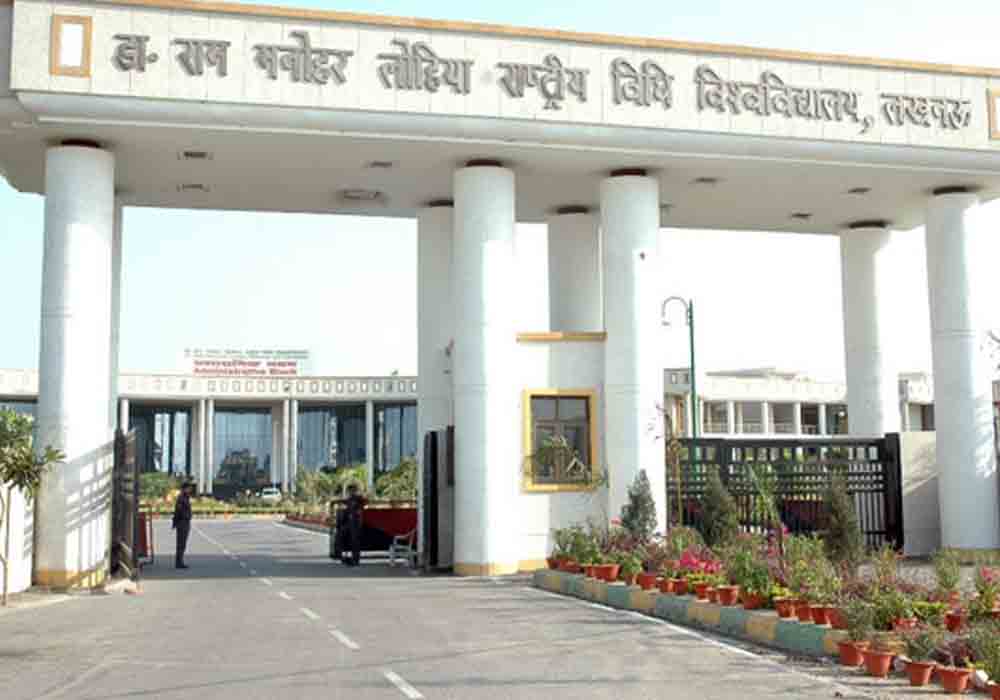
Lucknow | The transformation of law into one of the most sought-after career choices in India began in 1987 with the establishment of the National Law School in Bengaluru. That moment marked a turning point in legal education, introducing the idea of national law universities as centres of excellence, innovation, and professional training. Carrying forward this progressive vision, Dr. Ram Manohar Lohiya National Law University (RMLNLU), Lucknow, was established to meet the evolving challenges of the legal profession in the 21st century. Foundation and VisionDr. Ram Manohar Lohiya National Law University was established by the Government of Uttar Pradesh through U.P. Act No. 28 of 2005 and formally came into existence on 4 January 2006. Initially incorporated as Dr. Ram Manohar Lohiya National Law Institute, Uttar Pradesh, the institution was later granted university status through an amendment in November 2006, giving it a comprehensive national character in line with other premier National Law Universities of India.The university was founded with a clear mission—to strengthen professional legal education, promote research and scholarship, and produce socially responsible legal professionals equipped to handle the complexities of a globalized legal system. Commitment to Excellence in Legal EducationSupported by liberal grants from the Uttar Pradesh Government, RMLNLU is committed to providing state-of-the-art infrastructure and an intellectually stimulating environment for teaching, research, and training in law and legal processes. The university emphasizes not only academic excellence but also the development of professional skills required for advocacy, judiciary, legal services, legislation, and law reforms.Recognizing the increasing complexity of law in the age of globalization and multinational engagement, the university focuses on preparing students to meet contemporary legal challenges through a rigorous and reform-oriented academic framework. Objectives Rooted in Social ResponsibilityThe core objectives of Dr. Ram Manohar Lohiya National Law University include advancing and disseminating knowledge of law and legal processes,
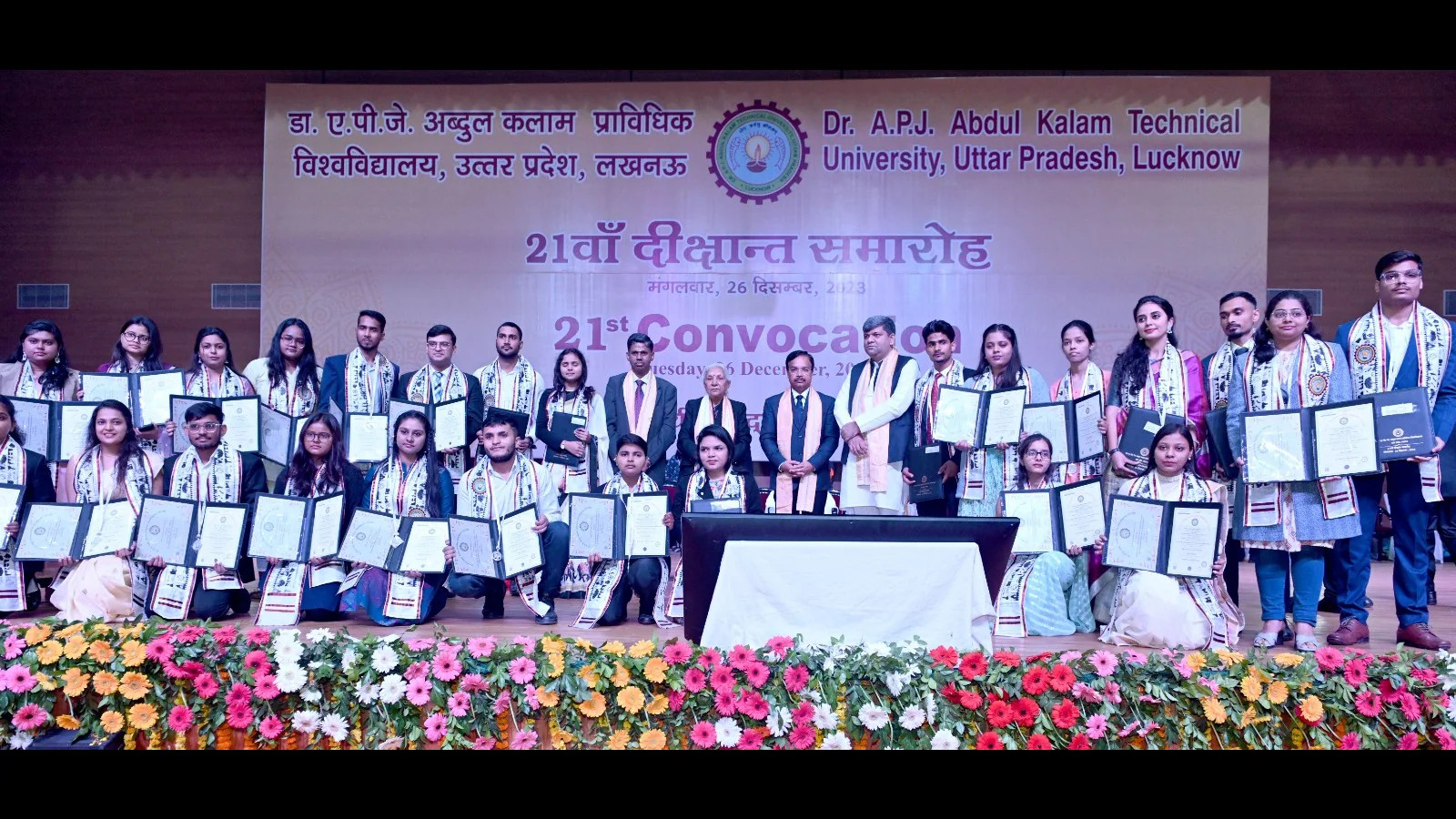
Lucknow | Standing at the heart of technical education in Uttar Pradesh, Dr. A.P.J. Abdul Kalam Technical University (AKTU) has grown into one of the largest and most influential technical universities in India. Established on 8 May 2000 by the Government of Uttar Pradesh, the university has played a pivotal role in shaping generations of engineers, technologists, managers, and researchers across the state.Originally known as Uttar Pradesh Technical University (UPTU), the institution was later renamed in honour of Dr. A.P.J. Abdul Kalam, the former President of India and an iconic scientist, reflecting the university’s commitment to innovation, excellence, and nation-building. A Comprehensive Mandate in Technical EducationAKTU was established under Uttar Pradesh Adhiniyam Sankhya 23 of 2000, later strengthened through legislative amendments. Under the University Act, “technical education” encompasses education, research, and training in engineering, technology, architecture, town planning, pharmacy, applied arts and crafts, along with other programmes notified by the Government of India in consultation with the All India Council for Technical Education (AICTE). A Vast Network of Affiliated InstitutionsAKTU is an affiliating university with jurisdiction across the entire state of Uttar Pradesh. At present, it affiliates 764 colleges and institutions, offering undergraduate, postgraduate, and doctoral programmes in B.Tech, M.Tech, MBA, MCA, B.Arch, B.Pharm, BHMCT, and PhD, among others. These institutions include both government and private colleges, making AKTU a unifying academic authority for technical education across the state. From just 49 affiliated colleges in the year 2000, the university has witnessed remarkable growth, now supporting around 4 lakh students enrolled in its various programmes—an indicator of its scale, reach, and relevance. One of the Largest Technical Universities in AsiaWith Uttar Pradesh being India’s largest state in terms of population and geographic spread, AKTU has emerged as one of the largest technical universities not only in India, but also in Asia. To ensure effective
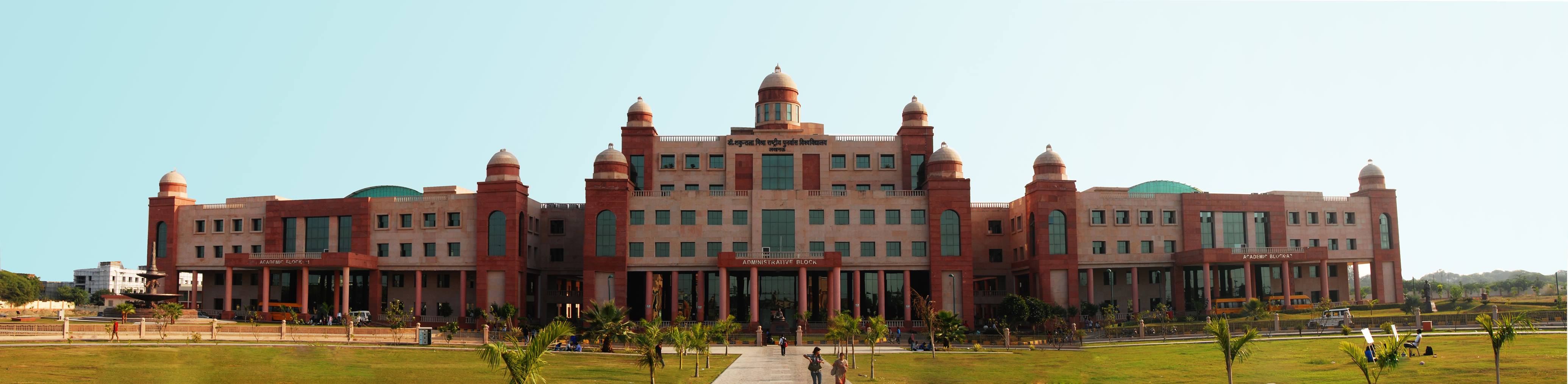
Lucknow | Established with a pioneering vision of inclusive education, Dr. Shakuntala Misra National Rehabilitation University (DSMNRU) stands as a landmark institution in India’s higher education landscape. Set up by the Divyangjan Sashaktikaran Vibhag, Government of Uttar Pradesh, the university came into existence through an Ordinance dated August 29, 2008, which was subsequently enacted as U.P. Act No. 1 of 2009 and later strengthened by U.P. Act No. 24 of 2011. A First-of-Its-Kind Inclusive UniversityDSMNRU is the first university in India specifically designed to provide accessible, quality higher education to differently-abled (Divyangjan) students in a completely barrier-free academic environment. What truly sets the university apart is its unique mandate—to serve the educational aspirations of challenged students while seamlessly integrating them into mainstream higher education. To fulfil this mission, the university provides a 50 percent horizontal reservation for differently-abled students across all academic programmes, over and above the existing reservation policy. This landmark provision reflects the university’s unwavering commitment to social equity, dignity, and empowerment. Infrastructure That Enables, Not RestrictsSpread across 131 acres in Lucknow, the state capital of Uttar Pradesh, the university campus is thoughtfully designed to ensure universal accessibility. The Wi-Fi-enabled, barrier-free campus features smart classrooms, modern audio-visual teaching aids, multimedia learning tools, and specialized computer laboratories equipped with JAWS (Job Access with Speech) to support visually challenged learners. The university library houses an extensive collection of national and international books, journals, and research material, making it a vital academic resource for students and faculty from diverse disciplines. Academic Excellence Rooted in Social ResponsibilityDSMNRU brings together academia and social responsibility under one umbrella, translating knowledge into action and ensuring that education reaches every section of society. The university promotes inter-disciplinary and multi-disciplinary learning, supported by a team of dedicated and experienced faculty members who create a vibrant, inclusive, and engaging classroom environment. Its curricula are
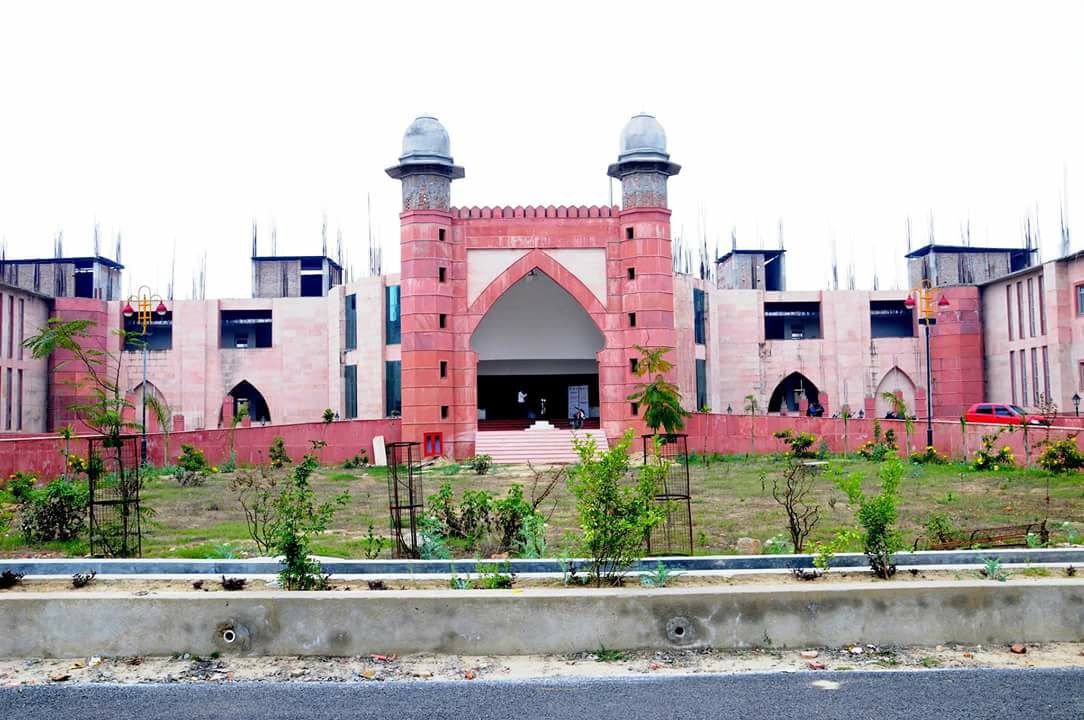
Lucknow | The institution began its journey on 1 October 2009 as Uttar Pradesh Urdu, Arabi-Farsi University. Over the years, it evolved both in name and vision—first being renamed Shri Kanshiramji Urdu, Arabi-Farsi University in 2011, and later rechristened in 2012 as Khwaja Moinuddin Chishti Urdu, Arabi-Farsi University, in honour of the revered Sufi saint Khwaja Moinuddin Chishti of Ajmer, globally known for his message of universal love, peace, and harmony. In February 2020, the Uttar Pradesh Cabinet approved its renaming as Khwaja Moinuddin Chishti Language University, further strengthening its identity as a language-focused institution. Inspired by a Message of UnityNaming the university after Khwaja Moinuddin Chishti—popularly known as Gharib Nawaz—was deeply symbolic. His philosophy of “Sulh-i-Kul” (peace with all) resonates with Lucknow’s own Ganga-Jamuni tehzeeb, making the city an ideal home for an institution committed to inclusivity, cultural dialogue, and human values. Academic Growth and Expanding HorizonsThe university began its first academic session in August 2013 with 413 students, offering undergraduate and postgraduate programmes in languages, humanities, social sciences, education, commerce, computer science, management, and journalism. Today, the student strength has grown to over 3,800, and the range of programmes has expanded significantly. Recognised under Sections 12B and 2(f) of the UGC, the university has gradually strengthened its academic credibility. While languages remain its core strength—Urdu, Arabic, Persian, Hindi, English, and Sanskrit—the university has also embraced multidisciplinary education in line with NEP 2020, promoting multilingualism, skill-based learning, and value-added courses across departments. Entry into Professional and Technical EducationResponding to student aspirations and employment trends, the university introduced AICTE-approved B.Tech programmes in Civil Engineering, Mechanical Engineering, Computer Science, Fashion Technology, and Computer Science with Artificial Intelligence and Machine Learning in 2019. Legal education has also gained momentum with the launch of LL.M, while preparations are underway to introduce LL.B. Alongside this, diploma programmes and vocational