University of Lucknow: A Century-Old Seat of Learning Rooted in Vision, Legacy, and Nation-Building
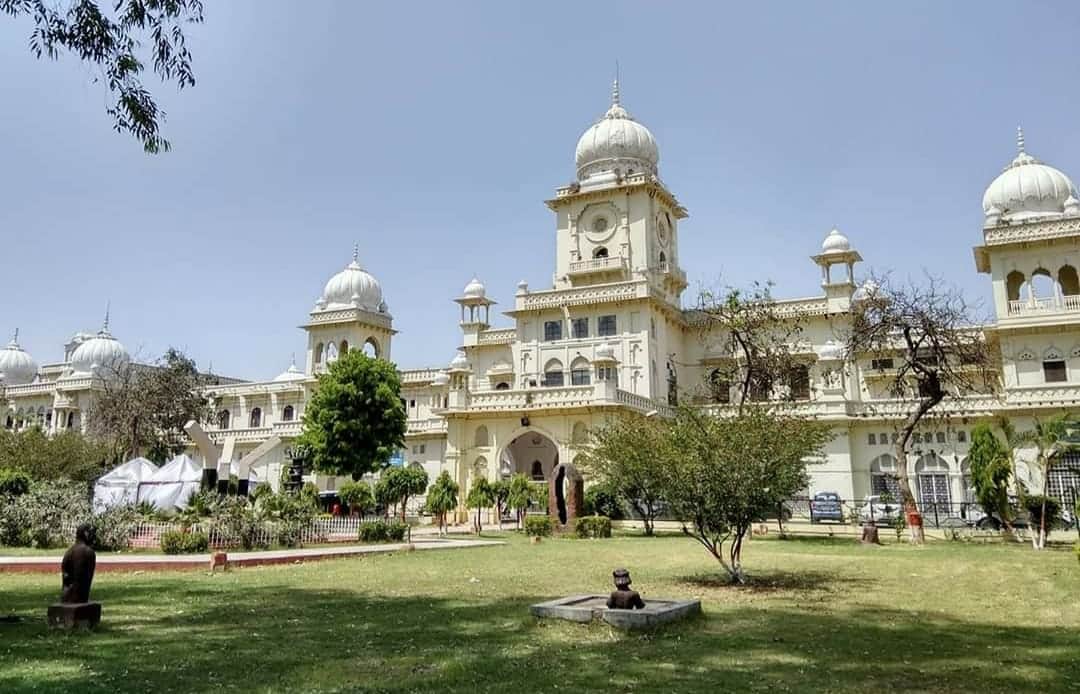
Blending heritage with modernity, the University of Lucknow stands as a living legacy—where history inspires the present, and education shapes the future.
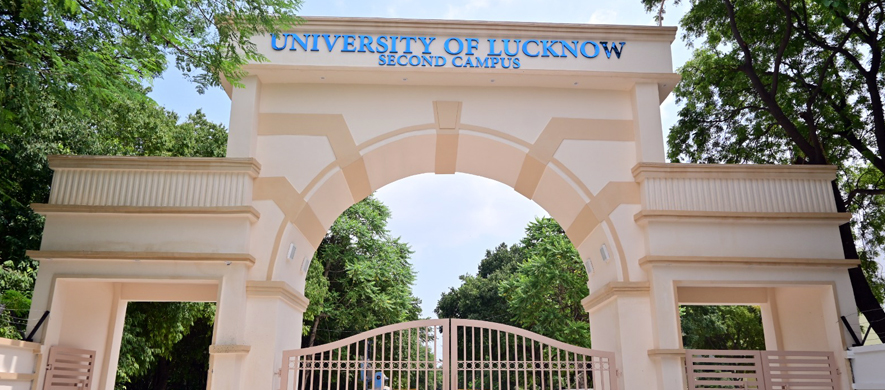
Lucknow | The University of Lucknow, one of India’s most historic and prestigious public universities, stands today as a powerful symbol of academic tradition, intellectual leadership, and inclusive education. Established in 1920, the university’s journey is deeply intertwined with the educational, cultural, and social evolution of northern India.
The Vision That Sparked a University
The idea of establishing a university in Lucknow was first proposed by Raja Sir Mohammad Ali Mohammad Khan of Mahmudabad, who articulated his vision through an influential article in The Pioneer. His appeal found strong support when Sir Harcourt Butler, then Lieutenant-Governor of the United Provinces, took keen interest in advancing higher education. Known for his progressive outlook, Sir Harcourt Butler played a decisive role in transforming the idea into reality.
The first formal step came on November 10, 1919, when a General Committee of educationists and public figures convened at Government House, Lucknow, under Sir Harcourt Butler’s chairmanship. The blueprint for the new university was discussed and shaped during this historic meeting.
Birth of a Teaching and Residential University
It was resolved that the University of Lucknow would be a Unitary, Teaching, and Residential University, inspired by the recommendations of the Calcutta University Mission (1919). Faculties in Arts (including Oriental Studies), Science, Medicine, Law, and later Commerce, were envisioned from the outset—reflecting a holistic academic approach.
Between late 1919 and early 1920, several sub-committees worked intensively to finalize academic and administrative structures. Their recommendations were approved in January 1920, with generous financial support announced by the Rajas of Mahmudabad and Jahangirabad, each contributing ₹1 lakh, marking one of the earliest philanthropic endorsements of the university.
Legislative Foundation and Formal Establishment
A draft bill for the university was prepared by C.F. de la Fosse, then Director of Public Instruction, and introduced in the Legislative Council in August 1920. After deliberations and amendments—including the inclusion of a Faculty of Commerce—the bill was passed on October 8, 1920. The University of Lucknow Act (Act No. V of 1920) received final assent in November 1920, officially bringing the university into existence.
Early Years and Foundational Institutions
The University Court was constituted in March 1921, followed by the formation of statutory bodies such as the Executive Council, Academic Council, and Faculties. Teaching commenced on July 17, 1921, initially conducted at Canning College and King George’s Medical College and Hospital.
Three institutions formed the nucleus of the University of Lucknow:
Canning College
King George’s Medical College (now King George’s Medical University)
Isabella Thoburn College
This rich inheritance, coupled with substantial endowments from the taluqdars of Oudh and sustained support from the Government of Uttar Pradesh, laid a strong foundation for the university’s growth.
A Modern University with a Historic Soul
Today, the University of Lucknow spans an expansive 219.01-acre campus, offering a vibrant academic environment. It comprises:
13 Faculties
51 Departments
15 Undergraduate programmes
67 Postgraduate programmes
16 Institutes and Centres
With a student strength of over 16,300, supported by 478 teaching faculty members and 1,927 non-teaching staff, the university also affiliates 556 colleges, making it one of the largest and most influential universities in Uttar Pradesh.
Continuing the Legacy
For over a century, the University of Lucknow has remained committed to academic excellence, social responsibility, and nation-building. From nurturing freedom-era thinkers to shaping contemporary leaders, scholars, scientists, and professionals, the university continues to uphold its founding ideals.
Related to this topic: