

.jpg)
.jpg)
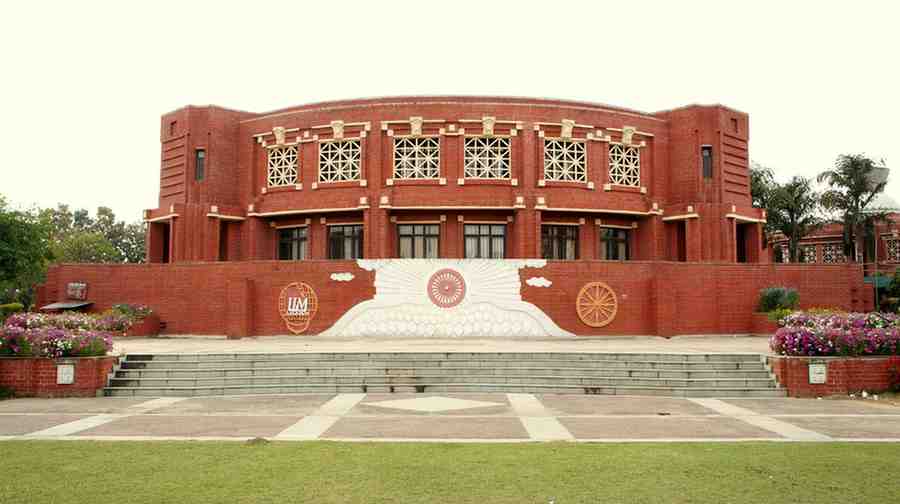
Campus Times | LucknowA high-paying job offer reportedly touching ₹80 lakh has triggered curiosity—and concern—after it revealed an unusual clause: nearly half the package would only be paid under a “kidnapping situation.”The offer, linked to graduates from the Indian Institutes of Management (IIMs), has ignited debate over how global roles in high-risk regions are structured and compensated.What’s the catch?While the headline salary appears lucrative, reports suggest that around ₹40 lakh is tied to a contingency clause—activated only if the employee faces extreme situations such as kidnapping while working in certain international locations.This component is part of a broader “kidnap and ransom insurance” framework, often used by multinational firms operating in volatile or conflict-prone regions.Why such clauses existCompanies hiring for roles in sensitive geographies often include special risk allowances and insurance-backed payouts. These are designed to compensate employees for potential threats, including abduction, extortion, or political instability.However, such clauses are rarely highlighted in mainstream placement discussions—making this case stand out.Mixed reactions on campusThe revelation has sparked mixed reactions among students and experts. While some see it as a reflection of global exposure and high compensation, others question the ethical and safety implications of such roles.For many, it raises a deeper question: how much risk is too much, even for a high-paying job?This isn’t just about a big package—it’s about what lies beneath the numbers. As placement offers become more global, students are being pushed to weigh not just salary figures, but also the real-world risks attached to them.
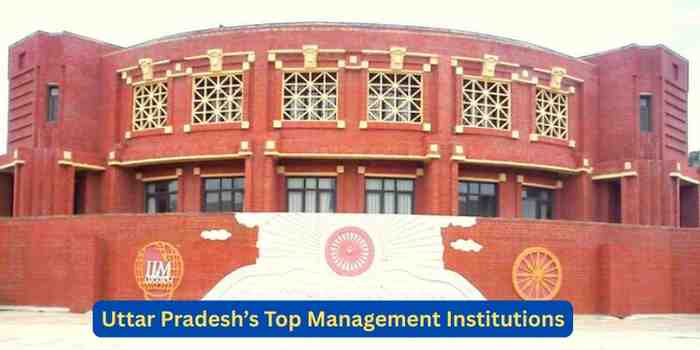
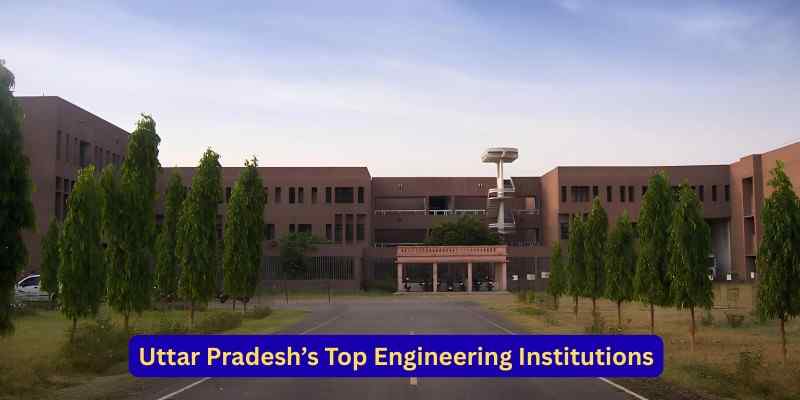
Campus Times | Lucknow Uttar Pradesh has emerged as a significant force in India’s research and innovation ecosystem. The state is home to premier institutions driving scientific breakthroughs, technological advancements, and high-impact academic research. From IITs to central universities and specialized research academies, Uttar Pradesh continues to strengthen its role in knowledge creation and innovation.Here is a list of Uttar Pradesh’s top research institutions that excel in academic output, patents, publications, and innovation:Indian Institute of Technology Kanpur – NIRF Rank: 6One of India’s leading engineering institutions, IIT Kanpur is globally recognized for cutting-edge research in science, technology, and interdisciplinary innovation.Academy of Scientific and Innovative Research – NIRF Rank: 9A premier research-focused institution, AcSIR is known for advanced scientific research, doctoral programs, and strong collaboration with national laboratories across India.Banaras Hindu University – NIRF Rank: 16A historic central university with a strong multidisciplinary research culture, BHU contributes significantly across science, medicine, humanities, agriculture, and social sciences.Indian Institute of Technology (Banaras Hindu University) Varanasi – NIRF Rank: 22IIT (BHU) blends legacy with modern research excellence, particularly in engineering, materials science, and emerging technologies.Aligarh Muslim University – NIRF Rank: 28AMU maintains a strong research presence across sciences, social sciences, law, medicine, and professional studies, supported by extensive academic infrastructure.Amity University – NIRF Rank: 38A leading private university with growing research credentials, Amity focuses on industry-linked research, innovation, biotechnology, and global academic collaborations.These institutions, located in Kanpur, Ghaziabad, Varanasi, Aligarh, and Gautam Budh Nagar, highlight Uttar Pradesh’s expanding footprint in research-driven education. With a blend of legacy institutions and modern research centres, the state continues to contribute meaningfully to India’s scientific growth and knowledge economy.
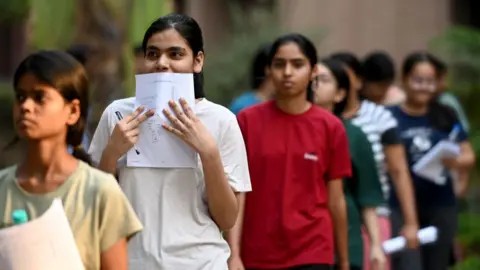
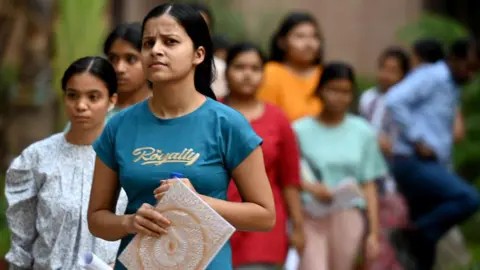
Campus Times | Lucknow Thousands of CBSE students were left waiting on Monday as the Board’s re-evaluation and verification portal failed to open on the scheduled date, displaying an “Under Maintenance” message instead. The delay has triggered concern among candidates who are racing against upcoming college admission timelines.The Central Board of Secondary Education (CBSE) had earlier announced June 1 as the date for the commencement of the re-evaluation and marks verification process. However, students attempting to access the portal found the service unavailable, with no immediate access to the application facility.Technical checks underway before launchAccording to sources familiar with the development, the portal is expected to go live later in the day. Technical teams are reportedly carrying out final checks, including payment gateway integration and system testing, to ensure a seamless application experience once the service is activated.The Board had previously deferred the process, citing the need to eliminate technical glitches and provide a smoother interface for students. Officials are now focused on ensuring that the platform functions without disruptions before opening it to applicants nationwide.Engineering aspirants worried over counselling timelineThe delay has become particularly significant for engineering aspirants, as JEE counselling is scheduled to begin on June 2. Many students are hoping that verification or re-evaluation of their answer sheets could improve their scores and help them meet the 75 per cent eligibility requirement for admission to several engineering institutes.With counselling dates approaching and admission procedures already underway, the uncertainty surrounding the re-evaluation process has added to the stress of students and parents alike. Candidates are closely monitoring developments, hoping for a timely resolution and clarity from the Board.CBSE urges students to follow official updatesMeanwhile, CBSE sources have urged students not to panic and advised them to rely only on official updates issued by the Board. The Board is expected
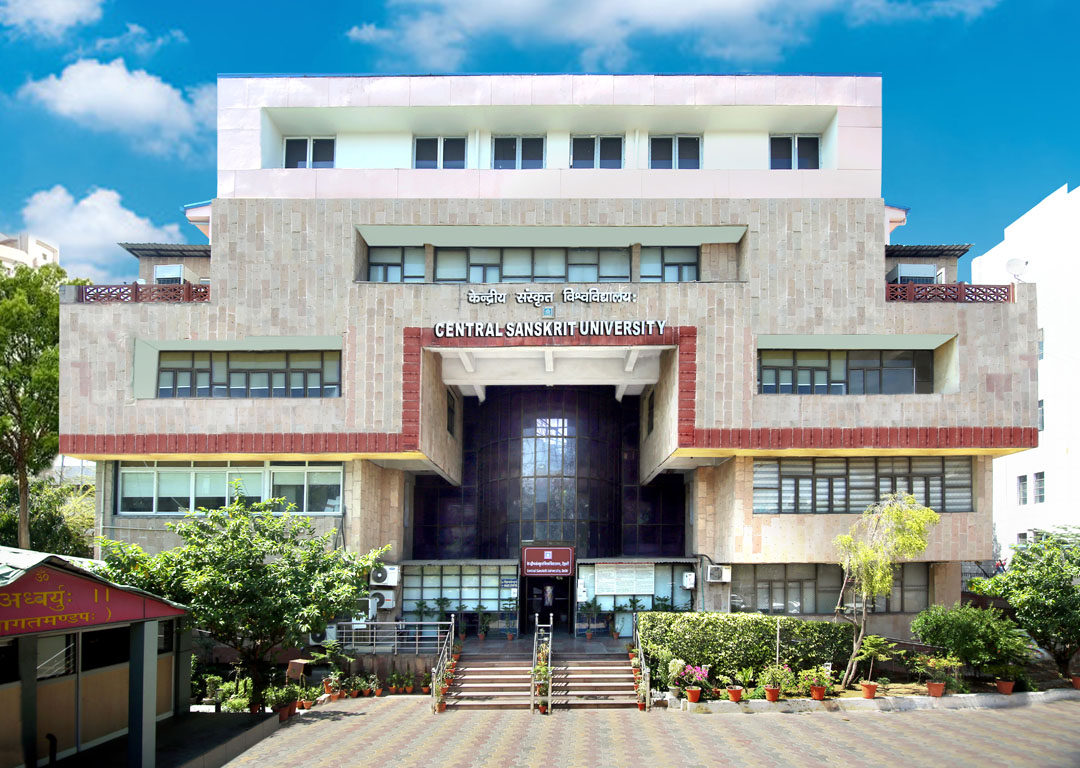
Campus Times | LucknowSanskrit, one of the world’s oldest and most influential languages, continues to hold a prestigious place in India’s cultural and intellectual heritage. While it is officially recognized among the 22 scheduled languages of the Indian Constitution, its adoption at the state level remains limited.As of 2026, only two Indian states — Uttarakhand and Himachal Pradesh — have granted Sanskrit the status of a second official language.Uttarakhand made history in 2010 by becoming the first state to formally adopt Sanskrit for administrative purposes. Nearly a decade later, Himachal Pradesh followed suit in 2019, reinforcing efforts to revive and preserve the classical language in modern governance.Revival Beyond PolicyDespite limited official use, Sanskrit is far from obsolete. It is widely taught in schools across India, especially under boards like CBSE, where students commonly study it between Classes 5 and 8. In some cases, it is also offered as a second language in higher classes.Government initiatives, along with cultural organisations, have played a crucial role in promoting the language. One such organisation, Samskrita Bharati, claims to have trained over 10 million people in conversational Sanskrit and established more than 6,000 Sanskrit-speaking homes across the country.Usage vs. Identity GapAccording to the 2011 Census, over 3.1 million Indians reported Sanskrit as a first, second, or third language. However, only 24,821 people identified it as their mother tongue. This highlights a clear gap between Sanskrit’s academic popularity and its everyday usage.Experts believe that cultural pride and symbolic association may influence people to report familiarity with the language, even if it is not actively spoken.Global Comeback & Digital LeapSanskrit’s revival is not limited to India. Universities in countries like Germany, the UK, the US, and China are increasingly offering Sanskrit studies. In a major digital milestone, the language was added to Google Translate in 2022,
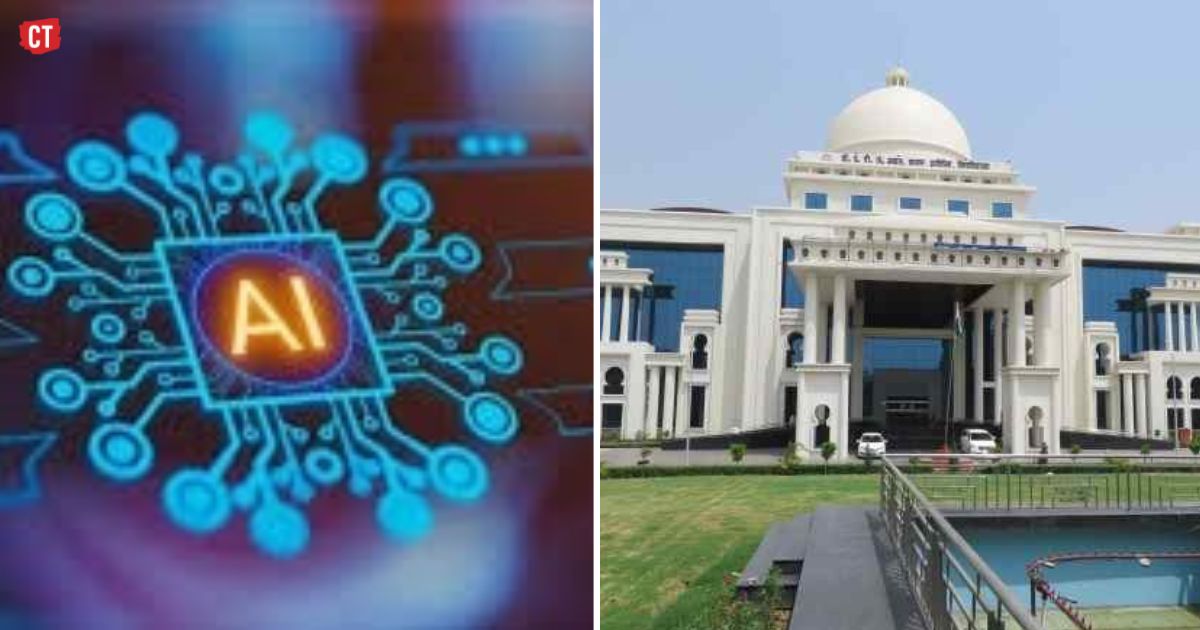
Campus Times | Lucknow Dr. A.P.J. Abdul Kalam Technical University (AKTU), Lucknow, has issued an official notice regarding the registration for an Online Artificial Intelligence (AI) Awareness Program. The initiative aims to enhance awareness and knowledge of AI among students across affiliated institutions.According to the circular dated March 31, 2026, all directors and principals of affiliated colleges have been instructed to ensure maximum student participation in the program. The university emphasized the importance of equipping students with emerging technological skills, particularly in the field of Artificial Intelligence.The AI Awareness Program is being organized with the support of Madan Mohan Malaviya University of Technology (MMMUT), Gorakhpur. The program will be conducted in an online mode, making it accessible to students from various institutions.Registration Details:Registration Start Date: April 2, 2026 (12:00 PM) Last Date to Apply: April 9, 2026 (12:00 PM) Registration Link: https://iur.is/MPIT_AI The university has urged institutions to actively encourage students to register and participate in the program in large numbers. Officials believe that such initiatives will play a crucial role in preparing students for future technological advancements and career opportunities in AI.The notice has been circulated to various university departments and affiliated colleges for necessary action and awareness.
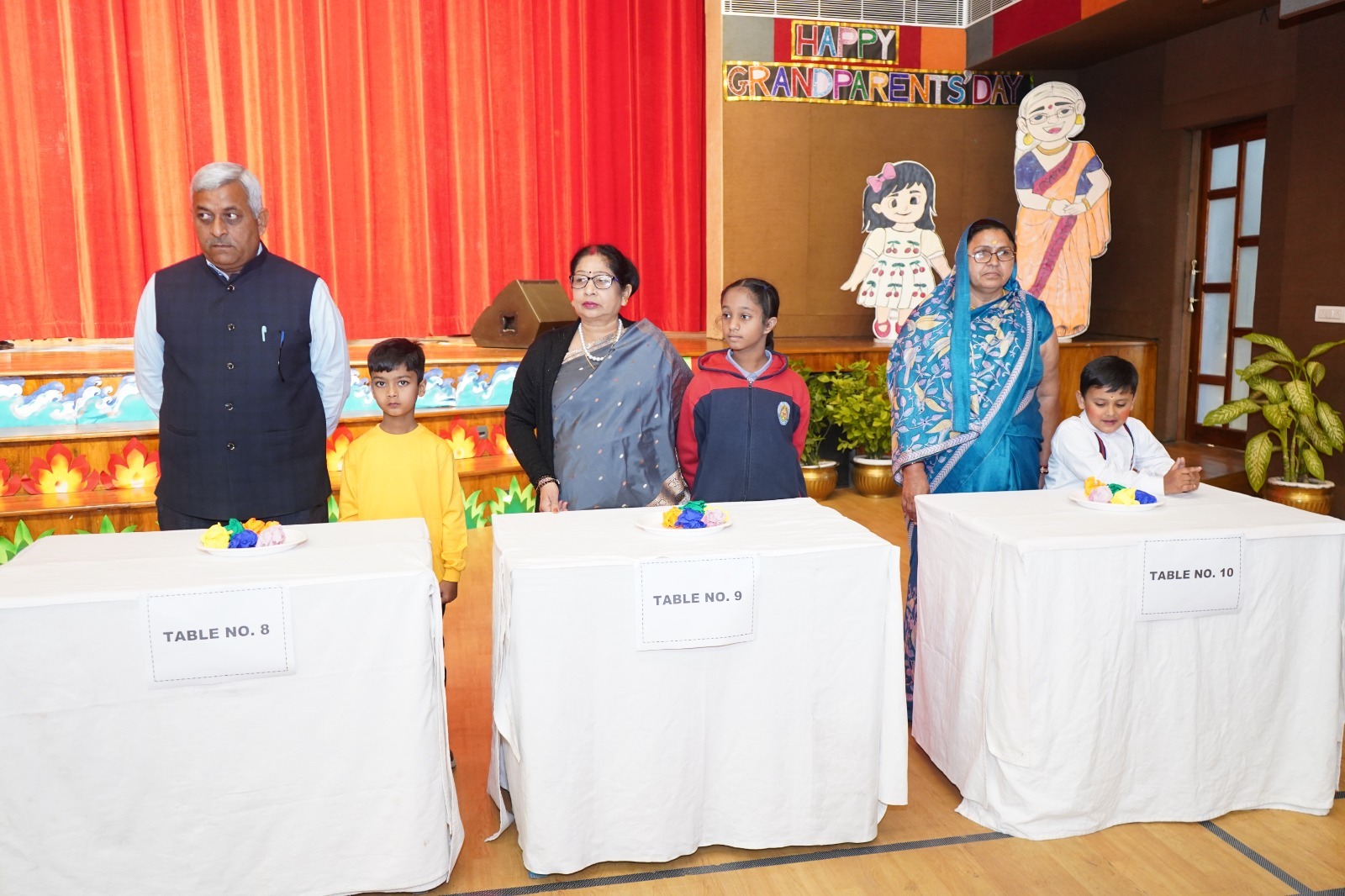
Campus Time |LucknowThe celebration began with a heartfelt welcome extended to the grandparents as they entered the auditorium. The atmosphere reflected affection and dignity, turning the event into a meaningful gathering where children’s innocence met the wisdom and experiences of elders.Performance grab attentionThe cultural programme opened with a melodious welcome song presented by students of Classes 3 to 5. LKG and UKG students added cheer to the occasion with lively welcome dances, followed by an adorable performance by Nursery students. Students of Classes 1 and 2 impressed the audience with confident English elocution presentations. Adding an emotional touch to the event, students of Class 3 recited poems and shared messages dedicated to their grandparents, leaving many visibly moved. The programme continued with a group song by students of Classes 6 to 8 and energetic dance performances by Classes 1 and 2, bringing vibrancy to the celebration.When Grandparents PlayA series of recreational games specially organised for grandparents became the highlight of the day. Activities such as Paper Unscramble, Role Reversal, Pin and Bangle, Match the Opposite and Musical Chairs saw enthusiastic participation from the grandparents, who enjoyed reliving joyful moments of their childhood amidst applause and encouragement from their grandchildren. Parents were also present and witnessed the strong emotional bond shared between children and their elders. The event concluded on a touching note as students sought blessings from their grandparents, making the occasion deeply meaningful.The celebration ended with grandparents carrying home cherished memories of love, respect and togetherness, reaffirming the school’s commitment to nurturing values-based education rooted in strong human relationships.
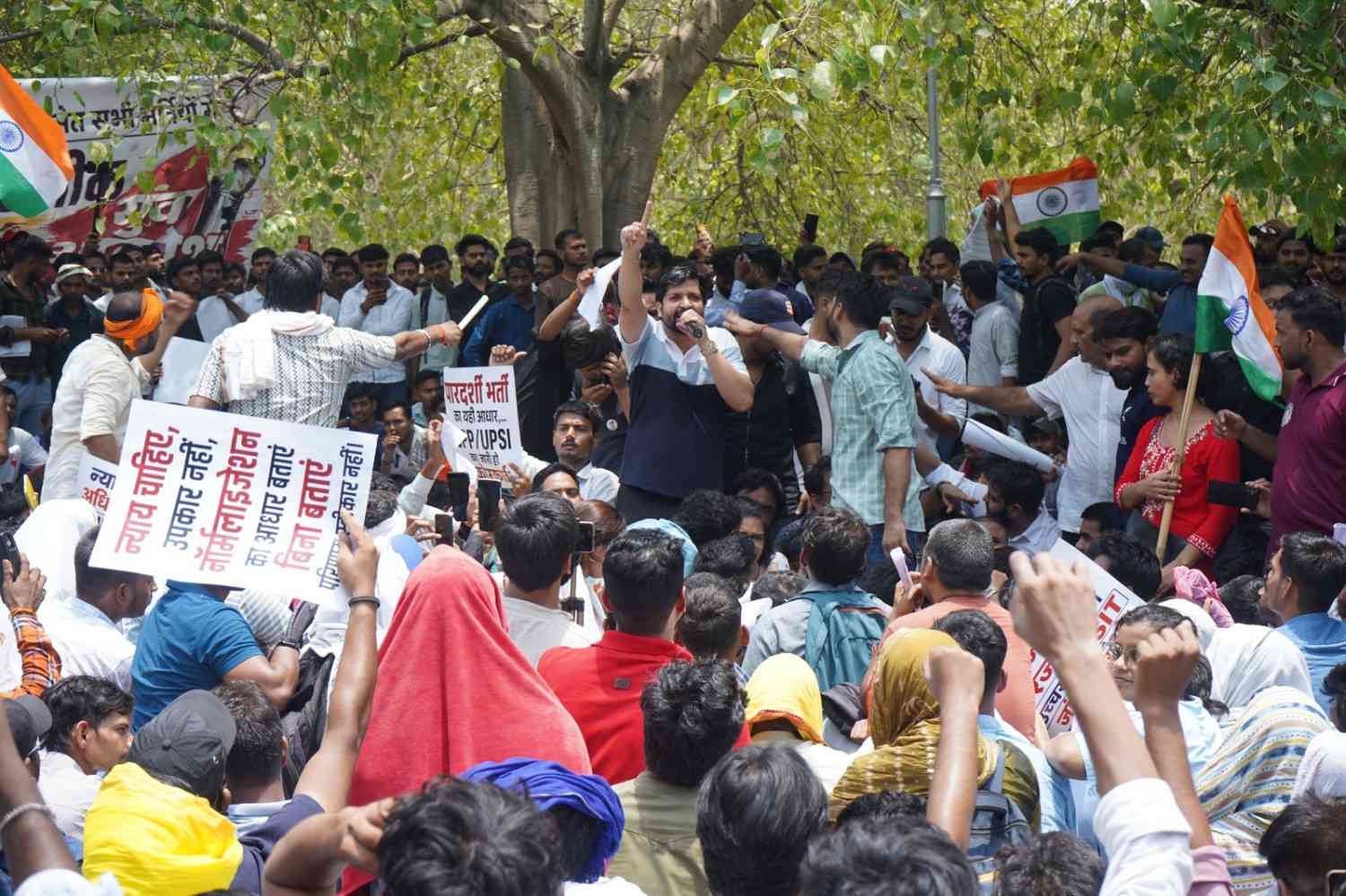
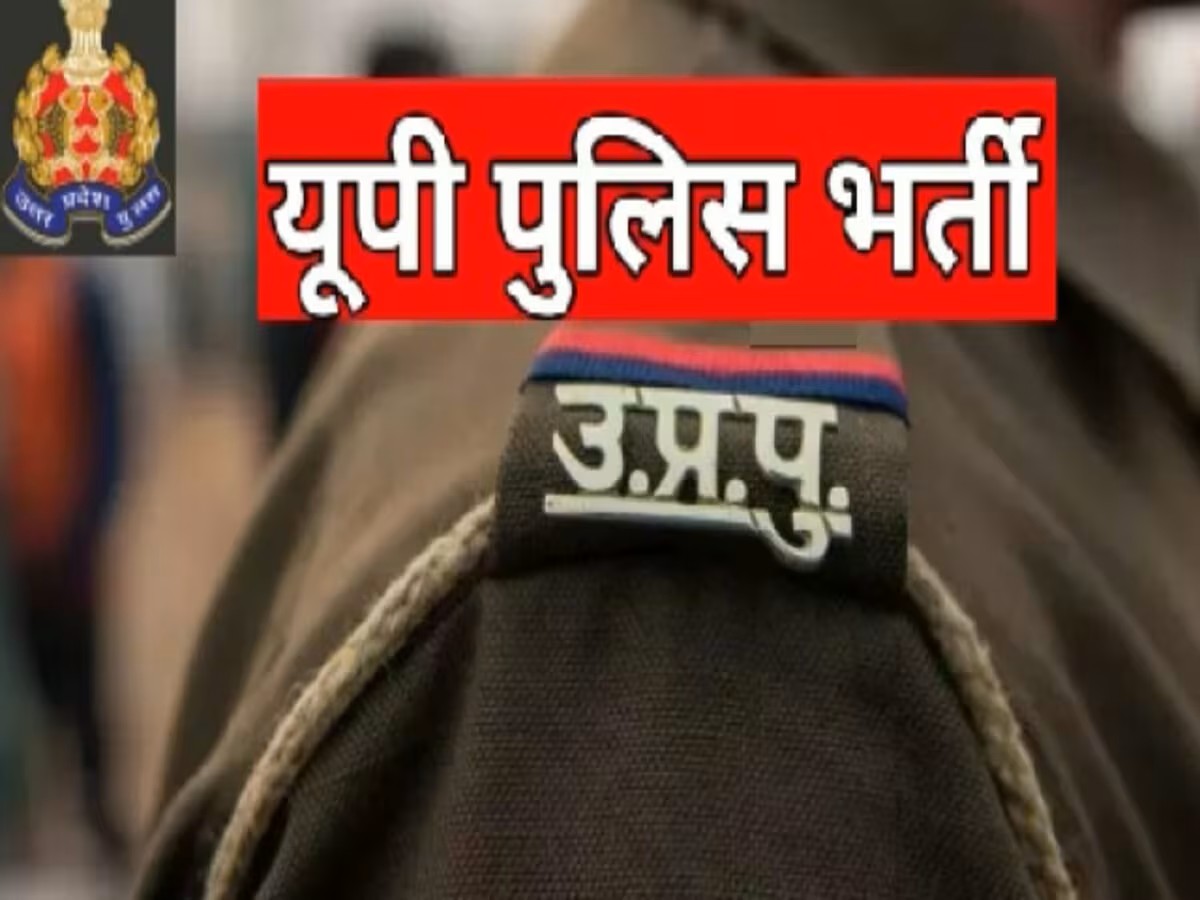
Campus Times|LucknowExciting news for young aspirants aiming to join the Uttar Pradesh Police as constables the Yogi government has officially announced the schedule for the Direct Recruitment-2025 written exam for Civil Police Constable and equivalent positions. According to a notification from the Uttar Pradesh Police Recruitment and Promotion Board (UPPBPB) on Tuesday, the exams will take place on June 8 (Monday), June 9 (Tuesday), and June 10 (Wednesday).The test will be conducted in two shifts each day over the three-day period. Through this recruitment drive, a total of 32,679 vacancies will be filled. Additional information regarding exam centers, admit cards, and instructions will be made available on the official UPPBPB website.Yogi government’s decision for candidatesIn a major relief for aspirants, the Yogi Adityanath government has granted a one-time relaxation of three years in the maximum age limit, following a government order issued on January 5, 2026. This move, in line with Rule 3 of the Uttar Pradesh Public Service (Relaxation in Age Limit) Rules, 1992, allows candidates previously excluded due to age to participate.Vacanies related information:Exam Dates: June 8–10, 2026 (two shifts per day)Mode: Offline (Paper-Based Test)Total Vacancies: 32,679Reservation: 20% of posts reserved for womenOfficial Updates: Admit cards and exam centre details will be released on the UPPRPB website Visit Link: https://uppbpb.gov.in/Candidate Guidance:Regularly check the official UPPRPB website for updates.Download admit cards and confirm exam centres in advance.Practice the syllabus and previous year papers.Focus on time management and preparation strategy.Maintain physical and mental fitness for competitive edge.Youth ExcitementThis recruitment drive has sparked enthusiasm and hope among young aspirants. Millions of candidates are preparing for the exam. Experts say that with proper planning and focused preparation, candidates can succeed and fulfill their dream of joining the Uttar Pradesh Police.
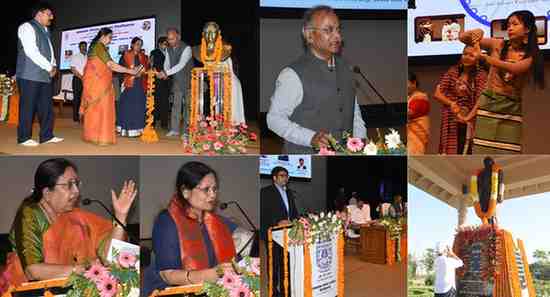
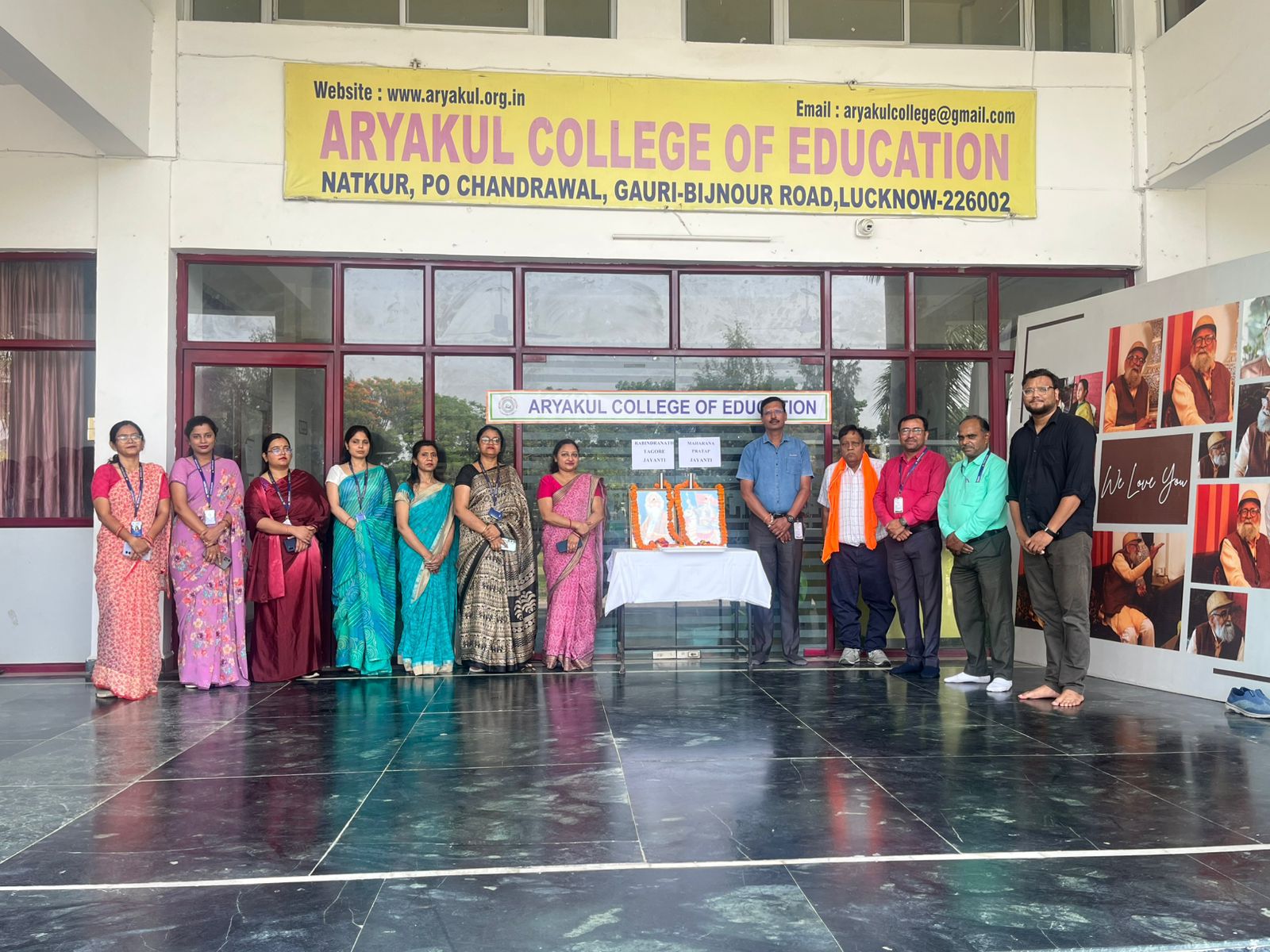
Campus Times | Lucknow Aryakul Group of Colleges on Saturday commemorated the birth anniversaries of legendary warrior Maharana Pratap and Nobel laureate Rabindranath Tagore with a tribute ceremony held on campus.The programme began with floral tributes offered by Managing Director Dr. Sashakt Singh, Dean Academics Ruchi Singh, Registrar Sudesh Kumar Tiwari, principals and department heads.Addressing students and faculty members, Dr. Singh highlighted the importance of drawing inspiration from the lives of Maharana Pratap and Rabindranath Tagore. He stressed that education should focus not only on academic excellence but also on character building, discipline and social responsibility.Faculty members also spoke about Maharana Pratap’s courage and patriotism, while recalling Tagore’s lasting contribution to literature, education and humanity. Students were encouraged to imbibe the ideals and values represented by both iconic personalities.Teachers, students and staff members of the institution were present during the event.
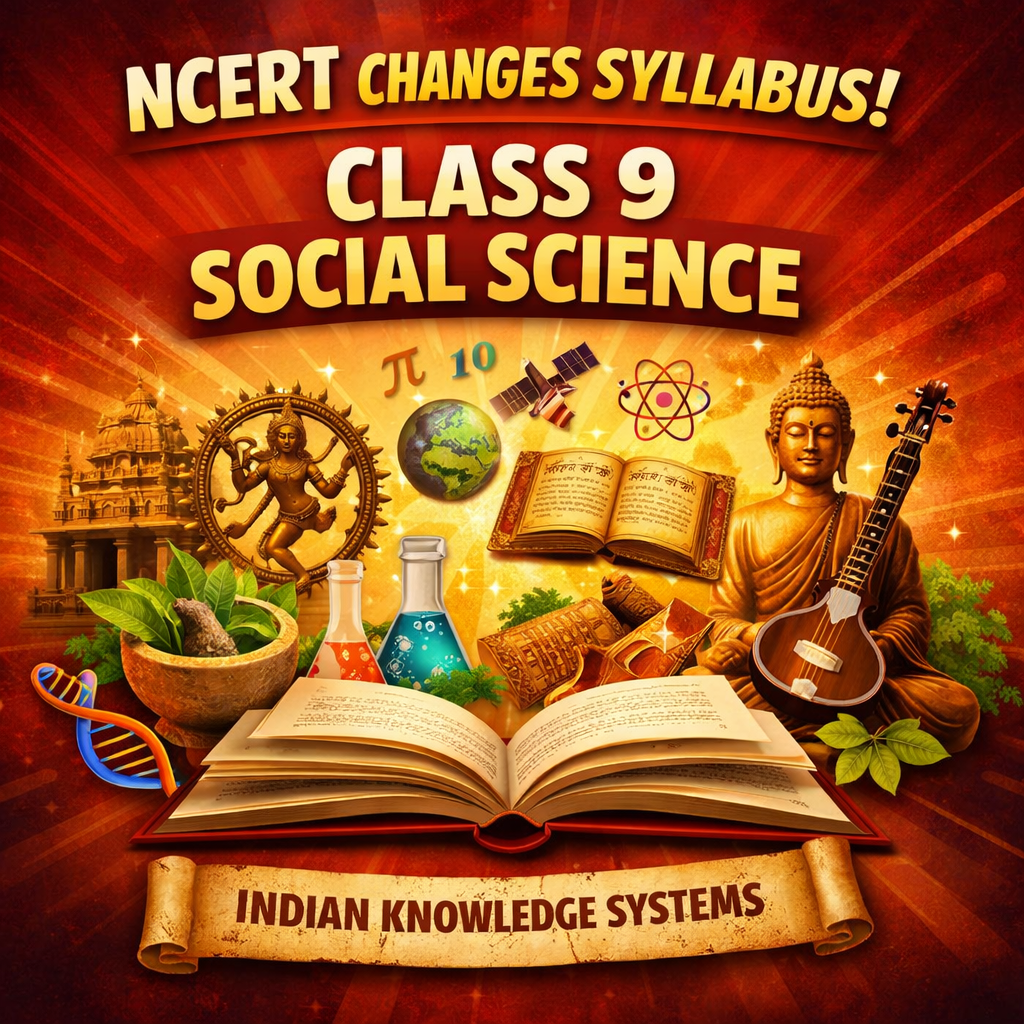
Campus Times | Lucknow In a significant move to transform school education, the National Council of Educational Research and Training (NCERT) has made Physical Education a compulsory subject for students from Classes 3 to 10. The reform aims to move beyond purely academic learning and promote the overall physical, mental, and social development of students.A New Era of Learning Beyond ClassroomsUnder this revised framework, physical education will now include structured learning in sports, fitness, yoga, and health education. The initiative aligns with the broader goals of the National Education Policy 2020, which emphasizes holistic and experiential learning for students.‘Khel Praveen’: A Modern Approach to Physical EducationAs part of the new curriculum, NCERT has introduced a Class 9 textbook titled Khel Praveen. Designed with a student-centric approach, the book goes beyond traditional drills and activities, offering insights into sports science, fitness awareness, and mental well-being.Students will explore topics such as how the human body functions, the evolution and history of sports, and the importance of maintaining a healthy lifestyle. The book also highlights values like teamwork, discipline, and leadership, while introducing students to potential career paths in sports and fitness industries.Balanced Assessment System IntroducedThe evaluation pattern for Physical Education has also been redesigned to encourage practical engagement. The assessment will be divided into:• 40% theory• 40% practical performance• 20% project workProject-based learning will play a key role, with students participating in activities such as designing inclusive games, conducting fitness surveys, and documenting local sports traditions. This hands-on approach aims to connect classroom knowledge with real-world applications.Spotlight on India’s Traditional SportsA unique feature of the new curriculum is its focus on indigenous sports. Students will be introduced to traditional disciplines like Mallakhamb, Thang-Ta, Gatka, and Kalaripayattu. This inclusion not only promotes physical fitness but also helps students connect with India’s cultural heritage.Building Healthier, Confident IndividualsAccording to
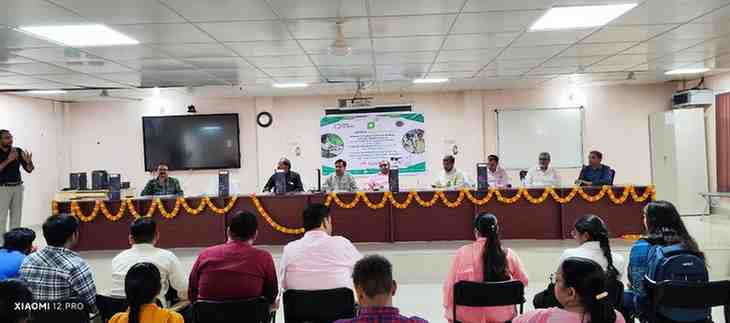
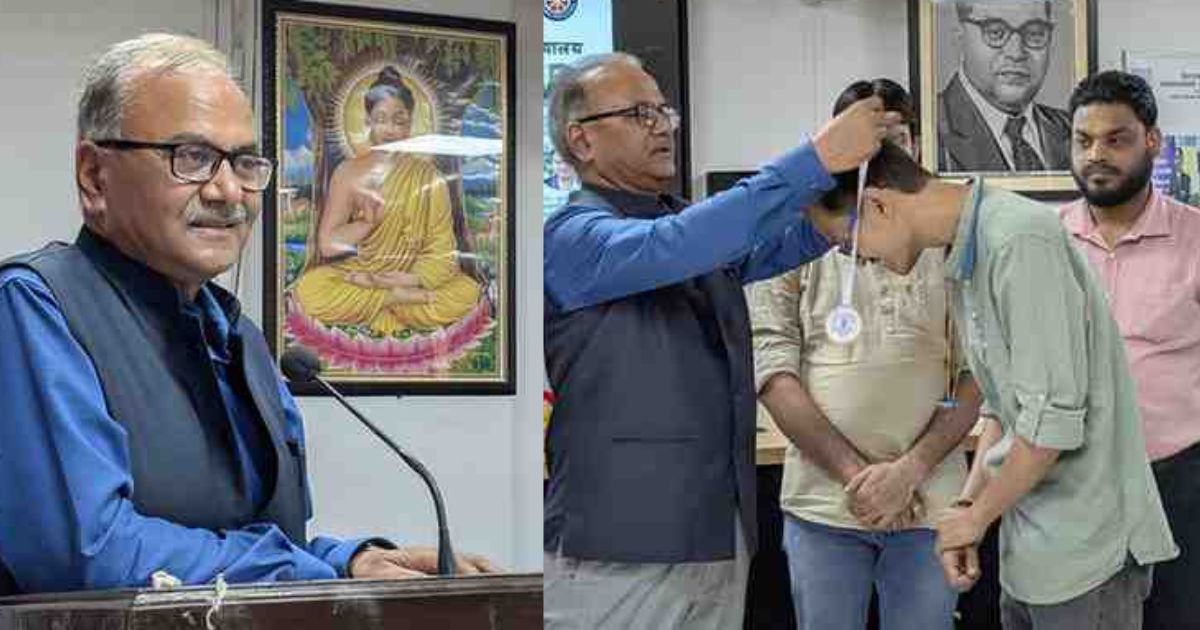
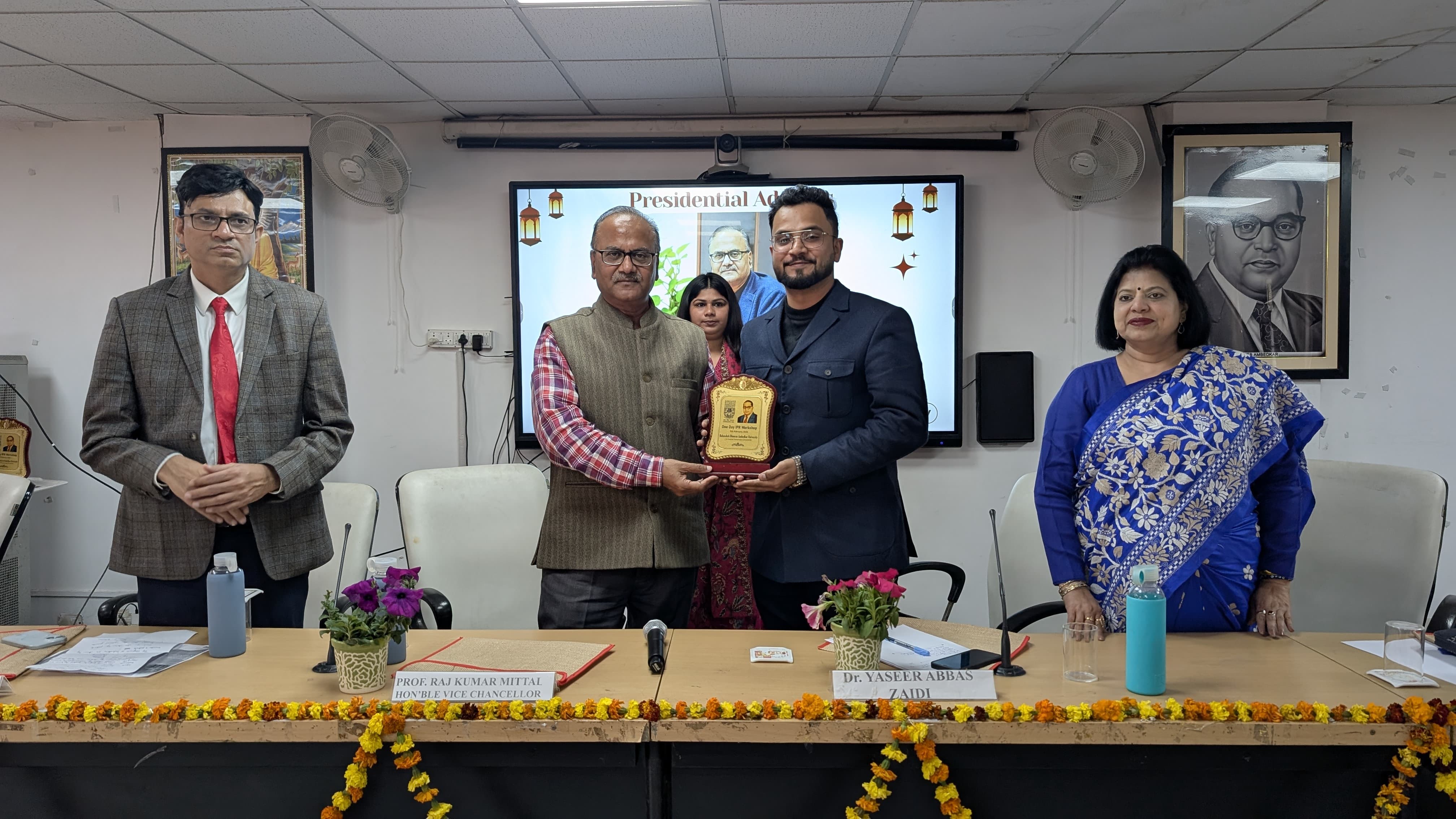
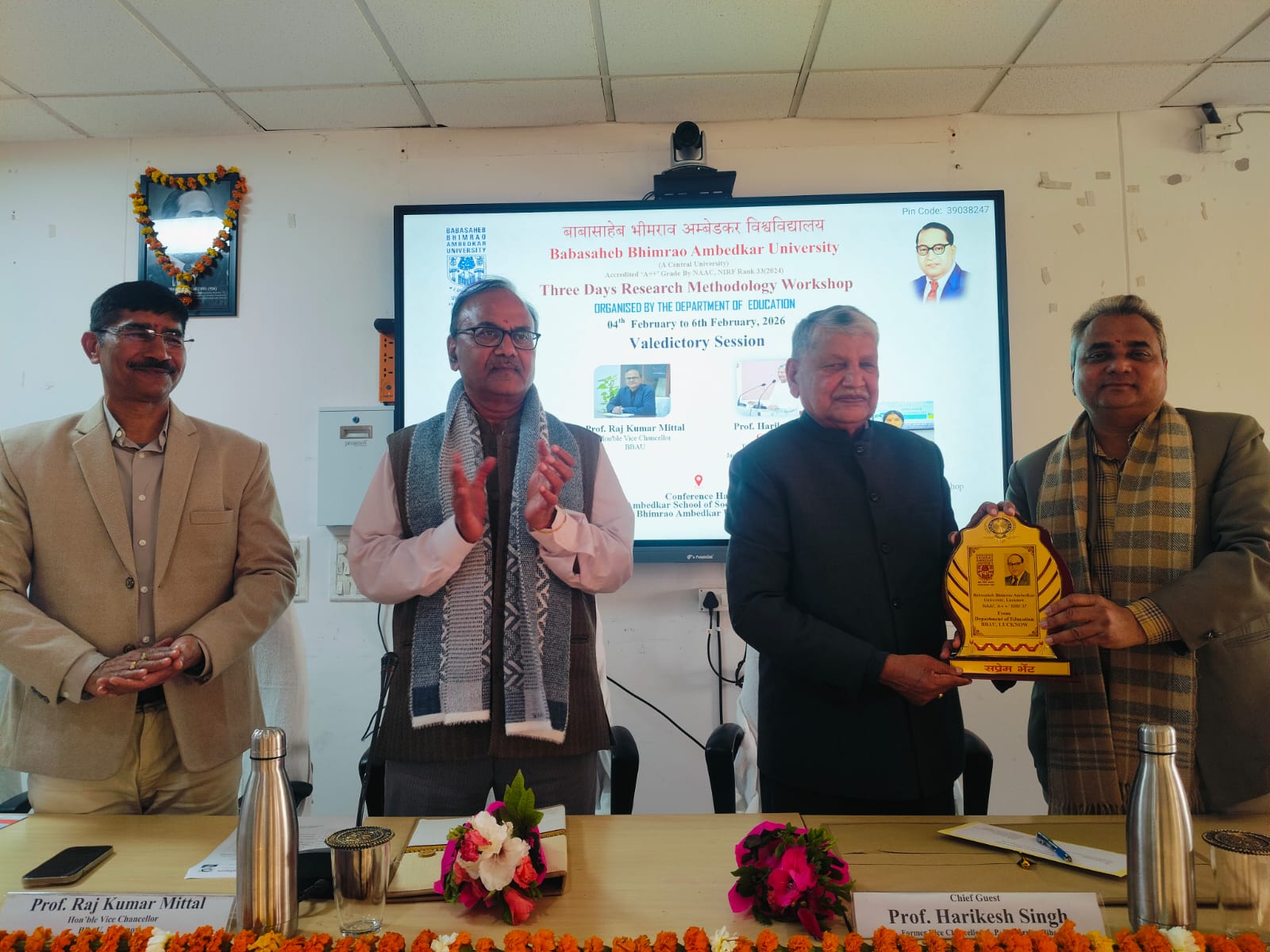
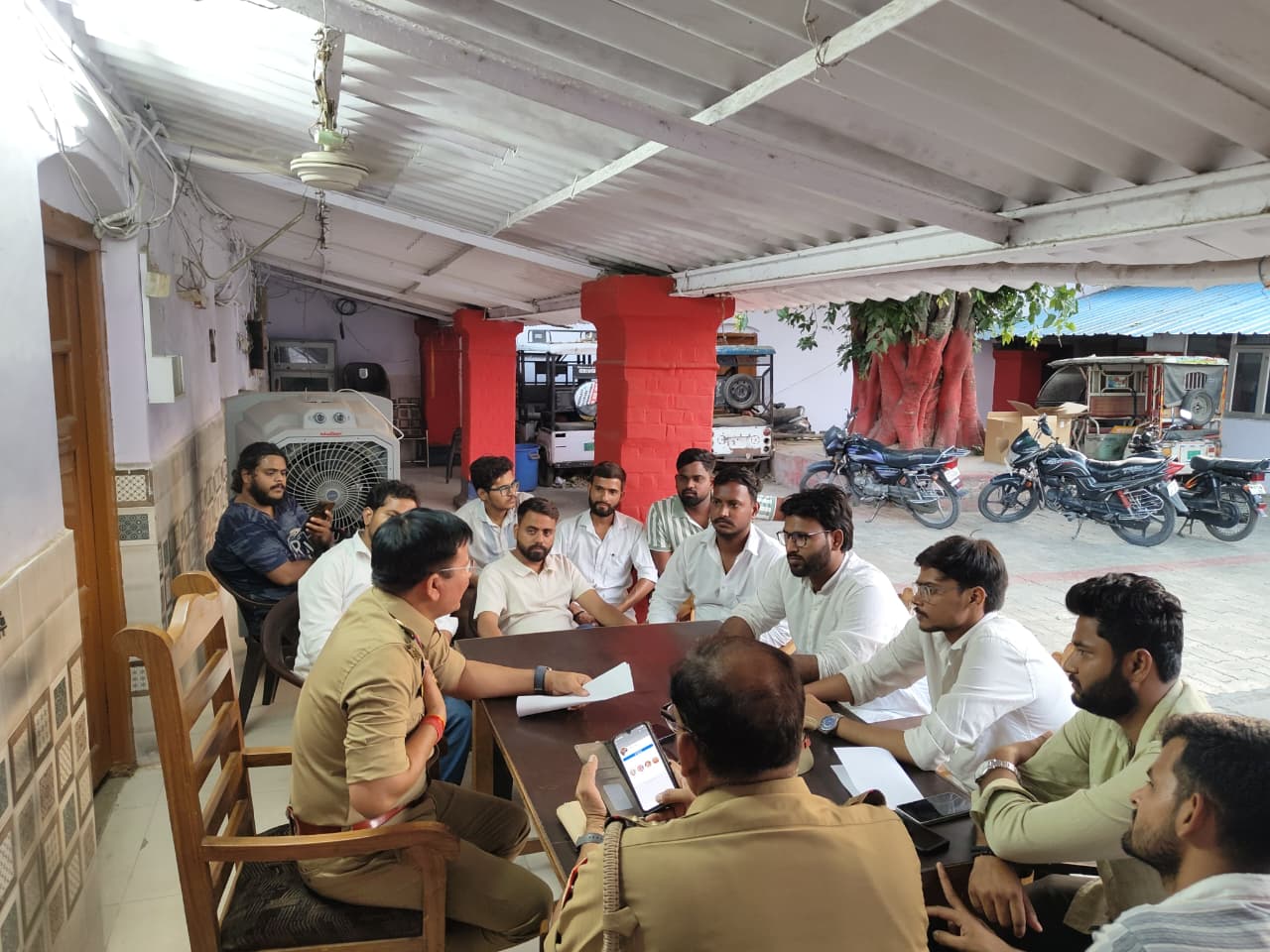
Campus Times| LucknowAddressing the gathering, Vice-Chancellor Prof. Raj Kumar Mittal said that Intellectual Property Rights form the backbone of a strong research ecosystem. He observed that in the present market-driven global economy, IPR plays a decisive role in determining a nation’s economic strength. Referring to India’s progress in patents, GI tags, designs, and trademarks, he said these developments reflect the country’s growing innovation capacity. He urged academic institutions to align research with innovation and societal needs, encouraging faculty members to work towards patent development. Key highlight of the event VC Prof. Raj Kumar Mittal called for developing a “One Faculty–One Patent” culture to link university research with industry and society.Experts highlighted Intellectual Property Rights as a key driver of national economy, innovation, and global competitiveness.Chief Guest Dr. Yasir Abbas Zaidi stressed the need for IPR awareness and startup-oriented teams in universities to protect research outcomes.Industry expert Aditya Kumar Sharma underlined IPR’s crucial role in building Atmanirbhar Bharat by turning ideas into measurable economic value.The workshop emphasized strengthening industry–academia collaboration through patents, startups, and innovation-led research. Vision @2047In his address, Dr. Yasir Abbas Zaidi described IPR as a key driver of the national economy. He stated that while India has a strong research base, IPR provides a mechanism to protect and utilize innovation effectively. Emphasizing awareness and structured implementation, he encouraged universities to promote startup-oriented teams under faculty guidance, expressing confidence that IPR would contribute significantly to the goal of Developed India @2047.Sharing industry perspectives, Mr. Aditya Kumar Sharma said that Intellectual Property Rights play a crucial role in building an Atmanirbhar Bharat. He stressed that innovation must be supported by IPR to translate ideas into measurable economic outcomes. Prof. Sunita Mishra noted that IPR helps researchers identify the patentability of their work, while Prof. Naveen Kumar Arora highlighted the role of
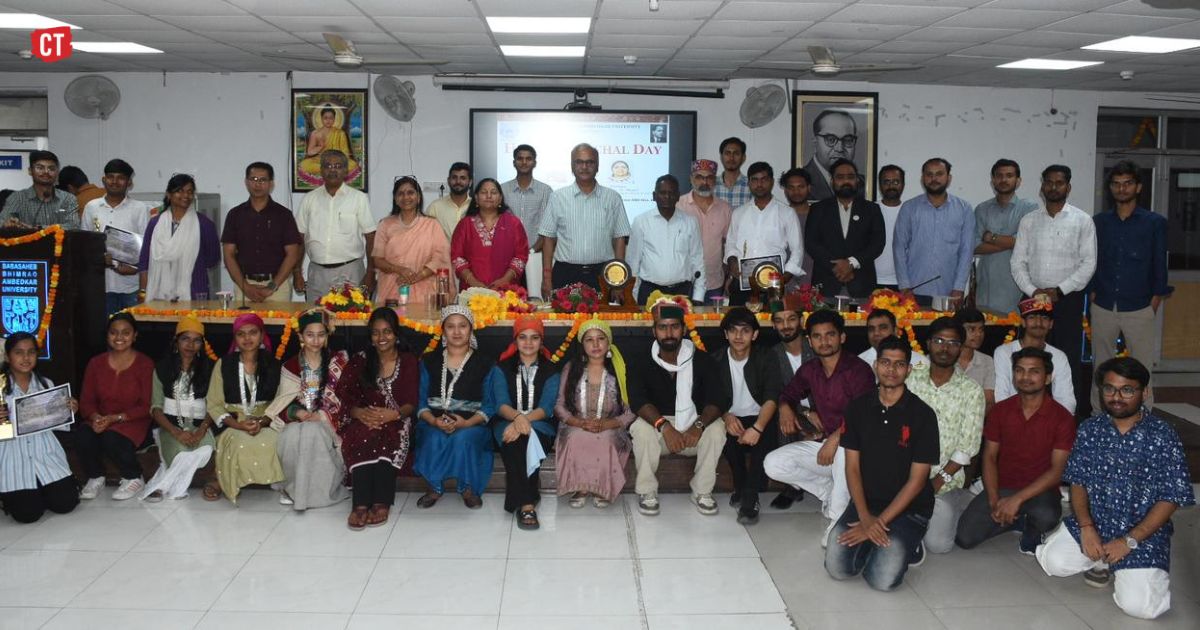
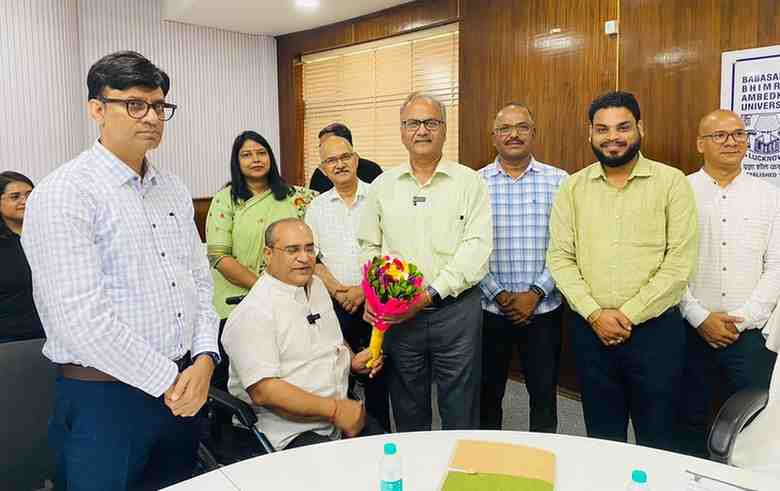
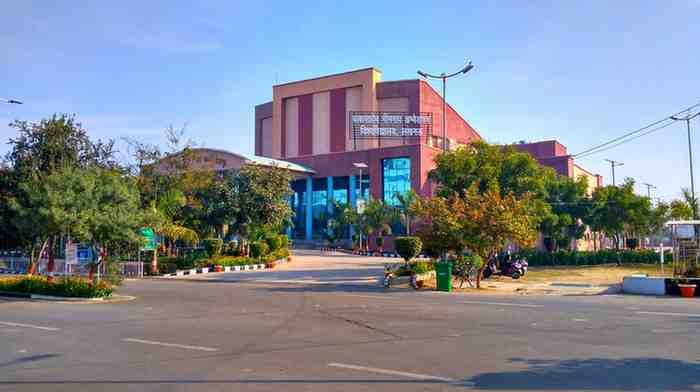
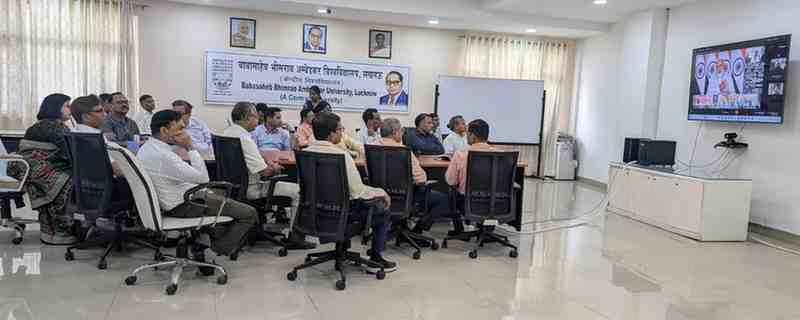
Campus Times| Lucknow A meeting of all Deans, Heads of Departments, Directors, and officers was held at Babasaheb Bhimrao Ambedkar University on 3 March under the chairmanship of Vice-Chancellor Prof. Raj Kumar Mittal to discuss the implementation of the ‘Seva Sankalp Resolution’ issued by the Ministry of Education, Government of India, Department of Higher Education.Addressing the gathering, Prof. Mittal emphasized strengthening governance mechanisms, aligning rules for faster decision-making, and developing a student-centric ‘Seva Charter’ to ensure time-bound resolution of academic and administrative issues. He urged faculty and officers to work in the spirit of a “Karmyogi” and develop the University as a “Seva Teerth,” while ensuring transparency, accountability, and responsive public service.The Vice-Chancellor also stressed the need to prepare Standard Operating Procedures (SOPs) for timely grievance redressal, promote entrepreneurship and human values among students, and enhance the social relevance of research so that its outcomes benefit society at large.Seva Sankalp Resolution The meeting began with the reading of the ‘Seva Sankalp Resolution’ by Prof. Shilpi Verma. Participants also discussed strengthening work culture and ensuring holistic development of students, including physical, mental, spiritual, and intellectual growth.Referring to the philosophy of A. P. J. Abdul Kalam and his book Transcendence, the Vice-Chancellor encouraged members to work beyond their capacities for the progress of the University and the nation. Faculty members and officers assured their commitment to working with a spirit of ‘Seva Bhav’ and offered suggestions to improve institutional functioning.
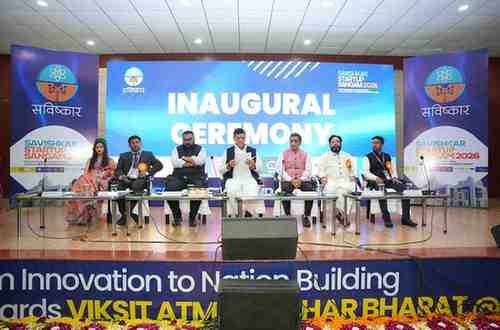
Campus times |LucknowThe two-day national conclave ‘Savishkar Startup Sangam 2026 inaugural session was attended by Uttar Pradesh Energy Minister A.K. Sharma and ABVP National Secretary Abhay Pratap Singh. Nine technical sessions featuring representatives from organizations such as Meta, IIM Lucknow Incubation Center, and Physics Wallah will guide participants over two days.Mr. Sharma emphasized the need to break traditional mindsets and support youth-led innovation to achieve a developed India by 2047. Mr. Singh highlighted that campuses must nurture “problem solvers” and focus on sustainable, innovation-driven growth. Several dignitaries including Shri Nisarg Rathore, Prof. Deepak Nagaria, and Shri Satyendra Tripathi addressed the session, while the ‘Startup Enablers Talk’ featured Shri Arunodaya Bajpai of IIM Lucknow Incubation Center and Dr. Omkar Rai (Former DG, STPI), focusing on strengthening the startup ecosystem.‘Lead Her Ship’ sessionThe ‘Lead Her Ship’ session highlighted women’s leadership with insights from Shivani Mehrotra of Edubuck, while technology-focused discussions featured experts from Voxora Labs, Rational AI, Meta, and Right Left AI on AI, blockchain, and the future of human-machine collaboration.The sessions underscored that collaboration between human intelligence and emerging technologies like AI and blockchain is key to driving innovation and nation-building.
.jpg)








.jpg)





.jpeg)



1.webp)
.jpg)
.jpeg)