AI Skills Are Quietly Reshaping Careers and Workplace Roles
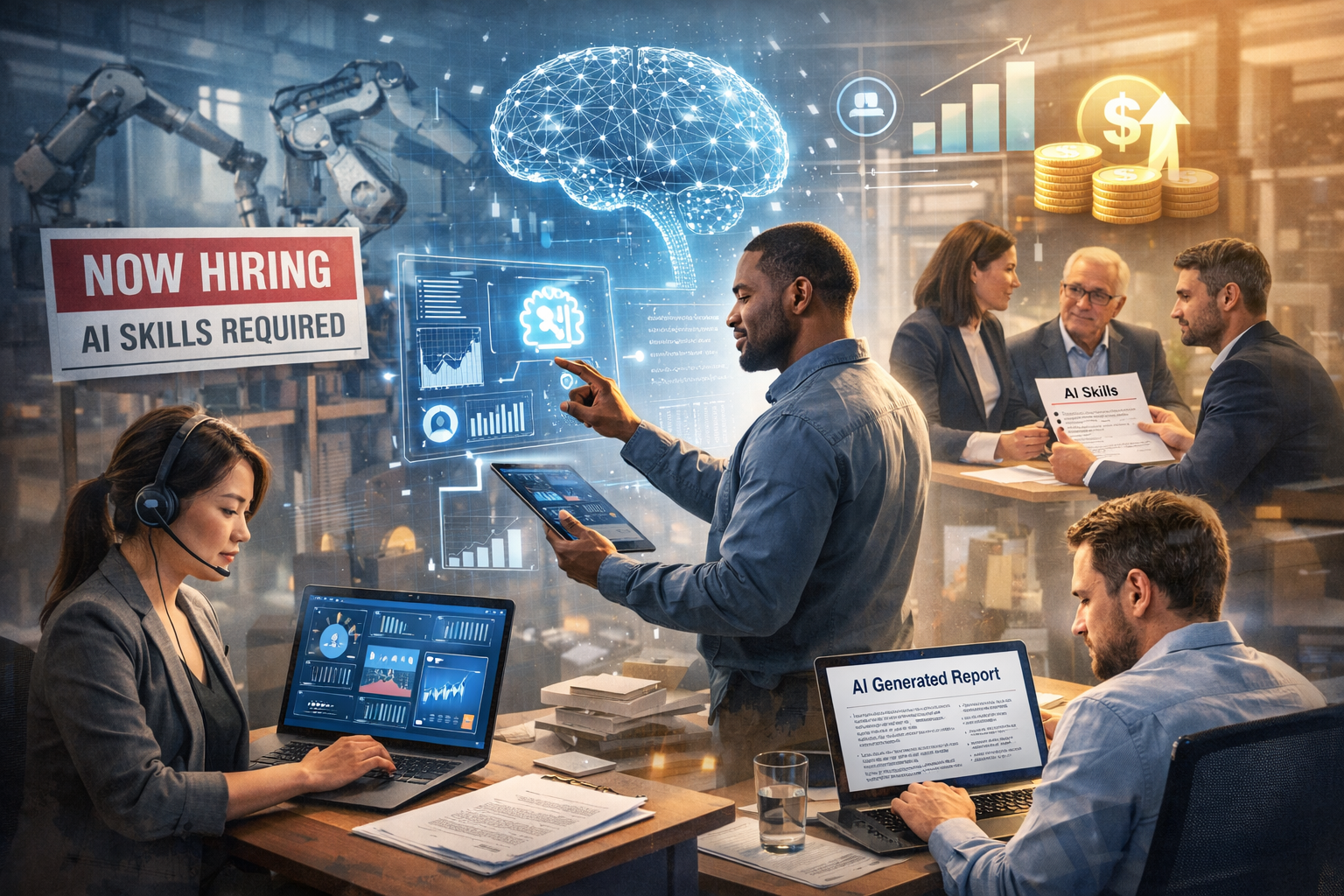
Artificial Intelligence is steadily changing how people work, and with it, the expectations employers have from professionals. Across sectors, companies are no longer judging employees only on technical ability or experience. Increasingly, the focus is on how well a person can use AI tools to improve efficiency, decision-making, and everyday work.
Campus Times|Lucknow
Career experts say this shift is already visible in hiring patterns and salary structures. Professionals who understand AI basics and can apply them responsibly are finding themselves better placed than those who avoid the technology. Rather than replacing jobs outright, AI is changing job roles—and those who adapt early are gaining an edge.
At the workplace level, AI is now being used for data analysis, planning, communication, and operational support. Managers and team leaders are also turning to AI-driven systems to track performance and improve coordination. This has made AI knowledge relevant not just for technical roles, but for professionals across management, administration, media, education, and services.
According to industry observers, personal growth and organisational progress now go hand in hand with responsible AI use. However, they also point out that effective use of AI depends on understanding its limits, risks, and ethical concerns.
Key AI Skills Becoming Important
Professionals looking to stay relevant are being advised to focus on a few core areas:
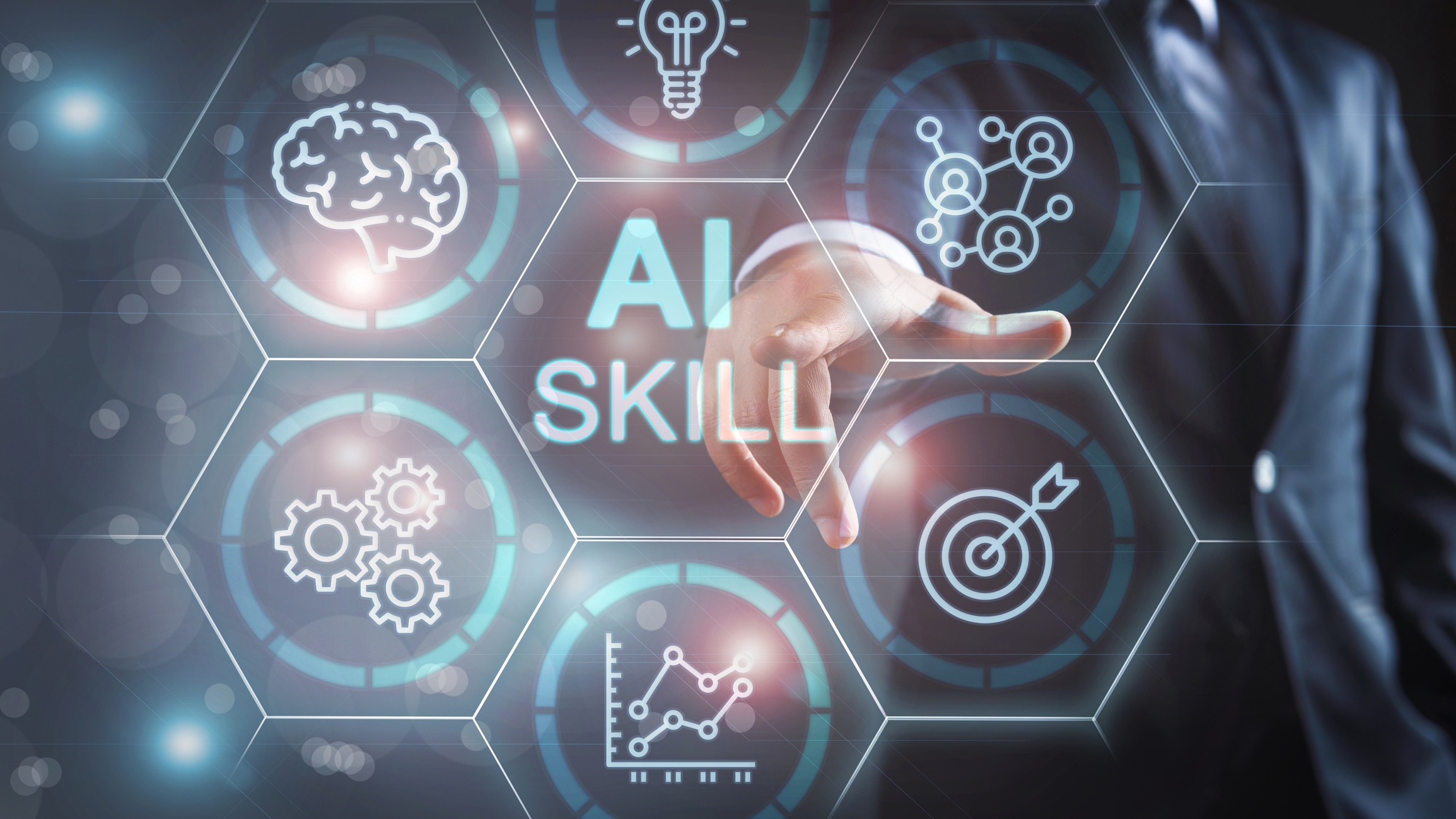
- Basic understanding of AI: Knowing how AI systems work, including machine learning concepts, helps users interpret results instead of blindly trusting them.
- Awareness and responsibility: Ethical use, respect for privacy, and knowledge of government guidelines are becoming essential in daily AI use.
- Data security and privacy: With increasing concerns around misuse of personal data, understanding data protection practices is critical.
- Data literacy: AI works on data, and professionals need to know how to read, question, and correctly use it. Clear instructions or prompts also improve results.
- Leadership and decision-making: For those in senior roles, AI is emerging as a support system for planning, forecasting, and managing change.
- Transparency and ethics: Understanding how AI decisions are made helps avoid errors and unexplained outcomes.
- Bias control: Identifying bias in AI-generated outputs is necessary to ensure fairness and accuracy.
- Regulatory awareness: Keeping track of changing AI laws and standards helps organisations stay compliant and future-ready.
Observers say AI skills are no longer limited to specialists. They are becoming part of everyday professional competence. Those who invest time in learning and adapting now may find it easier to secure better roles and remain relevant as workplaces continue to evolve.
Related to this topic: