
Campus Times | LucknowIndia has temporarily restricted access to Telegram as authorities intensify efforts to curb malpractice ahead of the NEET-UG re-examination scheduled for June 21. The move comes amid an ongoing investigation into the alleged paper leak that led to the cancellation of the medical entrance test conducted earlier this year.The National Testing Agency (NTA) stated that the decision was taken following concerns that organised cheating networks were using Telegram channels and groups to mislead candidates and falsely claim access to examination papers. According to the agency, several such groups were allegedly demanding large sums of money from students and their families in exchange for fake promises of leaked question papers.NEET-UG, one of India’s largest entrance examinations, serves as the gateway to undergraduate medical education. More than 2.2 million candidates appeared for the exam in May before it was cancelled amid allegations of paper leaks and other irregularities. The case is currently being investigated by the Central Bureau of Investigation (CBI), with multiple arrests reported so far.Officials said law enforcement agencies have removed several Telegram channels, groups and automated bots that were allegedly involved in exam-related fraud. Authorities have also sought restrictions on certain platform features, including message editing, citing concerns that they could be used to manipulate or fabricate evidence related to paper leak claims.While the government has described the restriction as a preventive measure aimed at protecting the integrity of the re-examination, the decision has drawn criticism from digital rights advocates and internet users. Critics argue that blocking a widely used communication platform may inconvenience millions of legitimate users, including students who rely on Telegram for study materials, discussion groups and exam preparation.The Internet Freedom Foundation (IFF) questioned the effectiveness of the move, stating that exam-related leaks often stem from vulnerabilities within the examination system rather than
Trending
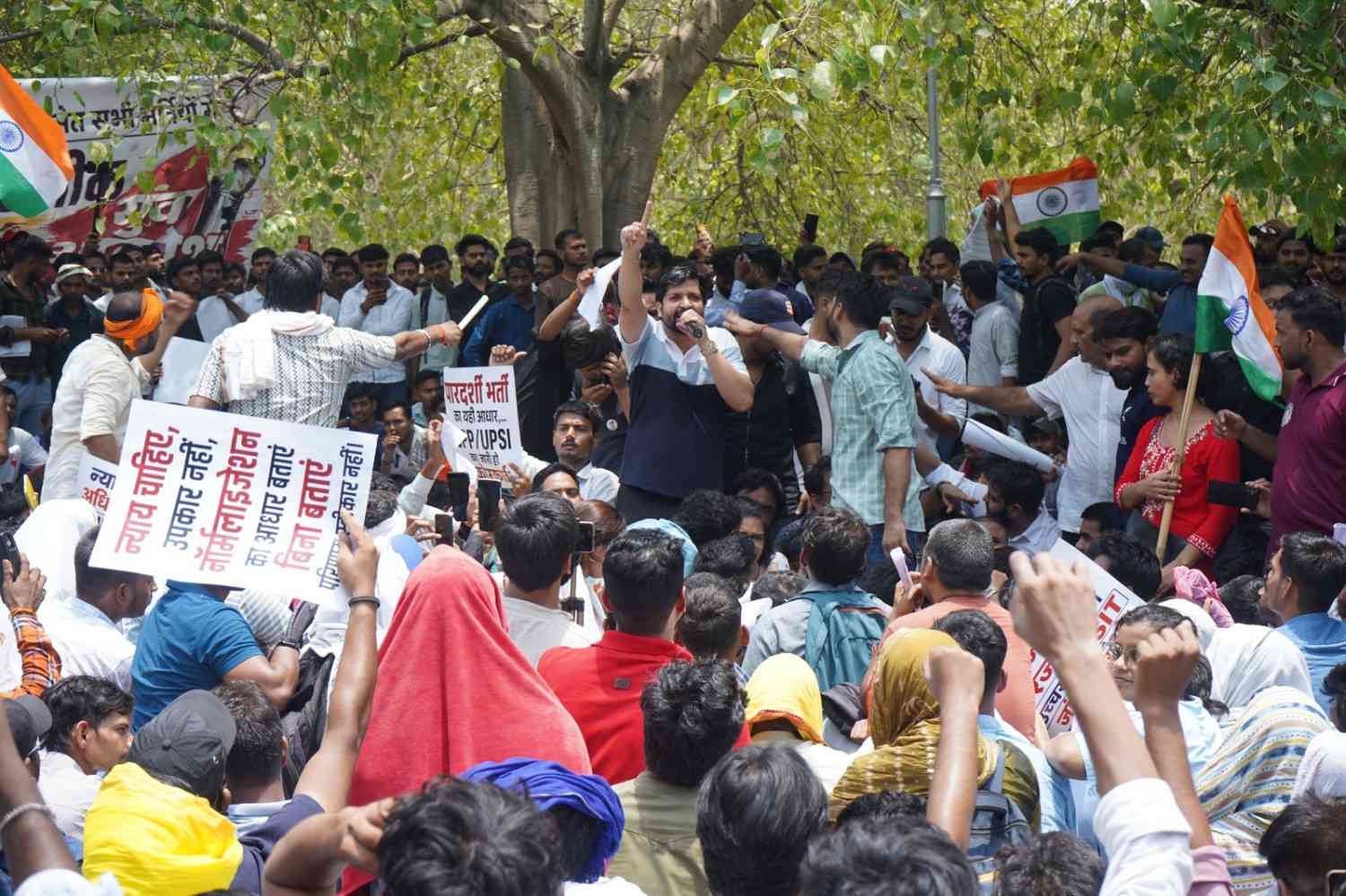
Campus Times | LucknowDistancing themselves from the ideology of the Cockroach Janata Party (CJP), several students and government job aspirants who participated in a protest at Lucknow’s Eco Garden on Friday said their support was limited to issues related to examination reforms and recruitment transparency.Students back the cause, not the partyAnshuman Kumar, a government job aspirant from Prayagraj, said he had joined the protest solely to raise concerns over alleged irregularities in the UP Police recruitment examination.I do not support any political party, including the Cockroach Janata Party. I am here to protest against the alleged irregularities in the UP Police recruitment process. If any organisation raises students’ issues and fights for transparency, we will support that cause, he said.Echoing similar sentiments, Gitanshu, a student from Lucknow, said his participation was driven by concerns over flaws in the examination system rather than support for CJP’s ideology.The Cockroach Janata Party’s ideology is against the country’s culture and values, and I do not support it. My protest is against the system and the irregularities taking place in examinations. The authorities must address these issues and ensure fair and transparent recruitment and examination processes, he said.Gitanshu further claimed that CJP’s ideological positions were not aligned with national interests, adding that many students at the protest were supporting the movement only because it highlighted issues affecting aspirants.Many students are standing with this campaign only because it is raising concerns related to examinations and recruitment. If the organisation deviates from students’ issues, it will lose our support, he added.Hundreds gather at eco gardenHundreds of students, government job aspirants and members of various student organisations gathered at Eco Garden to protest alleged examination irregularities and recurring paper leak incidents. The demonstration was led by Cockroach Janata Party founder Abhijeet Dipke and was part of a nationwide
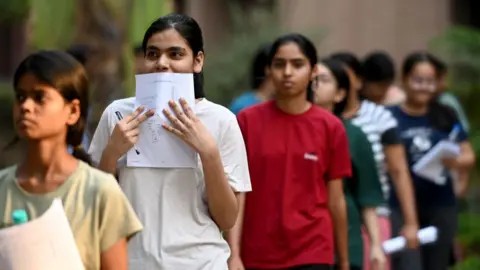
Campus Times | Lucknow The National Testing Agency (NTA) has released the city intimation slip for candidates set to appear in the NEET UG 2026 re-examination. Aspirants can now log in to the official NEET portal and check the city where they will take the medical entrance test scheduled for June 21.The re-examination is being conducted after the cancellation of the original NEET UG 2026 test held on May 3 amid allegations of a paper leak.Exam to Be held across India and overseasAccording to NTA, the re-test will take place in offline mode from 2:00 pm to 5:15 pm. The examination will be conducted in 551 cities across India and 14 international locations.Candidates can access their city intimation slip using their application number, date of birth, and security pin through the official websites.How to check the exam cityTo view the allotted examination city, candidates need to:• Visit the official NEET website.• Click on the NEET UG 2026 Re-Examination City Intimation Slip link.• Enter login credentials and submit.• Check the allotted city displayed on the screen.• Download and save the slip for future reference.City slip is not the admit cardNTA has clarified that the city intimation slip is only meant to inform candidates about the city of their examination centre. It does not serve as an admit card and cannot be used for entry into the examination hall.The admit card, which will include the exact exam centre address, reporting time, and exam-day instructions, is expected to be issued by June 14.No additional fee for re-testEarlier, Union Education Minister Dharmendra Pradhan had confirmed that students would not be charged any additional fee for the re-examination. Candidates were also allowed to choose their preferred examination city while registering for the fresh test.With the city details now available, candidates are advised to plan their travel and accommodation in advance and
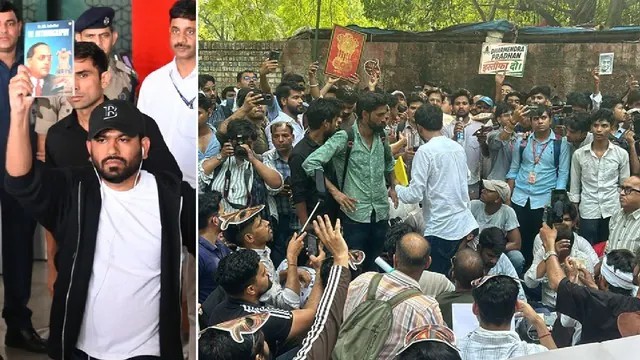
Campus Times | LucknowA large protest organized by the Cockroach Janta Party (CJP) was held at Jantar Mantar in Delhi on Saturday, drawing participants and supporters from multiple regions. The demonstration was led by CJP founder Abhijeet Dipke, who is based in the United States and returned to India for the event.The Delhi Police had permitted the protest between 10 AM and 5 PM, with tight security arrangements in place at the venue.Dipke attacks government, demands resignation over education system concernsAddressing the gathering, Dipke launched a strong critique of the central government, accusing it of diverting attention through identity-based politics while ignoring employment and education-related issues. He questioned whether such political narratives had translated into real opportunities for youth.He further demanded the resignation of Union Education Minister Dharmendra Pradhan, alleging systemic failures in India’s education framework. Dipke also warned that if his demands were not met by the evening deadline, the movement would expand into multiple cities across the country, with another major protest planned at Jantar Mantar next week.Sonam Wangchuk calls for systemic reform, not resignationsSocial activist Sonam Wangchuk addressed the gathering and emphasized that the focus should be on reforming the education system rather than demanding ministerial resignations.He suggested structural changes in governance, including accountability measures such as ensuring that policymakers’ children study in government schools. Wangchuk stated that the protest should be seen as a call for systemic improvement in education and examination processes rather than a purely political demand.The demonstration highlighted growing public debate around India’s education system, examination integrity, and youth employment concerns, with differing voices calling for both accountability and reform.Political reactions and student exam concerns raisedNationalist Congress Party (NCP) leader Rohit Pawar extended support to the protest, linking it to alleged irregularities in competitive examinations. He said concerns around NEET and CBSE-related issues
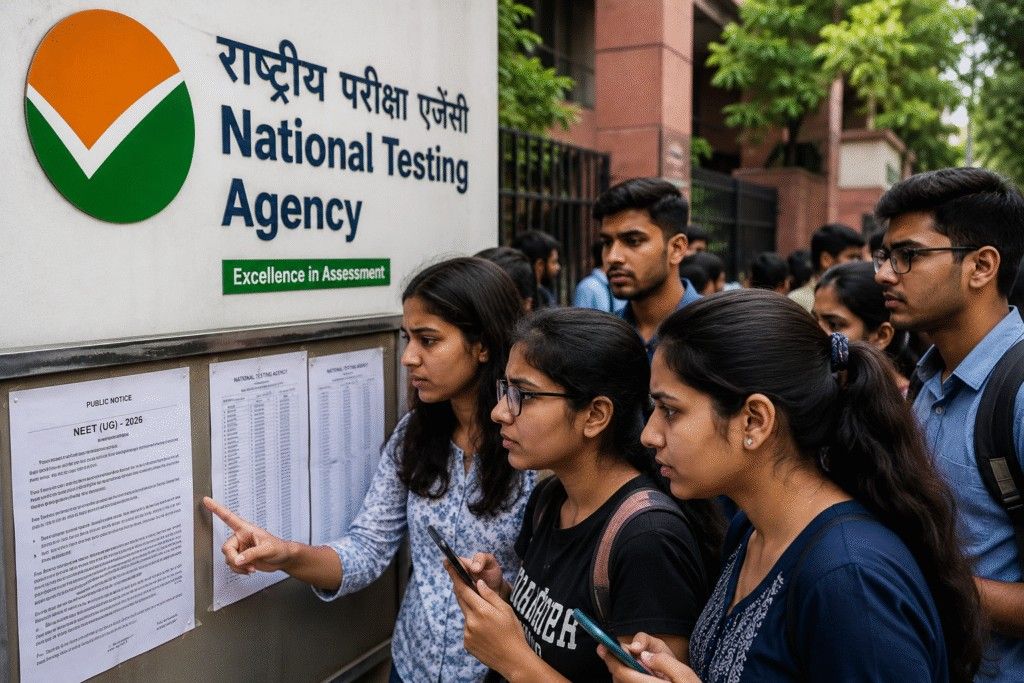
Campus Times | LucknowJust days before the scheduled Re-NEET UG 2026 examination, fresh concerns have emerged after several social media posts claimed that question papers were being offered for sale through Telegram channels. The allegations quickly gained traction online, prompting the National Testing Agency (NTA) to take note of the matter.NTA refers matter for investigationResponding to complaints raised on X, the NTA confirmed that the information had been forwarded to cybercrime authorities for verification and necessary action. However, the agency has not confirmed any breach of examination material and has maintained that the claims are currently under investigation.Authenticity yet to be establishedScreenshots circulating on social media allegedly show Telegram groups advertising access to examination papers and inviting students to join private channels. Despite the viral nature of these posts, officials have not verified whether the content has any connection to the actual Re-NEET UG 2026 question paper.Students debate credibility of viral postsThe claims have sparked intense discussion among aspirants and online users. While some expressed concern over exam security, others questioned the authenticity of the screenshots, suggesting they could be manipulated, AI-generated, or reused from previous examinations. Several users also warned that such channels may be attempting to exploit anxious students through misinformation or financial scams.Security measures remain in placeThe controversy comes as authorities prepare for the re-conduct of the medical entrance examination following the cancellation of the earlier test amid leak-related allegations. In recent weeks, the NTA has announced enhanced security arrangements, including tighter surveillance, stronger coordination with law-enforcement agencies, and a zero-trust framework aimed at preventing malpractice.Official updates advisedWith the examination approaching, candidates have been urged to rely only on official announcements and avoid engaging with unverified information circulating online. Further updates are expected once cybercrime authorities complete the verification process.
Campus Times | Lucknow Thousands of CBSE students were left waiting on Monday as the Board’s re-evaluation and verification portal failed to open on the scheduled date, displaying an “Under Maintenance” message instead. The delay has triggered concern among candidates who are racing against upcoming college admission timelines.The Central Board of Secondary Education (CBSE) had earlier announced June 1 as the date for the commencement of the re-evaluation and marks verification process. However, students attempting to access the portal found the service unavailable, with no immediate access to the application facility.Technical checks underway before launchAccording to sources familiar with the development, the portal is expected to go live later in the day. Technical teams are reportedly carrying out final checks, including payment gateway integration and system testing, to ensure a seamless application experience once the service is activated.The Board had previously deferred the process, citing the need to eliminate technical glitches and provide a smoother interface for students. Officials are now focused on ensuring that the platform functions without disruptions before opening it to applicants nationwide.Engineering aspirants worried over counselling timelineThe delay has become particularly significant for engineering aspirants, as JEE counselling is scheduled to begin on June 2. Many students are hoping that verification or re-evaluation of their answer sheets could improve their scores and help them meet the 75 per cent eligibility requirement for admission to several engineering institutes.With counselling dates approaching and admission procedures already underway, the uncertainty surrounding the re-evaluation process has added to the stress of students and parents alike. Candidates are closely monitoring developments, hoping for a timely resolution and clarity from the Board.CBSE urges students to follow official updatesMeanwhile, CBSE sources have urged students not to panic and advised them to rely only on official updates issued by the Board. The Board is expected
Campus Times | LucknowThousands of CBSE Class 12 students and their parents are grappling with uncertainty after multiple discrepancies surfaced in the board’s newly introduced On-Screen Marking (OSM) evaluation system. Complaints ranging from blurred scanned copies and missing supplementary sheets to unchecked answers and mismatched answer books have raised concerns over the credibility of the evaluation process at a crucial stage of academic admissions.Several students who accessed scanned copies of their answer sheets claimed the uploaded copies did not belong to them, while others alleged that pages containing written answers were either missing or marked blank due to poor scan quality. In some cases, students said they received zero marks despite writing correct answers.The issue has become particularly serious for engineering aspirants who cleared JEE Main and were preparing for JEE Advanced counselling. Many students reported unexpectedly low marks in Physics, Chemistry and Mathematics, pushing them below the mandatory 75 per cent eligibility criteria for admission to IITs. With counselling already underway and seats filling rapidly, affected students are now struggling to prove that their answer sheets were properly evaluated.A senior CBSE official confirmed that one such complaint involved a student named Vedant, whose scanned Physics answer sheet reportedly contained inner pages belonging to another candidate. The board later traced the original answer sheet after the matter gained attention online.Complaints continue even after 13 days of result declarationEven nearly two weeks after the declaration of CBSE Class 12 results, complaints related to the OSM system continue to emerge across social media and grievance platforms.One student alleged on social media that he was provided another student’s Physics answer sheet. In another case, a student claimed that her Mathematics supplementary booklet was entirely missing despite the front page indicating that two answer booklets had been submitted. She said nearly 16 pages of
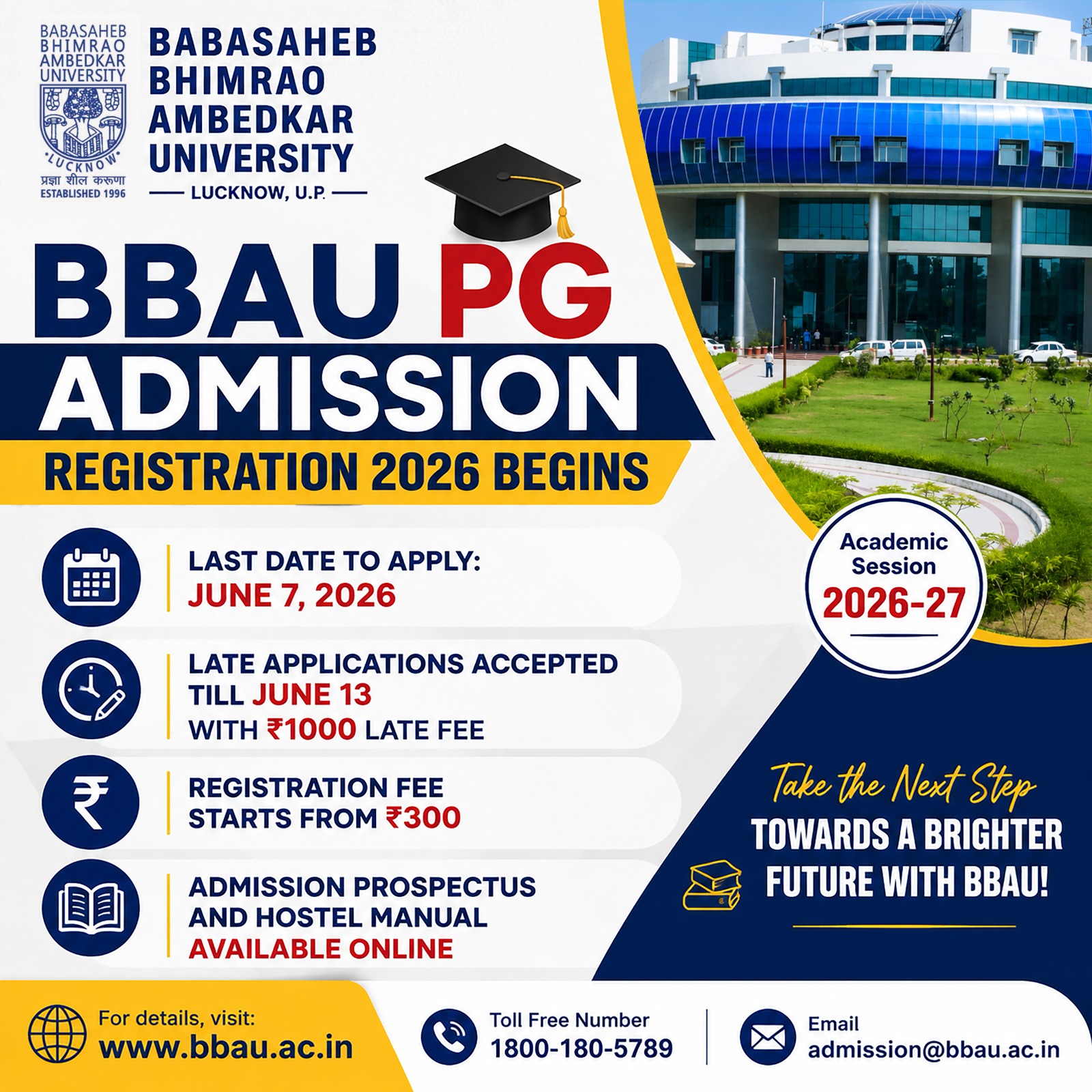
Campus Times | LucknowAccording to the official notification issued by the university, candidates seeking admission to various PG courses can now complete their registration through the university’s official website. The Admission Prospectus and Hostel Manual have also been uploaded online to help students understand the admission process, eligibility criteria, fee structure, and hostel facilities.The registration fee for General, OBC, and EWS category candidates has been fixed at Rs. 500, while applicants belonging to SC, ST, and PwD categories will have to pay Rs. 300.The university has announced June 7, 2026, as the last date for submission of applications without late fee. However, students will still be able to register till June 13, 2026, by paying a late fee of Rs. 1000.Officials have advised students to carefully read all guidelines before filling out the application form to avoid errors during the admission process.Candidates can access complete admission details, updates, and guidelines on the official website of Babasaheb Bhimrao Ambedkar University. For assistance, applicants may also contact the university helpline number 1800-180-5789 or email at admission@bbau.ac.in.Key Highlights:BBAU PG Admission Registration 2026 beginsLast date to apply: June 7, 2026Late applications accepted till June 13 with Rs. 1000 feeRegistration fee starts from Rs. 300Admission Prospectus and Hostel Manual available online
Campus Times | LucknowThe Central Board of Secondary Education (CBSE) has revised the fee structure for Class 12 post-result services following widespread concerns raised by students, parents, and teachers over the newly introduced On-Screen Marking (OSM) evaluation system. Alongside the fee reduction, the board has also launched dedicated helpline and tele-counselling services to support students dealing with result-related stress and anxiety.The move comes after several students claimed they received lower-than-expected marks in the 2026 board examinations. In response, CBSE clarified that the evaluation process was conducted in a fair, transparent, and standardised manner under officially approved marking guidelines.CBSE Reduces Re-Evaluation and Verification FeesCBSE has issued a revised notification for students applying for post-result facilities and has significantly reduced the earlier announced charges to make the process more accessible and affordable.As per the revised structure, students can obtain scanned copies of their evaluated answer sheets between May 19 and May 22, 2026, by paying Rs. 100 instead of the earlier Rs. 700 fee. Similarly, the fee for verification of issues observed in answer sheets, scheduled from May 26 to May 29, 2026, has been reduced from Rs. 500 to Rs. 100.The board has also slashed the re-evaluation fee from Rs. 100 per question to Rs. 25 per question. CBSE stated that the revised charges were introduced to ensure that no student is denied access to post-result facilities because of financial limitations.Addressing the issue during a press conference, Sanjay Kumar, Secretary, Department of School Education and Literacy, Ministry of Education, said the revised fee structure was aimed at supporting students and ensuring fairness in the post-result process. The board also indicated that fees may be refunded in cases where marks increase after verification or re-evaluation.Concerns Over OSM Evaluation SystemThe OSM (On-Screen Marking) system was introduced this year to improve standardisation, accuracy, confidentiality,
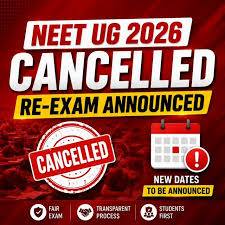
Campus Times | Lucknow The National Testing Agency (NTA) has officially cancelled the NEET UG 2026 examination conducted on May 3 after allegations of a large-scale paper leak triggered nationwide outrage among students and parents. The entrance examination, which saw participation from over 22.79 lakh candidates, will now be reconducted on fresh dates to be announced soon.In an official statement, the NTA said the decision was taken with the approval of the Government of India after reviewing inputs received from central investigative agencies and law enforcement authorities. The agency stated that the integrity of the examination process had been compromised, making it impossible to uphold the validity of the exam results.“The National Testing Agency, with the approval of the Government of India, has decided to cancel the NEET (UG) 2026 examination held on May 3, 2026,” the statement said.Fresh exam schedule and admit cards soonThe NTA clarified that revised dates for the NEET UG 2026 re-examination, along with details regarding fresh admit cards, will be notified separately through official platforms. Candidates have been advised to regularly monitor the official NTA and NEET websites for updates.The agency acknowledged the inconvenience caused to lakhs of students and their families but maintained that cancelling the examination was necessary to preserve trust in the national examination system.“The Agency is conscious that the re-conduct will cause real and significant inconvenience to candidates and their families. The decision has been taken because the alternative would have caused greater and more lasting damage to that trust,” the NTA stated in a post on X.Why was NEET UG 2026 cancelled?The controversy erupted after allegations surfaced regarding a leaked “guess paper” that reportedly matched a significant portion of the actual NEET UG 2026 question paper. According to investigation inputs, nearly 120 Chemistry questions allegedly matched the leaked material, while substantial
Campus Times | Lucknow The Central Board of Secondary Education (CBSE) is expected to announce the Class 12 Board Result 2026 in the third week of May, following the completion of the evaluation process. Students who appeared for the examinations will be able to check their marks online using their roll number and school credentials.According to reports, CBSE Examination Controller Sanyam Bhardwaj indicated that the results are likely to be declared in the third week of May. Several media reports have also suggested that the result may be released between May 12 and May 15, 2026. However, the board has not yet officially confirmed the exact date and time.Result Expected Based on Previous TrendsCBSE’s result pattern over the past few years suggests that students can expect the announcement around mid-May. In 2025 and 2024, the board declared Class 12 results on May 13, while in 2023, the results were announced on May 12.CBSE Lucknow City Coordinator Dr. Jawaid Alam Khan said that the online copy-checking process is progressing rapidly. He added that digital evaluation ensures transparency and speeds up the result preparation process. The board is expected to declare the results soon after the checking work concludes.Exams Conducted Between February and AprilThe CBSE Class 12 board examinations for the academic session 2025-26 were conducted from February 17 to April 10, 2026. The board completed the assessment process through an on-screen marking system.Students should note that the online marksheets available immediately after the declaration will be provisional. Original marksheets and certificates will later be distributed through respective schools.Official Websites to Check CBSE Class 12 Result 2026Students can access their results through the following official websites:• results.cbse.nic.in• cbse.gov.inTo download the provisional marksheet, candidates will need to enter their roll number, school number, and other required login credentials.How to Check Result Through SMSCBSE will also offer
Campus Times | Lucknow The Uttar Pradesh Police Recruitment and Promotion Board (UPPRPB) has officially declared the result of the written examination conducted for the direct recruitment of Sub-Inspector (Civil Police) and equivalent posts under UP Police SI Recruitment 2025. Candidates who appeared in the examination can now check their results through the official portal of UPPRPB by entering their registration number and date of birth.According to the recruitment board, a total of 12,333 candidates have been shortlisted for the next stage of the selection process, which includes Document Verification (DV) and Physical Standard Test (PST). The number of shortlisted candidates is approximately 2.7 times the total advertised vacancies. Candidates securing the same cut-off marks have also been included in the shortlist.DV/PST to Be Conducted in MayThe board has proposed to conduct the Document Verification and Physical Standard Test in the third week of May 2026. Following this, the Physical Efficiency Test (PET) is scheduled to be held in June 2026.Detailed information regarding the examination venue, reporting time, and schedule for DV/PST and PET will soon be published on the official website.Four Types of Status Mentioned in ResultCandidates checking their result may see any one of the following status messages on the scorecard:• “Congratulations! You are short listed for DV/PST.”The candidate has secured marks equal to or above the cut-off and is eligible for the next stage.• “Sorry! You are not short listed for DV/PST.”The candidate scored below the cut-off marks required for shortlisting.• “Sorry! You have not qualified in written test.”The candidate failed to secure the minimum qualifying marks — 35% in each subject/session and 50% aggregate normalized marks.• “You were absent in written test.”The candidate did not appear in the written examination.Final Answer Key Also AvailableAlong with the result, the recruitment board has also released the final answer key for the written examination.
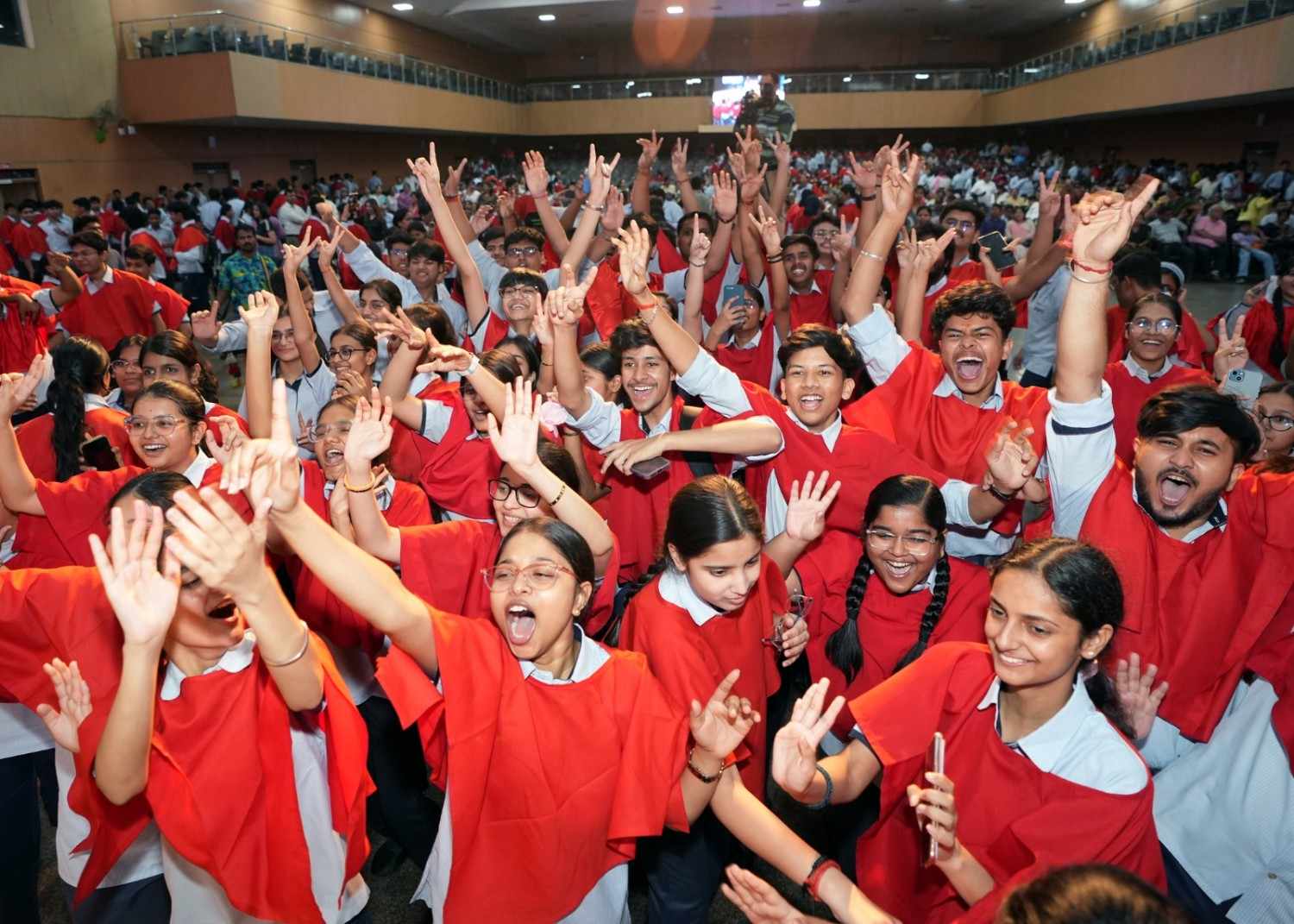
Campus Times | Lucknow The Council for the Indian School Certificate Examinations (CISCE) declared the ICSE (Class 10) and ISC (Class 12) results on April 30, 2026, bringing widespread celebration across the city. Once again, Lucknow students demonstrated remarkable academic excellence, achieving outstanding scores and maintaining the city’s strong educational reputation.Leading the ISC (Class 12) achievers, Osheen Agrawal from City Montessori School secured an exceptional 99.75%. She was joined at the top by Sanskriti Chandel, Chhavi Mishra (both from City Montessori School), and Zainab Fatima from the Aliganj branch of the same institution, all scoring 99.75%.In the ICSE (Class 10) results, Shivam Awasthi from Lucknow Public College and Vaivaswat Narayan from CMS Gomti Nagar emerged as the city topper with an impressive 99.80%, setting the highest benchmark this year.ISC (Class 12) Toppers in LucknowApart from the joint toppers, several students delivered outstanding performances. Ridhi Tiwari from La Martiniere Girls’ College scored 99.40%, followed by Prakhar Singh from St. Joseph’s College, and Naira Safi Khan and Vaanya Mehra from La Martiniere Girls’ College, each securing 99.25%. Pratham Gupta from Rani Laxmi Bai Memorial School also stood out with an impressive 97.75%, adding to the list of high achievers.ICSE (Class 10) Toppers in LucknowIn the ICSE results, after city topper Shivam Awasthi and Vaivashwat Narayan, Zahra Fatima and Anay Agarwal from City Montessori School scored 99.6%. Ridhi Tiwari from La Martiniere Girls’ College scored 99.40%, followed by Samarth from City Montessori School with 99.20%.Prisha Singh from La Mart secured 98.80%, while Yashasvi Anika Tandon and Ipshita Seth, both from La Martiniere Girls’ College, achieved 98.40%. Ayushi from Rani Laxmi Bai Memorial School also delivered a commendable performance with 98.20%.Result HighlightsThe ICSE examinations were conducted from February 17 to March 30, while the ISC examinations took place between February 12 and April 3.This year,
Campus Times | Lucknow The Defence Research and Development Organisation (DRDO) has invited applications for its 2026 paid internship programme at the Defence Institute of Physiology and Allied Sciences (DIPAS), along with its research cell DIBER, Haldwani. This initiative is aimed at final-year undergraduate and postgraduate engineering students seeking practical exposure in defence research.The internship will span six months and is designed to provide students with real-world research experience in a professional laboratory environment. Interested candidates can visit the official website: https://drdo.gov.inWho Can Apply?Students must meet specific academic and eligibility criteria to be considered:Must be in the final year during the 2026–27 academic sessionPursuing full-time B.E./B.Tech or M.E./M.Tech from a UGC/AICTE-recognized institutionBelong to relevant engineering streams such as Electronics, Electrical, Biotechnology, Computer Science, and related fieldsMust not have any active backlogs at the time of applicationStipend and Attendance RequirementsUnlike many research internships, DRDO offers financial support to selected candidates:Total Stipend: ₹30,000 for six monthsPayment Structure: Two instalments of ₹15,000 each (after 3 months and upon completion)Attendance Rule: Minimum 15 days per month is mandatory to qualify for the stipendApplication Process: Offline OnlyInterested candidates must follow a strict offline application process:Download the official application form from the DRDO website (https://drdo.gov.in)Attach a sponsorship or referral letter from the college Principal or Head of DepartmentClearly label the envelope: “Application for Paid Internship with Discipline: [Your Branch Name]”Send the completed application via Speed Post or Registered Post to:The DirectorDefence Institute of Physiology and Allied Sciences (DIPAS)Lucknow Road, TimarpurDelhi – 110054Last Date to Apply: May 15, 2026Selection ProcessSelection will be based on academic merit and may include a physical or online interaction. In case of a tie in marks, the candidate’s date of birth will be used as the deciding factor.Shortlisted candidates will be notified through their registered email IDs.Why This Internship MattersFor students aiming to
Campus Times | Lucknow In a major regulatory action, the Reserve Bank of India (RBI) has cancelled the licence of Paytm Payments Bank over non-compliance with regulatory norms, stating that the bank’s operations were detrimental to the interests of depositors and the public.The central bank announced that the licence stands cancelled with immediate effect from the close of business hours on Friday. It also indicated that it will approach the High Court to initiate the formal process of winding up the bank.Why RBI Took ActionAccording to the RBI, Paytm Payments Bank failed to comply with conditions laid down under the Banking Regulation Act, 1949. The regulator further stated that the management practices of the bank were “prejudicial to the interests of depositors” and that allowing it to continue operations would not serve any public interest.The bank has also been under regulatory scrutiny in the past. In March 2022, the RBI had barred it from onboarding new customers due to similar concerns.Is Your Money Safe?The RBI has reassured customers that their funds are secure. In its official statement, the central bank confirmed that the bank has sufficient liquidity to repay all depositors during the winding-up process.What Happens to Paytm Users?For customers, there is no immediate disruption in day-to-day digital payments:The Paytm app will continue to function as usualUPI payments, mobile recharges, and bill payments remain unaffectedPaytm QR, Soundbox, card machines, and payment gateway services will continue operating normallyCompany’s ResponseOne97 Communications, the parent company of Paytm, clarified in its regulatory filing that it has no financial exposure to Paytm Payments Bank, having already impaired its investment in the entity.The company emphasized that its broader ecosystem—including services like Paytm Money and Paytm Gold—remains fully operational and unaffected by the RBI’s action.What Customers Should DoWhile there is no need for immediate concern, customers are advised
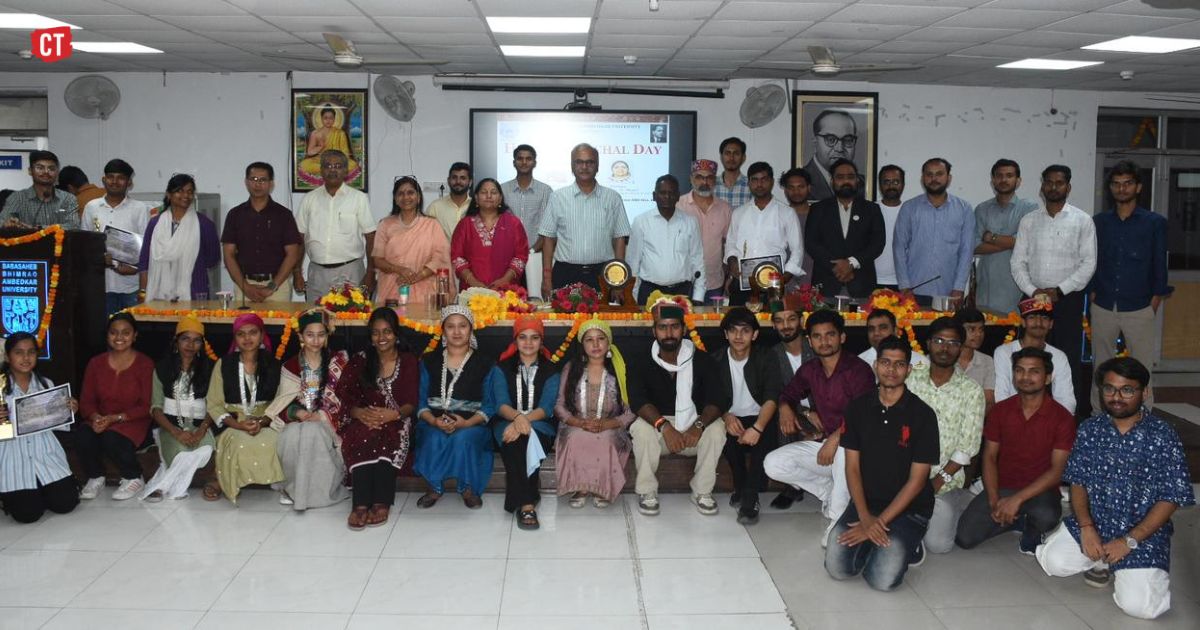
Campus Times | LucknowA vibrant celebration of Himachal Pradesh Day was organised at Babasaheb Bhimrao Ambedkar University on April 15, highlighting a rich confluence of art, culture, and the spirit of unity in diversity. The event brought together academicians, scientists, and students to honour the cultural heritage of Himachal Pradesh.Eminent Minds Add Prestige to the EventThe programme was led by Vice-Chancellor Raj Kumar Mittal, with S. Victor Babu as Chief Guest. Noted scientists Sandeep Sharma and Ashwini Bhardwaj from CSIR–Indian Institute of Toxicology Research, along with Monica Sharma and Manoj Kumar Dadwal, graced the occasion.Ceremonial Beginning and Welcome AddressThe event commenced with the ceremonial lighting of the lamp and a floral tribute, followed by the university anthem and a formal welcome of the guests. In her opening remarks, Dr. Monica Sharma outlined the objectives of the programme, emphasising the importance of cultural awareness and inclusivity within academic spaces.Emphasis on Cultural Unity and HeritageAddressing the gathering, Raj Kumar Mittal highlighted the importance of such events in celebrating India’s cultural diversity. He described Himachal Pradesh as the “Land of Gods,” noting that its rich traditions and eco-conscious lifestyle reflect a deep harmony with nature and promote unity among students.Chief Guest S. Victor Babu praised the simplicity and cultural richness of the people of Himachal Pradesh, adding that their values strengthen social harmony while also recognising the state’s contributions to India’s freedom struggle and its natural beauty.Insights from ExpertsSharing their views, Sandeep Sharma emphasised the deep-rooted cultural and moral values of Himachal Pradesh, while Ashwini Bhardwaj praised the university for helping individuals stay connected to their roots even away from home.Competitions and Cultural ShowcaseThe celebration included competitions such as rangoli, quiz, and poster-making, with winners receiving certificates and mementos. A documentary on Himachal Pradesh was screened, while cultural performances by students and faculty
.jpg)
Campus Times | LucknowThe Central Board of Secondary Education has officially announced the Class 10 board examination results for the academic year 2026, bringing anticipation to an end for lakhs of students across the country.As per official information, the results were declared on April 15, with digital marksheets made available for immediate access through DigiLocker and other authorised platforms.DigiLocker Emerges as Primary Access PlatformIn a bid to streamline result access and reduce traffic congestion on official websites, CBSE has prioritised DigiLocker as a key platform for downloading scorecards. The digital marksheets available on DigiLocker are recognised as valid official documents for academic and administrative purposes.Students can securely log in using their registered credentials and download their marksheets with ease, ensuring a smooth and efficient process during peak result hours.Multiple Platforms for Result AccessTo enhance accessibility and convenience, the Central Board of Secondary Education has enabled students to check their results through multiple channels, including official CBSE result portals, the UMANG mobile application, and SMS-based services, ensuring seamless and uninterrupted access for all candidates.Steps to Download Marksheet via DigiLockerVisit the DigiLocker website or app Log in using registered credentials Select “CBSE Class 10 Marksheet” Enter required details such as roll number Download and save the marksheet for future use Examination OverviewThe CBSE Class 10 board examinations for 2026 were conducted between February 17 and March 11, witnessing participation from approximately 25 lakh students across India.Students are advised to carefully verify all details mentioned on their marksheets and retain a copy for future academic requirements.
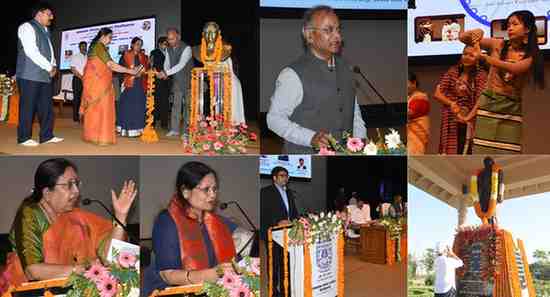
Campus Times |LucknowThe four-day celebration of Ambedkar Jayanti and University Foundation Day concluded at Babasaheb Bhimrao Ambedkar University (BBAU) on April 14 with a valedictory ceremony featuring a National Seminar on “Udhyamita se Samaveshi Vikas: Babasaheb Dr. B.R. Ambedkar ki Drishti Main.”The Chief Guest, Uttar Pradesh Cabinet Minister Baby Rani Maurya, emphasized education as the foundation of social change and urged society to reflect on realizing Babasaheb’s vision of justice and empowerment. Reiterating Dr. B.R. Ambedkar’s call to “Educate, Organize, and Agitate,” she stressed inclusive development through knowledge and innovation.Education is tool for transformationGuest of Honour and Minister of State Vijay Lakshmi Gautam described education as the most powerful tool for transformation and highlighted Ambedkar’s enduring contribution to India’s democratic framework and women’s rights.Presiding over the programme, Vice-Chancellor Prof. Raj Kumar Mittal encouraged youth to imbibe Ambedkar’s ideals and become job creators through entrepreneurship. The keynote speaker, Shashank Kunwar, Founder Chairman of Dalit Indian Chamber of Commerce and Industry (DICCI), outlined the organisation’s efforts to promote entrepreneurship among SC/ST youth through mentorship, financial awareness, and global exposure.Tribute to BR. Ambedkar The ceremony began with a floral tribute and lamp lighting, followed by the university anthem and a formal welcome. A campus-wide ‘Bhim Walk’ saw enthusiastic participation from faculty, staff, and students, reaffirming their commitment to Ambedkar’s ideals. The Vice-Chancellor and dignitaries also inaugurated an electric vehicle charging point and ‘Navkalpana’, a Section 8 company.Prize distributionWinners of debate, essay, quiz, street play, rangoli, and other competitions held during the four-day event were felicitated with certificates and prize money. Cultural performances by university students and participants from the Department of Culture, Government of Uttar Pradesh, added vibrancy to the celebration, alongside an exhibition of rural industries and traditional arts.The programme concluded with a vote of thanks by Prof. K.L. Mahawar and was attended

Campus Times | LucknowApple may continue its evolving design approach with the upcoming iPhone 18 Pro, with reports suggesting the company could once again skip the traditional black colour option.According to industry sources, the move would mirror the strategy adopted with the iPhone 17 Pro lineup, where Apple shifted away from conventional shades and introduced more distinctive colour variants.Shift in design strategyThe reported decision indicates a broader shift in Apple’s design philosophy, with the company increasingly experimenting with bolder and more expressive finishes for its premium devices. Analysts believe this approach is aimed at differentiating the Pro series while appealing to a wider, younger user base.While the final lineup remains unconfirmed, early indications suggest the inclusion of new shades such as deep red or purple, continuing the trend of vibrant colour choices introduced in recent models.Expected upgradesApart from design changes, the device is expected to feature improvements in performance, camera systems, and battery efficiency. However, specific details on hardware upgrades remain limited at this stage.Apple typically unveils its new iPhone models during its annual launch event in September, and the iPhone 18 Pro is expected to follow the same timeline.Mixed response from users : The possible removal of the black variant has split users—while some welcome the bold new colours, others still prefer the classic, minimal look of the Pro lineup.Apple is shifting its focus from just performance to design as well—moves that could reshape user perception in the premium smartphone market.
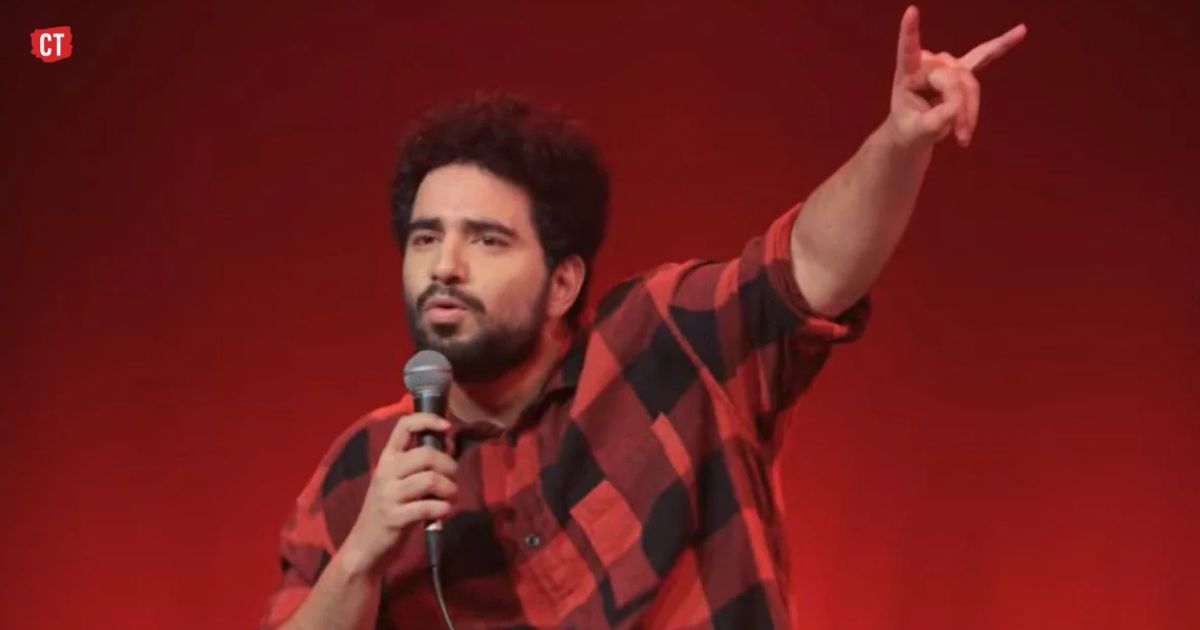
Campus Times | LucknowStand-up comedian Samay Raina has once again found himself at the centre of controversy, this time over a remark that quickly went viral and reignited debate around his show India’s Got Latent.During a recent performance of his comedy special Still Alive, Raina remarked, “Hum Kashmiri crossfire mein hi marte hain,” using the analogy to describe being caught between criticism, backlash, and public scrutiny. The comment has since triggered mixed reactions online, with many questioning its tone and context.Remark amid ongoing backlashThe controversy comes in the backdrop of the earlier row surrounding India’s Got Latent, which faced criticism over certain segments and remarks. The backlash had escalated to the point where episodes were reportedly taken down, drawing widespread attention across platforms.Raina, addressing the issue, had earlier stated that while most of the controversial content was edited out, a small portion still slipped through—something he described as enough to spark widespread outrage.Personal toll behind the spotlightBeyond the public criticism, the episode appears to have taken a personal toll. Raina has spoken about experiencing anxiety during the peak of the controversy, highlighting the pressure that comes with virality and public judgment in the digital era.Internet divided once againThe latest remark has once again split opinion on social media. While supporters view his style as bold and unfiltered, critics argue that such analogies risk crossing lines of sensitivity.The situation has reopened a broader conversation around the limits of comedy—especially in an age where content spreads instantly and reactions amplify just as quickly.As digital audiences grow more vocal, the margin for error continues to shrink—turning every joke into a potential flashpoint.
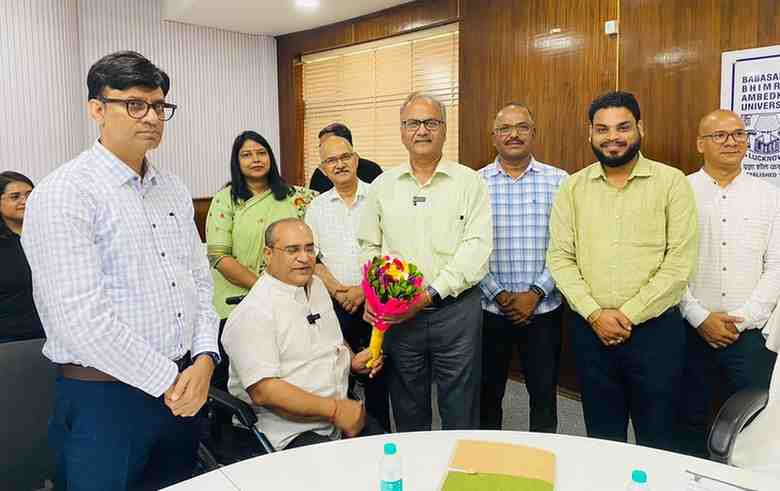
Campus Times | LucknowIn a significant push to India’s growing startup ecosystem, Babasaheb Bhimrao Ambedkar University (BBAU) emerged as a vibrant hub of innovation as it hosted the high-energy Saksham Yatra on April 6. The event brought together students, industry leaders, and academicians, creating a dynamic platform to transform ideas into real-world ventures aligned with the vision of Viksit Bharat 2047.Organized in collaboration with Bachpan Play School Chain, the initiative went beyond conventional learning, offering students a hands-on entrepreneurial experience.VC talks about Startups Key of India’s FuturePresiding over the session, Vice-Chancellor Raj Kumar Mittal emphasized that startups are central to India’s future growth. He urged universities to actively foster innovation ecosystems, enabling students to think beyond traditional career paths.“India’s future will not depend only on large industries, but on youth-led startups and micro-enterprises,” he noted, stressing the need to revive the country’s legacy as a global innovation hub.Response on Vision of Saksham YatraChief Guest Ajay Gupta highlighted the broader vision of Saksham Yatra, a national-level initiative under Kamyab Grants. The 9-day journey is engaging young innovators across cities including Ayodhya, Lucknow, Agra, Mathura, and Jaipur.A key highlight of the program was the promise of equity-free grants, expert mentorship, and real startup exposure, offering students a rare opportunity to build scalable ventures without financial constraints.Participants showcased ideas in areas such as education, inclusion, and disability empowerment, reflecting a growing trend of socially responsible entrepreneurship among youth.With initiatives like Saksham Yatra, BBAU is steadily positioning itself as a launchpad for future entrepreneurs—bridging the gap between classroom learning and real-world innovation.As India moves towards 2047, such initiatives are playing a crucial role in shaping a self-reliant, innovation-driven nation powered by its youth.
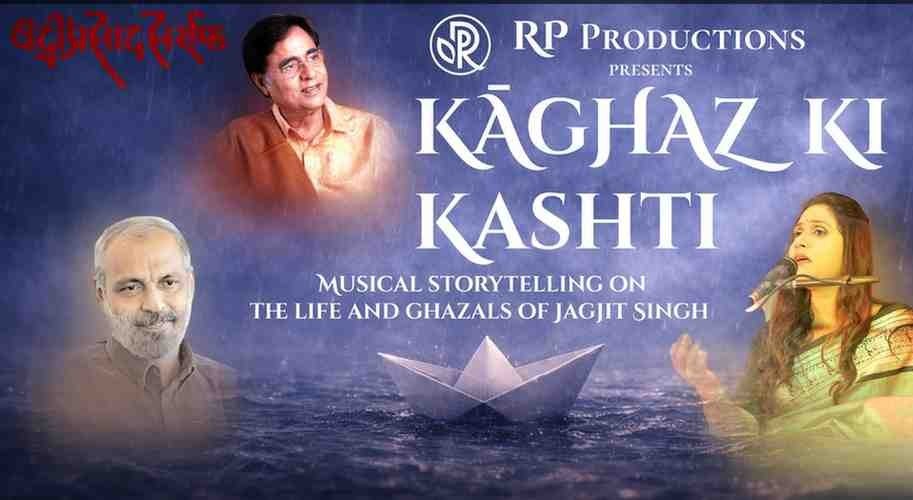
Campus Times | Lucknow In a heartfelt tribute to legendary ghazal maestro Jagjit Singh, Lucknow witnessed an unforgettable musical evening as artists came together to celebrate his timeless legacy through soul-stirring performances.The event, titled “Kagaz Ki Kashti: A Musical Portrait of Jagjit Singh”, was held at Jaipuria Institute auditorium in Gomti Nagar, where music lovers gathered in large numbers to relive the magic of his iconic ghazals.The evening opened with the evergreen classic “Tum Ko Dekha To Yeh Khayal Aaya”, instantly setting a nostalgic tone. The performances seamlessly blended storytelling and music, with narration complementing live renditions of Jagjit Singh’s most beloved compositions.Renowned vocalist Dr. Prabha Srivastava, along with a team of skilled musicians on tabla, sarangi, guitar, and synthesizer, captivated the audience with a series of ghazals and nazms. Classics like “Baat Niklegi” and “Kal Chaudhvin Ki Raat Thi” resonated deeply, transporting listeners into the golden era of ghazals.A special segment dedicated to poetic legends like Mirza Ghalib added depth to the evening, highlighting how Jagjit Singh immortalized classical poetry through his voice. The audience also enjoyed a mix of thumri and Punjabi compositions, making the tribute diverse and engaging.Organized by cultural groups committed to promoting performing arts, the concert not only celebrated Jagjit Singh’s music but also reaffirmed his enduring influence on generations of listeners. Known for revolutionizing ghazals by making them accessible and emotionally resonant, his legacy continues to inspire artists and audiences alike.The evening concluded with a standing ovation, proving once again that while legends may fade, their music lives on—echoing through every note, every lyric, and every heart it touches.
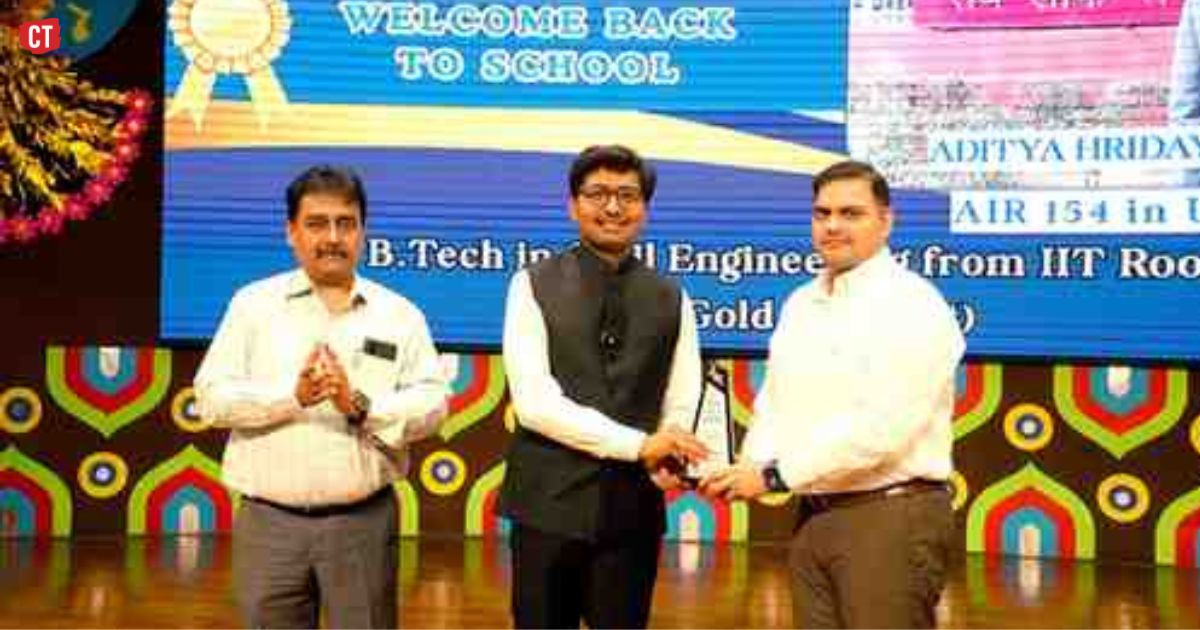
Campus Times | Lucknow “Failure in itself is a unique experience. Many times in life, we work very hard to achieve a goal but success does not come immediately. In such moments, instead of being discouraged by failure, one should learn from it and rise again with greater determination. In life, you either win or you learn.”These inspiring words were shared by Aditya Hriday Upadhyay, who secured 154th rank in the UPSC Civil Services Examination, while interacting with students at Lucknow Public School (C.P. Singh Foundation), Sector-I Branch, on Saturday. The interaction was organized under the school’s initiative ‘Back to School – Alumni Interaction Series.’Aditya, an alumnus of the 2017 batch, received a warm welcome from students and teachers upon his return to his alma mater. On this occasion, School Manager Mr. Lokesh Singh felicitated him with a bouquet and a memento. Appreciating his achievement, he stated that Aditya’s success serves as a great inspiration for the students and his experiences will motivate them to remain committed to their goals.Clarity of Goals and Accountability are the Keys to SuccessAddressing the students, Aditya emphasized that one of the major challenges among students today is the lack of clarity about their goals. He advised them to clearly define both their short-term and long-term objectives and have a clear understanding of what they aim to achieve the next day, the next week, or even the coming year.He further highlighted that accountability plays a crucial role in achieving success—whether it is accountability towards oneself, parents, or teachers. Aditya also noted that modern technology, when used wisely, can significantly enhance focus and productivity. According to him, consistent efforts and the right direction of thought ultimately lead to success.Inner Balance and Stepping Out of the Comfort Zone is EssentialSharing insights from his personal journey, Aditya said

Campus Times | LucknowThe teaser of Ramayana has sparked widespread conversation online, drawing millions of views within 48 hours of its release and trending across platforms.Actor Ranbir Kapoor, now officially revealed as the face of Lord Ram in the teaser, has become the focal point of the discussion. The makers offered a clearer glimpse of his look, putting speculation to rest. While many viewers praised his restrained and composed portrayal, others said the reveal lacked the spiritual gravitas often associated with the character.Strong traction, divided opinions The teaser has recorded strong engagement on YouTube and social media, with users actively sharing reactions. A section of the audience appreciated the improved visual effects and a more grounded tone, while critics flagged concerns over costume detailing and emotional depth following the character reveal.Industry backs visual approach Members of the film fraternity have largely responded positively, describing the teaser as “visually refined” and a step towards a more faithful adaptation of the epic narrative.Comparison with Adipurush persists The response is being closely compared with Adipurush, which faced criticism for its VFX and dialogues. The earlier film’s reception has heightened expectations from Ramayana, placing it under sharper scrutiny.Cast in focus Apart from Ranbir Kapoor, the film features a strong ensemble cast including Sai Pallavi, who is expected to play Sita, and Yash, reportedly portraying Ravana and Laxman as Ravi Dubey. Veteran actor Amitabh Bachchan is also said to be part of the project in a significant role, adding to the scale and anticipation surrounding the film.High expectations ahead With a serious narrative tone and emphasis on visual authenticity, Ramayana is being seen by some as a potential shift in mythological storytelling in Hindi cinema. However, early reactions suggest audiences remain cautious.The teaser has succeeded in generating buzz, but its long-term impact will depend on

Campus Times | LucknowLucknow University will implement a centralised admission system for undergraduate and postgraduate courses from the 2026–27 academic session, in a move aimed at ensuring transparency and uniformity across affiliated colleges.The decision, approved by Vice-Chancellor Prof. J. P. Saini, makes it mandatory for students to apply through the Samarth portal. Officials said the system will streamline the admission process and curb irregularities.Colleges in Lucknow, Hardoi, Lakhimpur Kheri, Sitapur and Raebareli have been directed to join the system by depositing the prescribed participation fee.Officials added that the new mechanism will eliminate scope for seat manipulation by colleges. Admissions conducted beyond the stipulated deadline may render students ineligible to fill examination forms, placing accountability on institutions.Admission Cell Gets New ChairmanTo facilitate smooth implementation, Prof. Pankaj Mathur has been appointed chairman of the admission cell. Registrar Dr. Bhavana Mishra said the appointment was made as per the vice-chancellor’s directions.Meanwhile, the university has extended the deadline for depositing second-semester fees for UG and PG courses till April 10. The earlier deadline was March 27.Colleges Asked to Prepare for NAAC EvaluationIn a separate development, Uttar Pradesh Governor Anandiben Patel asked affiliated colleges to prepare for accreditation by the National Assessment and Accreditation Council during a review meeting at Raj Bhavan.Officials said 50 colleges, including 17 government and 33 aided institutions, have submitted progress reports. The governor emphasised timely filling of vacant posts and expressed concern over declining student enrolment.Colleges have also been directed to improve infrastructure, laboratories and digital facilities, and to ensure effective use of CSR funds while participating in public welfare initiatives such as tuberculosis eradication and vaccination drives.
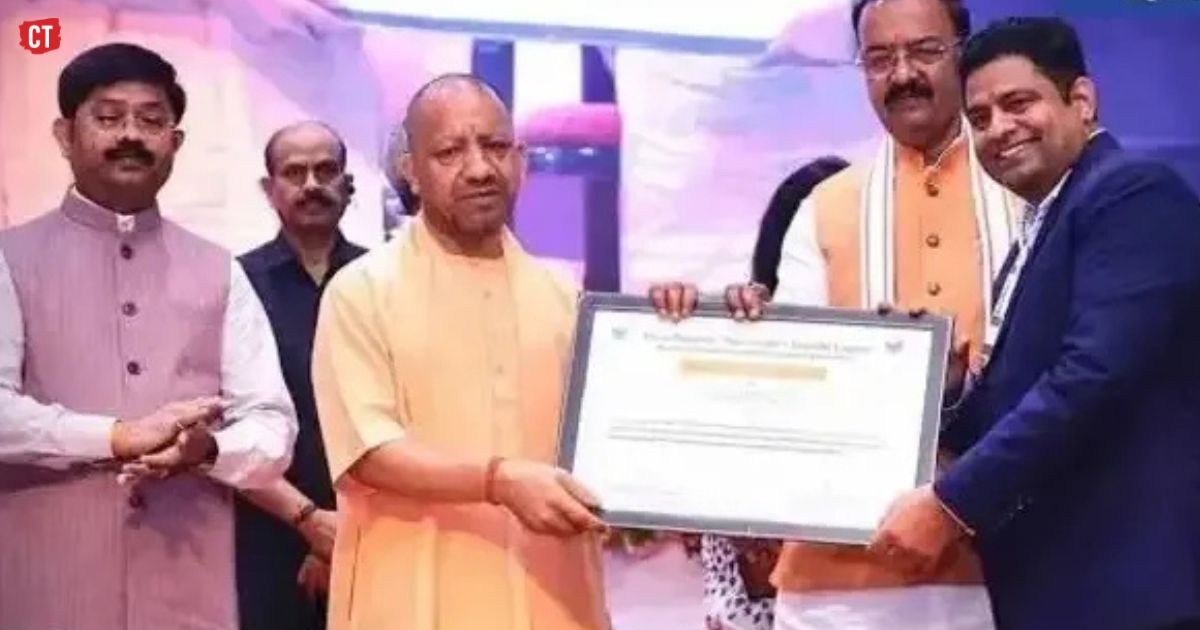
Campus Times | LucknowUttar Pradesh’s industrial and innovation landscape is set for a major uplift as Sonalika Tractors plans to establish a state-of-the-art engineering and design hub in Greater Noida, supporting the state’s push for investment and innovation while positioning it as a hub for advanced agri-tech, job creation, and economic growth.The announcement gained momentum after Yogi Adityanath handed over the Letter of Intent to Suneet Kumar during a recent ceremony in Lucknow.This upcoming facility will be Sonalika’s largest research and development hub, aimed at accelerating innovation in farm machinery and strengthening India’s agri-tech ecosystem. The project is expected to enhance production capabilities while also generating employment opportunities in the region.Raman Mittal highlighted that the initiative reflects the company’s strong commitment to improving farmers’ livelihoods through advanced technology. He also acknowledged the Uttar Pradesh government’s consistent support in driving industrial growth.With this move, Uttar Pradesh continues to position itself as a key destination for manufacturing and innovation, aligning with its vision of becoming a major economic powerhouse.
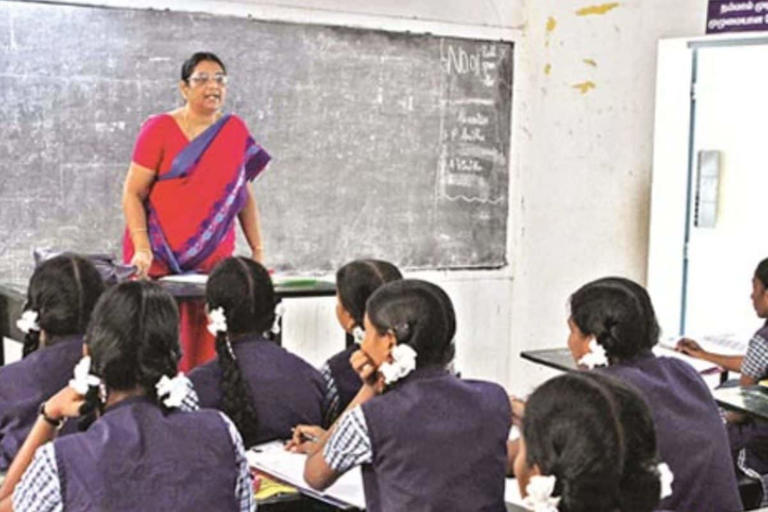
Campus Times | LucknowThe Central Board of Secondary Education (CBSE) on Monday declared the results of the February 2026 edition of the Central Teacher Eligibility Test (CTET), bringing relief to lakhs of aspirants across the country.Candidates who appeared for the eligibility test can access their scorecards on the official website — ctet.nic.in — by logging in with their application number and date of birth.The examination was conducted on February 7 and 8 in 140 cities nationwide. Paper 1 was held for candidates aspiring to teach Classes 1 to 5, while Paper 2 was for those aiming to teach Classes 6 to 8.How to check CTET Result 2026:Visit ctet.nic.in Click on the CTET Result 2026 link Enter application number and date of birth Submit and download the scorecard CBSE has also made provisions for candidates to access their digital marksheets and eligibility certificates through DigiLocker.CTET is a national-level eligibility test that determines candidates’ suitability for teaching positions in Classes 1 to 8. Qualifying the exam is mandatory for recruitment in central government schools such as the Kendriya Vidyalaya Sangathan and the Navodaya Vidyalaya Samiti, besides being accepted by several state and private institutions.Qualifying criteria:As per CBSE norms, candidates must secure at least 60% marks (90 out of 150) to qualify. However, relaxation in qualifying marks is provided to reserved category candidates (SC/ST/OBC/PwD) as per government rules.Validity of CTET certificate: The CTET qualifying certificate is valid for a lifetime, a rule introduced by CBSE in 2021, allowing candidates to apply for teaching jobs anytime after qualifying.Notably, there is no restriction on the number of attempts, allowing candidates to reappear to improve their scores.The CTET is conducted twice a year and plays a key role in maintaining uniform standards of teaching quality across the country.

Campus Times | Lucknow The sudden demise of Bengali actor Rahul Arunoday Banerjee has once again spotlighted a troubling pattern of accidental drowning incidents within the entertainment industry. The 43-year-old actor died on Sunday after reportedly being swept into the sea near Talsari Beach, shortly after wrapping up a film shoot near Digha.Despite immediate rescue efforts, he was declared dead at a nearby hospital, sending shockwaves across the Bengali film fraternity. Known for his performances in films like Chirodini Tumi Je Amar and Zulfiqar, Rahul was regarded as one of the most relatable faces in Bengali cinema. He is survived by his wife, actress Priyanka Sarkar, and their son.A Pattern That Keeps RepeatingRahul’s tragic death echoes several high-profile drowning cases that have stunned the country over the years. In 2018, legendary actress Sridevi died in Dubai after accidentally drowning in a hotel bathtub. Investigations suggested a brief loss of consciousness, possibly linked to alcohol, leading to the fatal incident.Similarly, Assamese singer-actor Zubeen Garg reportedly died in 2025 during a yacht outing near Singapore after entering the sea without a life jacket. Authorities later ruled it an accidental drowning, citing alcohol consumption and open-sea conditions as contributing factors.Globally, the case of Natalie Wood remains one of the most debated drowning incidents, with her mysterious death off the California coast in 1981 still raising unanswered questions.Common Risk FactorsExperts and past investigations highlight recurring triggers in such incidents, including sudden loss of consciousness, absence of safety gear like life jackets, overconfidence in swimming ability, delayed rescue response, and unpredictable water conditions.Danger Where Least ExpectedWhat makes these incidents particularly unsettling is that they often occur in seemingly safe environments—such as bathtubs or shallow waters—challenging the perception that danger exists only in extreme situations. The viral last video of Rahul Arunoday Banerjee from his

India Builds Forest-Like Wildlife Overpass Near Ranthambore National Park on Delhi–Mumbai Expressway
Campus Times | LucknowIn a landmark step toward sustainable infrastructure, India has developed its largest animal overpass system along an 11.5 km stretch of the Delhi–Mumbai Expressway near Ranthambore National Park. The project stands as a rare example of coexistence, where high-speed traffic and wildlife movement operate independently—without conflict.Officials said the highlight of the project is a 3.5-km-long animal overpass system, divided into multiple segments, allowing animals to cross above the expressway safely. In addition, a 1.2-km dedicated underpass has been constructed, providing an alternative route for species that prefer moving beneath the road.The corridor is strategically designed to reconnect key forest habitats, linking Ranthambore National Park with Ramgarh Vishdhari Wildlife Sanctuary, Mukundra Hills National Park and Kuno National Park. Wildlife experts believe this will help restore a crucial inter-state corridor, particularly for tigers and other large mammals.Unlike conventional flyovers, the overpasses have been designed to mimic natural forest conditions. Layers of soil and native vegetation have been added to encourage animals to use the crossings instinctively, reducing hesitation and stress.To enhance safety, authorities have installed high boundary walls to prevent animals from straying onto the highway and sound barriers to minimise traffic noise. Covered stretches equipped with over 1,500 LED lights ensure visibility for motorists passing beneath the green corridors.Experts say the project could significantly reduce wildlife-vehicle collisions, a persistent concern in forested regions intersected by highways.With this initiative, India joins a select group of countries adopting large-scale wildlife-friendly infrastructure, setting a precedent for future highway projects where ecological preservation is integrated into core design.
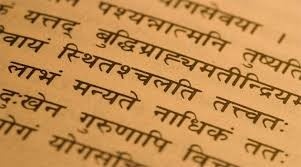
Campus Times | LucknowSanskrit, one of the world’s oldest and most influential languages, continues to hold a prestigious place in India’s cultural and intellectual heritage. While it is officially recognized among the 22 scheduled languages of the Indian Constitution, its adoption at the state level remains limited.As of 2026, only two Indian states — Uttarakhand and Himachal Pradesh — have granted Sanskrit the status of a second official language.Uttarakhand made history in 2010 by becoming the first state to formally adopt Sanskrit for administrative purposes. Nearly a decade later, Himachal Pradesh followed suit in 2019, reinforcing efforts to revive and preserve the classical language in modern governance.Revival Beyond PolicyDespite limited official use, Sanskrit is far from obsolete. It is widely taught in schools across India, especially under boards like CBSE, where students commonly study it between Classes 5 and 8. In some cases, it is also offered as a second language in higher classes.Government initiatives, along with cultural organisations, have played a crucial role in promoting the language. One such organisation, Samskrita Bharati, claims to have trained over 10 million people in conversational Sanskrit and established more than 6,000 Sanskrit-speaking homes across the country.Usage vs. Identity GapAccording to the 2011 Census, over 3.1 million Indians reported Sanskrit as a first, second, or third language. However, only 24,821 people identified it as their mother tongue. This highlights a clear gap between Sanskrit’s academic popularity and its everyday usage.Experts believe that cultural pride and symbolic association may influence people to report familiarity with the language, even if it is not actively spoken.Global Comeback & Digital LeapSanskrit’s revival is not limited to India. Universities in countries like Germany, the UK, the US, and China are increasingly offering Sanskrit studies. In a major digital milestone, the language was added to Google Translate in 2022,

Campus Times | LucknowThe much-awaited Indian Premier League 2026 has officially kicked off on March 28, but fans witnessed something unusual this season — no opening ceremony.The 19th edition began with a high-voltage clash between Royal Challengers Bengaluru and Sunrisers Hyderabad at the iconic M. Chinnaswamy Stadium. While the match delivered full entertainment, the usual star-studded curtain-raiser was missing.Why Was the Opening Ceremony Cancelled?According to reports, the Board of Control for Cricket in India (BCCI) has decided to skip the opening ceremony this year as a mark of respect for a tragic incident that occurred in 2025.After RCB’s historic first IPL title win, a celebratory event was hastily organized at their home ground in Bengaluru. Due to poor crowd management and free entry, thousands of fans gathered outside the stadium, leading to a stampede that claimed 11 lives.Keeping this tragedy in mind, the board has opted for a low-key start to honor the victims and avoid any large-scale pre-match gatherings.Match Highlight: RCB Begin Title Defence in StyleDespite no opening ceremony, the action lived up to expectations as Royal Challengers Bengaluru chased down 202 to defeat Sunrisers Hyderabad by six wickets (203/4 in 19.4 overs vs 201/9). Virat Kohli anchored the chase with an unbeaten 69, while Devdutt Padikkal shone as Impact Sub with a quick 61. Earlier, Ishan Kishan scored 80 for SRH, while Jacob Duffy (3/22) and Romario Shepherd (3/54) impressed with the ball. Padikkal’s match-defining knock ultimately sealed a strong start to RCB’s title defence.Grand Finale Still on the CardsWhile the opening ceremony has been scrapped, fans can still look forward to a spectacular closing ceremony, as confirmed by IPL authorities.IPL 2026 Schedule at a Glance• Start Date: March 28, 2026 • League Matches: 70 games • Venues: 12 cities across India • Finale: Planned with a grand closing ceremony

Campus Times | LucknowIn a major push toward future-ready education, the Uttar Pradesh government has made the ‘AI for All’ course compulsory for secondary school students under Project Praveen. Starting from the academic session 2026–27, nearly two lakh students from classes 9 to 12 across 1,200 government schools will receive structured training in Artificial Intelligence (AI).This marks the first time AI education will be mandatory across all vocational trades, signaling a strong shift toward integrating emerging technologies into school-level learning.Minister of State (Independent Charge) for Vocational Education, Skill Development and Entrepreneurship, Kapil Dev Agarwal emphasized the importance of equipping students with knowledge of AI, calling it essential for future careers. He stated that the initiative aims to make students skilled in using AI tools across different sectors.AI Meets Skill DevelopmentUnder Project Praveen, students are already undergoing a 210-hour free vocational training program in fields like IT, Electronics, Beauty & Healthcare. Now, the AI for All course has been integrated into this framework, enhancing its relevance in today’s tech-driven world.A special four-hour AI module has been made compulsory for both students and trainers, ensuring foundational understanding along with practical exposure.Focus on Real-World SkillsAccording to Mission Director Pulkit Khare, the initiative is designed to strengthen students’ future by building skills like problem-solving, creative thinking, and data analysis. The course will also introduce practical AI applications in job roles such as Customer Care, Digital Media, Healthcare, and Tailoring.Teachers to Be Trained by ExpertsTo ensure effective implementation, instructors will be trained by AI experts. A dedicated online workshop is scheduled on March 28 at the Uttar Pradesh Skill Development Mission office in Lucknow, where teachers will receive hands-on training in AI tools and applications under the supervision of Assistant Director ITI, Dr. Pavitra Tandon.A Step Toward Future CareersBy introducing AI education at the school
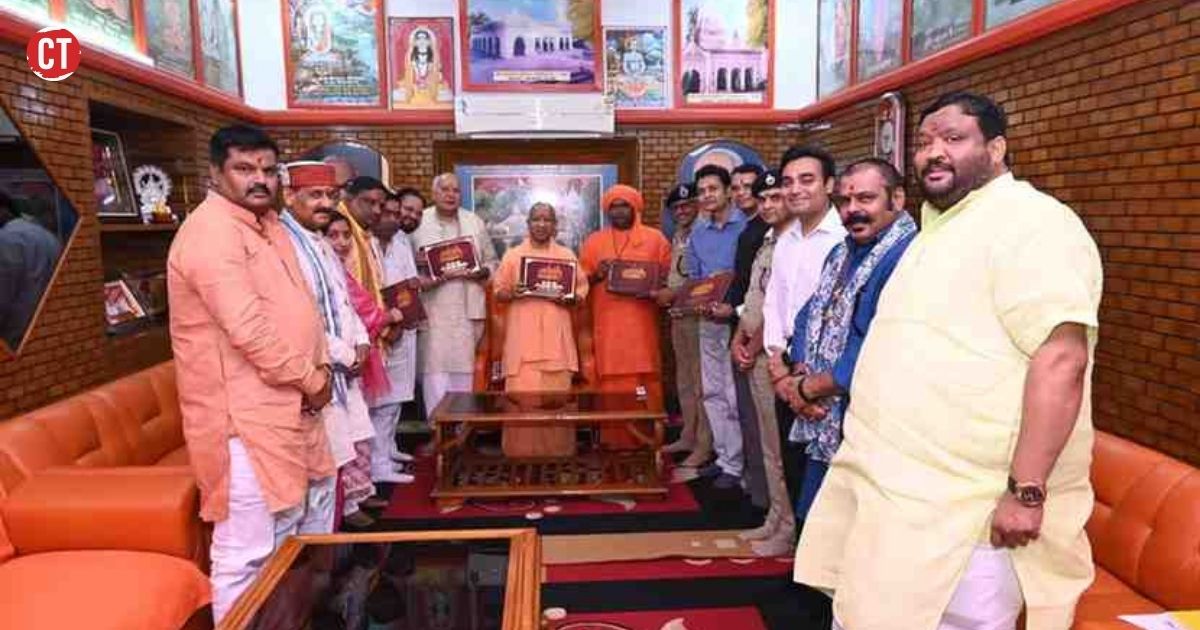
Campus Times | LucknowBalrampur: On the auspicious occasion of Ashtami during the festival of Chaitra Navratri, Uttar Pradesh Chief Minister Yogi Adityanath unveiled a coffee table book titled “श्री आदि शक्ति माँ पाटेश्वरी शक्तिपीठ: शक्ति और आस्था की अनन्त परम्परा” at Shri Adi Shakti Maa Pateshwari Shaktipeeth. The event was marked by a deeply spiritual atmosphere, with devotees and dignitaries in large numbers.Devipatan Dham’s Sacred Legacy Preserved The coffee table book showcases the ancient spiritual legacy of Devipatan Dham, detailing the traditions of the Nath sect, temple rituals, and the region’s socio-cultural fabric through compelling narratives and photographs. It aims to preserve the timeless heritage and spiritual significance of the revered Shaktipeeth for future generations.The publication was completed under the blessings and patronage of Mahant Mithilesh Nath Yogi. The initiative was guided and coordinated by Garima Bhushan along with her team.IAS Officers’ Key Support Drives Project CompletionThe work also received valuable inspiration and guidance from Mrs. Neha Sharma, IAS, Inspector General (Stamp and Registration), Uttar Pradesh, and Mrs. Ankita Jain, IAS, Chief Development Officer, Gonda. In addition, the support of Mr. Shashi Bhushan Lal Sushil, IAS, Commissioner, Devipatan Division, Mr. Vipin Kumar Jain, IAS, District Magistrate, Balrampur, and Mr. Himanshu Gupta, IAS, Chief Development Officer, Balrampur, played a crucial role in bringing this project to completion.The event was also attended by Uttar Pradesh Agriculture Minister Surya Pratap Shahi, along with several public representatives, officials, and devotees.Editorial and Creative Team Behind the BookThe book has been edited and written by Ashish Tripathi, with significant contributions from Mr. Rakesh Yadav and Mr. Abhishek Singh. The photographs featured in the book were compiled by Mr. Jeetu Yadav, while the design and layout were prepared by Mr. Abhishek Singh and Mr. Sunil Gautam.Students of Babasaheb Bhimrao Ambedkar University (BBAU), Sujit Sharma and Roshni Singh,

Campus Times | Lucknow In a quick squad adjustment ahead of IPL 2026, Chennai Super Kings (CSK) have signed Australian left-arm pacer Spencer Johnson as a replacement for injured Nathan Ellis. Ellis has been ruled out of the tournament after aggravating a hamstring injury during Australia’s domestic One-Day Cup final on March 11. Johnson joins the franchise for ₹1.5 crore.Johnson’s Comeback Opportunity At 30, Johnson brings valuable international exposure, having featured in ODIs and T20Is for Australia. However, his return will be under scrutiny as he hasn’t played top-level cricket since last year’s IPL due to a back injury, which also kept him out of the Big Bash League and the 2026 T20 World Cup.Johnson’s IPL stint has been relatively quiet so far. He previously represented Gujarat Titans and Kolkata Knight Riders, but managed only a handful of wickets across two seasons. Despite going unsold in the IPL 2026 auction, CSK have now handed him a fresh opportunity.Ellis’ Absence Leaves a Void Ellis, who was retained for ₹2 crore, had limited chances with CSK, playing just one match last season. His injury, however, creates a crucial gap in the pace attack, forcing the team to look for an immediate replacement.CSK’s Pace Attack Looks Balanced With Johnson’s addition, CSK’s overseas fast-bowling unit now includes Matt Henry, Jamie Overton, and Zak Foulkes. The Indian pace lineup features Khaleel Ahmed and Mukesh Choudhary among others, giving the team a well-rounded mix of experience and youth.As CSK gear up for another title push, Johnson has a golden chance to prove himself. His ability to deliver under pressure could play a key role in strengthening CSK’s bowling attack this season.

Campus Times | LucknowIn a development that has caught the attention of tech enthusiasts and young smartphone users, OnePlus is facing intense speculation about its global future—just as a major leadership change unfolds in India.The company has officially confirmed that its India CEO, Robin Liu, has stepped down from his role. While OnePlus maintains that the move is personal and part of Liu’s decision to pursue “personal passions,” the timing has raised eyebrows across the tech community.Leadership Gap & China Shift Buzz Ahead of Nord 6Despite the leadership exit, OnePlus has assured users that its India operations will continue smoothly under its existing local strategy. However, the absence of a successor announcement has left a noticeable gap at the top—especially in a key market like India.What’s adding fuel to the buzz is a report suggesting internal restructuring within the Oppo group, which owns OnePlus. Industry insiders hint at deeper integration with sister brands like Realme, possibly indicating a shift in how these brands operate globally.For young users and OnePlus fans, the big question remains: Is the brand scaling down globally? While there’s no official confirmation of a global shutdown, reports claim the company may shift focus more aggressively toward China, its home market.Interestingly, this transition phase comes just ahead of the expected launch of the much-anticipated OnePlus Nord 6 in India—a device that could play a crucial role in maintaining its popularity among Gen Z and mid-range buyers.Robin Liu, who joined OnePlus in 2018 and took over as India CEO in July 2024, played a key role in expanding the brand beyond smartphones into tablets, audio products, and offline retail presence. His exit marks a significant moment in the company’s India journey.What It Means for Users: For now, OnePlus users don’t need to panic. The company has clearly stated that
.jpg)
Campus Times | Lucknow BTown rapper Badshah is now married or Deep Fake? Social media is abuzz with viral wedding pictures featuring the hitmaker and Punjabi actress-model Isha Rikhi, leaving fans both surprised and curious.The images, reportedly shared by Isha’s mother with a heartfelt “God bless you” caption, show the duo dressed in traditional attire—Badshah in a brown kurta with a golden saafa, while Isha stuns in a red salwar kameez. A circulating video further adds fuel to the fire, appearing to show the two performing wedding rituals.However, there’s a twist—no official confirmation has been issued by Badshah or his team, keeping the internet guessing whether the wedding is real or just another viral moment.According to reports, Badshah and Isha Rikhi have been dating for nearly four years. The two reportedly met at a party through mutual friends, and their relationship gradually blossomed away from the public eye—until now.Who is Isha Rikhi?For the uninitiated, Isha Rikhi is a well-known face in Punjabi cinema. She made her debut with the 2013 film Jatt Boys Putt Jattan De and later stepped into Bollywood with Nawabzaade (2018), sharing screen space with Varun Dhawan, Raghav Juyal, and Punit Pathak.Apart from acting, she has built a successful modeling career, collaborating with top brands and starting as early as her school days in Chandigarh.Badshah’s Past MarriageBefore this rumored wedding, Badshah was married to Jasmine Masih. The couple separated in 2020. In a candid podcast with Prakhar Ke Pravachan, the rapper revealed that despite trying their best, the relationship ended for the well-being of their child, who currently lives in London.Fans ReactionWhile some fans are congratulating the couple, others remain skeptical due to the lack of confirmation. Memes, reactions, and debates are flooding social media, turning this into one of the most talked-about celebrity mysteries right now.
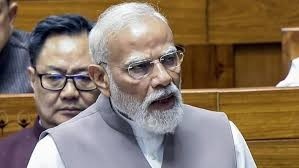
Campus Times | Lucknow As tensions in West Asia continue to disrupt global energy markets, Prime Minister Narendra Modi assured Parliament that India remains well-prepared to tackle any fuel supply shock, backed by strategic reserves and diversified sourcing.Speaking in the Rajya Sabha, Modi acknowledged that the ongoing conflict has triggered volatility in crude oil prices and disrupted key shipping routes, particularly around the Strait of Hormuz—a corridor through which nearly a fifth of the world’s oil supply passes. “This crisis has impacted the entire global economy, and India is not untouched,” he noted.India’s Oil Shield: Ready for CrisisPrime Minister Narendra Modi highlighted that India has built 53 lakh metric tonnes of strategic crude reserves for emergencies, with an additional 65 lakh metric tonnes under development to further strengthen its buffer against global shocks.He noted that India has significantly expanded its refining capacity over the past decade, emerging as a major global refining hub capable of meeting domestic demand and exporting fuel—adding flexibility during disruptions.The government has also focused on import diversification, sourcing crude from countries like the United States and Russia to reduce dependence on West Asia. To manage the situation, seven empowered groups have been formed to monitor fuel, supply chains, and other key sectors.Modi also pointed to a ₹70,000-crore shipbuilding push to strengthen logistics, while experts say India’s reserves and commercial stocks together provide a solid safety net. He reiterated that India supports peace and dialogue, warning that prolonged conflict could impact the global economy.Despite the uncertainty, the Prime Minister struck a confident note: India’s combination of strategic reserves, diversified imports, and expanding infrastructure positions it to navigate the ongoing energy crisis without major disruption.

Campus Times | LucknowThe curtains have finally fallen on The 50, and it ended with a bang. After weeks of intense gameplay, shifting loyalties, and unpredictable twists, Shiv Thakare emerged as the first-ever winner of the reality show, defeating strong finalists like Faisal Shaikh, Krishna Shroff, and Kaka.In a surprising and heartwarming twist, the finale didn’t just crown a winner—one lucky fan of Shiv also bagged a massive ₹50 lakh prize, adding an extra layer of excitement to the grand night.Power Performances & High-Stakes EliminationThe grand finale opened with a spectacular entry of eliminated contestants, instantly setting an electrifying tone. The stage soon turned into a celebration of talent, with Archana Gautam and Faisal Shaikh delivering a power-packed dance performance, while Dino kept the vibe alive with his musical act.As the competition narrowed down, the show introduced a high-pressure elimination round. Contestants, with their hands tied, had to strategically vote out one player. Shiv, Krishna, and Kaka aligned their votes against Rajat Dalal, leading to his exit after a gripping challenge involving collecting gold stones. This moment sealed the Top 4 and pushed the fan reward pool to ₹50 lakh.Shiv Wins the Final ShowdownThe final battle was nothing short of a thriller. Designed like a Roadies-style task, it pushed contestants through four demanding stages—target shooting while suspended mid-air, breaking barriers, untangling complex ropes, and solving a final puzzle. Precision, stamina, and speed became the deciding factors, and Shiv outperformed everyone to claim the title.With this victory, Shiv Thakare didn’t just take home the trophy—he solidified his reputation as a smart, consistent, and fearless competitor. His journey on The 50 has not only earned him the title but also the admiration of fans across the country.

Campus Times | LucknowAmid growing concerns over campus safety, a promising tech-driven solution has emerged from Uttar Pradesh State Institute of Forensic Sciences (UPSIFS), where B.Tech students Harsh and Aditya Mishra have developed the D-SHOD App. Designed as a smart digital safety platform, the app aims to strengthen security for girls while seamlessly integrating academic monitoring—marking a significant step toward safer and more connected campuses.Positioned as a real-time safety ecosystem, the app connects students, parents, and teachers on a single platform, ensuring transparency and instant communication. From attendance and assignments to exam performance and overall progress, every academic and movement detail is tracked seamlessly.One Tap, Instant HelpThe standout feature of D-SHOD is its integrated SOS emergency system. In case of danger, a single tap instantly alerts the institution, administration, and parents—ensuring rapid response when it matters most.Adding another layer of security, the app features a QR code-based digital gate pass system, effectively restricting unauthorized campus access and monitoring suspicious activity in real time.Parent-First Approval SystemBalancing freedom with protection, the app introduces a “parent-first approval” mechanism. Any request to leave campus or seek special permission requires parental consent—creating a safer yet accountable environment for students.Guided by Assistant Professor Dr. Neha Singh, this innovation reflects a growing shift toward tech-enabled safety solutions in educational institutions.National Excellence in InnovationUPSIFS, affiliated with National Forensic Science University (NFSU)—an Institute of National Importance under the Ministry of Home Affairs—continues to align with global standards in forensic science and innovation.With rising concerns around campus safety, solutions like D-SHOD are not just apps—they are digital guardians, empowering students while reassuring parents and institutions alike.
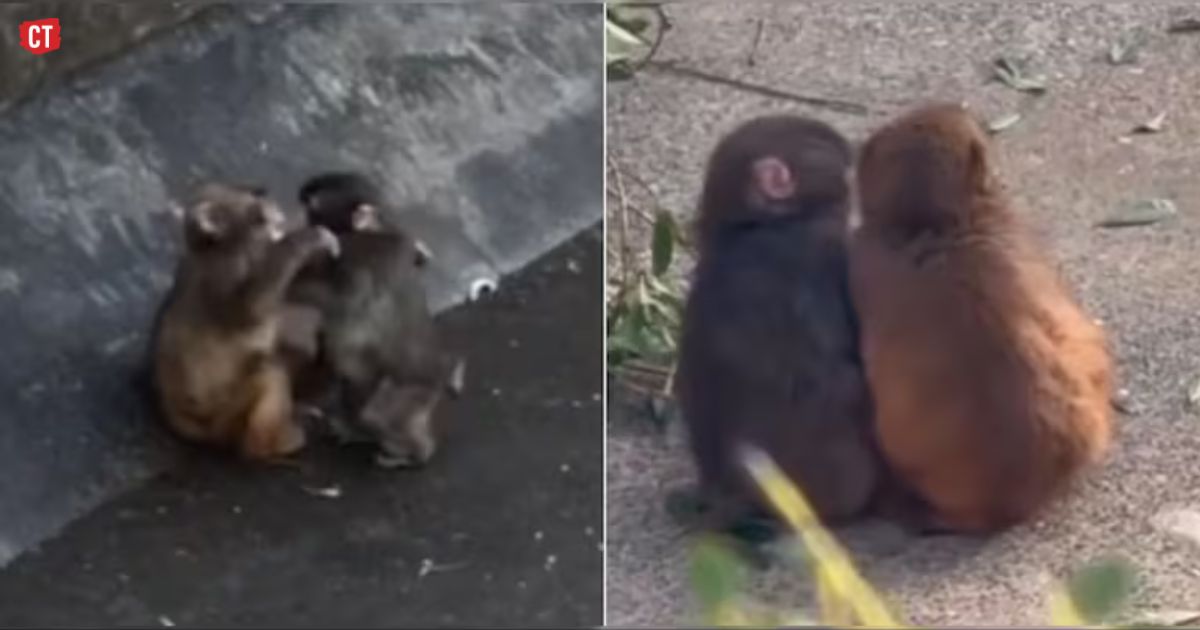
Campus Times | LucknowIn a story that’s winning hearts across the internet, Punch—the adorable baby Japanese macaque from Ichikawa City Zoo—has found more than just viral fame. He’s found companionship.Once known for clinging to his plush orangutan toy “Ora-mama” for comfort after being abandoned by his mother, Punch’s life has taken a beautiful turn. The young macaque is now inseparable from Momo-chan (also referred to as Moe), a slightly older female monkey who has quickly become his closest companion—and internet users are calling her his “girlfriend.”A Story of Healing, Love & CompanionshipVideos of the duo cuddling, playing, and even sharing affectionate moments have gone viral on social media, turning their bond into a global feel-good story. Their chemistry is undeniable—whether it’s playful interactions or quiet moments of closeness, Punch and Momo-chan have become the internet’s newest favorite pair.Punch’s journey hasn’t been easy. After facing early rejection and struggling with social integration among other monkeys, he slowly learned to adapt, thanks to patience, care, and time. While his beloved stuffed toy still symbolizes comfort, it’s clear that his world now revolves around his new companion.Even Punch has a girlfriend nowSocial media reactions have been equally heartwarming and humorous. From jokes like “Punch found a girlfriend, and you’re still single” to emotional comments celebrating his growth, the internet can’t get enough of this unlikely love story.From loneliness to love, Punch’s journey is a reminder that even in the animal world, connection, care, and companionship can change everything—and sometimes, even go viral.

Campus Times | LucknowThe launch of the new Samsung Galaxy S26 Ultra has brought a major price cut for its predecessor, the Samsung Galaxy S25 Ultra, in India. Samsung has officially reduced prices across all variants, but the real buzz is around additional retail discounts that make the deal even more attractive for buyers.Price Cut Details: How Much You Save12GB + 256GB: ₹1,29,999 → ₹1,19,999 12GB + 512GB: ₹1,41,999 → ₹1,39,999 12GB + 1TB: ₹1,69,999 → ₹1,65,999 The bigger savings come via retail platforms like Vijay Sales, where buyers can get up to ₹10,000 instant bank discount using select cards. This brings the effective starting price down to ₹1,09,999, making it a much more compelling flagship deal.Buy Now or Wait for Bigger Sales?While upcoming festive sales like Diwali could push prices even lower, those offers are still months away. For buyers planning an immediate upgrade, the current deal already delivers excellent value for a premium flagship experience.What You Miss by Skipping S26 UltraThe latest Samsung Galaxy S26 Ultra arrives with a set of polished upgrades, including faster charging, a smarter AI-driven processor, a sleeker design, improved camera capabilities, and a new privacy display feature aimed at enhancing user security. While these additions refine the flagship experience, the starting price of ₹1,39,999 places it firmly in the premium bracket—making many buyers question whether these incremental improvements are truly worth the extra spend compared to its predecessor.Why Galaxy S25 Ultra Still ShinesDespite being a year old, the Samsung Galaxy S25 Ultra remains a powerhouse:Snapdragon 8 Elite chipset for smooth performance 6.8-inch AMOLED QHD+ display with excellent brightness 5,000mAh battery offering all-day usage Quad-camera setup with strong zoom capabilities & 8K video S Pen support for productivity and creativity From gaming to photography, the device continues to deliver a premium experience without feeling

Campus Times | LucknowThe festive buzz of Eid al-Fitr has pushed Dhurandhar: The Revenge into overdrive, with packed theatres and record-breaking collections. The film has already crossed ₹145 crore+ on Day 1, making it one of the biggest openings in Indian cinema.With strong advance bookings and massive footfall, the film is now eyeing a ₹250 crore global milestone within days, signalling a blockbuster run.Loud, Violent & Twist-Heavy SpectacleDirected by Aditya Dhar, the sequel goes bigger and darker than the first part. High-voltage action, intense violence and unpredictable twists keep audiences hooked throughout its nearly 4-hour runtime.Compared to Dhurandhar (Part 1) — which focused more on storytelling and character build-up — Part 2 is more brutal, politically intense and scale-driven, making it a louder theatrical experience.While some fans feel Part 1 had tighter storytelling, Part 2 wins in scale, intensity and mass appeal, making it a true big-screen spectacle.Ranveer Singh Leads, Cast Delivers BigRanveer Singh dominates the screen with a powerful transformation, effortlessly balancing emotional depth with explosive action. R. Madhavan brings authority and calm intensity to his role, while Arjun Rampal stands out as a menacing antagonist. Together, the ensemble elevates the film into a gripping spy drama backed by strong, impactful performances.Trending Songs Add Emotional Punch “Jaiye Sajana” – the biggest trending track, winning hearts for its emotional depth“Phir Se” (Arijit Singh) – praised by fans for its soul-touching impact in theatresViral Craze & Audience ReactionFrom viral clips to trending hashtags, the film has taken over social media. Fans are calling it a “full paisa vasool Eid entertainer”, with the interval and climax receiving the loudest cheers.Final Verdict: A Festive Blockbuster RoarDhurandhar: The Revenge blends record-breaking box office, viral music and explosive storytelling into a complete mass entertainer.Loud, violent and packed with twists — this is exactly the kind
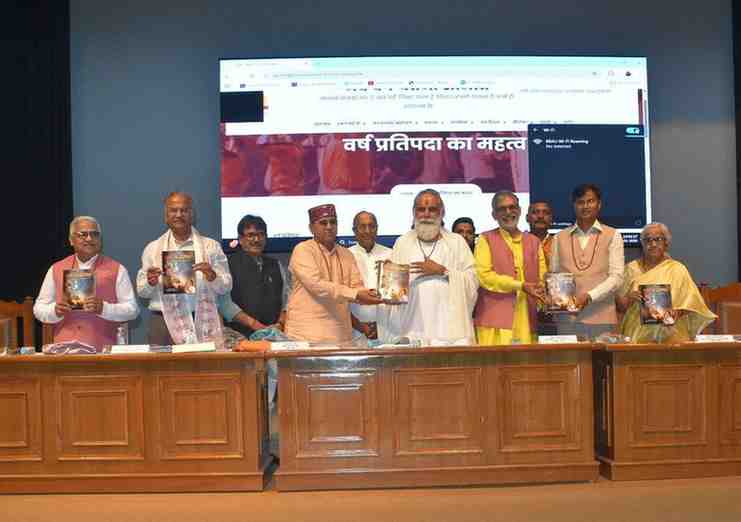
Campus Times | LucknowThe campus buzzed with spiritual leaders, academicians, and thinkers engaging in meaningful discussions on Indian knowledge traditions and cultural relevance. The vibrant exchange of ideas reflected a blend of tradition and modern thought, as Babasaheb Bhimrao Ambedkar University hosted a grand Hindu Nav Varsh Mahotsav on March 19.The event, jointly organized with Nav Varsh Chetna Samiti and Shyam Parivar, began with the ceremonial lighting of the lamp and floral tributes to Babasaheb and Vikramaditya, symbolizing the deep cultural roots of the occasion.Spiritual Thought Meets Modern RelevanceChief Guest Swami Shri Gyananand Ji Maharaj described “Hindu” not as a narrow identity but as a universal philosophy rooted in the idea of Vasudhaiva Kutumbakam. He stressed that this worldview promotes harmony, coexistence, and global brotherhood, urging society to adopt values-driven living through environmental consciousness and social responsibility.Indian Knowledge for a Changing WorldVice-Chancellor Prof. Raj Kumar Mittal highlighted how Indian philosophy offers solutions to modern challenges like stress, imbalance, and social divisions. He emphasized that the Hindu New Year is not merely a calendar event but a cultural continuum that connects generations and inspires nation-building aligned with the vision of a developed India by 2047.MLC Shri Pawan Singh Chauhan echoed similar sentiments, underlining the relevance of Indian traditions in shaping ethical and purposeful lives. He also recalled the reformist contributions of Maharshi Dayanand Saraswati in promoting education and social awareness.Cultural Revival and Community EffortsDr. Girish Gupta, President of Nav Varsh Chetna Samiti, spoke about the role of Rashtriya Swayamsevak Sangh in reviving the celebration of Hindu Nav Varsh at a societal level. He highlighted ongoing efforts to instill cultural pride among youth and expand awareness of India’s heritage.Documentary, Launches Add ImpactAn insightful documentary on Indian traditions and the significance of Nav Varsh was screened, showcasing community initiatives and cultural outreach. The
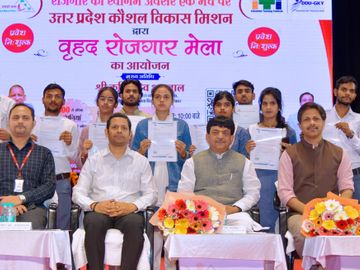
Campus Times | LucknowA major employment fair organized by the Department of Vocational Education and Skill Development turned into a career milestone for youth, as 2,527 candidates received job offers on the spot. The fair, held at Deendayal Upadhyay Institute, attracted 8,694 enthusiastic participants and 116 top companies from multiple sectors.Government’s Push for Youth EmpowermentThe event was inaugurated by Kapil Dev Agarwal, Minister of Vocational Education and Skill Development, at Jupiter Hall. He stressed that the government’s focus goes beyond training—creating respectable employment and promoting self-reliance among youth remains a top priority.Opportunities Across Key SectorsCompanies from diverse sectors, including retail, FMCG, healthcare, and logistics, participated. Big names such as Flipkart, Swiggy, Blinkit, MedPlus, and Britannia offered attractive job prospects.Recruitments extended to banking, service, automobile, and finance-related sectors, including microfinance, NBFCs, and credit access services. Employers like Hero MotoCorp, Mahindra, and Omex Auto provided additional opportunities for youth.Women & Divyang Candidates Take the LeadThe fair ensured inclusive participation. A total of 473 women candidates engaged in sectors like manufacturing, hospitality, and services, while 56 differently-abled candidates also secured jobs. Pulkit Khare, Director of Training, highlighted that similar fairs will soon reach rural areas to expand employment access.Launch of Three Digital Platforms for Skill DevelopmentThe event also saw the launch of three innovative digital platforms—Kaushal Setu, Kaushal Darpan, and Kaushal Mitra—designed to streamline skill training and employment access:Kaushal Darpan: Centralized hub for all critical skill and employment information.Kaushal Mitra Chatbot: Provides 24x7 assistance to job seekers.Kaushal Setu: Bridges the gap between youth and companies for seamless employment access.Dr. Hari Om, Principal Secretary of Skill Development, said, “These platforms will enhance connectivity between companies and youth, helping strengthen the state’s economy.”
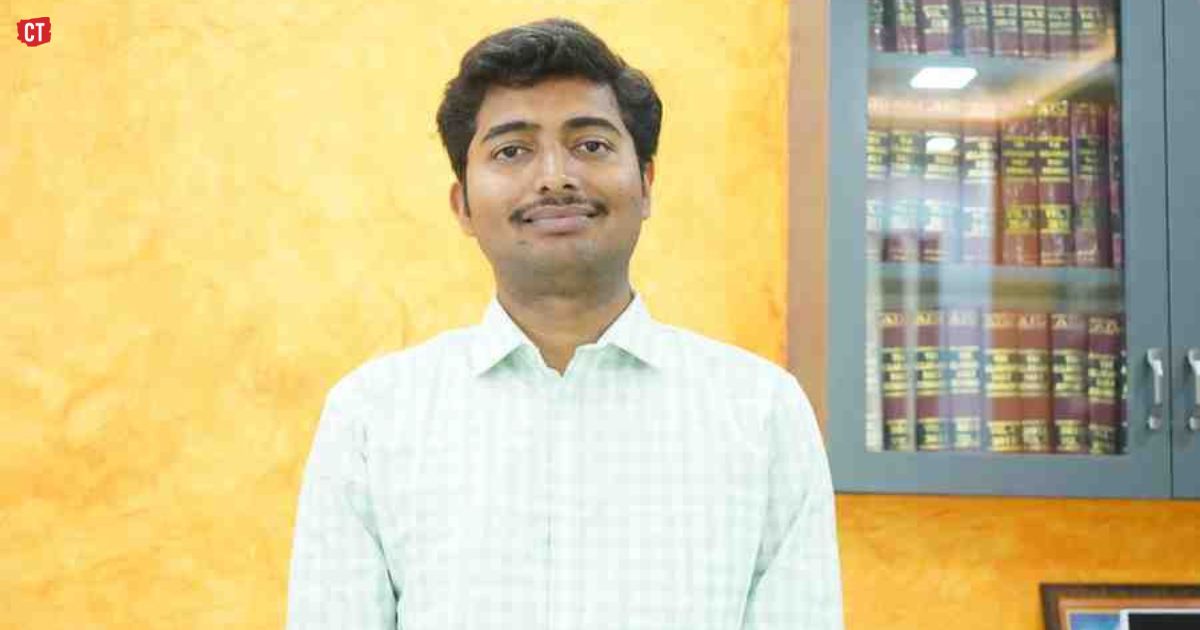
Lucknow | Campus TimesAdding another feather to its cap, Lucknow Public School (C.P. Singh Foundation), Sector I has once again made the city proud as its distinguished alumnus Aditya Hriday Upadhyay (Batch 2017) secured an impressive All India Rank 154 in the Civil Services Examination 2025.Currently serving in the Indian Revenue Service (Income Tax) and undergoing training at the National Academy of Direct Taxes, Aditya’s achievement reflects not only his perseverance but also the strong academic and moral foundation built during his school years at LPS Sector I.Consistent Performer in Civil ServicesCurrently serving in the Indian Revenue Service, Aditya’s journey reflects perseverance, clarity of purpose, and disciplined execution. This marks his fourth attempt, while he has already been selected twice earlier in prestigious services, showcasing remarkable consistency.Gratitude Towards LPS (C.P. Singh Foundation), Sector IA proud alumnus of Lucknow Public School (C.P. Singh Foundation), Sector I, Aditya completed his schooling from Class IV to XII (2017 batch). He credits his school for building the foundation of his discipline, thought process, and resilience.“Whatever I am today, the base was created in my school,” he shared, expressing deep gratitude towards his teachers and mentors.IIT Roorkee Gold Medalist JourneyAfter excelling academically in school, Aditya pursued Civil Engineering from Indian Institute of Technology Roorkee, where he graduated in 2021 as a Department Gold Medalist and Institute Silver Medalist—a testament to his academic brilliance.Smart Strategy Driven by a strong desire for public service and leadership, he began preparing for civil services during the COVID-19 period and appeared for his first attempt in 2022.Over time, he refined his strategy by focusing on answer writing, mastering the syllabus, and analyzing previous year questions, which proved crucial in improving his performance.Challenges Faced during preparationAditya highlighted that the biggest challenges during preparation were self-doubt, the vast syllabus, and the subjective
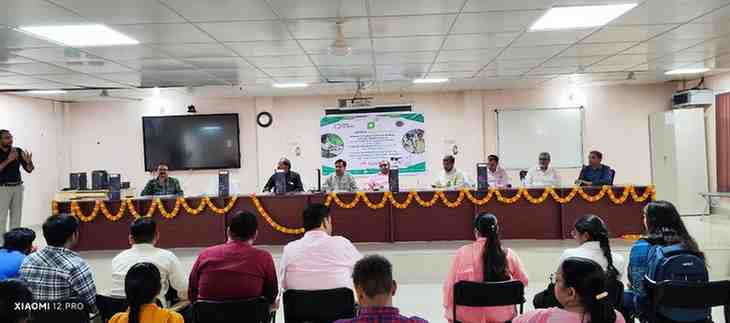
Campus Times | LucknowArtificial Intelligence is turning vision into possibility. AI smart glasses—equipped with cameras and sensors that convert visual information into audio—are helping visually impaired students “see” and understand their surroundings independently. In a significant CSR initiative, Aries Agro Limited distributed 25 “Jyoti AI Smart Glasses” at Dr. Shakuntala Misra National Rehabilitation University, benefiting 20 current students and 5 alumni, and reducing their dependence on scribes while making education more accessible and independent.Students using these smart glasses can now easily read books, identify objects and faces, and navigate their surroundings. This not only simplifies their studies but also builds confidence and self-reliance—key factors for youth development.How the Glasses WorkDeveloped by Torchit, these AI smart glasses function like digital eyes. They are equipped with a camera, microphone, and advanced sensors that scan the surroundings and convert visual information into audio.With features like text-to-speech, object recognition, and real-time navigation, students can understand written content, recognize their environment, and move around independently. The device also supports voice commands, touch sensors, and gesture control, making it easy to use without physical strain.Key Benefits for StudentsThe glasses are designed to directly address challenges faced by visually impaired students. With this technology, they can:Read printed and digital text without assistanceIdentify objects, people, and surroundingsNavigate campuses and public places independentlyAppear for exams without relying on a scribeThis marks a significant shift from dependency to self-reliance, enabling students to actively participate in academics and daily life.A Step Towards Equal EducationVice-Chancellor Acharya Sanjay Singh termed the initiative “transformative,” highlighting that such innovations ensure equal learning opportunities for all. Registrar Rohit Singh also emphasized that technology-driven solutions can bring real change in students’ lives.Each device costs around ₹29,000, with the total distribution valued at ₹7.25 lakh. However, beyond the cost, the initiative stands as a strong example of how
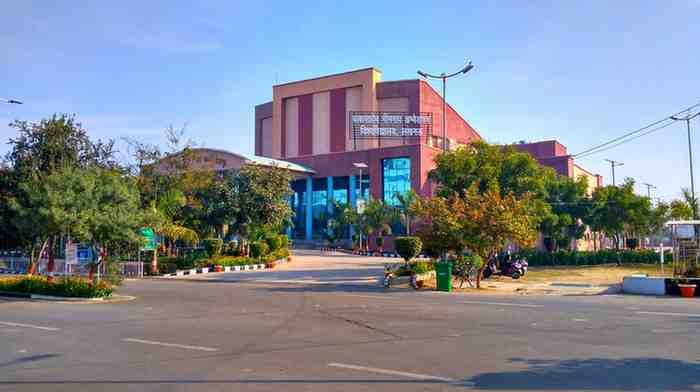
Campus Times | Lucknow In a move to improve campus safety, Babasaheb Bhimrao Ambedkar University (BBAU) has announced a ₹2,000 fine for students caught performing stunts, overspeeding, or riding without helmets inside the campus. The decision comes after authorities noticed an increase in risky driving activities that could endanger students and pedestrians.University Chief Proctor Prof. Ram Chandra has issued instructions to all departments, directors, and coordinators to inform students about the new rules and ensure strict compliance.According to the administration, some students have been practicing bike and scooter riding in an unauthorized manner within the campus, which has already led to several minor accidents and safety concerns.Activities Now Strictly ProhibitedThe university has clearly banned several activities on campus, including:Vehicle training inside the campusOverspeeding on university roadsCarrying more passengers than allowedDriving without a helmet or seat beltPerforming stunts or riding in the wrong directionStudents violating these rules may face a fine of ₹2,000 along with disciplinary action.New Student Code of Conduct from AprilBBAU is also preparing to implement revised Student Discipline and Conduct Rules 2026 from April, aimed at strengthening campus discipline and ensuring a safer environment for everyone.Stronger and Transparent Discipline SystemChief Proctor Prof. Ram Chandra stated that earlier, disciplinary actions taken by departments sometimes did not reach the Proctor’s office, creating complications during no-dues clearance.Under the new system:Departments must report disciplinary actions to the Proctor’s office.A Proctorial Board member will join departmental discipline committees to ensure transparency.Students will need Proctor’s approval during the no-dues process.The Proctor will have authority to suspend students for up to one week, with proper records maintained.Fee Deadline ExtendedMeanwhile, BBAU has also extended the last date for fee submission through the Samarth portal to March 20. The extension was approved by the Vice-Chancellor and formally issued by the Registrar.With stricter rules and monitoring in place,
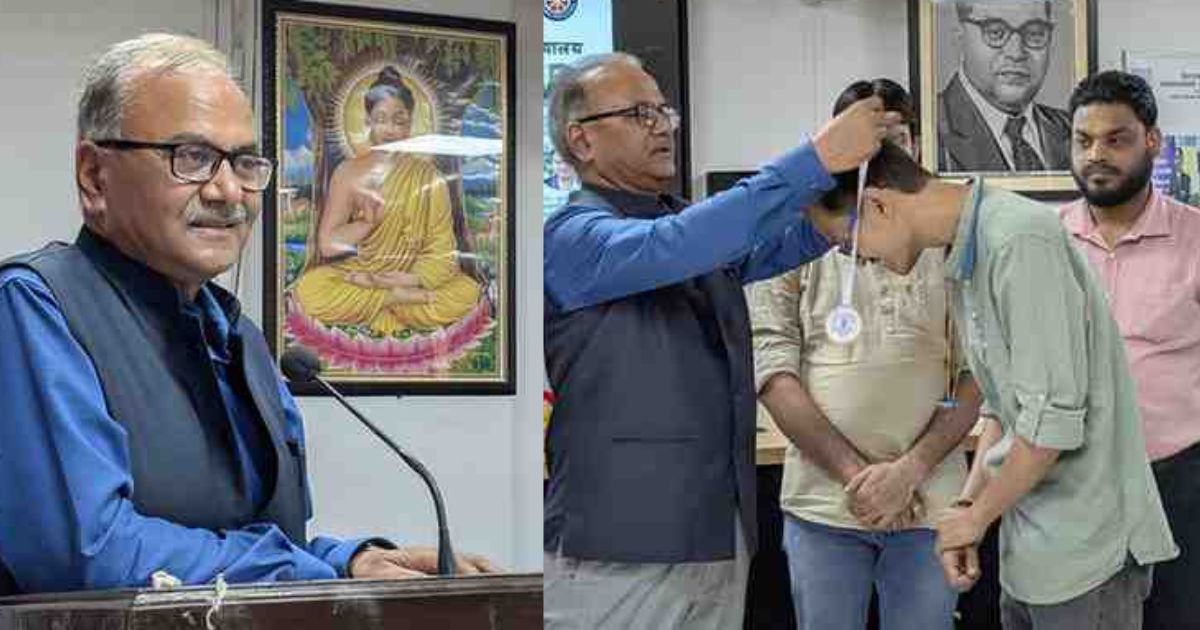
Campus Times | Lucknow The seven-day special camp organized by the National Service Scheme (NSS) at Babasaheb Bhimrao Ambedkar University concluded on Saturday with a vibrant valedictory ceremony. The camp, held from March 9 to March 15, brought together student volunteers for social service, awareness campaigns, and community engagement activities.VC Emphasizes Experiential LearningAddressing the gathering, Prof. Mittal emphasized that education should go beyond classroom learning. He said that experiential learning through social engagement helps students understand real-life challenges and societal issues.He encouraged students to actively participate in such initiatives and stressed that planned and dedicated efforts can bring positive change both in personal lives and society. Prof. Mittal also highlighted the importance of maintaining mental strength and inner purity along with physical and intellectual growth.Camp HighlightsEarlier, NSS Coordinator Dr. Pawan Kumar Chaurasia welcomed the guests and introduced the objectives of the special camp. Dr. Arpit Shailesh presented a detailed report of the seven-day activities, highlighting community outreach programmes, awareness campaigns, and volunteer participation.A special documentary video created by NSS volunteers was also screened, showcasing the camp’s activities and community initiatives, which received appreciation from the dignitaries.Yoga and Tribal Dance Steal the Show Adding a cultural touch to the ceremony, NSS volunteers presented a unique Yoga Dance performance, blending yoga postures with dance to promote the message of health and positivity.A tribal dance performance reflecting India’s rich cultural heritage also captivated the audience. Participants later shared their experiences, noting that the camp helped them understand values of service, discipline, teamwork, and social responsibility.Volunteers Honoured During the ceremony, winners of various competitions held during the camp were felicitated with medals and certificates.The programme concluded with a vote of thanks by Dr. Meena Vishweshwar, in the presence of faculty members, non-teaching staff, NSS volunteers, and students.
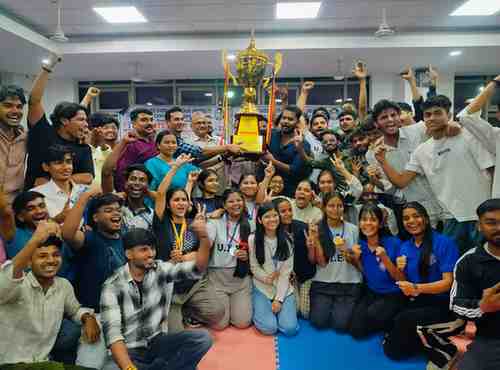
Campus Times | Lucknow The ‘Sports Event – 2025–26’ organised by the Sports Section of Babasaheb Bhimrao Ambedkar University concluded on March 13 with a grand valedictory ceremony celebrating the spirit of sportsmanship and student participation.The ceremony was chaired by the Vice-Chancellor Raj Kumar Mittal. Among those present were Proctor Ram Chandra, Dean of Student Welfare Narendra Kumar, and Assistant Director of the Sports Section Manoj Kumar Dadwal, along with faculty members, staff, research scholars and students.The sports competitions were held from March 6 to March 13, although the event had originally commenced in the first week of November 2025, witnessing enthusiastic participation from various schools and institutes of the university.Vice-Chancellor Stresses Role of Sports in Student DevelopmentCongratulating the winners and participants, Prof. Mittal said that sports play a crucial role in building discipline, leadership, patience, teamwork and time management skills among students. He noted that participation in sports contributes not only to physical fitness but also enhances mental strength and intellectual growth.Referring to the vision of National Education Policy 2020, he said that sports and physical activities have been given special importance to ensure the holistic development of students. He also reaffirmed the university’s commitment to strengthening sports infrastructure and encouraging greater participation in campus sporting activities.UIET Bags Overall Trophy at BBAU Sports MeetDuring the valedictory ceremony, winners of different competitions were felicitated with medals and certificates. The University Institute of Engineering and Technology (UIET) emerged as the overall champion of the Sports Event 2025–26.The School of Education secured the First Runner-Up position, while the School of Physical and Decision Sciences claimed the Second Runner-Up spot.Faculty members including Dr. Rajshree, Dr. Ravi Shankar Verma, Dr. Dheerendra Pandey and Dr. Mangaldeep, along with teachers, non-teaching staff, research scholars, players and students, were present on the occasion, making the ceremony a
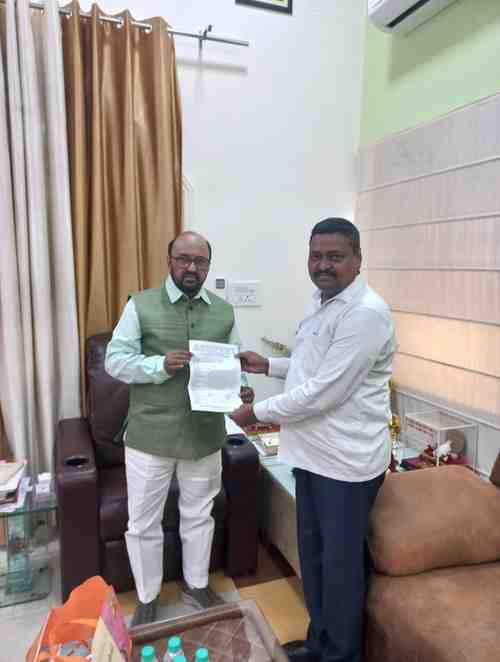
Campus Times |LucknowThe General Secretary of the Uttar Pradesh State University Employees Federation, Rinku Rai, met Uttar Pradesh Higher Education Minister Yogendra Upadhyay in Lucknow and expressed gratitude for extending cashless medical facilities to non-teaching employees of state universities. The decision fulfills a long-standing demand of the federation and is expected to benefit thousands of university employees across the state by making medical treatment more accessible.Federation appreciated During the meeting, the minister appreciated the federation’s efforts and encouraged it to continue working for the welfare of university employees. He noted that the proposal for the facility was initiated after discussions with the federation on August 23, 2023. He also acknowledged the guidance of the Governor and Chancellor, the Chief Minister, and Prime Minister Narendra Modi in enabling the implementation of the scheme. Federation representatives said the initiative became possible due to the continuous efforts of federation president Brijbhushan Mishra and regular dialogue with the government, bringing much-needed healthcare support to university employees.
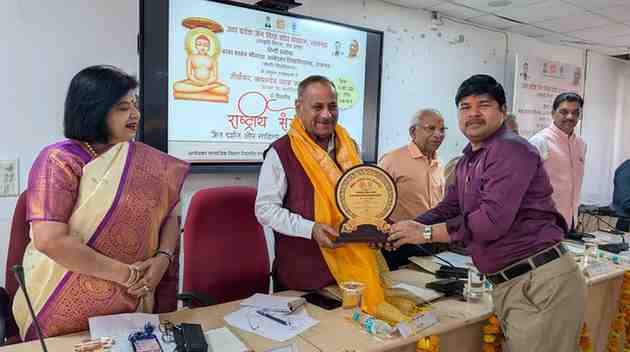
Campus Times | Lucknow A two-day national seminar on “Jain Philosophy and Literature: In Contemporary Context” was inaugurated on March 12 at Babasaheb Bhimrao Ambedkar University (BBAU), bringing together scholars and academicians to discuss the relevance of Jain philosophy in modern society.The seminar has been jointly organized by the university’s Hindi Cell and Uttar Pradesh Jain Vidya Shodh Sansthan, Lucknow, under the Department of Culture, Government of Uttar Pradesh, on the occasion of the birth anniversary of Tirthankar Rishabhdev.Eminent Scholars Attend Inaugural SessionThe inaugural session was attended by several eminent academicians including Prof. Abhay Kumar Jain, Acting Vice-Chancellor Prof. Sunita Mishra, former Vice-Chancellor Prof. Anil Kumar Shukla, Prof. Pawan Agrawal from University of Lucknow, Prof. Nalin K. Shastri from Jain Vishva Bharati Institute, and Prof. Ram Pal Gangwar of Babasaheb Bhimrao Ambedkar University.Jain Philosophy Promotes Welfare of AllAddressing the gathering, Prof. Abhay Kumar Jain said Jain philosophy inspires people to work not only for themselves but for the welfare of all living beings. Referring to Tirthankar Rishabhdev, he explained the concept of “Asi, Masi and Krishi”, which guided society toward an organized way of life.Simple Living and ToleranceProf. Sunita Mishra highlighted Jain traditions and historic sites like Udayagiri Caves and Khandagiri Caves, noting that practices such as vegetarianism and simple living promote a healthy lifestyle. Prof. Anil Kumar Shukla discussed Anekantavada, encouraging acceptance of diverse perspectives, while Prof. Nalin K. Shastri and Prof. Pawan Agrawal spoke on Jain literature and the principle of Aparigraha.Academic Sessions HeldThe seminar featured two academic sessions chaired by Prof. Sanjay Jain and Prof. Ram Pal Gangwar, where scholars presented their research on Jain philosophy and literature.The programme concluded with a vote of thanks by Dr. Baljeet Kumar
Campus Times | LucknowDr. Shakuntala Misra National Rehabilitation University hosted a national conference on “Machine Learning and Predictive Analysis Using Computational Sciences,” bringing together academicians, researchers and students from across the country to discuss emerging technologies and new research opportunities.Organised by the Department of Computer Science and Engineering under the Faculty of Engineering and Technology (FOET), the conference aimed to promote research in computational sciences and provide a collaborative platform for experts and scholars.Inaugurating the event, Arun Mohan Sherry, Director of Indian Institute of Information Technology Lucknow, said machine learning and predictive analytics are not only driving technological advancement but are also helping address complex societal challenges in sectors such as healthcare, education, transportation and governance.Insights on Machine LearningExperts from leading institutions shared insights on the evolving dimensions of machine learning and predictive analytics. Speakers included Bhaskar Biswas of Indian Institute of Technology (BHU) Varanasi, Tapobrata Lahiri of Indian Institute of Information Technology Allahabad, Puneet Mishra from University of Lucknow, Upendra Kumar of Institute of Engineering and Technology Lucknow, and Anil Kumar Pandey of SRMML Lucknow.The conference was held under the guidance of Vice-Chancellor Sanjay Singh and Registrar Rohit Singh. Conference convener and FOET Dean C. K. Dixit said the event provided students and research scholars an opportunity to learn about advanced technologies and research methodologies.The event was coordinated by Gaurav Goyal, Anjani Kumar Pandey and Adarsh Vardhan Srivastava.
Campus Times | Lucknow Professor Rajeev Manohar of the University of Lucknow has been appointed as the Vice-Chancellor of Dr. Shyama Prasad Mukherjee University in Ranchi, Jharkhand. The appointment order was issued by the office of the Governor-cum-Chancellor of the state.Prof. Manohar currently serves in the Department of Physics at Lucknow University and will hold the Vice-Chancellor’s post for three years from the date he assumes charge.He earlier headed the Internal Quality Assurance Cell (IQAC) at the university. During his tenure, the institution achieved the prestigious NAAC A++ accreditation, marking a major milestone in its academic standing.With an academic career spanning over three decades, Prof. Manohar is widely known for his work in condensed matter physics. His research on liquid crystals and nanomaterial composites has earned recognition in international academic circles.A prolific researcher, he has published more than 400 research papers in reputed national and international journals, making notable contributions to scientific research and higher education.His appointment is seen as an important step for strengthening academic leadership and research culture at Dr. Shyama Prasad Mukherjee University, Ranchi.
.jpeg)
Campus Times |LucknowReinforcing its commitment to holistic education, Lucknow Public School (C.P. Singh Foundation) has launched a special initiative to promote reading habits among students. As part of the programme, students across all branches received carefully selected storybooks during recent Parent–Teacher Meetings while collecting their report cards. The books were chosen according to students’ age groups with the aim of encouraging children to develop a deeper connection with reading from an early stage.Books by Age GroupUnder the initiative, books were distributed according to students’ grade levels. Pre-Primary to Class 3 received moral-based and Panchatantra storybooks, Class 4 students were given books from the Amar Chitra Katha series, while Class 5 students received collections of Akbar–Birbal stories. All books were provided in English to help students strengthen vocabulary, improve pronunciation and develop comprehension skills through engaging narratives.Encouraging Reading in the Digital AgeSchool officials said the programme was introduced to encourage students to rediscover the joy of reading at a time when digital devices often dominate children’s attention. Reading storybooks, they noted, helps students build imagination, expand vocabulary and absorb valuable life lessons presented through stories. The initiative also aligns with guidance from Parth Sarathi Sen Sharma, Additional Chief Secretary (Basic and Secondary Education), who has encouraged schools to actively promote a reading culture among students.Classroom Discussions Planned in New SessionAccording to Dr. Rashmi Pathak, Director of Lucknow Public School (C.P. Singh Foundation), developing reading habits is essential for children’s intellectual and language development. She said students will be encouraged to bring these books to school in the upcoming academic session, where teachers will discuss the stories in classrooms. Students will also be invited to narrate the stories in their own words, share lessons learned and explore new vocabulary from the books.Parents Welcome the InitiativeParents have appreciated the effort, noting that illustrated
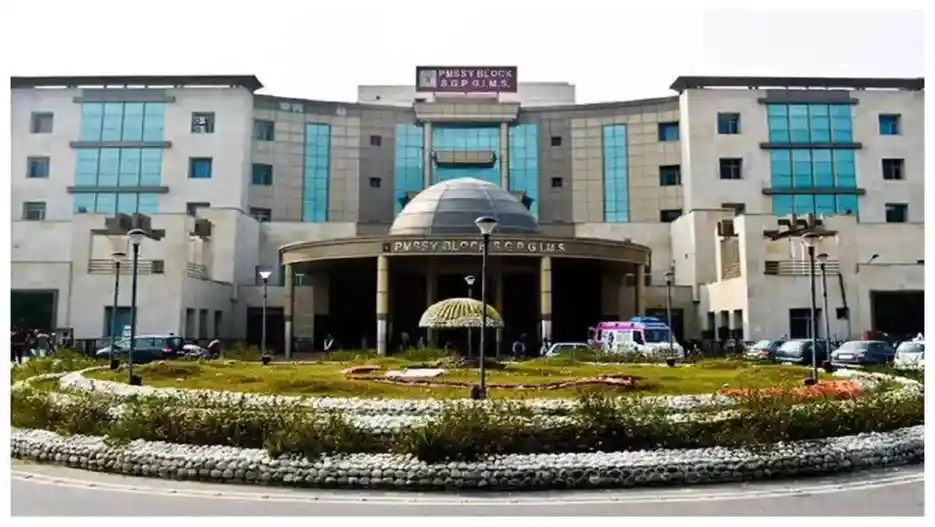
Campus Times | LucknowThe Sanjay Gandhi Postgraduate Institute of Medical Sciences (PGI), Lucknow has invited applications for admission to its PhD programme, making a valid fellowship mandatory for all applicants. The last date to submit applications is March 31.According to the institute’s notification, candidates seeking admission must already hold a research fellowship valid for at least three years, ensuring financial support during the course of their doctoral research.PhD Seats Under 22 Faculty MembersThe institute is offering PhD opportunities under 22 faculty supervisors across several specialised departments including Neurology, Rheumatology, CTVS, Pathology, Hepatology, Biostatistics, Molecular Medicine, Hematology, Pediatric Gastroenterology, Neurosurgery, and Medical Genetics.Eligibility CriteriaApplicants must have secured at least 50% marks in MBBS or postgraduate programmes. Candidates with MD, MTech, MSc, and MBBS degrees are eligible to apply for the programme.Application ProcessInterested candidates must send their applications to the Research Cell of the institute via speed post on or before March 31. The interview process is expected to take place in April.Opportunity for Multidisciplinary ResearchThe PhD programme aims to provide research opportunities for students from diverse academic backgrounds, including medical sciences, engineering, management, and basic sciences, encouraging interdisciplinary research in advanced healthcare and biomedical fields.
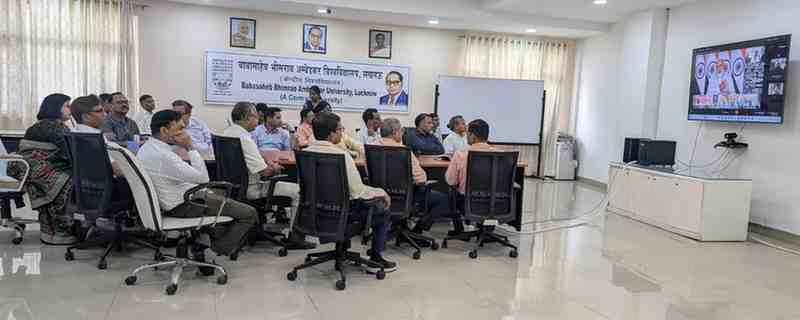
Campus Times |LucknowNarendra Modi addressed a post-budget webinar on the theme “Sabka Saath, Sabka Vikas – Fulfilling the Aspirations of the People”, which was live-telecast at Babasaheb Bhimrao Ambedkar University on March 9, drawing participation from faculty members and officials.Speaking during the session, the Prime Minister emphasized that universities must go beyond classroom teaching and actively promote innovation, research, and industry collaboration. He highlighted the need to build a strong pathway from education to employment so that students can secure career opportunities alongside their academic learning.From University to SkillsThe programme at the university was chaired by In-Charge Vice-Chancellor Prof. Sunita Mishra, with Dean of Academic Affairs Prof. S. Victor Babu, Proctor Prof. Ram Chandra, and other faculty members in attendance.Participants said the webinar encouraged universities to strengthen skill development, entrepreneurship, and startup culture while aligning education with industry needs. The session concluded with a shared commitment to empower youth and contribute to India’s vision of becoming a developed nation.
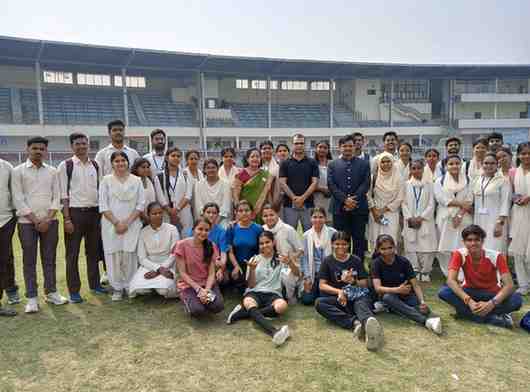
Campus Times| LucknowThe second day of the seven-day National Service Scheme (NSS) Special Camp at National PG College centred on women empowerment, youth leadership and community engagement, marking International Women’s Day with impactful activities. The camp is being held in collaboration with Moti Mahal Memorial Society under the supervision of Principal Prof. Devendra Kumar Singh.Marathon for EmpowermentNSS volunteers participated in the ‘Asmita: Khelo India’ Marathon at KD Singh Babu Stadium, promoting women’s health and empowerment. The event was attended by Pawan Singh Chauhan, Member, Uttar Pradesh Legislative Council, along with Youth Icon (Government of India) Durgesh Tripathi and Vikas Singh, Deputy Director, MY Bharat (Ministry of Youth Affairs and Sports). The student volunteers actively represented the college, reinforcing the message of fitness, confidence and women’s participation in public spaces.Confidence through Self-DefenseBack at the camp site, volunteers undertook cleanliness work before attending a self-defense session. Taekwondo expert Anuj from Beats Training Centre trained students in practical defense techniques, focusing on building confidence and preparedness among young women.Media MasterclassSunita Aron, Consulting Editor at Hindustan Times and a noted political analyst, said that the NSS plays a crucial role in shaping responsible and sensitive citizens. She added that education and awareness are the strongest tools for women’s empowerment and encouraged young women to become self-reliant and proactive in driving social change.Creativity Meets CommunityThe day also featured a “Best Out of Waste” exhibition and visits to nearby slum areas, reflecting students’ creativity and commitment to social responsibility. NSS Programme Officers Dr. Archana Singh and Dr. Kirti Srivastava stated that the camp aims to instill leadership, service values and civic responsibility among youth. They underlined that women empowerment is not just an idea but a movement requiring active youth participation.
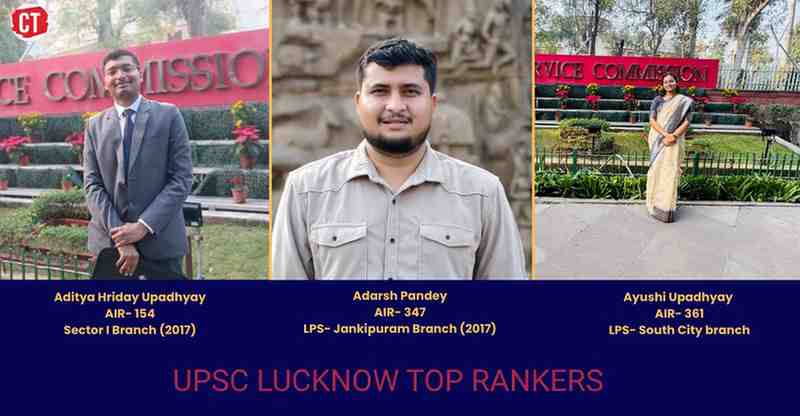
Campus Times| LucknowThree alumni of Lucknow Public School (C.P. Singh Foundation) have made Lucknow proud by cracking the prestigious Union Public Service Commission Civil Services Examination 2025 with impressive ranks, inspiring a new generation of civil services aspirants in the city.Three Alumni Bring Glory to LPSAditya Hriday Upadhyay secured All India Rank (AIR) 154, Adarsh Pandey achieved AIR 347, and Ayushi Upadhyay earned AIR 361, marking a significant milestone for the institution and inspiring countless civil services aspirants.A special highlight of this achievement is the success of siblings Aditya and Ayushi, who motivated and guided each other throughout their UPSC preparation despite studying different subjects. Their shared determination turned their dream of serving the nation into reality.Aditya Hriday Upadhyay, an alumnus of the Sector-I branch, completed his Intermediate in 2017 before pursuing B.Tech from Indian Institute of Technology Roorkee. His dedication to civil services had earlier earned him selection in the Indian Revenue Service (IRS) and Indian Telecommunication Service (ITS), and he is currently undergoing training in the Income Tax Department.His sister Ayushi Upadhyay, from the South City branch, secured AIR 361. A former academic topper with 99.4% marks in Intermediate, she studied law at National Law University Delhi and is currently practicing at the Lucknow High Court. Inspired by public service and guided by her father Surya Prakash Upadhyay, she now aspires to join the Indian Administrative Service (IAS).Discipline and Strategy Lead to SuccessAdarsh Pandey from the Jankipuram branch secured AIR 347, demonstrating that discipline and consistent effort are key to success. After completing LLB (Hons), he is currently undergoing training for the Indian Postal Service in Ghaziabad and credits his achievement to a clear strategy, disciplined routine and self-study.School Director Rashmi Pathak said the results reflect the institution’s strong academic culture and values, while Manager Lokesh Singh added
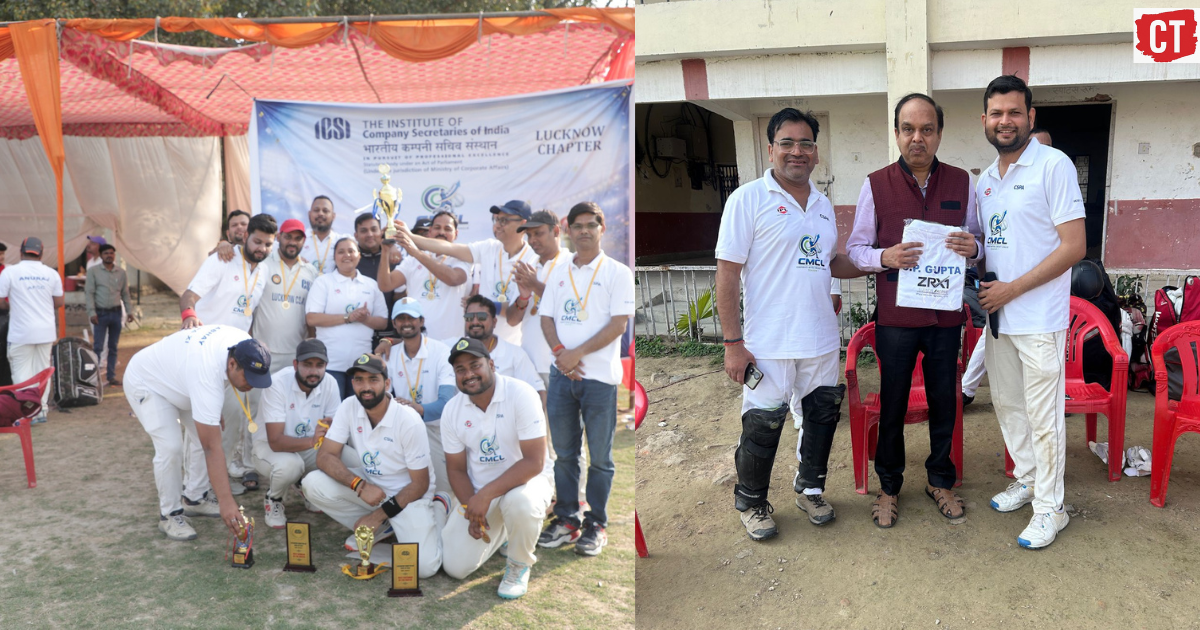
Campus Times | LucknowCSPA XI emerged champions of the two-day Corporate Mitra Cricket League held on February 21–22 in Lucknow, defeating Awadh Finance Cricket Club (CA team) in a thrilling final. The winning side was led by CS Manish Mishra. The tournament was jointly organized by the Institute of Company Secretaries of India (ICSI), Lucknow Chapter, and the Corporate Sector Professionals Association (CSPA). Four professional teams participated: Costing Crusaders (ICMAI Lucknow), LCS Legends (ICSI Lucknow), Awadh Finance Cricket Club (CAs), and CSPA XI.The event was sponsored by India Pesticides Limited, represented by CFO S.P. Gupta. At the closing ceremony, CSPA Treasurer CS Narendra Ojha congratulated participants, emphasizing that such sporting events strengthen professional bonding, networking, and overall well-being among industry experts. The league was widely appreciated across Lucknow’s professional community as a successful blend of sportsmanship and corporate camaraderie.
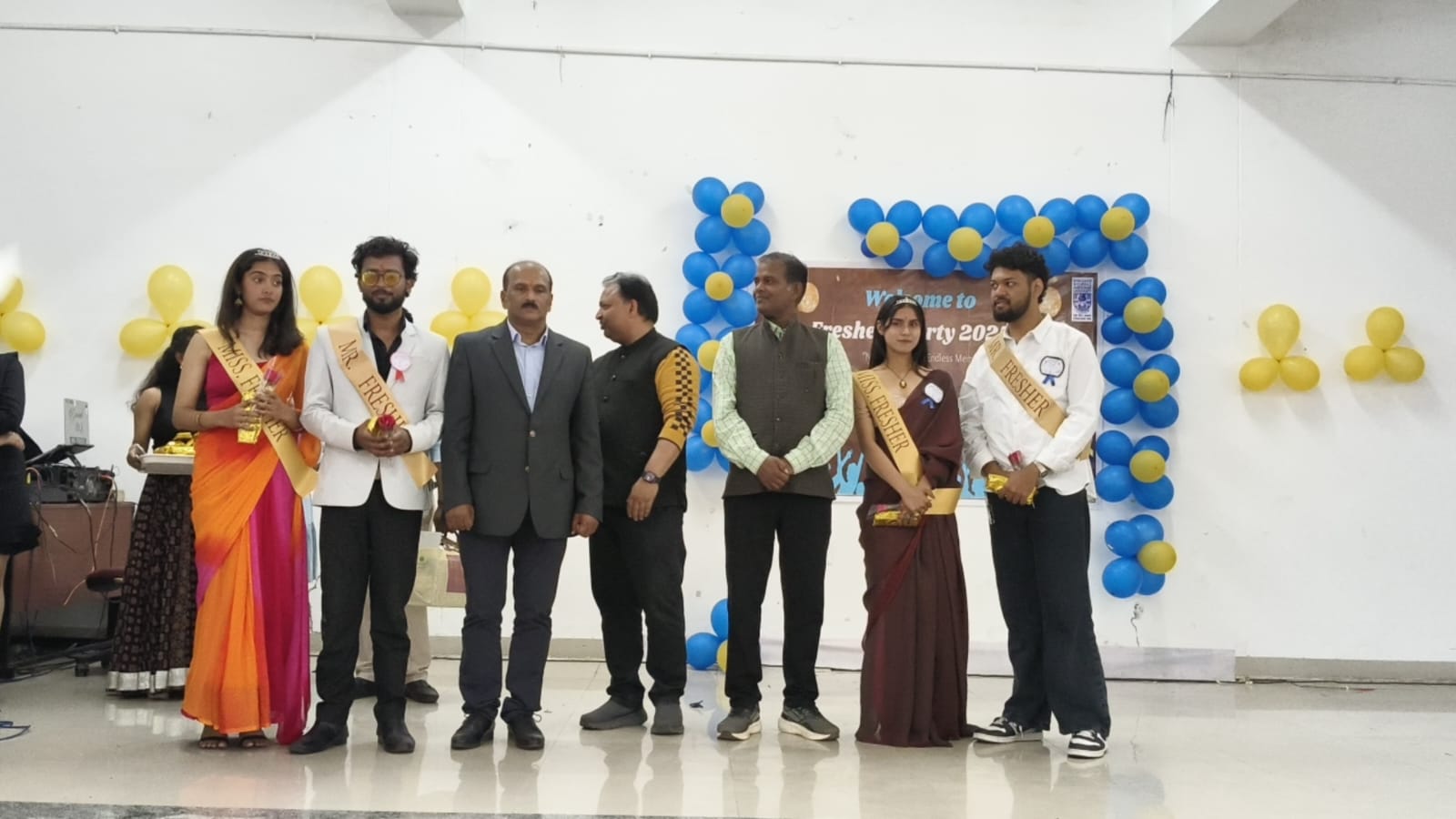
Campus Time | LucknowAn evening filled with confidence, creativity, and celebration marked the Freshers’ Party 2025–26 hosted by the Department of Mass Communication and Journalism at Babasaheb Bhimrao Ambedkar University (BBAU), Lucknow. Designed to warmly welcome the new batch of MA and BA first-year students, the event blended tradition with youthful vibrancy. The celebration commenced with a ceremonial lamp-lighting led by Head of Department Dr. Govind Ji Pandey along with faculty members. Addressing the gathering, Dr. Pandey extended his heartfelt wishes to the newcomers, encouraging them to strive for academic excellence while actively participating in departmental and co-curricular activities.Spotlight on the WinnersThe highlight of the evening was the much-awaited Mr. and Miss Fresher titles.In the MA Mass Communication and Journalism (MA MCJ) Smirti was crowned Miss Fresher Prachurya Roy Borauh secured the title of Mr. Fresher, impressing judges with his performance across the introduction, ramp walk, and talent roundsFrom the BA FTMS batch Palak Arora earned the title of Miss FresherSourav Kumar was declared Mr. Fresher, winning appreciation for his confident and engaging stage presenceThe competition featured multiple segments including an introduction round, ramp walk, talent showcase, and interactive games. Senior PhD scholars evaluated participants on confidence, communication skills, creativity, and overall personality. As the formal rounds concluded, the atmosphere transformed into a lively celebration with DJ music, group photographs, and cheerful interactions between seniors and juniors. The event, meticulously organized by the MA Second Year students, successfully created a platform for freshers to showcase their individuality and connect with their peers.More than just a celebration, the Freshers’ Party 2025–26 reflected the department’s dynamic spirit — a blend of academic seriousness and creative expression — setting the tone for an exciting journey ahead for the new batch.
Campus Times | LucknowMohan Bhagwat was invited as the chief guest for the ‘Shodharthi Samvad’ programme organized at Malaviya Sabhagar. As he arrived, protesters raised slogans of Go Back Mohan Bhagwat, expressing their disagreement with the university administration’s decision to host him.The situation intensified when police personnel intervened to disperse the demonstrators. Brief scuffles and heated arguments were reported between students and security forces. Several protesting students were detained and later taken to Eco Garden. Student leaders alleged that the RSS has historically promoted a communal atmosphere in the country and questioned the message being conveyed by inviting Bhagwat to the campus.Universities are spaces for education, research, and critical thinking. We oppose any ideology that goes against democratic and constitutional values, said Aryan Mishra, State Vice President of NSUI.He further added that the organization demands equal permission for all student groups to hold events on campus and criticized what they described as biased administrative policies.NSUI leader Ahmed Raza Khan also expressed concern that Bhagwat’s visit could encourage religious divisions within academic institutions. He stated that inviting a controversial figure to campus could affect the inclusive environment of the university.On the other hand, BJP member Anurag Tiwari welcomed Bhagwat’s visit, calling it a matter of pride for students and research scholars. He said that Bhagwat’s experiences and insights were valuable for the academic community and highlighted the enthusiastic participation of attendees at the event.Protesters also alleged that university resources should prioritize student welfare rather than hosting individuals they consider divisive.Despite the demonstrations, the scheduled programme proceeded under tight security arrangements. Although tensions persisted for some time, the situation was eventually brought under control by authorities.
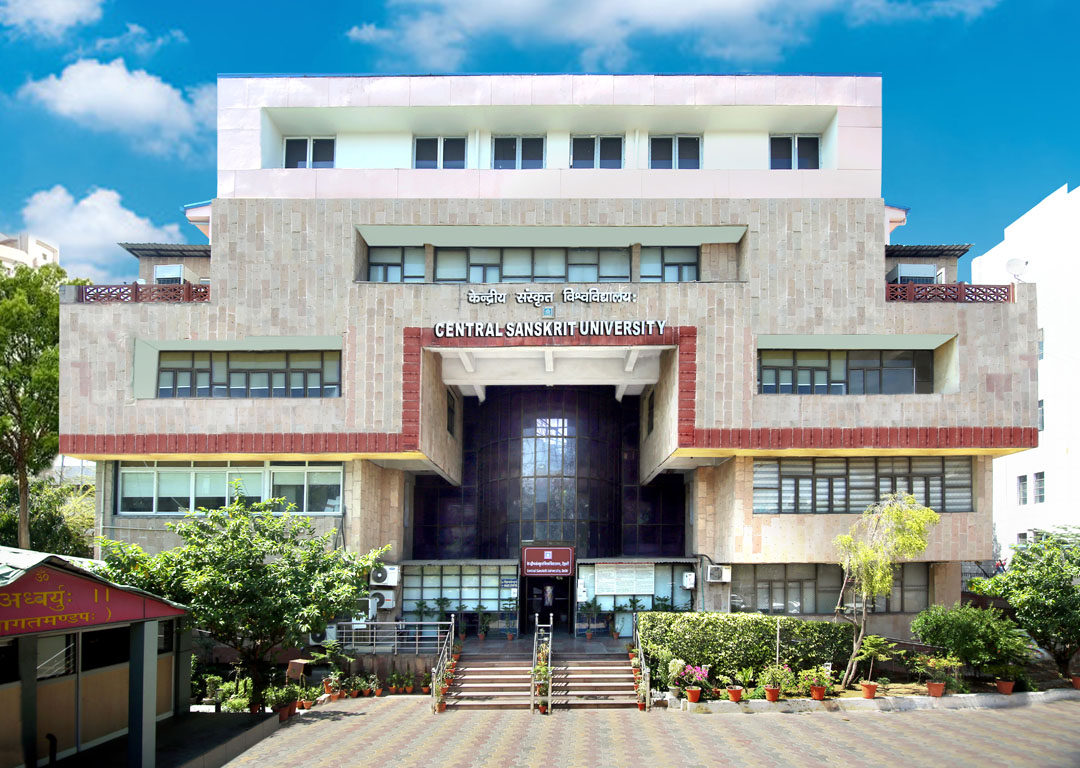
Campus times | Lucknow Central Sanskrit University (KSV) has started the admission process for its Integrated MA-PhD programme for students who have completed their graduation. Under the university’s Setu bandh Scholar Scheme, eligible candidates will get the opportunity to pursue a PhD along with their postgraduate (PG) studies. The online application process has begun on the Samarth portal. According to an order issued by the Deputy Director, Dr. Devvrat Shukla, candidates can register online on the Samarth portal for the academic session 2025-26. The last date to apply is February 23. Only those who complete the registration within the stipulated deadline will be considered for the admission process. The registration fee has been fixed at ₹200.Fee for Integrated ProgrammeAccording to information available on the university’s website, the first semester fee for the Integrated MA-PhD programme has been fixed at ₹3,600. Additionally, the fee for the second semester is ₹2,000, the third semester ₹2,850, and the fourth semester ₹1,250. All fees must be paid through the Samarth portal. As per the admission schedule, document verification and submission of the online application fee will be conducted from February 26 to March 3. Candidates must submit their birth certificate, graduation mark sheet, character certificate, and passport-size photograph as part of the admission requirements. Final approval for admission will be granted after thorough scrutiny by the admission committee. Attendance in regular classes will be mandatory for selected candidates. Candidates can obtain detailed information regarding admission from the university’s official website-sanskritadm.samarth.edu.in.
Campus Times | LucknowUnder the UP Budget 2026, the state government has proposed a historic ₹77,622 crore allocation for basic education, marking one of the largest-ever investments in primary schooling in Uttar Pradesh.₹77,622 Crore Allocation to Transform Primary EducationThe massive financial commitment aims to upgrade infrastructure in council-run schools, enhance academic standards, and ensure holistic development for millions of students across the state.According to education department officials, the allocation will focus on:Modernizing classrooms and learning spacesStrengthening teaching quality and training3Expanding digital and smart learning facilitiesImproving basic amenities in rural and underprivileged areasGovernment schools, especially in rural Uttar Pradesh, serve as the backbone of the education system. Officials believe this funding will inject fresh momentum into the primary education framework and bridge the urban-rural education gap.₹650 Crore for Free Uniforms, Bags, Shoes & StationeryOne of the most impactful announcements in the budget is the proposal of ₹650 crore to provide free uniforms, school bags, shoes, socks, and stationery to students from Classes 1 to 8 studying in council schools.The initiative is aimed at:Reducing the financial burden on familiesEnsuring dignity and equality among studentsPreventing dropouts due to economic hardshipEncouraging higher enrollment and attendanceFor thousands of families grappling with rising living costs, this scheme offers tangible relief. By removing basic financial barriers, the government seeks to ensure that no child’s education is compromised due to lack of resources.A Budget Beyond NumbersBeyond figures and fiscal allocations, the UP Budget 2026 sends a strong social message — that every child, regardless of socio-economic background, deserves access to quality education with dignity.Calling the budget a “commitment to the future of Uttar Pradesh,” Minister Sandeep Singh emphasized that investment in basic education is an investment in the state’s long-term development.With this unprecedented allocation, Uttar Pradesh has positioned foundational education at the center of its growth strategy —
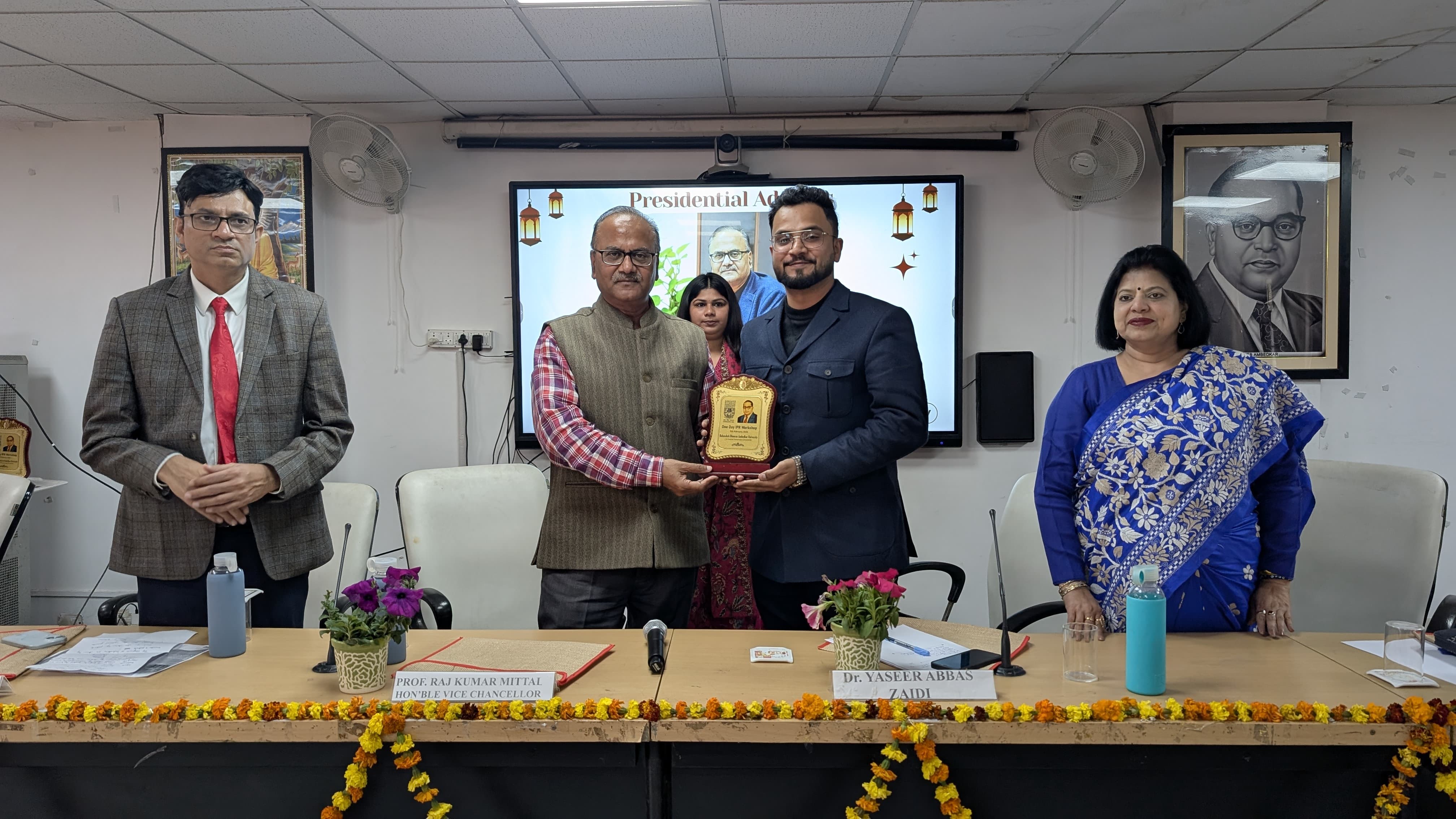
Campus Times| LucknowAddressing the gathering, Vice-Chancellor Prof. Raj Kumar Mittal said that Intellectual Property Rights form the backbone of a strong research ecosystem. He observed that in the present market-driven global economy, IPR plays a decisive role in determining a nation’s economic strength. Referring to India’s progress in patents, GI tags, designs, and trademarks, he said these developments reflect the country’s growing innovation capacity. He urged academic institutions to align research with innovation and societal needs, encouraging faculty members to work towards patent development. Key highlight of the event VC Prof. Raj Kumar Mittal called for developing a “One Faculty–One Patent” culture to link university research with industry and society.Experts highlighted Intellectual Property Rights as a key driver of national economy, innovation, and global competitiveness.Chief Guest Dr. Yasir Abbas Zaidi stressed the need for IPR awareness and startup-oriented teams in universities to protect research outcomes.Industry expert Aditya Kumar Sharma underlined IPR’s crucial role in building Atmanirbhar Bharat by turning ideas into measurable economic value.The workshop emphasized strengthening industry–academia collaboration through patents, startups, and innovation-led research. Vision @2047In his address, Dr. Yasir Abbas Zaidi described IPR as a key driver of the national economy. He stated that while India has a strong research base, IPR provides a mechanism to protect and utilize innovation effectively. Emphasizing awareness and structured implementation, he encouraged universities to promote startup-oriented teams under faculty guidance, expressing confidence that IPR would contribute significantly to the goal of Developed India @2047.Sharing industry perspectives, Mr. Aditya Kumar Sharma said that Intellectual Property Rights play a crucial role in building an Atmanirbhar Bharat. He stressed that innovation must be supported by IPR to translate ideas into measurable economic outcomes. Prof. Sunita Mishra noted that IPR helps researchers identify the patentability of their work, while Prof. Naveen Kumar Arora highlighted the role of
Campus Times |Lucknow The National Council of Educational Research and Training (NCERT) is set to release revised Class 9 Social Science textbooks in March, placing a strong emphasis on India’s indigenous intellectual and cultural contributions, according to the draft syllabus issued by the council.As per the draft, the new textbooks will be designed around Indian Knowledge Systems (IKS) and will promote inquiry-driven learning rather than rote memorisation. The curriculum aims to present concepts through perspectives that are culturally rooted and closely connected to students lived realities.The revised syllabus marks a shift from a largely event-driven and chronological approach followed in previous editions. Instead, it prioritises a deeper understanding of core concepts, encouraging critical thinking and conceptual clarity among students.NCERT stated that the changes align with the objectives of the National Education Policy (NEP) 2020 and the National Curriculum Framework for School Education (NCF-SE) 2023, both of which advocate competency-based education and contextual learning.Educators believe the updated textbooks will help students engage more meaningfully with social science by integrating India’s philosophical, scientific, and cultural traditions into classroom learning.The new Class 9 books are expected to be introduced in schools across the country in the upcoming academic session.What’s New for Class 9 StudentsUnder the revised NCERT syllabus, Class 9 students will explore India’s contributions across a wide range of disciplines, including mathematics, philosophy, science and technology, medicine, architecture, agriculture, literature, and art.The curriculum places special focus on Indian philosophy, Ayurveda, yoga, horticulture, and the traditional use of herbs and spices. Students will also study etymology and the 22 shrutis of Indian classical music, analysing how these knowledge systems influenced the evolution of Indian society and history.The updated content aims to help students understand India’s intellectual traditions not just as historical facts, but as living systems that have shaped everyday life and cultural
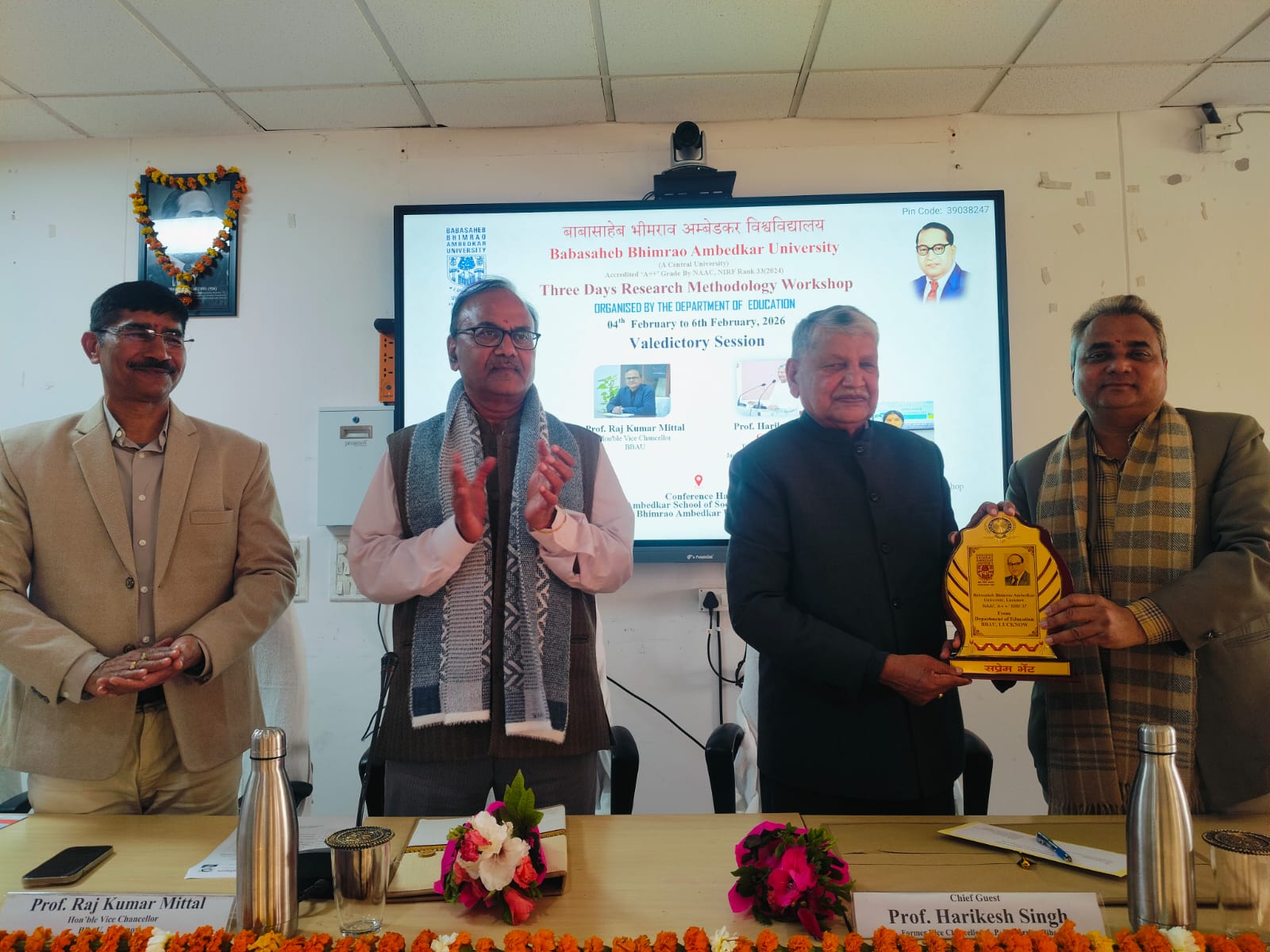
Campus Times | Lucknow A three-day Research Methodology Workshop organized by the Department of Education, Babasaheb Bhimrao Ambedkar University (BBAU), concluded with a valedictory session held on campus. The closing ceremony was chaired by the Vice-Chancellor of the University, Prof. Raj Kumar Mittal. Former Vice-Chancellor of Jai Prakash Narayan University, Chapra (Bihar), Prof. Harikesh Singh, attended the programme as the Chief Guest. Prof. Raj Sharan Shahi, Head and Dean of the Department of Education, BBAU, along with Prof. Harishankar Singh and Program Convener Dr. Sangeeta Chauhan, were present on the dais during the valedictory session. The program began with the ceremonial lighting of the lamp and floral tributes to Babasaheb Bhimrao Ambedkar, followed by the rendition of the University Kulgeet. The organizing committee felicitated the guests with bouquets, mementos, and shawls.Workshop Objectives HighlightedWelcoming the gathering, Prof. Raj Sharan Shahi outlined the objectives and structure of the workshop. This was followed by a detailed report presented by Program Convener Dr. Sangeeta Chauhan, who summarized the academic sessions and learning outcomes of the three-day program.Youth as the Pillars of a Developed IndiaAddressing the gathering, Vice-Chancellor Prof. Raj Kumar Mittal emphasized that the responsibility of building a developed India lies largely with the youth. He stated that education is the most powerful medium through which young people can bring positive change in society. Stressing collaboration between universities and youth, he said such synergy is essential for contributions to economic growth, policy-making, and national development.Vice-Chance Prof. Mittal also highlighted the growing role of women in all sectors, calling it a matter of national pride. He noted that continuous progress in research has enabled India to emerge as an exporter of products ranging from agriculture to defense equipment. Underscoring the importance of research, he urged students to make effective use of government initiatives aimed at
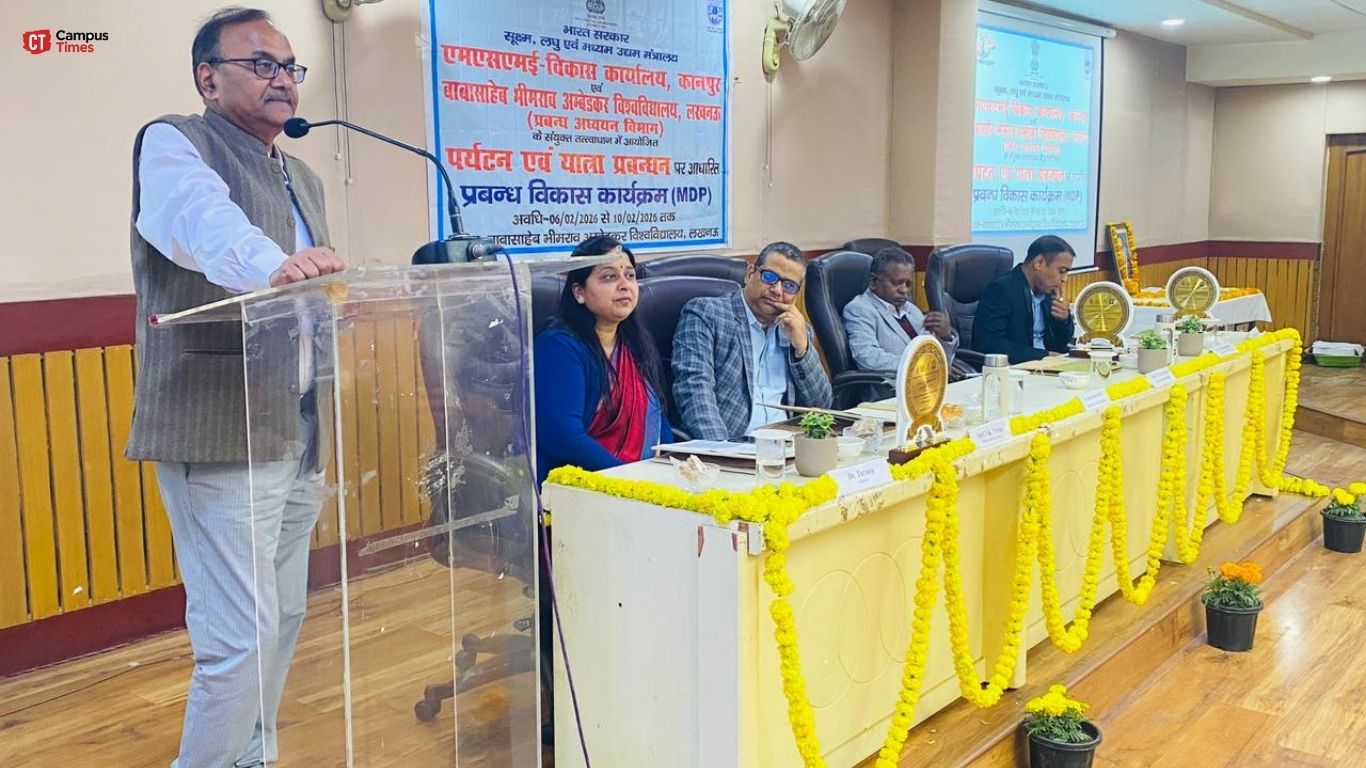
Campus Times | Lucknow The program was chaired by the Vice-Chancellor of the University, Prof. Raj Kumar Mittal, while Mr. V. K. Verma, Director, MSME–Development Office, Kanpur, graced the occasion as the Chief Guest. Other dignitaries present on the dais included Dean of Academic Affairs Prof. S. Victor Babu, MSME Assistant Director Mr. Neeraj Kumar, and Program Coordinator Dr. Taruna. The event commenced with the traditional lighting of the ceremonial lamp and floral tributes to the portrait of Babasaheb Dr. Bhimrao Ambedkar, followed by the rendition of the University Kulgeet. As a mark of appreciation, the organizing committee presented saplings to the guests and faculty members. Program Coordinator Dr. Taruna welcomed the dignitaries and participants and briefed them about the objectives and structure of the program.Youth Must Become Job Creators: Vice-ChancellorAddressing the gathering, Vice-Chancellor Prof. Raj Kumar Mittal emphasized that today’s youth must focus on becoming job creators rather than job seekers to realize the vision of Developed India–2047. He highlighted the crucial role of educational institutions in nurturing innovation, entrepreneurship, and self-reliance from an early stage.Prof. Mittal stated that the tourism sector offers immense scope for entrepreneurship, where young people can establish successful startups with innovative ideas and a modern outlook. He added that government initiatives such as the Chief Minister Youth Scheme, MSME, Startup India, and Vocal for Local are providing strong support to aspiring entrepreneurs. With proper guidance, infrastructure, and determination, youth can effectively utilize these schemes to contribute to the nation’s economic growth.MSME Key to Youth Empowerment and EmploymentChief Guest Mr. V. K. Verma, Director, MSME–Development Office, Kanpur, highlighted the objectives and functions of the MSME sector, describing it as a powerful instrument for youth empowerment and self-employment. He said MSME promotes micro, small, and medium enterprises, encourages innovation, ensures optimal utilization of local resources, and

Campus Times |Lucknow The Ghaziabad Incident That Shocked the Nation According to initial reports, three real sisters aged approximately 12, 14, and 16 allegedly died by suicide after being deeply influenced by a dangerous online “death challenge” game reportedly known as the Korean Love Game. The girls were said to be heavily addicted to the task-based game, spending most of their time playing it and gradually distancing themselves from school and daily routines.Reports suggest that such games often involve interaction with anonymous strangers who slowly gain emotional control over children. The game allegedly assigns step-by-step challenges, eventually leading to extreme and life-threatening tasks. Investigators also revealed that the sisters left behind an 18-page suicide note expressing their emotional attachment to the game, highlighting the alarming psychological grip such digital platforms can create.A Growing Pattern of Online Death ChallengesThis is not the first time such cases have surfaced. Earlier, globally reported online challenge games like the Blue Whale Challenge gained notoriety for allegedly encouraging participants to harm themselves through progressively dangerous tasks. Experts warn that these games operate by exploiting teenage emotional vulnerability. Children are initially attracted through themes of friendship, attention, or emotional connection. Gradually, manipulation, fear, and threats are used to control their behaviour.Are Online Games Rewiring Teen Minds?Research highlighted in the book iGen by renowned psychologist Jean M. Twenge indicates a sharp rise in depression and suicidal tendencies among teenagers since the early 2010s. The report links these behavioural changes significantly to excessive screen time, social media exposure, and online gaming addiction. With smartphones becoming common among teenagers, the risk of digital dependency is increasing rapidly, making parental supervision more critical than ever.Warning Signs Parents Must Never Ignore Speaking to Campus Times, psychology expert Dr. Lalima, Assistant Professor in the Department of Education at BBAU Lucknow, explained that
Campus Times/Lucknow: The University Grants Commission (UGC) has notified the UGC (Promotion of Equity in Higher Educational Institutions) Regulations, 2026, aiming to prevent caste-based discrimination and promote equality across Indian universities and colleges.Under the new rules, all higher education institutions must establish an Equal Opportunity Centre (EOC) and an Equity Committee on campus. These bodies will address complaints related to discrimination and ensure inclusive access to education. The committees must include representation from SC, ST, OBC, women, and persons with disabilities, ensuring inclusive decision-making.For the first time, Other Backward Classes (OBCs) have been explicitly included within the legal definition of caste-based discrimination, alongside Scheduled Castes and Scheduled Tribes. The regulations also broaden the definition of discrimination to include both direct and indirect unfair treatment based on caste, religion, gender, birthplace, or disability.Institutions are required to submit six-monthly and annual compliance reports to the UGC. Non-compliance may invite strict penalties, including exclusion from UGC schemes, suspension of degree or online programmes, or withdrawal of UGC recognition.The move has triggered mixed reactions. While social justice groups have welcomed the regulations as a strong step toward equality, some organisations representing general category students have raised concerns over possible misuse, lack of safeguards against false complaints, and potential impact on institutional autonomy.According to official data, complaints related to caste-based discrimination in higher education have risen by over 118% in the last five years, a trend cited by UGC as the key justification for the new regulations.Experts say that if implemented with fair procedures, transparency, and safeguards for all stakeholders, the UGC Equity Regulations 2026 could mark a significant step toward building inclusive, discrimination-free campuses across India.
Lucknow | The Uttar Pradesh government has released the official schedule for admissions under the Right to Education (RTE) Act for the academic session 2026–27, bringing clarity and relief to thousands of parents seeking free and compulsory education for their children. The admission process will be conducted under Section 12(1)(c) of the RTE Act, 2009, which mandates 25 percent reservation for children from economically weaker and disadvantaged sections in recognized private unaided schools. According to the order issued by the Directorate of Basic Education, Uttar Pradesh, admissions will be carried out for entry-level classes—Nursery, LKG, UKG, and Class 1—through a transparent online application and lottery system.Three-Phase Online Admission ProcessThe admission process will be completed in three phases to ensure smooth implementation and maximum participation.Phase 1:Online applications: 2 February to 16 February 2026Lottery draw: 18 February 2026School admission confirmation: by 20 February 2026Phase 2:Online applications: 21 February to 7 March 2026Lottery draw: 9 March 2026School admission confirmation: by 11 March 2026Phase 3:Online applications: 12 March to 25 March 2026Lottery draw: 27 March 2026School admission confirmation: by 29 March 2026The entire process will be conducted online to ensure transparency and fairness, with admissions allotted through a computerized lottery system.Eligibility and Verification ProcessChildren belonging to economically weaker sections (EWS) and disadvantaged groups will be eligible for admission under the RTE quota. Parents will be required to upload necessary documents such as income certificate, residence proof, caste certificate (if applicable), and age proof during the online application process.District-level committees, including officials from the District Basic Education Office, Child Development Project Office, and local education authorities, will oversee verification and implementation to ensure compliance with RTE norms.Schools to Admit Students Without DelayRecognized private unaided schools are required to admit selected students strictly as per the allotment list. Schools failing to comply with the admission schedule