




.jpg)
.jpg)
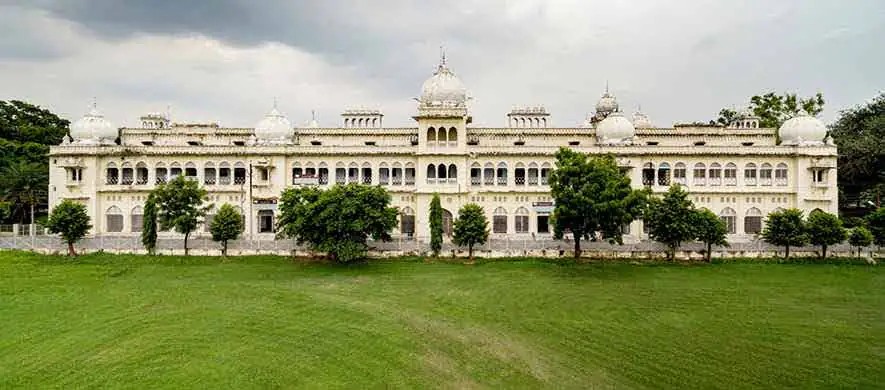
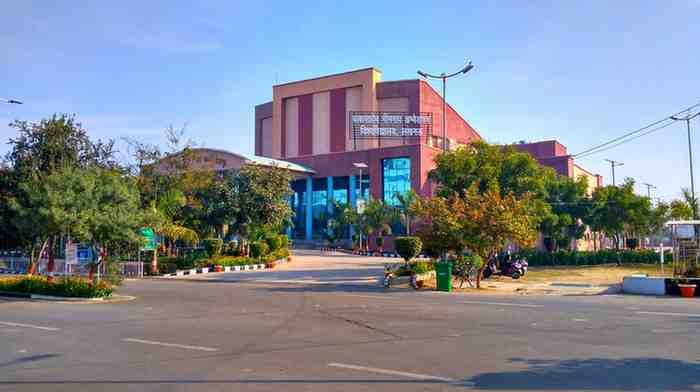
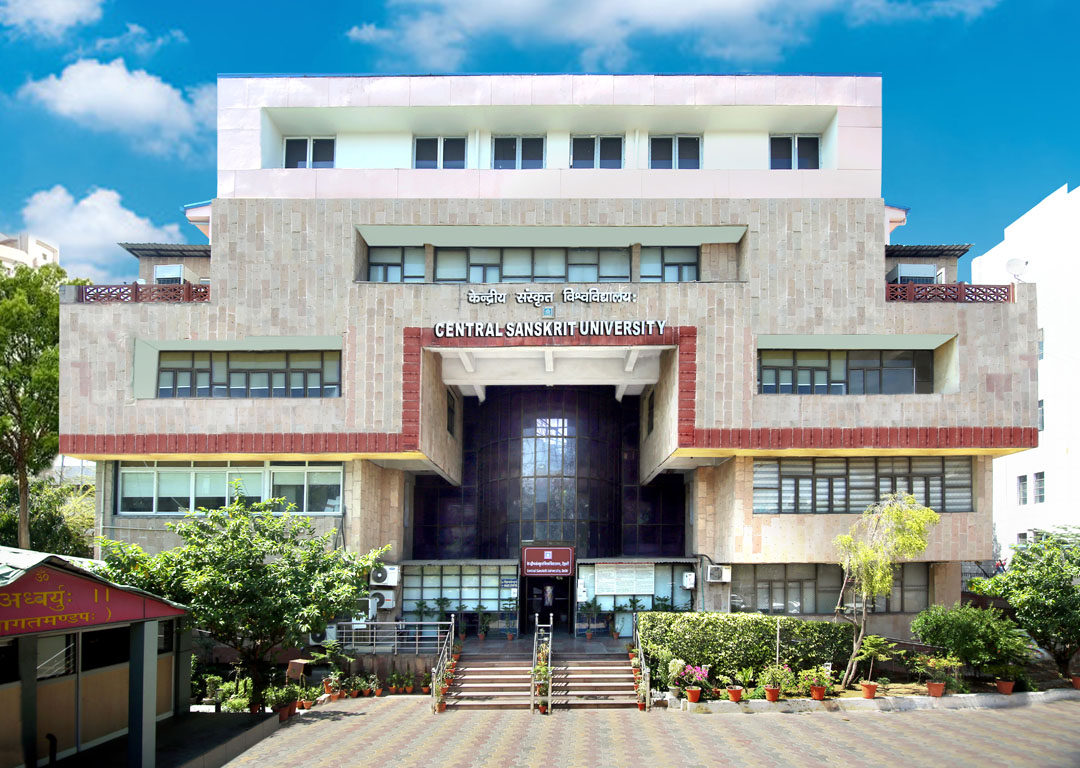
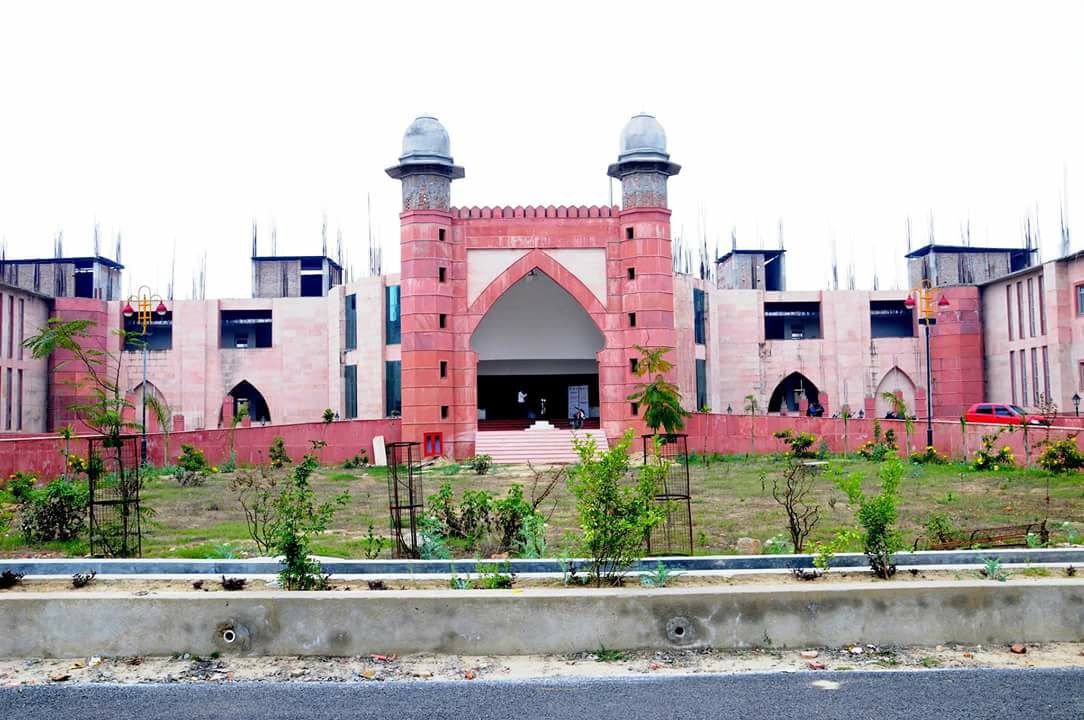
Lucknow | The institution began its journey on 1 October 2009 as Uttar Pradesh Urdu, Arabi-Farsi University. Over the years, it evolved both in name and vision—first being renamed Shri Kanshiramji Urdu, Arabi-Farsi University in 2011, and later rechristened in 2012 as Khwaja Moinuddin Chishti Urdu, Arabi-Farsi University, in honour of the revered Sufi saint Khwaja Moinuddin Chishti of Ajmer, globally known for his message of universal love, peace, and harmony. In February 2020, the Uttar Pradesh Cabinet approved its renaming as Khwaja Moinuddin Chishti Language University, further strengthening its identity as a language-focused institution. Inspired by a Message of UnityNaming the university after Khwaja Moinuddin Chishti—popularly known as Gharib Nawaz—was deeply symbolic. His philosophy of “Sulh-i-Kul” (peace with all) resonates with Lucknow’s own Ganga-Jamuni tehzeeb, making the city an ideal home for an institution committed to inclusivity, cultural dialogue, and human values. Academic Growth and Expanding HorizonsThe university began its first academic session in August 2013 with 413 students, offering undergraduate and postgraduate programmes in languages, humanities, social sciences, education, commerce, computer science, management, and journalism. Today, the student strength has grown to over 3,800, and the range of programmes has expanded significantly. Recognised under Sections 12B and 2(f) of the UGC, the university has gradually strengthened its academic credibility. While languages remain its core strength—Urdu, Arabic, Persian, Hindi, English, and Sanskrit—the university has also embraced multidisciplinary education in line with NEP 2020, promoting multilingualism, skill-based learning, and value-added courses across departments. Entry into Professional and Technical EducationResponding to student aspirations and employment trends, the university introduced AICTE-approved B.Tech programmes in Civil Engineering, Mechanical Engineering, Computer Science, Fashion Technology, and Computer Science with Artificial Intelligence and Machine Learning in 2019. Legal education has also gained momentum with the launch of LL.M, while preparations are underway to introduce LL.B. Alongside this, diploma programmes and vocational
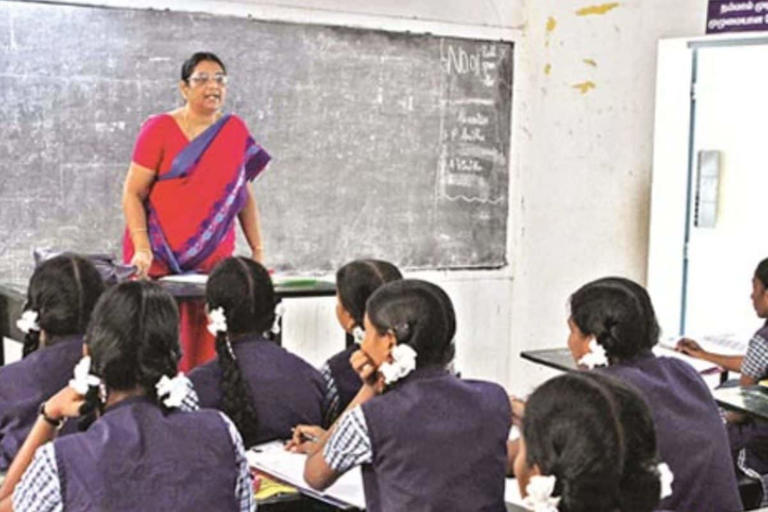
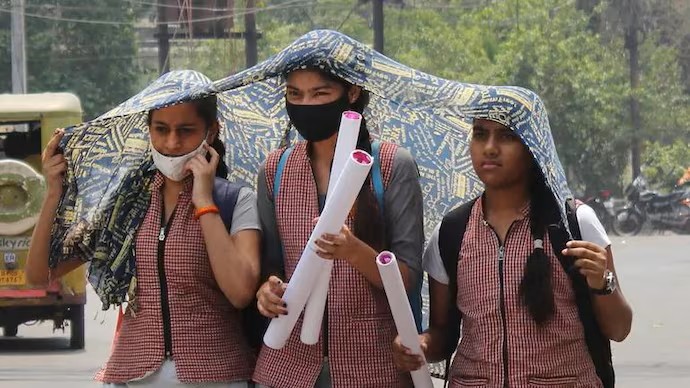
Campus Times | LucknowIn a proactive step to protect students from the increasing threat of extreme heat, the Uttar Pradesh government has issued comprehensive heat safety guidelines for schools across the state. The initiative aims to help educational institutions prevent and effectively respond to heat-related health emergencies while ensuring a safe learning environment.The guidelines, issued under the direction of Additional Chief Secretary (Basic and Secondary Education) Partha Sarathi Sen Sharma, require every school to prepare a dedicated Heat Action Plan. Schools have also been directed to appoint a Nodal Health Teacher to oversee heat safety measures and coordinate awareness activities on campus.As part of the initiative, orientation sessions will be organised for teachers, non teaching staff and students to educate them about heatwave risks, preventive measures and emergency response. Schools have also been instructed to prominently display heat safety advisories and emergency contact numbers on campus.To strengthen emergency preparedness, institutions must maintain adequate medical supplies, including first aid kits, Oral Rehydration Solution (ORS), digital thermometers and arrangements for immediate medical assistance through the 108 ambulance service. Teachers have been advised to identify the early symptoms of heat exhaustion and heatstroke, provide first aid and ensure timely medical intervention whenever required.The government has also asked schools to spread awareness among parents and the school community by sharing practical dos and donts related to heatwaves. The objective is to minimise health risks and reduce the impact of extreme temperatures on children wellbeing, learning and overall development.Schools have further been encouraged to improve campus infrastructure by ensuring proper ventilation, creating shaded spaces and adopting heat-mitigation measures such as reflective roofing.To protect students and staff from extreme temperatures, the government has directed all schools to suspend outdoor activities between 10:00 am and 4:00 pm until further notice.
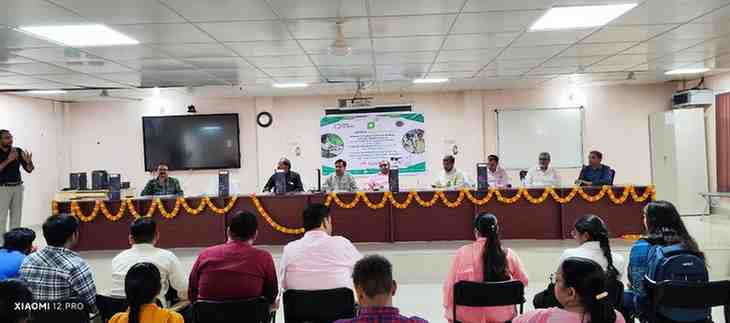
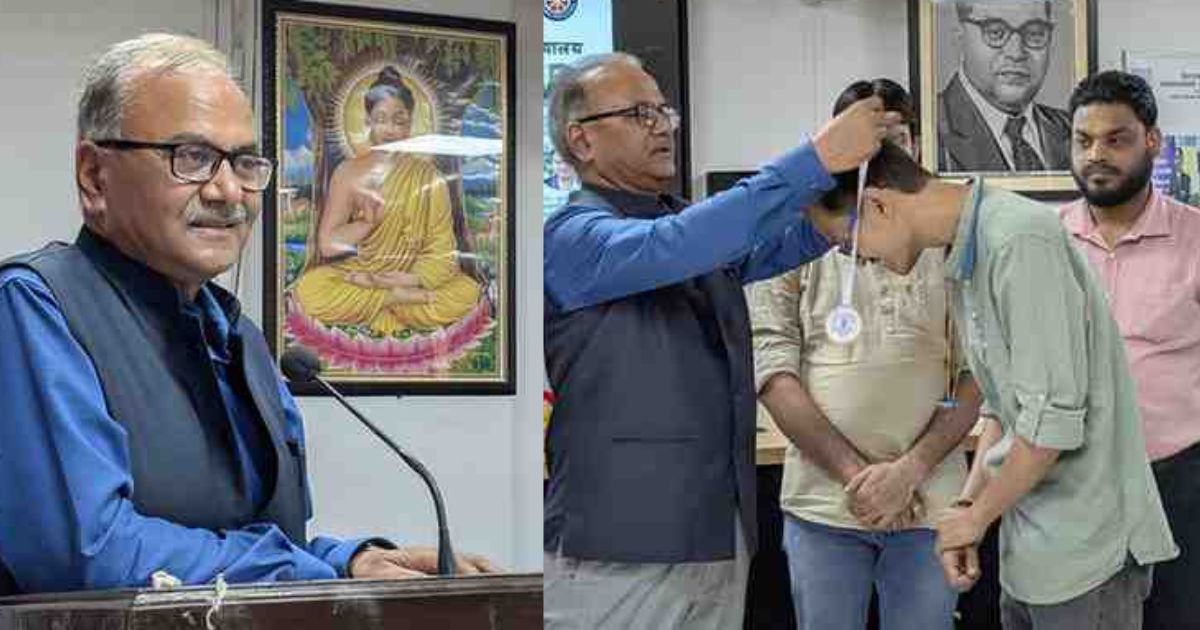
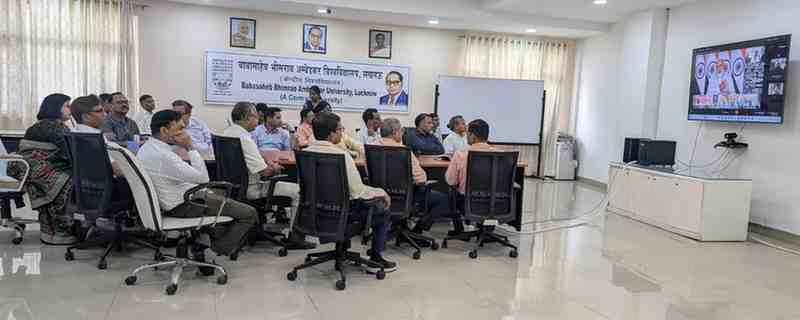
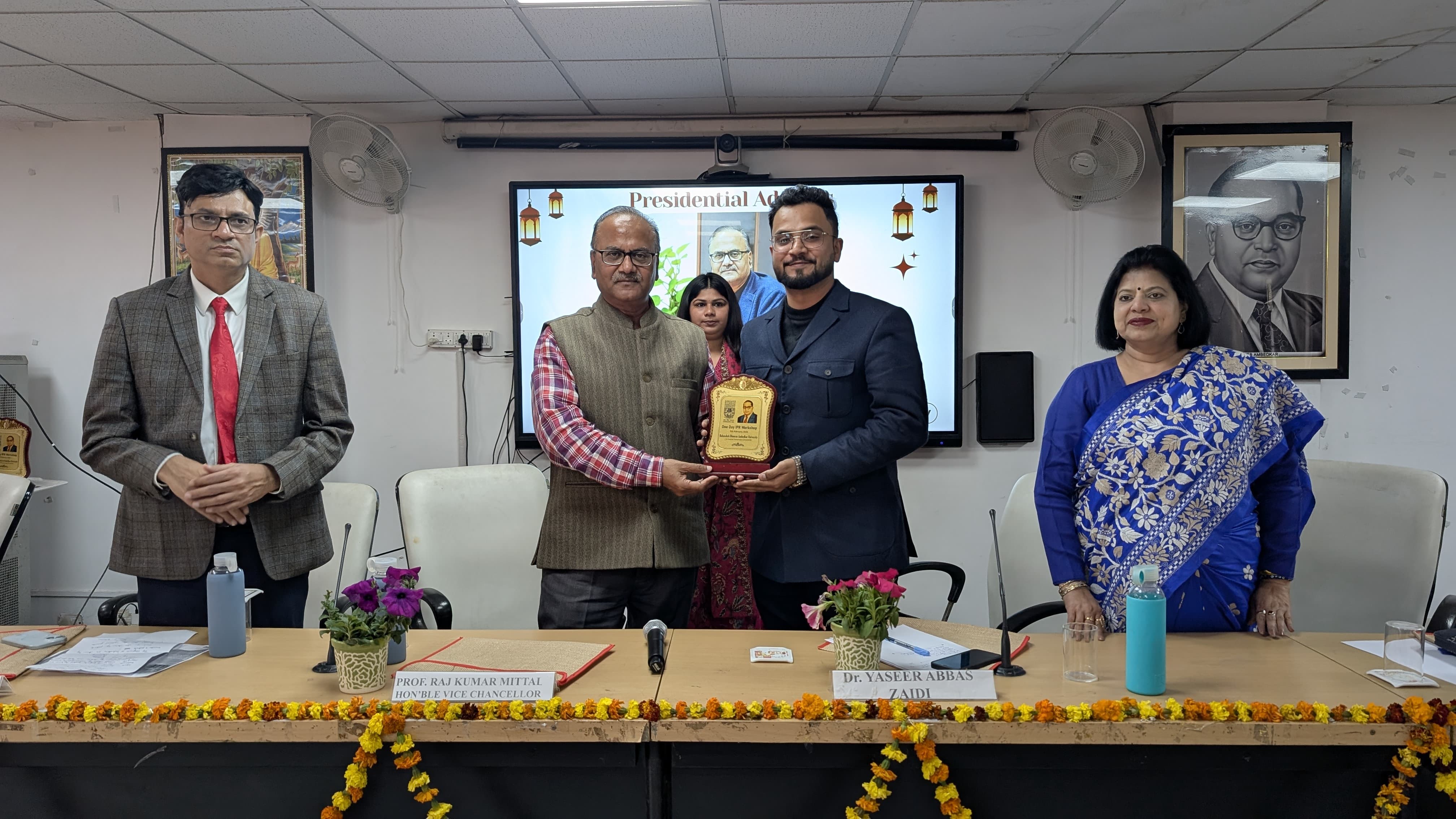
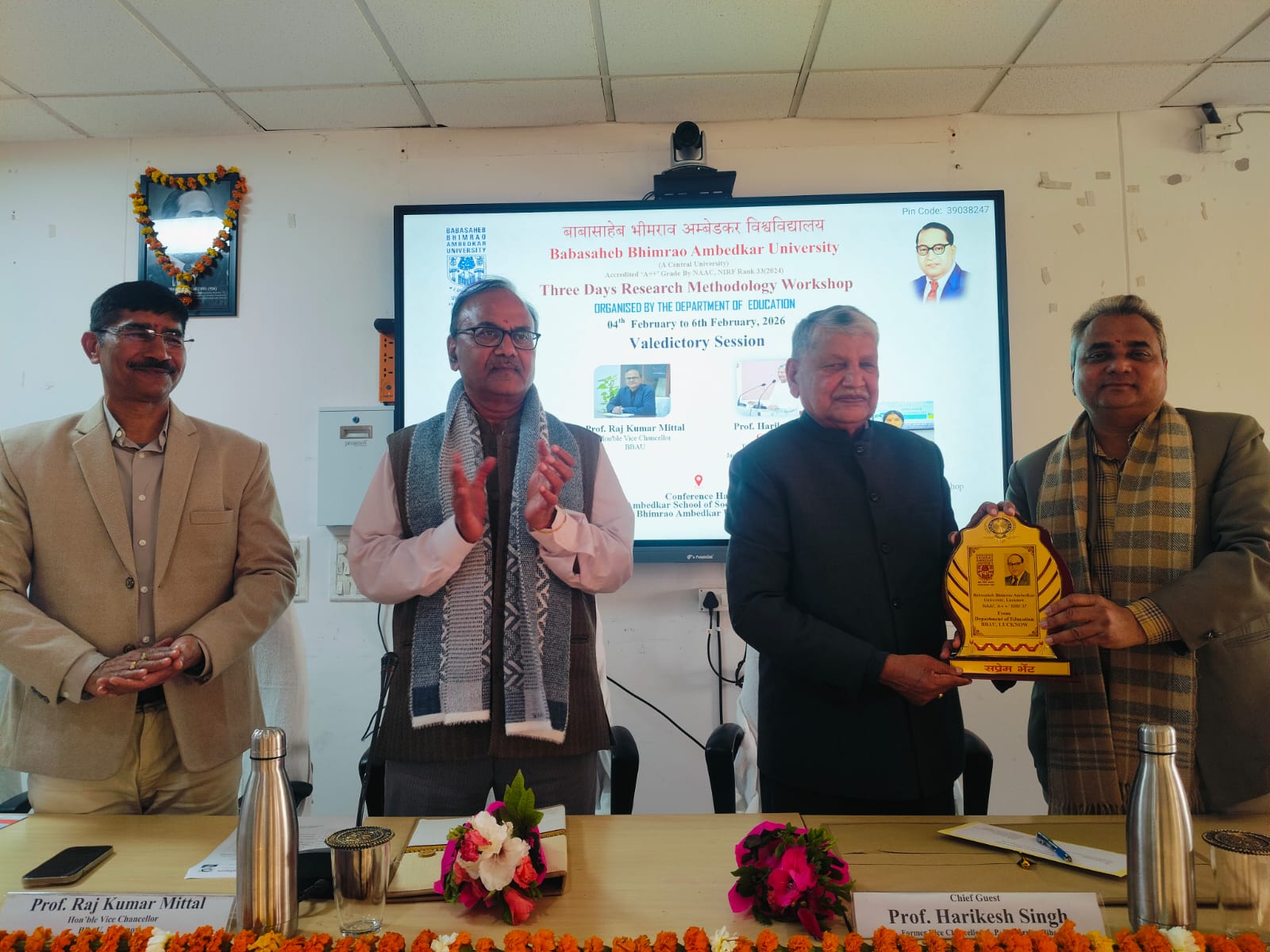
Campus Times | Lucknow A three-day Research Methodology Workshop organized by the Department of Education, Babasaheb Bhimrao Ambedkar University (BBAU), concluded with a valedictory session held on campus. The closing ceremony was chaired by the Vice-Chancellor of the University, Prof. Raj Kumar Mittal. Former Vice-Chancellor of Jai Prakash Narayan University, Chapra (Bihar), Prof. Harikesh Singh, attended the programme as the Chief Guest. Prof. Raj Sharan Shahi, Head and Dean of the Department of Education, BBAU, along with Prof. Harishankar Singh and Program Convener Dr. Sangeeta Chauhan, were present on the dais during the valedictory session. The program began with the ceremonial lighting of the lamp and floral tributes to Babasaheb Bhimrao Ambedkar, followed by the rendition of the University Kulgeet. The organizing committee felicitated the guests with bouquets, mementos, and shawls.Workshop Objectives HighlightedWelcoming the gathering, Prof. Raj Sharan Shahi outlined the objectives and structure of the workshop. This was followed by a detailed report presented by Program Convener Dr. Sangeeta Chauhan, who summarized the academic sessions and learning outcomes of the three-day program.Youth as the Pillars of a Developed IndiaAddressing the gathering, Vice-Chancellor Prof. Raj Kumar Mittal emphasized that the responsibility of building a developed India lies largely with the youth. He stated that education is the most powerful medium through which young people can bring positive change in society. Stressing collaboration between universities and youth, he said such synergy is essential for contributions to economic growth, policy-making, and national development.Vice-Chance Prof. Mittal also highlighted the growing role of women in all sectors, calling it a matter of national pride. He noted that continuous progress in research has enabled India to emerge as an exporter of products ranging from agriculture to defense equipment. Underscoring the importance of research, he urged students to make effective use of government initiatives aimed at
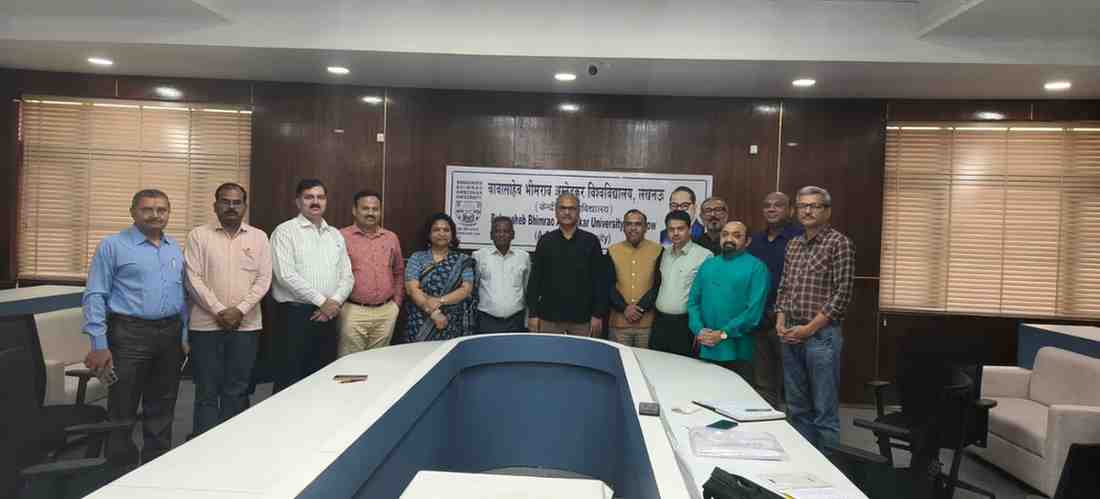
Campus Times | Lucknow In a significant academic exchange, Babasaheb Bhimrao Ambedkar University (BBAU), Lucknow, hosted a high-level delegation from Shri Govind Guru University, Gujarat, for an insightful discussion on institutional excellence, research, and accreditation practices.VC Mittal Highlights ResearchThe meeting was chaired by Vice-Chancellor Prof. Raj Kumar Mittal, who emphasized the importance of socially relevant research, faculty capacity building, and a student-centric approach in shaping a progressive academic ecosystem. He highlighted that strong industry collaboration is key to fostering innovation and start-up culture within universities.The visiting delegation, comprising senior academicians and administrators, expressed keen interest in understanding BBAU’s best practices, particularly its impressive performance in NAAC accreditation and NIRF rankings. They stated that the visit aimed at adopting similar strategies to enhance their own institutional framework.IQAC Excellence & R&D Innovation Drive Take Centre StageDuring the interaction, BBAU officials presented detailed insights into academic and administrative excellence. IQAC Director Prof. Shilpi Verma elaborated on crucial quality processes such as AQAR submission, SSR, SSS, DVV, and PTV, while also sharing the university’s journey from NAAC Cycle 1 to Cycle 2.Further, Prof. Shishir Kumar, Director of the Research and Development Cell, showcased BBAU’s advancements in research infrastructure, Intellectual Property Rights (IPR), and incubation initiatives, underlining the university’s push towards innovation-driven growth.Governance and Fund Flow InsightsAdministrative and financial systems were also discussed in detail, with Registrar Dr. Ashwini Kumar Singh and Deputy Registrar (Finance) Dr. Ashish Rastogi explaining governance structures and fund allocation mechanisms.The visit concluded on a collaborative note, with both institutions expressing optimism about future partnerships, knowledge exchange, and mutual growth in higher education excellence.
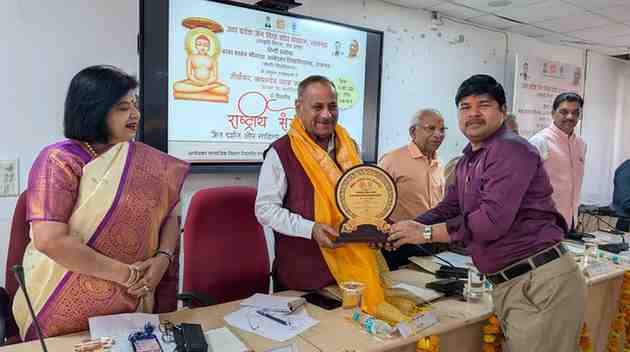
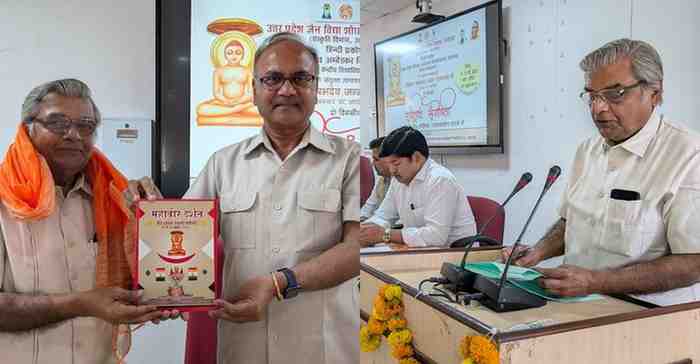
Campus Times |LucknowThe timeless wisdom of Jain philosophy took center stage at Babasaheb Bhimrao Ambedkar University as a two-day national seminar on “Jain Philosophy and Literature: In Contemporary Context” concluded on March 13. Organized by the university’s Hindi Cell in collaboration with Uttar Pradesh Jain Vidya Shodh Sansthan, the seminar was held on the occasion of the birth celebration of Jain Tirthankar RishabhdevRaj Kumar Mittal said that Jain philosophy teaches the importance of limiting one’s needs and living a life of restraint to achieve true satisfaction and balance. He noted that in an era increasingly driven by consumerism, the Jain principles of self-discipline, non-possessiveness (Aparigraha) and ethical conduct can help strengthen human values and guide individuals toward a more harmonious and spiritually aware life.SSS Principles of JainismAbhay Kumar Jain emphasized that the Jain principles of Samyak Gyan (right knowledge), Samyak Vani (right speech) and Samyak Charitra (right conduct) guide individuals toward spiritual growth while fostering positive change in society. He added that Jain literature, rich and inspiring, promotes ethics, social awareness, coexistence and human values—essential for building a balanced and conscious society today.Nalin K. Shastri said that Jain philosophy guides individuals toward self-realization through introspection, discipline and spiritual awareness. He noted that in today’s materialistic age, the Jain principle of Aparigraha (non-possessiveness) encourages a life of simplicity, balance and ethical values, helping society move toward harmony and compassion.Jain tradition’s emphasis on naturePawan Agrawal said that Jain philosophy inspires individuals to lead a disciplined and action-oriented life rooted in ethical and human values. He noted that the Jain tradition’s emphasis on nature conservation, protection of living beings and vegetarianism remains highly relevant for environmental balance and sustainable development, while promoting compassion, coexistence and harmony in society.Ravindra Nath Srivastava said that compassion, forgiveness, kindness and non-possessiveness are the core principles of Jain
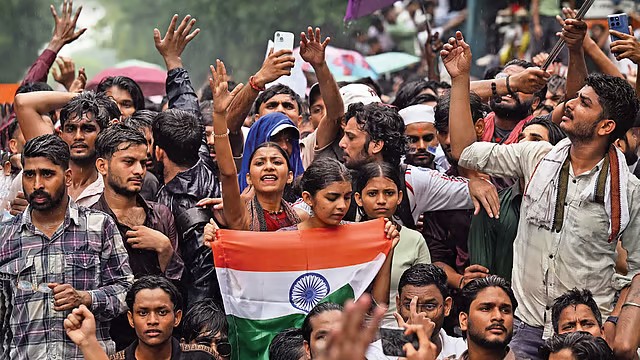
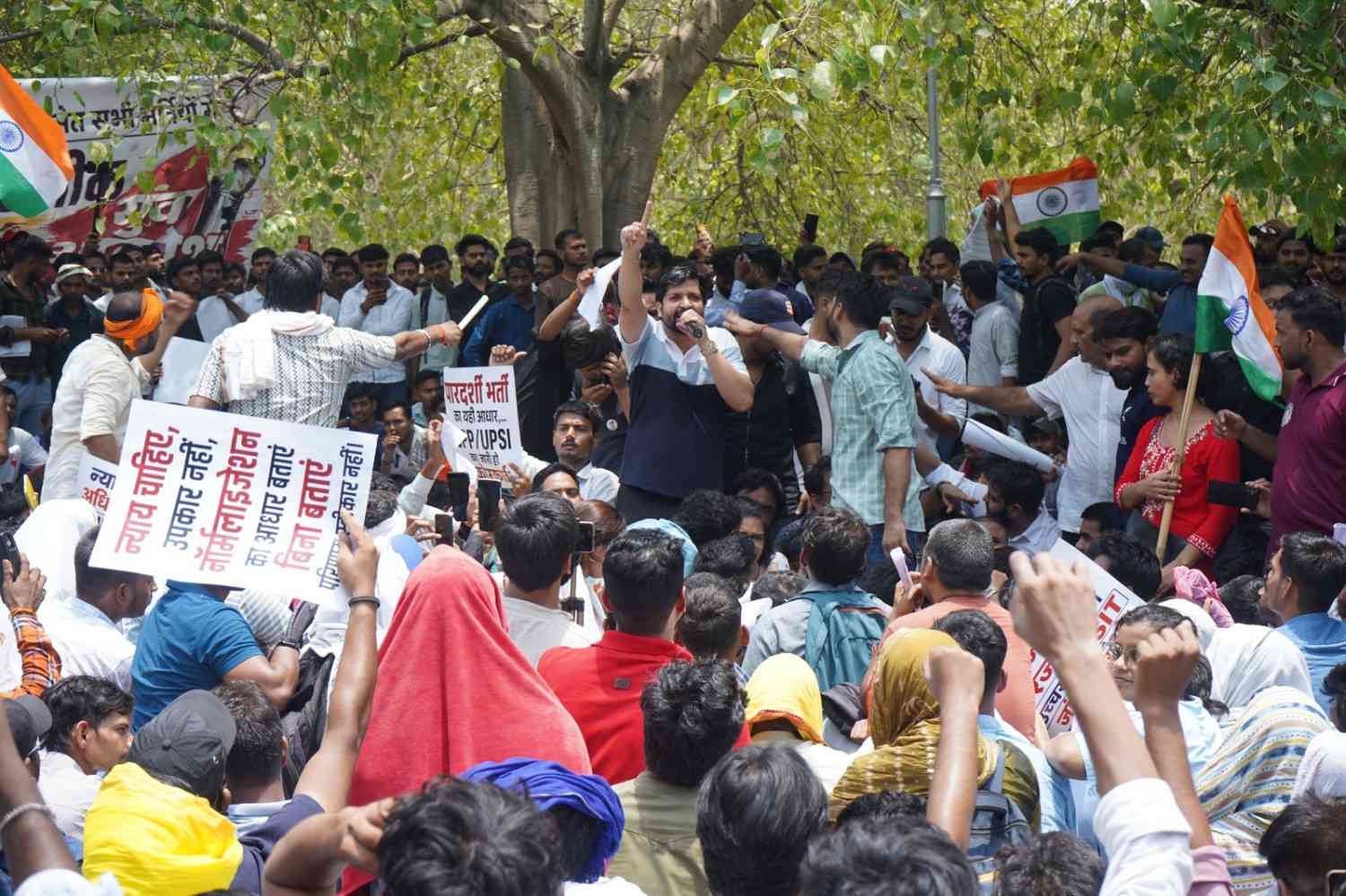
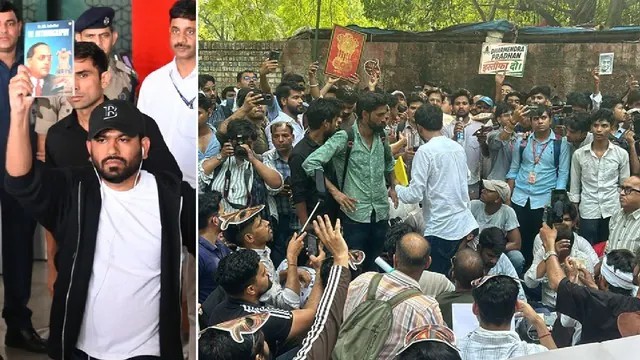
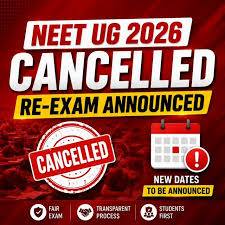
Campus Times | LucknowA large protest organized by the Cockroach Janta Party (CJP) was held at Jantar Mantar in Delhi on Saturday, drawing participants and supporters from multiple regions. The demonstration was led by CJP founder Abhijeet Dipke, who is based in the United States and returned to India for the event.The Delhi Police had permitted the protest between 10 AM and 5 PM, with tight security arrangements in place at the venue.Dipke attacks government, demands resignation over education system concernsAddressing the gathering, Dipke launched a strong critique of the central government, accusing it of diverting attention through identity-based politics while ignoring employment and education-related issues. He questioned whether such political narratives had translated into real opportunities for youth.He further demanded the resignation of Union Education Minister Dharmendra Pradhan, alleging systemic failures in India’s education framework. Dipke also warned that if his demands were not met by the evening deadline, the movement would expand into multiple cities across the country, with another major protest planned at Jantar Mantar next week.Sonam Wangchuk calls for systemic reform, not resignationsSocial activist Sonam Wangchuk addressed the gathering and emphasized that the focus should be on reforming the education system rather than demanding ministerial resignations.He suggested structural changes in governance, including accountability measures such as ensuring that policymakers’ children study in government schools. Wangchuk stated that the protest should be seen as a call for systemic improvement in education and examination processes rather than a purely political demand.The demonstration highlighted growing public debate around India’s education system, examination integrity, and youth employment concerns, with differing voices calling for both accountability and reform.Political reactions and student exam concerns raisedNationalist Congress Party (NCP) leader Rohit Pawar extended support to the protest, linking it to alleged irregularities in competitive examinations. He said concerns around NEET and CBSE-related issues
Campus Times | Lucknow As thousands of students prepare for college admissions in 2026, the University Grants Commission (UGC) has issued a serious warning over the growing number of fake universities operating across India. In its latest update released in May 2026, the UGC identified 32 institutions across 12 states and Union Territories that are functioning without legal recognition and are not authorised to award degrees.The warning has raised major concerns for students and parents, especially in Uttar Pradesh and Delhi, where the highest number of such institutions have been reported. Delhi alone accounts for 12 fake universities, while Uttar Pradesh has four institutions on the blacklist, including Lucknow-based Bhartiya Shiksha Parishad.According to the UGC, these institutions are operating in violation of the UGC Act, 1956, and any degree issued by them will not be considered valid for government jobs, higher education, or professional opportunities.Uttar Pradesh institutions under scannerThe fake universities identified in Uttar Pradesh include:• Gandhi Hindi Vidyapith• Netaji Subhash Chandra Bose University• Bhartiya Shiksha Parishad, Lucknow• Another institution flagged by the UGC under unauthorized operationsThe commission has advised students not to take admission in any institution unless its recognition status is verified through the official UGC website.Why this matters for studentsEducation experts say the issue has become more serious with the rising popularity of private institutes and distance learning programmes. Many students unknowingly enroll in institutions that use misleading names and false claims of recognition.A degree from a fake university can create long-term problems, including:• Rejection during government job verification• Invalid qualification for higher studies• Ineligibility for competitive exams• Financial loss and wasted academic yearsStudents seeking admission in technical, teacher-training, law, or management courses have also been advised to check approvals from bodies such as AICTE, NCTE, DEB, and other regulatory authorities.Delhi has highest number of fake universitiesSome of the major institutions listed by the UGC in
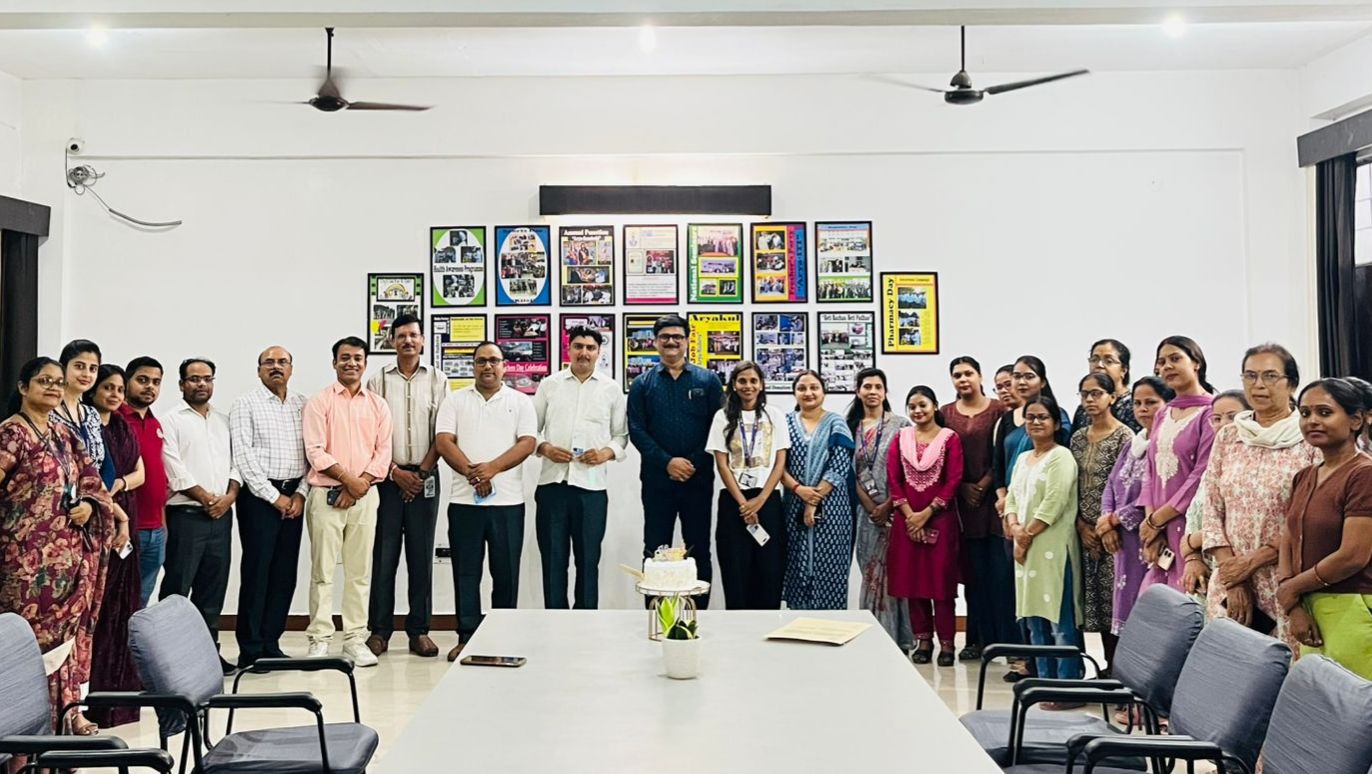
Campus Times | Lucknow Aryakul College of Education marked Hindi Journalism Day with an insightful programme organized by its Department of Journalism and Mass Communication, bringing together academicians, media professionals, and students to reflect on the legacy, evolution, and contemporary relevance of Hindi journalism.The event was inaugurated by the college’s Director, Dr. Sashakt Singh, who emphasized that Hindi journalism is not merely a medium for disseminating news but also a powerful tool for creating awareness, promoting education, and strengthening democratic values. Encouraging aspiring journalists to uphold integrity and public interest, he called for responsible and unbiased journalism in an increasingly dynamic media landscape.Addressing the gathering, Dr. Ajay Shukla, Head of the Department of Journalism and Mass Communication and a senior journalist, traced the origins of Hindi journalism to the publication of Udant Martand on May 30, 1826. Dr. Rekha Singh, Academic Coordinator, spoke about the significant role Hindi journalism has played in strengthening India’s social, cultural, and national consciousness. The programme was attended by Ruchi Singh, Dean Academics; S.K. Tiwari, Registrar; and faculty members including Dr. Alka Chaudhary, Dr. Ankita Agrawal, Dr. Abdul Rub Khan, Dr. Gaurav Mishra, Pranav Pandey, Vatsal Srivastava, and Muskan Rajput, along with a large number of students.The event concluded with an engaging discussion on the significance, challenges, and future prospects of Hindi journalism. Students actively shared their perspectives on various dimensions of the profession and expressed confidence in its promising future amid rapid technological transformation.
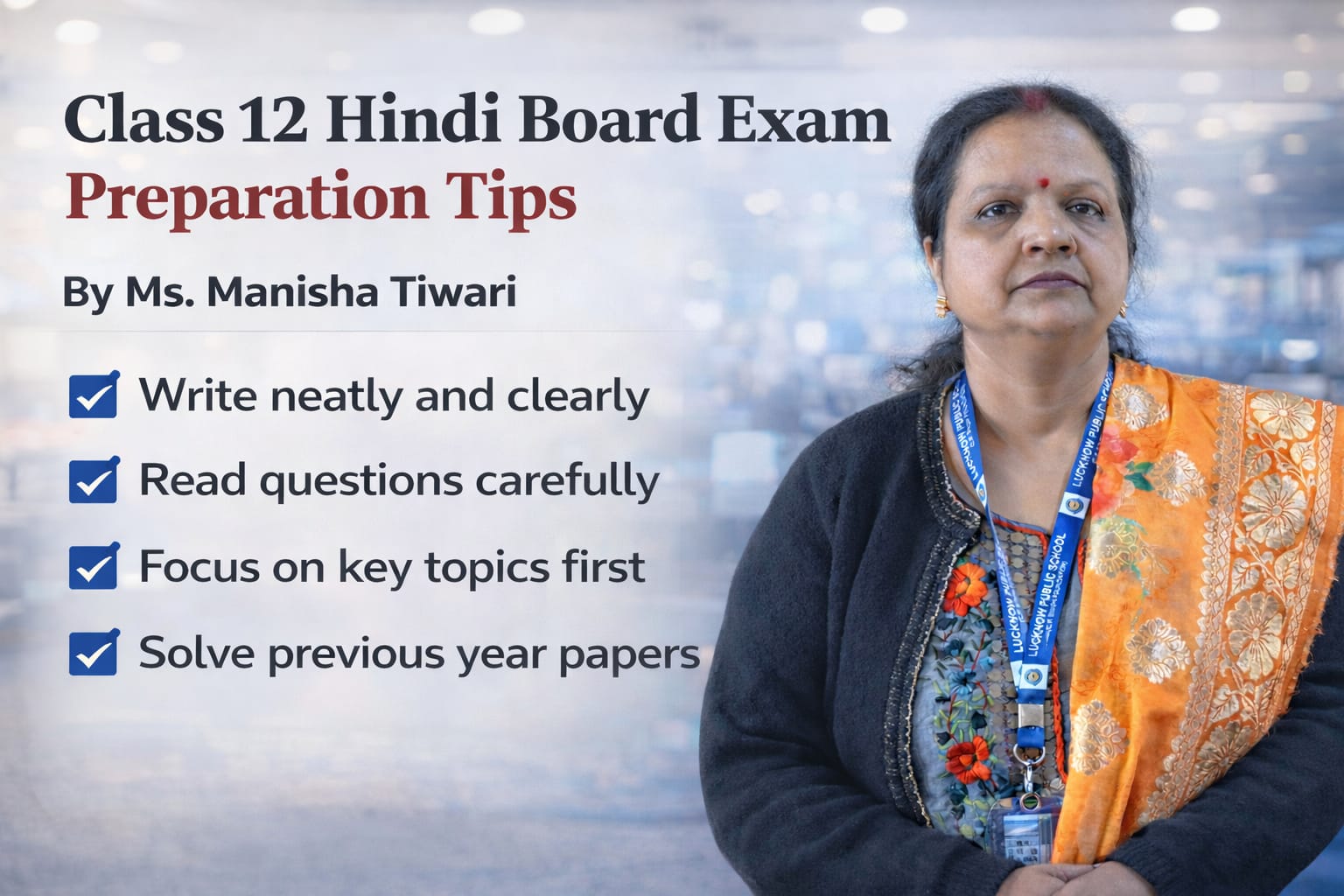
Campus Times|LucknowAs the Class 12 CBSE Board Examinations approach, students are intensifying their preparation to secure high marks. Among the core subjects, Hindi plays a crucial role in shaping overall academic performance. With a structured strategy, focused revision, and effective time management, scoring well in the Hindi board exam is highly achievable.Mrs. Manisha Tiwari, Hindi Teacher at Lucknow Public School (C.P. Singh Foundation), South City, shares practical and student-friendly tips to help aspirants perform confidently in the upcoming board examination.The Winning FormulaAccording to Mrs. Tiwari, neat and clear presentation significantly impacts the examiner’s impression. Students should avoid untidy handwriting and ensure their answers are well-structured and visually presentable. Underlining important keywords and writing precise answers enhances clarity and improves scoring potential.She emphasizes reading questions carefully to avoid common errors. Highlighting tricky or important parts of a question before attempting it can prevent unnecessary mistakes.Smart Study Strategy for Better ResultsStudents are advised to begin with frequently asked and high-weightage topics. Preparing simple chapters first helps build confidence, after which more challenging sections can be tackled effectively. While reference books can assist in understanding, the NCERT textbook should remain the primary source of preparation, as most board questions are based on it.Practicing 5–10 previous year question papers is strongly recommended. Even if the pattern changes slightly, repeated concepts often appear in different formats. Regular practice familiarizes students with the exam pattern and boosts confidence.Mastering Time Management During the ExamTime management plays a decisive role in board exams. Students should aim to complete the paper within 2 to 2.5 hours, keeping adequate time for revision. If stuck on a question, it is advisable to move ahead and attempt the ones they are confident about first. This strategy ensures maximum attempts and reduces exam stress.Health and Confidence MatterBeyond academics, Mrs. Tiwari stresses the importance
Campus Times | LucknowThe Uttar Pradesh Education Service Selection Commission (UPESSC) has officially released the admit cards for the Uttar Pradesh Teacher Eligibility Test (UPTET) 2026. Candidates who have successfully registered for the examination can now download their hall tickets through the official UPESSC website. To access the admit card, candidates need to visit the official UPESSC portal upessc.up.gov.in and click on the UPTET 2026 admit card link available on the homepage. After entering the required login credentials, including the registration or mobile number, name or father name, and date of birth, candidates will be able to view and download their hall ticket.Applicants should carefully check details such as their name, photograph, examination date, reporting time, shift, and allotted examination centre. In case of any discrepancy, they should immediately contact the commission through the official channel to get the issue resolved before the examination.Exam scheduleThe UPTET 2026 examination will be conducted on July 2, July 3, and July 4, 2026, at designated examination centres across Uttar Pradesh. The test will be held in offline mode using OMR answer sheets.To manage the large number of candidates, the examination will take place in two shifts each day. Candidates must follow the reporting time and shift mentioned on their respective admit cards, as entry to the examination hall will be permitted only as per the scheduled timing.Exam pattern and papersUPTET serves as the qualifying examination for candidates aspiring to become teachers in government and aided schools across Uttar Pradesh.The examination is divided into two papers:Paper 1: For candidates seeking eligibility to teach Classes 1 to 5 (Primary Level).Paper 2: For candidates aiming to teach Classes 6 to 8 (Upper Primary Level).Those planning to apply for teaching positions at both levels must appear in both papers.The examination will be conducted in Hindi and English through
Campus Times | LucknowThe first phase of BTech admissions under Dr. APJ Abdul Kalam Technical University (AKTU) affiliated engineering colleges has witnessed a strong response, with 31,958 seats allotted across government, state university and government self financed institutions.The allotment follows the completion of the first round of choice filling and locking under the counselling process. Candidates who have received seats can now either freeze their allotted seat or opt for the float option to participate in subsequent counselling rounds. The seat confirmation window will remain open from July 18 to July 20.Among government engineering colleges, significant allotments were recorded at the Bundelkhand Institute of Engineering & Technology (Jhansi) with 667 seats, Institute of Engineering & Technology (Lucknow) with 609 seats, and Kamla Nehru Institute of Technology (Sultanpur) with 489 seats. Other government engineering colleges across Uttar Pradesh also reported substantial allocations, reflecting healthy participation in the counselling process.State universities and self financed institutes record strong participationEngineering programmes offered through state universities also attracted considerable interest. Lucknow University received the highest allotment among universities with 697 seats, followed by Dr. Bhimrao Ambedkar University (360), Chaudhary Charan Singh University (299), Dr. Ram Manohar Lohia Avadh University (278) and Veer Bahadur Singh Purvanchal University (268). Several other state universities, including Bundelkhand University, DDU Gorakhpur University and Khwaja Moinuddin Chishti Language University, also secured notable seat allocations.Government self financed institutions likewise registered encouraging numbers. Mitra Technical Campus, Ghaziabad was allotted 232 seats, followed by Dr. Ambedkar Institute of Technology for Divyangjan, Kanpur (215), Central Institute of Petrochemicals Engineering and Technology (Lucknow) (114), Indian Institute of Carpet Technology (Bhadohi) (50) and Indian Institute of Handloom Technology (Varanasi) (39).AKTU has announced that Round 2 choice filling will be conducted from July 21 to July 22, while the second round of seat allotment is scheduled for July
Campus Times | LucknowToday, the national-level Bharat BoudhIKS Examination 2026 was successfully conducted at 10 examination centres located in various higher education institutions across the city of Lucknow. The examination was jointly organized by the University of Delhi and Vidya Bharati Higher Education Institute. The responsibility of coordination in Lucknow was handled by Vidya Bharati Higher Education Institute, Eastern Uttar Pradesh.Bharat BoudhIKS Examination Promoting Indian Knowledge TraditionsThe objective of the Bharat BoudhIKS Examination is to develop intellectual understanding among students towards the Indian Knowledge Tradition and to integrate Indian philosophy, culture, science, art, and social thought with the modern education system. Undergraduate, postgraduate, and research students from various universities and colleges of Lucknow participated enthusiastically in the examination. More than 2,000 students appeared for the exam, reflecting its wide acceptance and academic importance.Bharat BoudhIKS Examination Pattren & FeeThe examination was conducted in offline mode with a duration of two hours. The question paper was divided into two sections: the first section consisted of multiple-choice questions, while the second section included one descriptive question to be answered within a prescribed word limit. The syllabus was based on themes related to the Indian Knowledge Tradition, covering diverse dimensions of philosophy, history, science, society, art, and culture. The registration fee for each candidate was fixed at ₹100. Visit bharatboudhiks.comAcademic Leaders and Institutions Collaborate for Successful Bharat BoudhIKS Examination The examination in Lucknow was organized at prominent higher education institutions including Dayanand Bakhtawar Degree College, Bakhtawar; Navya Kanya Mahavidyalaya, Rajendra Nagar; The English and Foreign Languages University; Faculty of Law, University of Lucknow; M.L.K. P.G. College, Balrampur; Khwaja Moinuddin Chishti Language University; Aryaka Group of Colleges; Dr. Ram Manohar Lohia P.G. College, Hardoi; Pt. Deen Dayal Upadhyay P.G. College, Rajaji Puram; and centres affiliated with Netaji Subhash Chandra Bose.The examination was conducted smoothly under







.jpg)









.jpg)





.jpeg)



.webp)