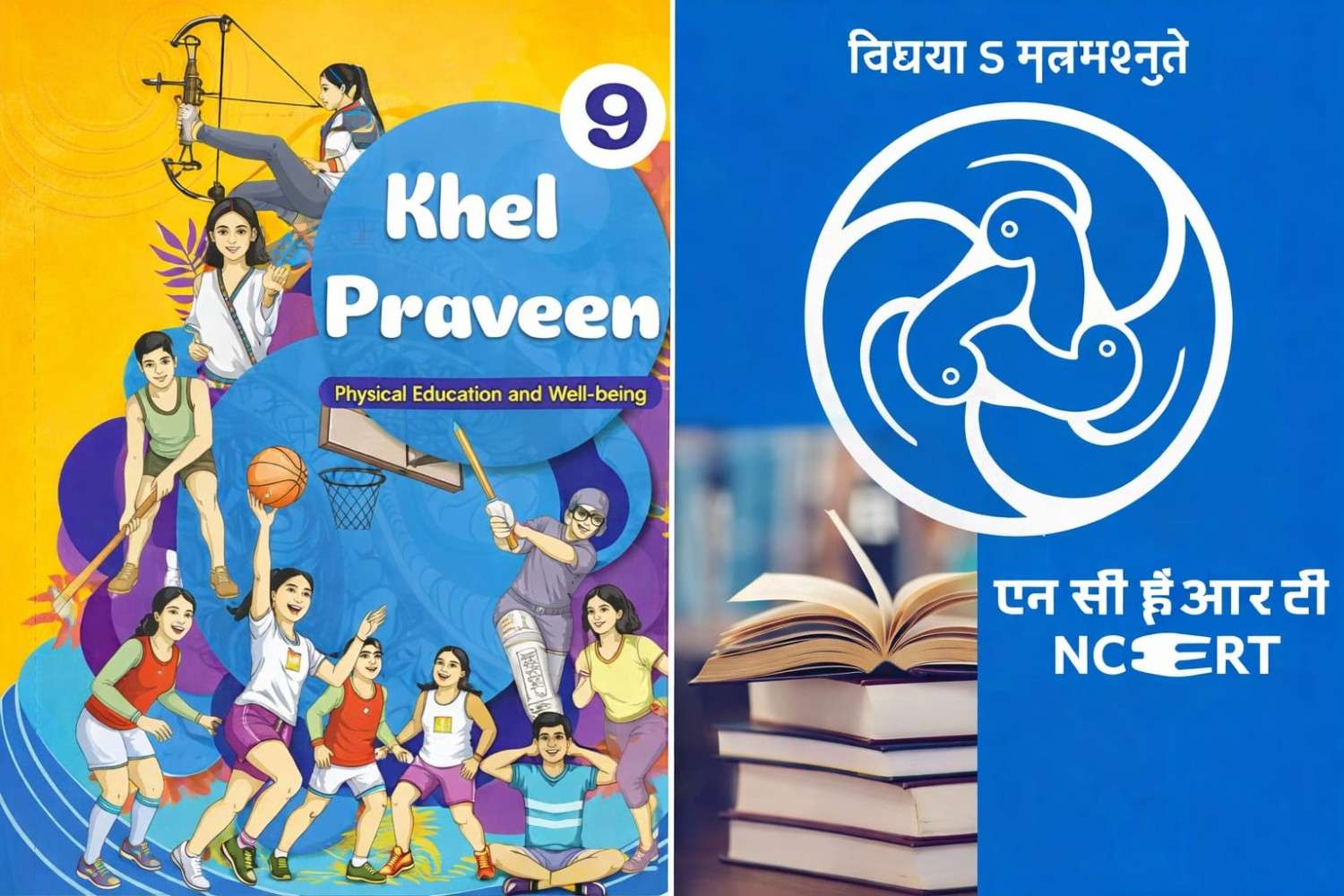
NCERT Makes Physical Education Mandatory from Classes 3–10, Introduces ‘Khel Praveen’ for Holistic Learning
.jpg)
New curriculum shift blends sports, health, and life skills to create well-rounded, confident students
Campus Times | Lucknow
In a significant move to transform school education, the National Council of Educational Research and Training (NCERT) has made Physical Education a compulsory subject for students from Classes 3 to 10. The reform aims to move beyond purely academic learning and promote the overall physical, mental, and social development of students.
A New Era of Learning Beyond Classrooms
Under this revised framework, physical education will now include structured learning in sports, fitness, yoga, and health education. The initiative aligns with the broader goals of the National Education Policy 2020, which emphasizes holistic and experiential learning for students.
‘Khel Praveen’: A Modern Approach to Physical Education
As part of the new curriculum, NCERT has introduced a Class 9 textbook titled Khel Praveen. Designed with a student-centric approach, the book goes beyond traditional drills and activities, offering insights into sports science, fitness awareness, and mental well-being.
Students will explore topics such as how the human body functions, the evolution and history of sports, and the importance of maintaining a healthy lifestyle. The book also highlights values like teamwork, discipline, and leadership, while introducing students to potential career paths in sports and fitness industries.
Balanced Assessment System Introduced
The evaluation pattern for Physical Education has also been redesigned to encourage practical engagement. The assessment will be divided into:
• 40% theory
• 40% practical performance
• 20% project work
Project-based learning will play a key role, with students participating in activities such as designing inclusive games, conducting fitness surveys, and documenting local sports traditions. This hands-on approach aims to connect classroom knowledge with real-world applications.
Spotlight on India’s Traditional Sports
A unique feature of the new curriculum is its focus on indigenous sports. Students will be introduced to traditional disciplines like Mallakhamb, Thang-Ta, Gatka, and Kalaripayattu. This inclusion not only promotes physical fitness but also helps students connect with India’s cultural heritage.
Building Healthier, Confident Individuals
According to NCERT, the initiative is designed to nurture more than just physical strength. It seeks to improve mental health, boost self-confidence, and develop essential social skills among students. By integrating sports into mainstream education, the program encourages positive thinking, resilience, and teamwork.
A Progressive Step for School Education
Education experts view this reform as a forward-looking step toward modernizing India’s schooling system. By embedding physical education into the core curriculum, NCERT aims to create a generation of healthier, more active, and well-rounded individuals ready to face future challenges.
This shift signals a broader transformation where education is no longer confined to textbooks but extends to life skills, well-being, and personal growth.
Related to this topic: