From “Job Seekers” to “Job Creators”: A TEDx Talk That Challenged India’s Youth
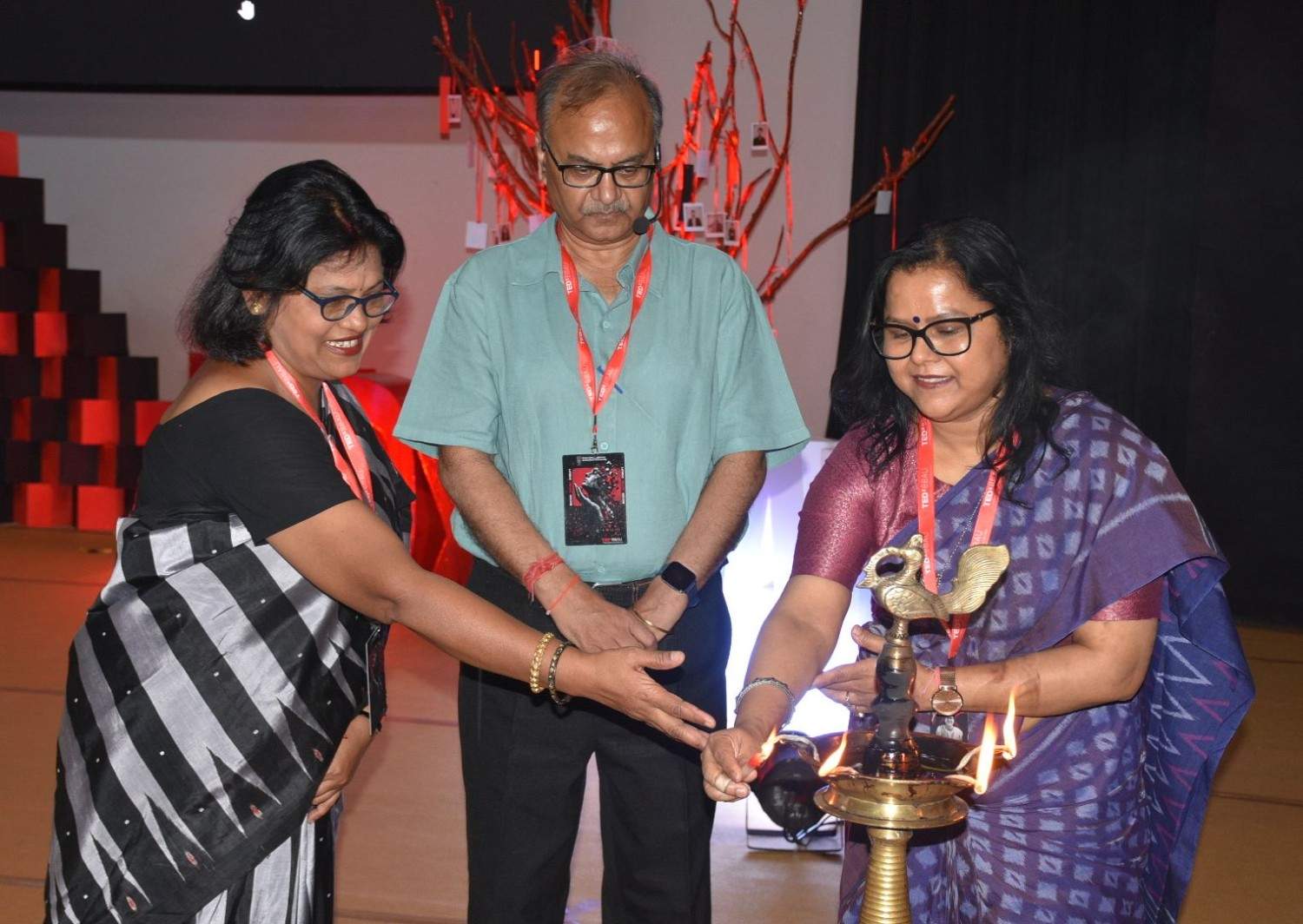
At BBAU, Prof. Raj Kumar Mittal calls for techno-nationalism, economic patriotism, and youth-driven innovation to power a self-reliant India
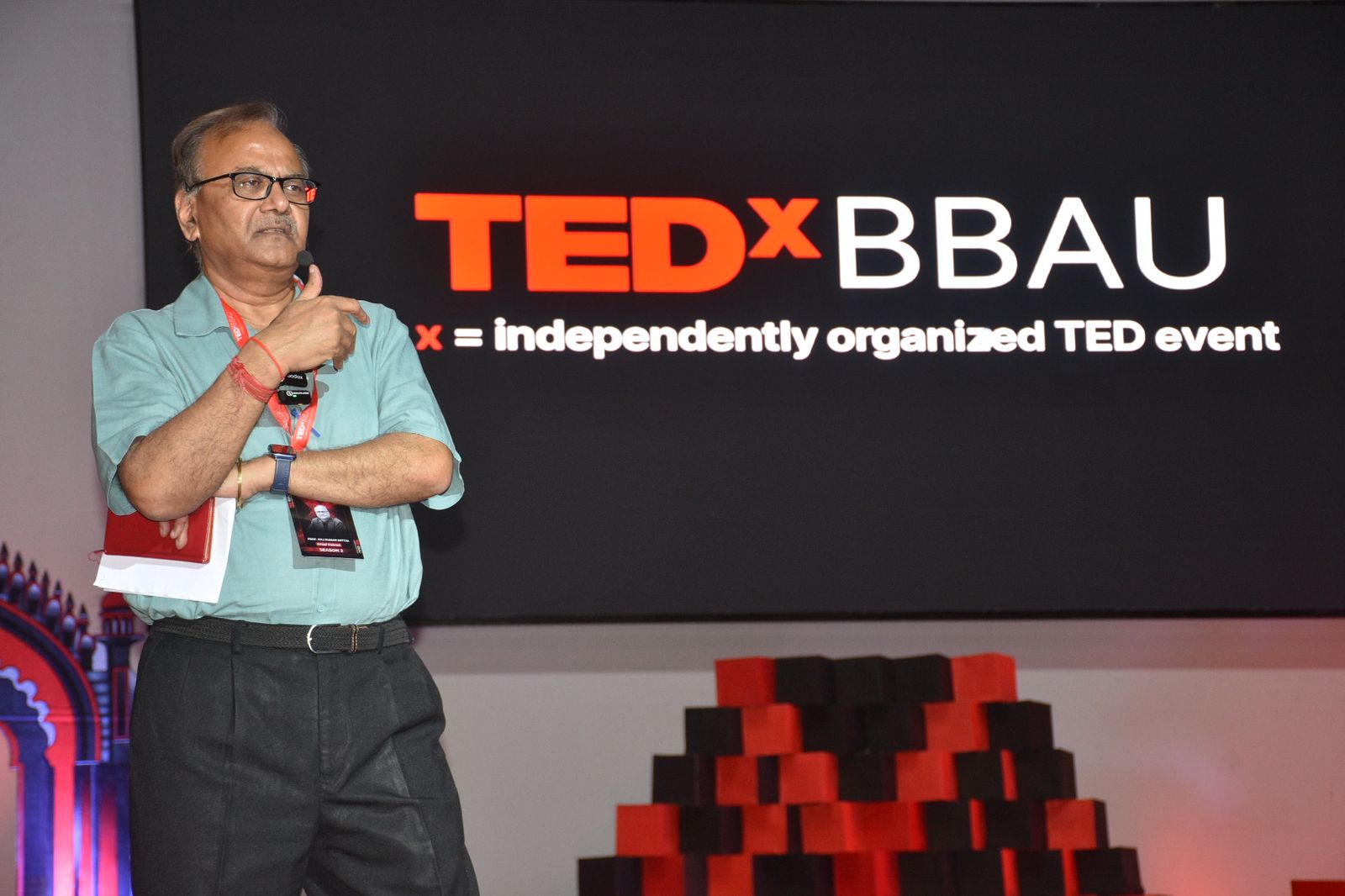
Campus Times | Lucknow
Can India become a $30 trillion economy without its youth taking the lead? That was the central question driving a thought-provoking TEDx event held on May 4 at Babasaheb Bhimrao Ambedkar University.
Youth at the Core of Viksit Bharat 2047
Chairing the event, Vice-Chancellor Raj Kumar Mittal delivered a compelling message: India’s journey toward Viksit Bharat 2047 depends on its young population shifting from job seekers to job creators. He emphasized the need to promote indigenous products, embrace the “Vocal for Local” movement, and strengthen techno-nationalism and economic patriotism to build an Atmanirbhar Bharat.
Mittal highlighted that achieving the vision of a developed India requires scaling the economy to $30 trillion, backed by innovation, entrepreneurship, and a resilient economic framework. He also underlined the role of education in bridging social inequalities and called for greater participation of women in leadership and nation-building.
The event saw the presence of distinguished guests including Shishir Dixit and Vijendra Chauhan, along with TEDx mentor Sanjay Kumar Dwivedi and other faculty members.
Beyond Economy: Inclusion, Sustainability, and Heritage
Addressing broader challenges, Mittal stressed the importance of sustainable thinking to tackle global warming and highlighted India’s historical contribution of nearly 25–30% to global GDP. Reclaiming that position, he said, would require a balanced and shock-resistant economy rooted in both modern innovation and traditional knowledge systems like Ayurveda and Unani.
Adding another dimension to the discussion, Jaya Srivastava spoke on workplace safety, noting that women’s progress is closely tied to a secure and inclusive environment. She advocated for stronger representation of women in policy and decision-making roles.
Students, researchers, faculty, and professionals from various organizations participated, turning the event into a dynamic exchange of ideas and creativity.
Related to this topic:

.jpg)