NCERT Unveils ‘Madhurima’: A Creative Leap in Art Education for Class 9 Students
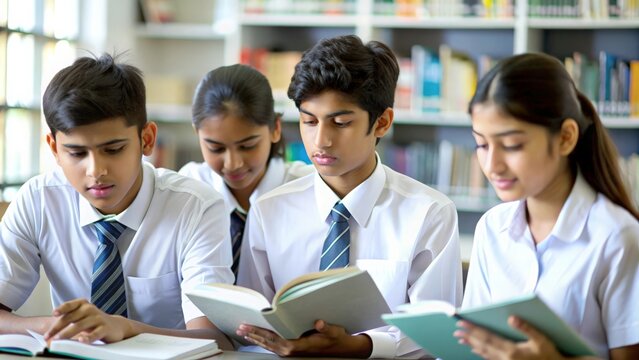
New curriculum blends heritage, hands-on learning, and global storytelling to make art more immersive for young learners
.jpg)
Campus Times | Lucknow
The National Council of Educational Research and Training (NCERT) has introduced a fresh and dynamic art education textbook, ‘Madhurima’, for Class 9 students—marking a significant shift toward experiential and student-driven learning. The book is designed to go beyond traditional theory, encouraging students to explore, interpret, and create art while connecting deeply with both Indian and global cultural traditions.
At its core, Madhurima brings together India’s rich artistic legacy with international influences, helping students understand how art transcends boundaries. A key highlight is its focus on the diverse adaptations of the Ramayana across Southeast Asia, offering learners a broader cultural perspective while inspiring them to develop their own creative performances.
Bridging Heritage with Hands-On Learning
The textbook features iconic historical and artistic landmarks such as Bhimbetka Rock Shelters, Sanchi Stupa, Natyashastra, and Ajanta Caves. Through these, students are introduced to the evolution of Indian art forms, from prehistoric cave paintings to classical performance theory.
What sets Madhurima apart is its practical approach. Instead of limiting learning to textbooks, it actively engages students in four major art disciplines—visual arts, music, dance, and theatre. Learners are encouraged to experiment, collaborate, and express themselves creatively through projects and performances.
One of the most innovative aspects of the curriculum is its emphasis on storytelling through performance. By studying various global interpretations of the Ramayana, students will not only analyze cultural differences but also create and stage their own versions. This approach nurtures critical thinking, creativity, and teamwork.
Overall, Madhurima reimagines art education as a lived experience rather than just an academic subject—aiming to make classrooms more vibrant, inclusive, and inspiring for the next generation of learners.
Related to this topic: