Limiting Desires, Expanding Values: Jain Philosophy Discussed at BBAU Seminar on Ethics and Sustainability
Scholars highlighted restraint, non-possessiveness and ethical living as effective antidotes to rising consumerism at a two-day national seminar held at Babasaheb Bhimrao Ambedkar University.
Campus Times |Lucknow
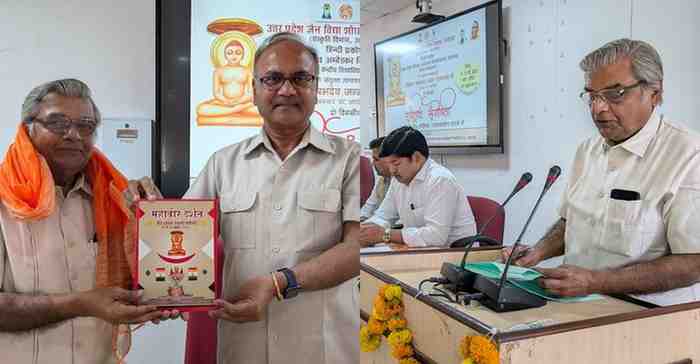
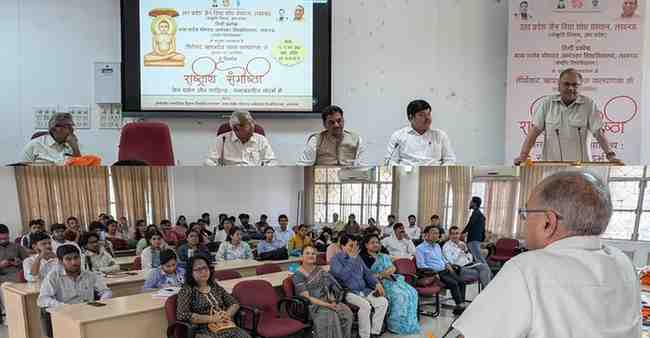
The timeless wisdom of Jain philosophy took center stage at Babasaheb Bhimrao Ambedkar University as a two-day national seminar on “Jain Philosophy and Literature: In Contemporary Context” concluded on March 13. Organized by the university’s Hindi Cell in collaboration with Uttar Pradesh Jain Vidya Shodh Sansthan, the seminar was held on the occasion of the birth celebration of Jain Tirthankar Rishabhdev
Raj Kumar Mittal said that Jain philosophy teaches the importance of limiting one’s needs and living a life of restraint to achieve true satisfaction and balance. He noted that in an era increasingly driven by consumerism, the Jain principles of self-discipline, non-possessiveness (Aparigraha) and ethical conduct can help strengthen human values and guide individuals toward a more harmonious and spiritually aware life.
SSS Principles of Jainism
Abhay Kumar Jain emphasized that the Jain principles of Samyak Gyan (right knowledge), Samyak Vani (right speech) and Samyak Charitra (right conduct) guide individuals toward spiritual growth while fostering positive change in society. He added that Jain literature, rich and inspiring, promotes ethics, social awareness, coexistence and human values—essential for building a balanced and conscious society today.
Nalin K. Shastri said that Jain philosophy guides individuals toward self-realization through introspection, discipline and spiritual awareness. He noted that in today’s materialistic age, the Jain principle of Aparigraha (non-possessiveness) encourages a life of simplicity, balance and ethical values, helping society move toward harmony and compassion.
Jain tradition’s emphasis on nature
Pawan Agrawal said that Jain philosophy inspires individuals to lead a disciplined and action-oriented life rooted in ethical and human values. He noted that the Jain tradition’s emphasis on nature conservation, protection of living beings and vegetarianism remains highly relevant for environmental balance and sustainable development, while promoting compassion, coexistence and harmony in society.
Ravindra Nath Srivastava said that compassion, forgiveness, kindness and non-possessiveness are the core principles of Jain philosophy, which encourage respect for diverse perspectives while discouraging excessive consumption. He noted that Jain teachings promote love for all living beings, ethical non-violence and self-discipline, guiding individuals toward inner purity and helping build a more compassionate and ethical society.
The concluding session was presided over by Vice-Chancellor Raj Kumar Mittal, with noted scholars including Abhay Kumar Jain, Nalin K. Shastri, Pawan Agrawal and Ravindra Nath Srivastava. The programme was coordinated by Dr. Baljeet Kumar Srivastava, while Dr. Ramesh Chandra Nainwal conducted the proceedings. The event concluded with a vote of thanks by the programme convener Dr. Baljeet Kumar Srivastava.
Related to this topic: