BBAU scientists use supercomputer to advance TB drug research with atomic-level ATP synthase model
Study uncovers how bedaquiline interacts with the tuberculosis bacterium’s energy-producing machinery, offering insights for future drug development
Campus Times | Lucknow
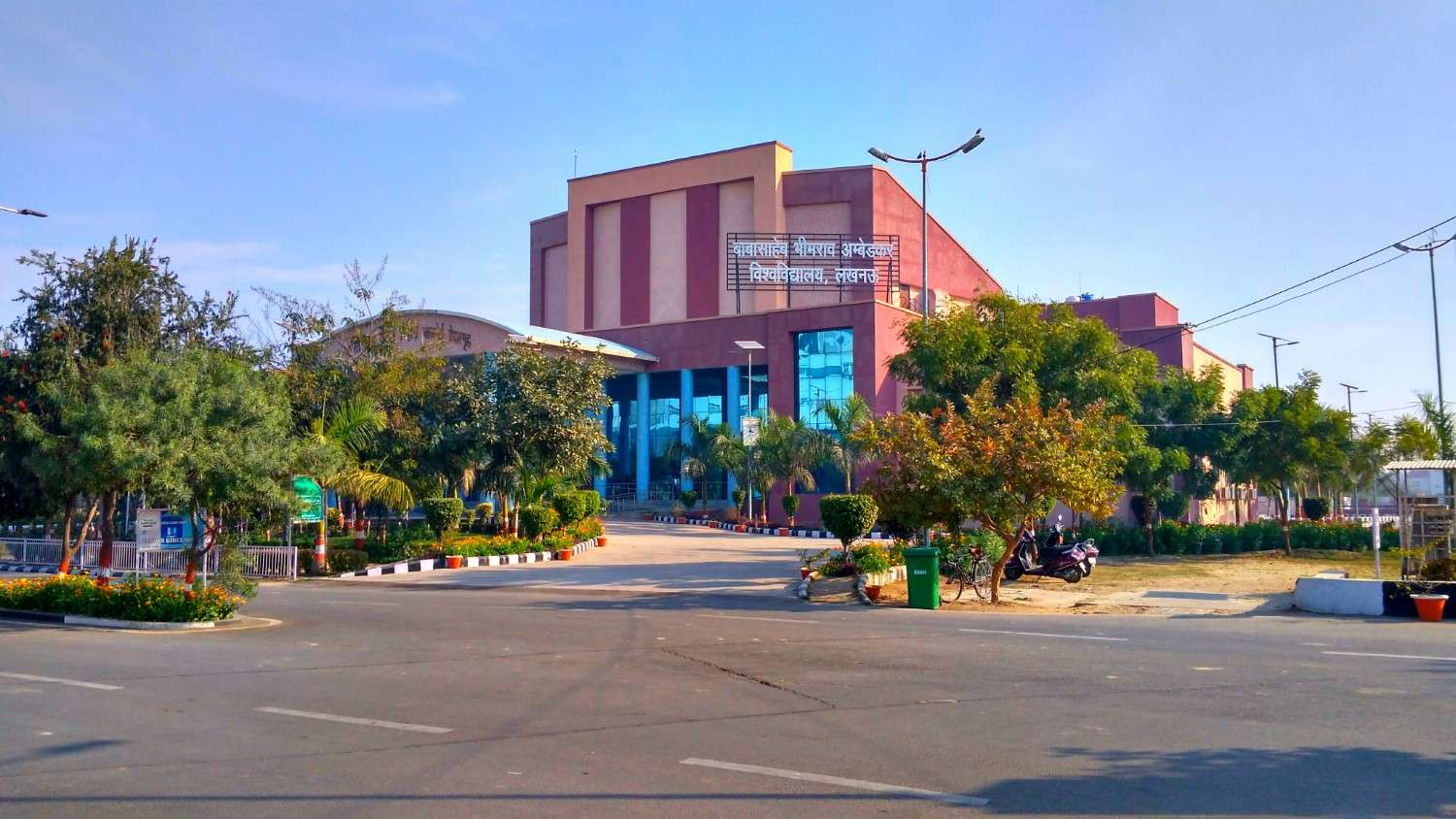
Researchers at Babasaheb Bhimrao Ambedkar University (BBAU) have achieved a significant breakthrough in tuberculosis (TB) research by developing a highly detailed virtual model of Mycobacterium tuberculosis ATP synthase, the molecular machine responsible for the bacterium’s energy production. The study, published in the Journal of Cellular Biochemistry, provides fresh insights into how the anti-TB drug bedaquiline works at the atomic level.
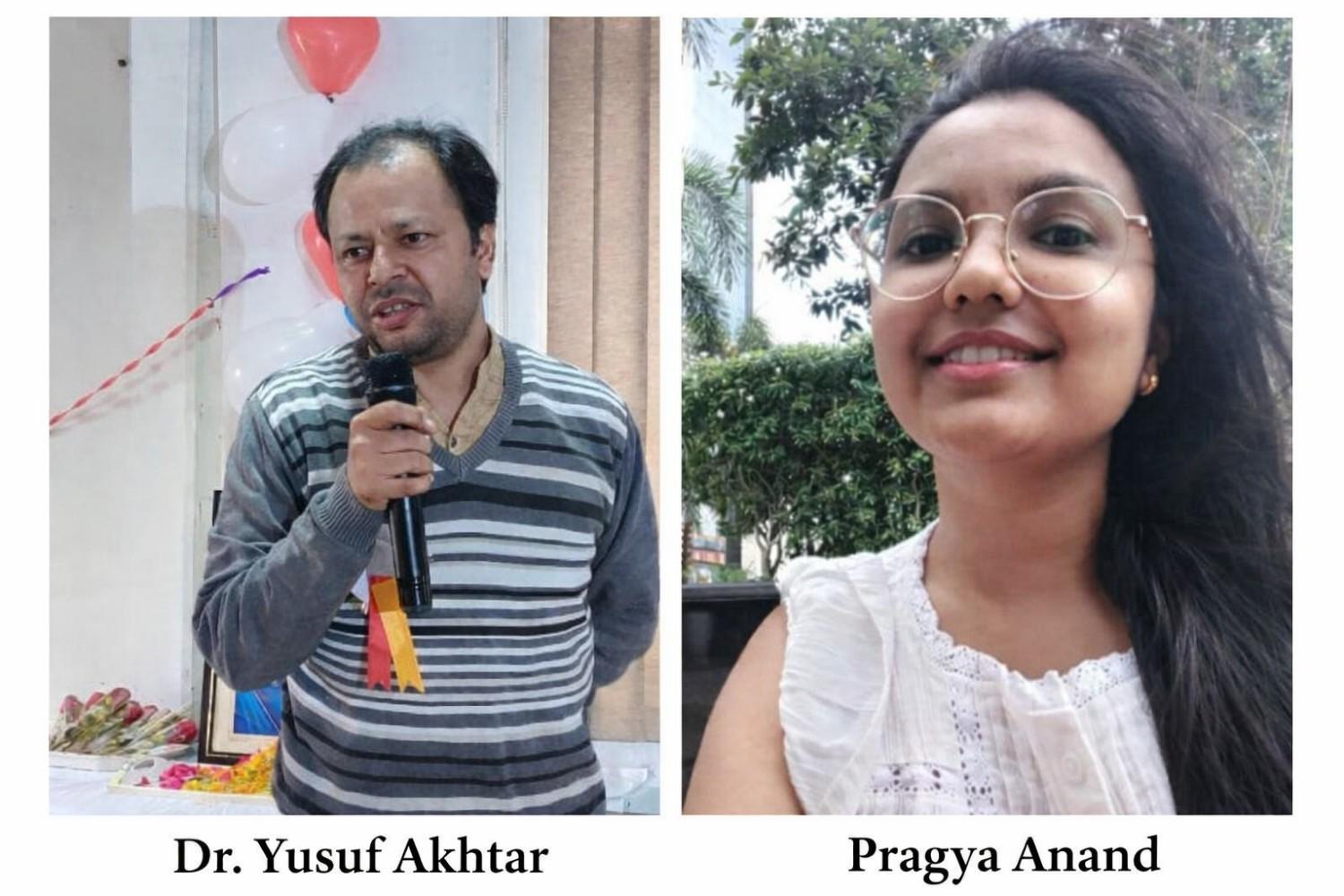
The research was carried out by Dr. Yusuf Akhtar and research scholar Pragya Anand from the Department of Biotechnology using the PARAM Smriti Supercomputer under India’s National Supercomputing Mission. Their work recreates the bacterial ATP synthase within a realistic membrane environment, allowing scientists to observe drug-target interactions with unprecedented detail.
Supercomputer simulations reveal dynamic drug behavior
Unlike conventional structural studies that often examine isolated proteins, the BBAU team built a virtual system containing nearly 400,000 atoms, including the ATP synthase complex, membrane lipids, water molecules and bedaquiline bound to its target site.
The simulations revealed that bedaquiline does not remain fixed at a single position. Instead, while staying attached to ATP synthase, the drug gradually changes its orientation over time. Researchers found that this behavior is influenced not only by the protein itself but also by surrounding membrane lipids and water molecules.
According to the findings, these dynamic interactions help explain how bedaquiline disrupts the overall functioning of ATP synthase, effectively cutting off the energy supply essential for the survival of the tuberculosis bacterium.
New clues for next-generation TB medicines
The study also sheds light on proton pathways that drive the rotary motion of ATP synthase. Understanding these pathways could help researchers design future drugs that interfere more effectively with bacterial energy production while reducing the chances of drug resistance.
An important outcome of the research is the recognition of the bacterial membrane as an active participant in drug action rather than a passive background structure. Scientists believe that further investigation into membrane-associated mechanisms may reveal additional targets for therapeutic intervention.
Addressing the growing challenge of drug-resistant TB
Tuberculosis remains one of the world’s deadliest infectious diseases, with India accounting for a significant share of global cases. The rise of drug-resistant TB has intensified the need for safer and more effective treatment options.
Approved in 2012, bedaquiline was the first major anti-TB drug introduced in nearly five decades. It targets ATP synthase, depriving Mycobacterium tuberculosis of the energy required for survival. However, growing concerns over resistance and safety have highlighted the need to better understand its molecular mechanism.
By examining drug-target interactions in a realistic biological setting, the BBAU study offers a valuable framework for the rational design of future TB therapies that are more effective, safer for patients and less vulnerable to resistance.
Recognition for research excellence
The achievement has been widely appreciated within the university. Vice-Chancellor Prof. Raj Kumar Mittal congratulated the research team, describing the publication as a proud moment for BBAU and a reflection of the growing strength of India’s scientific and computational research capabilities.
Related to this topic: