BBAU researchers secure patent for Novel Lupus Nephritis drug candidate FRP-024

Computationally discovered molecule showed strong anti-inflammatory activity and potential to reduce steroid dependence in preclinical studies
Campus Times | Lucknow
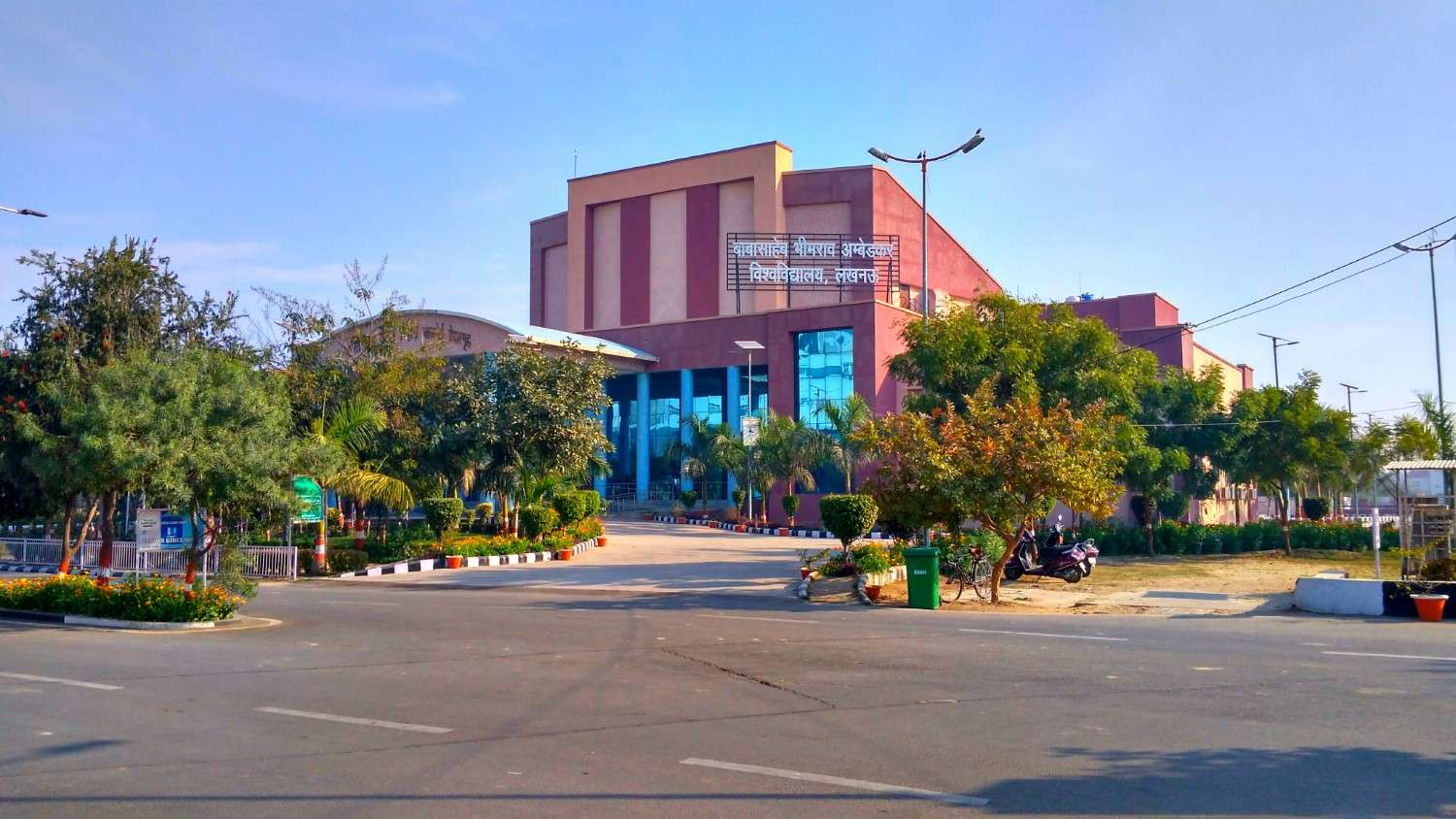
Researchers at Babasaheb Bhimrao Ambedkar University (BBAU) have been granted an Indian patent for FRP-024, a novel drug candidate developed for the treatment of Lupus Nephritis, a severe kidney complication of Systemic Lupus Erythematosus (SLE).
The patent has been awarded to Dr. Yusuf Akhtar, his Ph.D. scholar Dr. Garima Singh, and Dr. Jawaharlal Jat. Congratulating the team, BBAU Vice-Chancellor Prof. Raj Kumar Mittal described the achievement as a matter of pride for the university.
The breakthrough was achieved using advanced computational drug discovery methods. Researchers virtually screened 155,771 drug-like compounds against the BST-2 protein, which plays a key role in triggering inflammation in Lupus Nephritis. The screening process narrowed the list to 302 potential binders, then 51 compounds with acceptable safety profiles, and finally three candidates free from mutagenic risks. FRP-024 emerged as the sole compound selected for laboratory synthesis and biological validation.
Multi-department research effort
The compound was synthesized by Dr. Jawaharlal Jat and his Ph.D. scholar Ashirvad, achieving a 74% yield while maintaining chemical purity and quality.
Its biological validation was carried out under the guidance of Dr. Ratika Srivastava, with Ph.D. scholar Dr. Khushboo conducting in-vitro studies to evaluate the compound’s efficacy and safety in biological systems mimicking Lupus Nephritis.
According to the research team, a process that traditionally takes several years and significant financial investment was completed within months through computational screening and targeted validation.
Promising results, further testing ahead
FRP-024 works by targeting the BST-2 protein, suppressing the inflammatory cascade responsible for kidney damage in Lupus Nephritis. Laboratory studies showed that the compound reduced inflammatory markers by up to 85% without exhibiting toxic effects.
Researchers also found that FRP-024 may work synergistically with existing steroid therapies, potentially allowing patients to achieve similar or improved outcomes with lower steroid doses. Such a steroid-sparing effect could help reduce the side effects associated with long-term steroid use.
Lupus Nephritis is among the most serious complications of SLE and can lead to kidney failure if left untreated. The disease disproportionately affects women and remains a major health challenge worldwide.
While the findings are encouraging, FRP-024 must undergo extensive animal studies and human clinical trials before it can be approved for patient use. Researchers believe the patent marks an important step toward developing a safer and more targeted treatment option for Lupus Nephritis patients.
Related to this topic: