Telegram faces temporary block in India ahead of NEET retest amid exam leak crackdown

Authorities target alleged cheating networks operating through messaging channels, while critics argue the move sidesteps deeper flaws in the examination system.
Campus Times | Lucknow
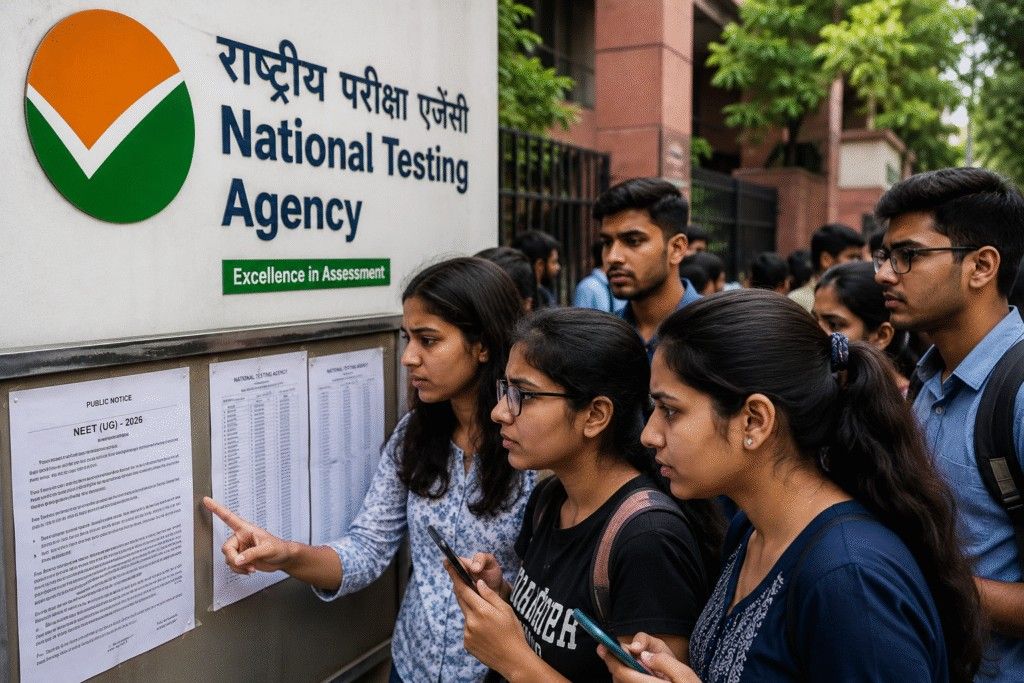
India has temporarily restricted access to Telegram as authorities intensify efforts to curb malpractice ahead of the NEET-UG re-examination scheduled for June 21. The move comes amid an ongoing investigation into the alleged paper leak that led to the cancellation of the medical entrance test conducted earlier this year.
The National Testing Agency (NTA) stated that the decision was taken following concerns that organised cheating networks were using Telegram channels and groups to mislead candidates and falsely claim access to examination papers. According to the agency, several such groups were allegedly demanding large sums of money from students and their families in exchange for fake promises of leaked question papers.
NEET-UG, one of India’s largest entrance examinations, serves as the gateway to undergraduate medical education. More than 2.2 million candidates appeared for the exam in May before it was cancelled amid allegations of paper leaks and other irregularities. The case is currently being investigated by the Central Bureau of Investigation (CBI), with multiple arrests reported so far.
Officials said law enforcement agencies have removed several Telegram channels, groups and automated bots that were allegedly involved in exam-related fraud. Authorities have also sought restrictions on certain platform features, including message editing, citing concerns that they could be used to manipulate or fabricate evidence related to paper leak claims.
While the government has described the restriction as a preventive measure aimed at protecting the integrity of the re-examination, the decision has drawn criticism from digital rights advocates and internet users. Critics argue that blocking a widely used communication platform may inconvenience millions of legitimate users, including students who rely on Telegram for study materials, discussion groups and exam preparation.
The Internet Freedom Foundation (IFF) questioned the effectiveness of the move, stating that exam-related leaks often stem from vulnerabilities within the examination system rather than from messaging platforms alone. The organisation also raised concerns regarding the transparency and proportionality of such restrictions.
The controversy once again highlights the growing challenge of safeguarding high-stakes examinations in India, where recurring incidents of paper leaks and exam fraud have sparked widespread public concern. As candidates prepare for the NEET retest, the focus remains on ensuring a fair and secure examination process while balancing concerns related to digital access and online freedoms.
Related to this topic: